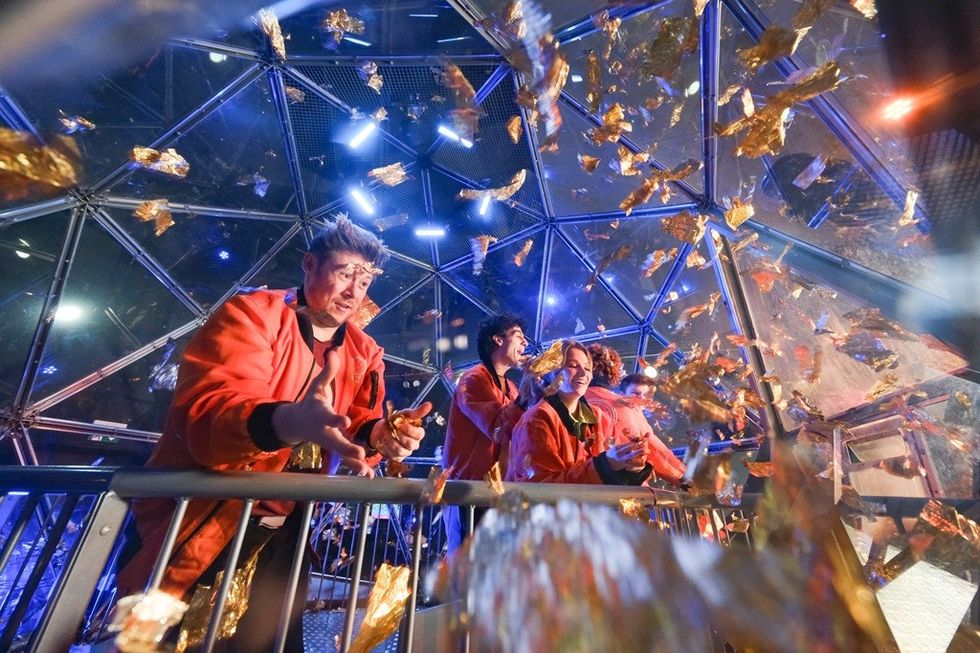
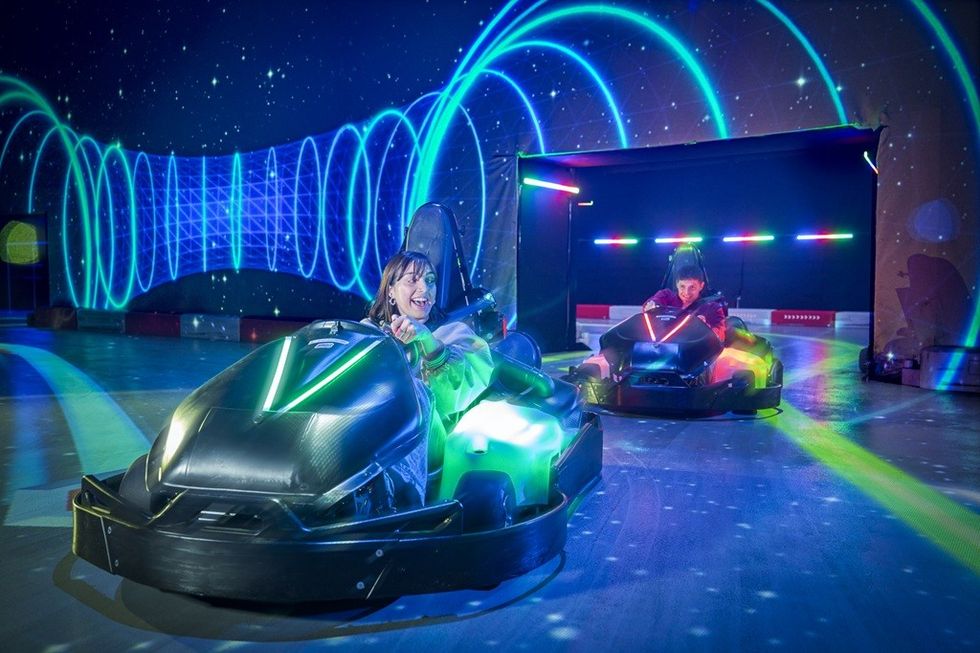
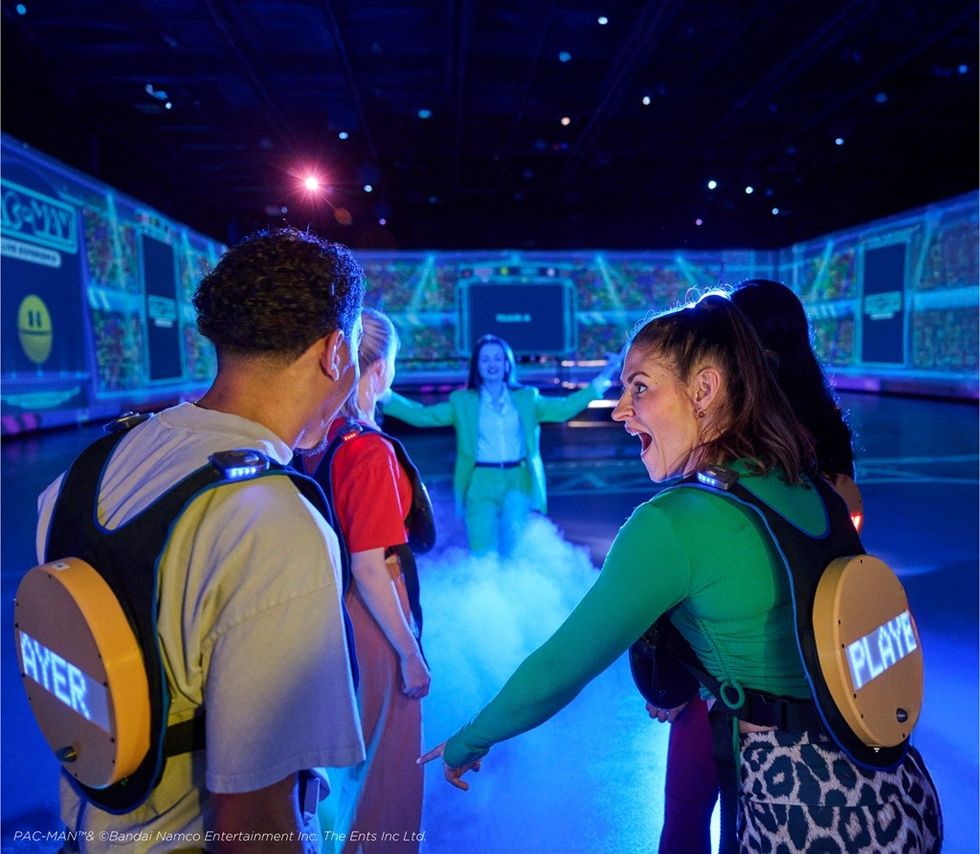
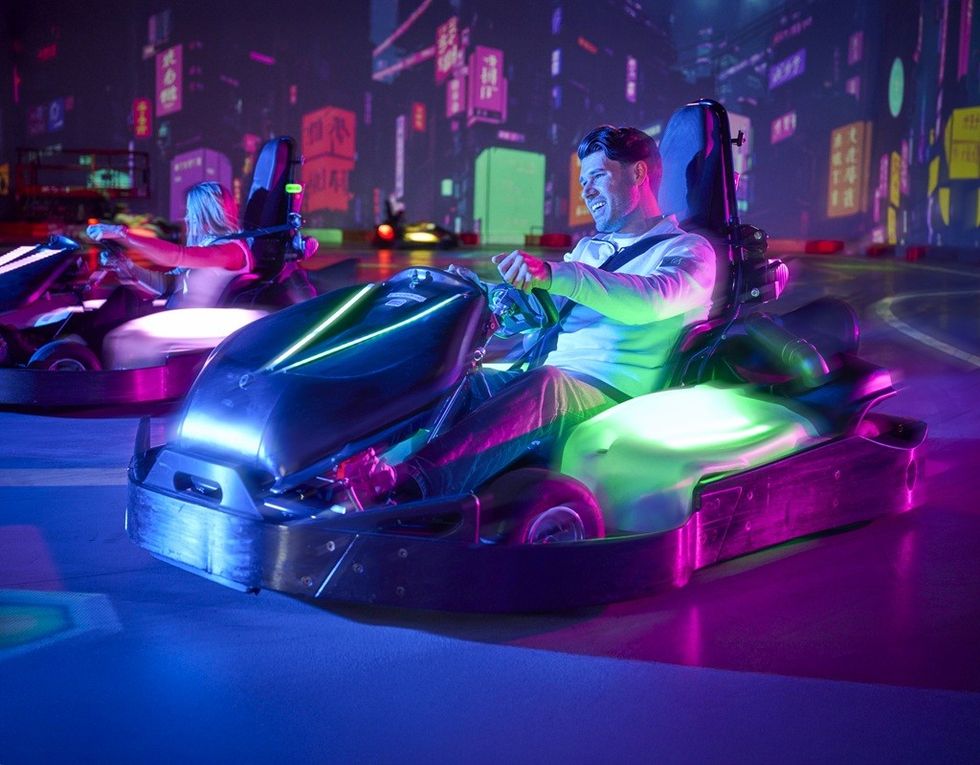
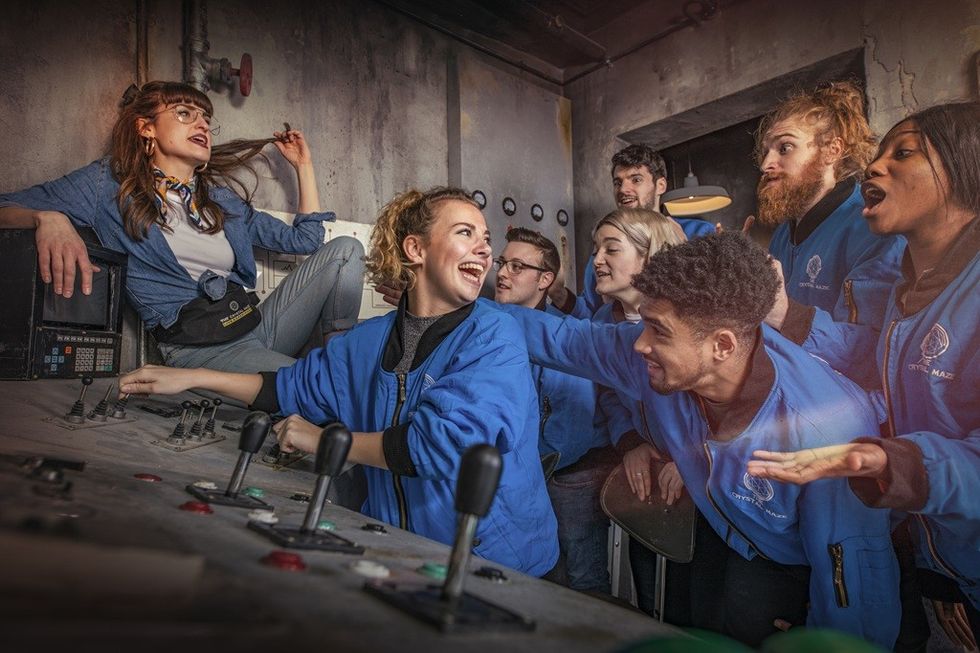
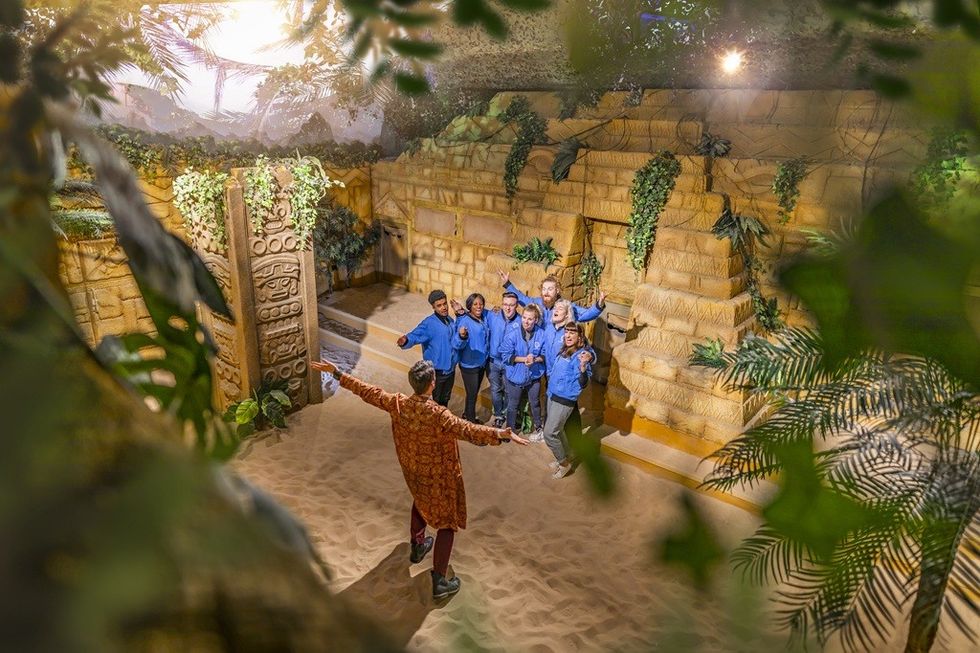
These include Chaos Karts, The Tomb Raider Live Experience, Pac-Man Live Experience, and The Crystal Maze Live Experience, which is one of the world’s longest-running immersive theatrical productions.
As an experienced company in an emerging sector, LLE is leading the way in innovation and growth.
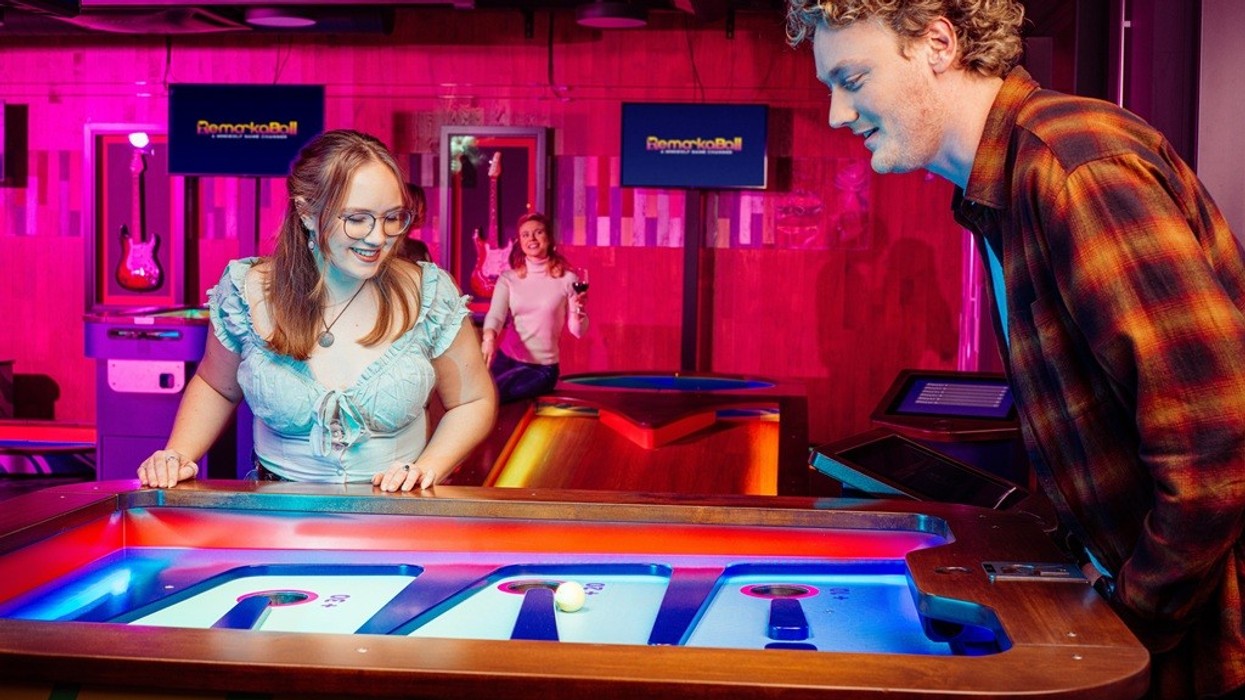
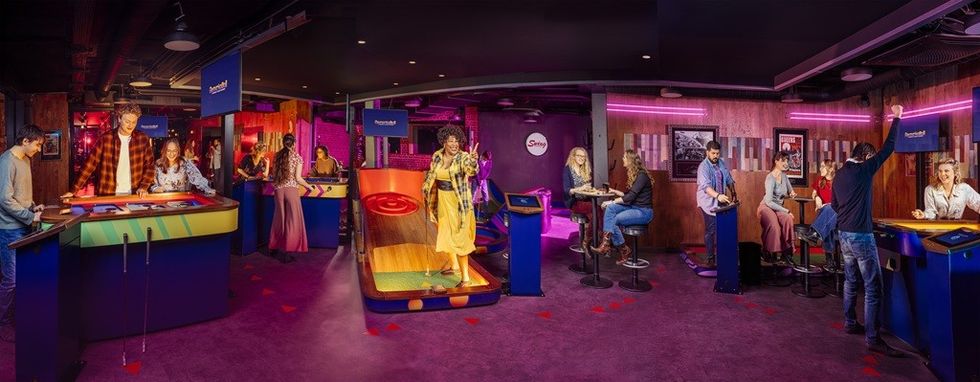
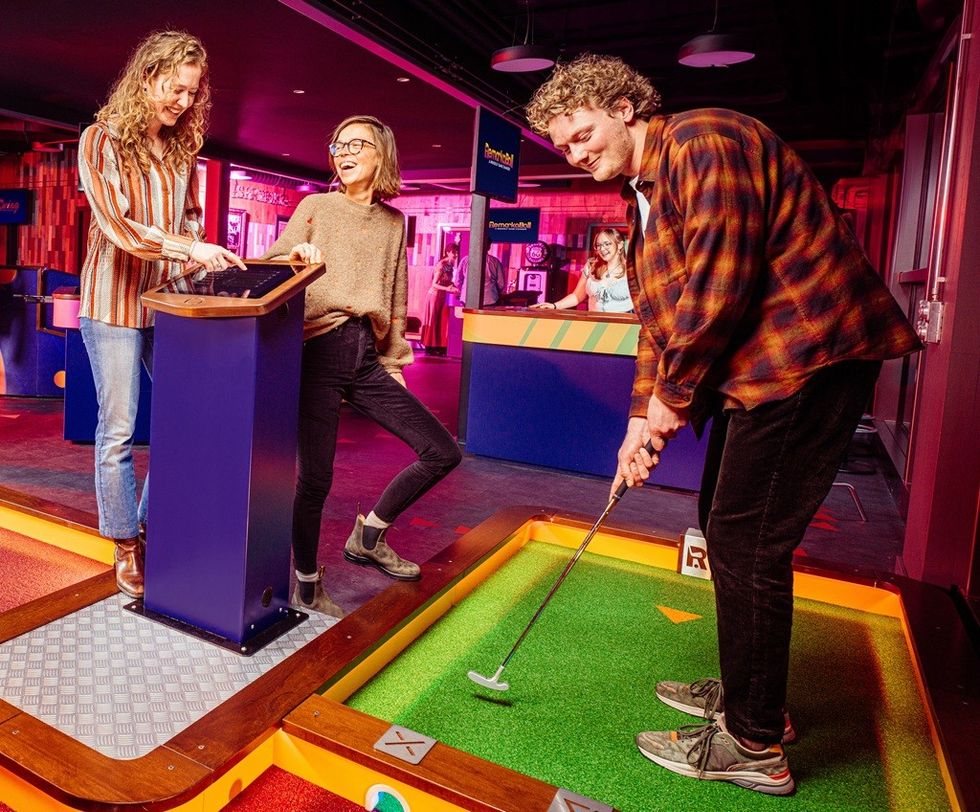
Its Arcade Arena venues are now in Manchester and Dubai, and in October, the company announced a rollout of the attraction across the UK.
Meanwhile, a flagship venue dedicated to The Crystal Maze Live Experience has been announced for Dubai.
These projects form part of an international expansion, and, as the broader sector begins to come of age, mark the beginning of a new era for LLE.
 Tom Lionetti-Maguire
While the company marks a raft of major developments, including new locations and a groundbreaking new game title, we speak to Tom Lionetti-Maguire, CEO and founder of Little Lion Entertainment, on the future of immersive and video-game experiences and how UK companies can make the leap to the US.
An industry in adolescence
This is an exciting time for the immersive experience sector, which is evolving and testing its limits, says Lionetti-Maguire.
“What was a very young industry 15 years ago is now in its teenage years, and like any teenager, it's flexing its muscles, and it's trying to make its way in this world.
“And I think that makes for a really exciting time.”

And the value of this industry, which he says can be estimated at almost 10 billion today, is set to increase by ten times in the next decade.
“I think it's going to overtake traditional theatre. I think it's going to start giving other entertainment worlds a run for their money. And that's super, super exciting.
Driving innovation
“Today, immersion is just about presence. It's about this feeling of being in the game, in the world, rather than watching it, which is great.
“I think that was the first moon leap, being active, being a participant, being in it, being part of it. And I feel like that was an incredible step, certainly one that we felt and ran with."
So, how will the space evolve over the next five years?
“I guess in really simple terms, it's now, how do we step into the game more? How do we step further into that space?
“That's blending the physical and digital worlds even more. And how do we do that? That's something we're really looking at, concentrating on, and fascinated with.
“For us, it means always together and always in the space, because that's our absolute ethos, and I think that's what's resonating most with people.
“It's always about a shared experience. It's always about playing together. It's always about, for me, getting out of the house.”
With this foundation, the sector is seeing advancements in connected technologies, such as hyper-personalisation and user-generated content, as well as innovations in technology and hardware that respond to the needs of the “crazy, imaginative brains in entertainment”.
Building the future
As the immersive industry booms, many companies are experimenting, while a few are taking a more transformational approach.
“Like any sort of burgeoning industry, there has been a gold rush into it. There are a lot of companies rushing into it, a lot of new things. There's something new popping up every day.
“On the one hand, I'm all for it because it speaks to a growing industry. One that needs more awareness, and this idea that we're not going anywhere, it's here to stay.
“The other side of the coin, unfortunately, is that some people do just rush into it for the wrong reasons. Mainly money. They think it's a way to make a quick buck. And that leads to shows made with little care for the wrong reasons.
“But I think that's part of any fast-growing industry.
“What separates those companies is that they chase yesterday, whereas people who really want to transform things are building tomorrow and looking to the future. And I sincerely hope that that's where we are.”

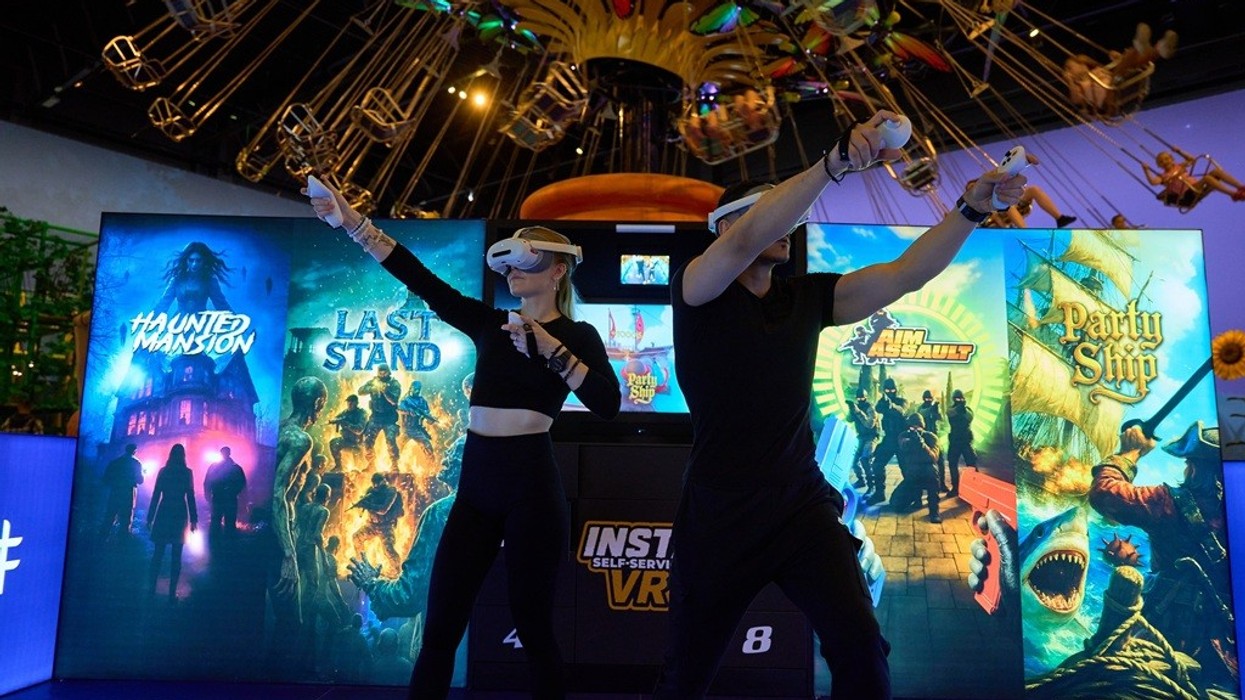
LLE’s Arcade Arena demonstrates this ethos. A giant video game box that can embed any number of video games, this attraction presents extraordinary opportunities for innovation and international growth.
Avant-garde approach
“What we've built with the Arcade Arena is a scalable, repeatable, and infinitely adaptable format that still allows for absolute innovation, absolute novelty, and absolute imagination every time you release a new game,” says Lionetti-Maguire.
“So every game we make will be different. It's going to be a different world. It's going to be to different tastes. It's going to be, hopefully, for a different dynamic. That's what we're going for.
“And, without getting too much on my high horse, I do think that that is avant-garde. And I do think other companies look for a rinse-and-repeat approach, and I hope what we're doing is cleverer.”

A key aspect of the Arcade Arena attraction is data-driven insights into user preferences, which Lionetti-Maguire describes as “self-fulfilling.”
“You're actually giving people what they want, he says. “That is what separates companies.”
“But the principal thing is just the care about the worlds that you're creating. If we didn't care, then I would stop doing it.”
‘Always better content’
This care is reflected in LLE’s approach to emerging technologies.
“We're interested in things like AI-driven NPCs [Non-Player Characters] in the world, or opponents that can respond dynamically to you. Show Control systems that enable really cinematic content, and in simple terms, content getting ever better, that's going to drive immersion.
“So always better content. The more we can mix worlds in this palette of a live experience, I think, the better it is.
"Likewise, collaboration offers new opportunities to expand this palette.
“Nothing is off limits, which is what's really exciting."
“Immersive is always described as between those big pillars of entertainment, theatre, film, TV, and sports. It's adopting a liminal space in between all of those, so all of them can step in to a degree or not.
“A fair bit of that is being driven in the Middle East. It's why we've done a lot of work there; we see it as evergreen. There is a real volition to try things, and there's obviously quite a bit of money being put into building the worlds of entertainment, which is great.
“That does allow for innovation.
“But, whereas immersive used to be just an offshoot of theatre, or it used to be just an adaptation of films and or TV IP, I think everything's up for grabs. There are music experiences now, and there's the tried-and-tested world of immersive dining.
“We're working on a couple of early conversations with sports brands and how we can really change, perhaps quite traditional sports, in a really interesting way. To gamify them more and make them more immersive for the surrounding audience. There are all kinds of things happening.”
The UK creative sector
As LLE continues to expand internationally, Lionetti-Maguire shares how the company has been shaped by the UK's distinctive approach to creative technologies and gaming.
“It seems undeniable to me. Other cities might argue, but London is the epicentre of immersive live experiences.
“I've got theories why. Maybe this is because of my background as an actor and in theatre, but I believe it has strong roots in theatre and the tradition of storytelling.
“And I would combine that with a natural British affinity for humour and for playful experimentation.
“So I think it’s in the theatrical roots, and then, in a certain British irreverence."
“But there are also factual things, like world-leading talent and people here. There are world-leading companies here.
“So, for all the crazy ideas, there are loads of brilliant people who know the technical, software, and other elements to prototype them and make them real."
“We seem to already have this heritage in what is a young industry. We have 15 to 20 years of it, which puts us ahead and hopefully has opened people's minds to it.
“I think, I think, what's important now is that it should be cherished, encouraged, and supported by everyone, certainly by the British government.
“This should be exported. It should be shown off. We should be proud of it, as we are of our film and theatre industries.
“This is yet another area in which we're world-leading. And it should be shouted about.”
Looking stateside
So how does this translate to the US?
“I would preface by saying we haven't made the leap across the pond yet, but we are deep in the planning phases, and we've been doing a lot of work on how that would look.
“With lots of conversations, masses of market research, and thinking, because it's not easy.
“And some people in our industry have done it well, some people have crashed and burned, and we want to be the former."
“As for broad brushstroke stuff, I think the US market prioritises spectacle and scale, and the UK market has, maybe from those theatrical roots, prioritised craft and creativity.
"Someone who's advising us, whose opinion I value massively, said, ‘This is the world of Disneyland. This is the world of Universal Studios.’ That's people's cultural resonance with location-based entertainment; that's quite a high bar.
“But US audiences are accustomed to large group, social entertainment. Bowling, arcades, sports bars are part of the fabric, right? They do understand. And actually, they spend more per capita on entertainment and going out than we probably do in the UK.
“So there is an understanding. And this is changing. It's been written about often, but entertainment used to be anchored in malls, and now it's proliferating.”
Putting the money on the screen
“All of that makes me think that there are some changes we need to make, perhaps it's not just turning it into a massive bar or F&B land, but asking if we need to push the US desire for scale and spectacle.
“But I don't think that means they're not ready for what we're doing.
“So, a giant real-life video game box where you can play multiple real-life video games. They are definitely ready for that. But we just need to go over there and do it in the right way.”
The company has already successfully expanded into the Middle East, and this expansion has provided insights that can support its move to the US.
“The UAE is probably closer to the US in that they do appreciate spectacle,” says Lionetti-Maguire.
“And I think the US is also accustomed to everything under one roof. It's the full entertainment centre, so you eat and drink there, and you spend time there afterwards.
“Whereas we, and I think other British experiences, put more emphasis on the actual experience. All the love and the care. As filmmakers say, you put the money on the screen. We always put the money on the screen.
“I think that makes our games and attractions 6-star.
“And, I think the level of games and experience is really going to shock US audiences as to how good it is. The auxiliary stuff may need to come up to US levels. But that’s the easy bit.”
Tangible magic
As the definition of immersive evolves, Lionetti-Maguire shares the characteristics that he thinks will define success for companies operating on both sides of the Atlantic.
“The boundaries are dissolving. I think everyone is seeing the light of what live experiences can be.
“It was perhaps in this penumbral area, this grey area. It was almost an afterthought.
“Live experiences, immersive, LBE, are coming further to the forefront of everyone's mind, whether you’re a giant film studio or an audience member. And that's really interesting.
“This might not necessarily generate the revenues that the film and the video games do, but what I think is almost more important is that prestige piece.
“It's also that tangible thing: you can go and see it, touch it, be a part of it, live in it.
“And we see it when people leave our venues, that's magic that you just can't buy, and it's magic that I just don't think you'll ever achieve, sitting at home watching Netflix or playing a game on your phone."

“I don’t think I’d be in this industry if I didn't believe that, and not only do I believe it today, but I really hope I still do in 50 years.
“But even with all the technological advances we cannot even imagine yet, I have to believe that people still want to go out, have shared experiences, play together, be in a space together, and be with friends and family and loved ones.
“I have to believe that. And we're going to fight, in a tiny way, to help ensure that.”

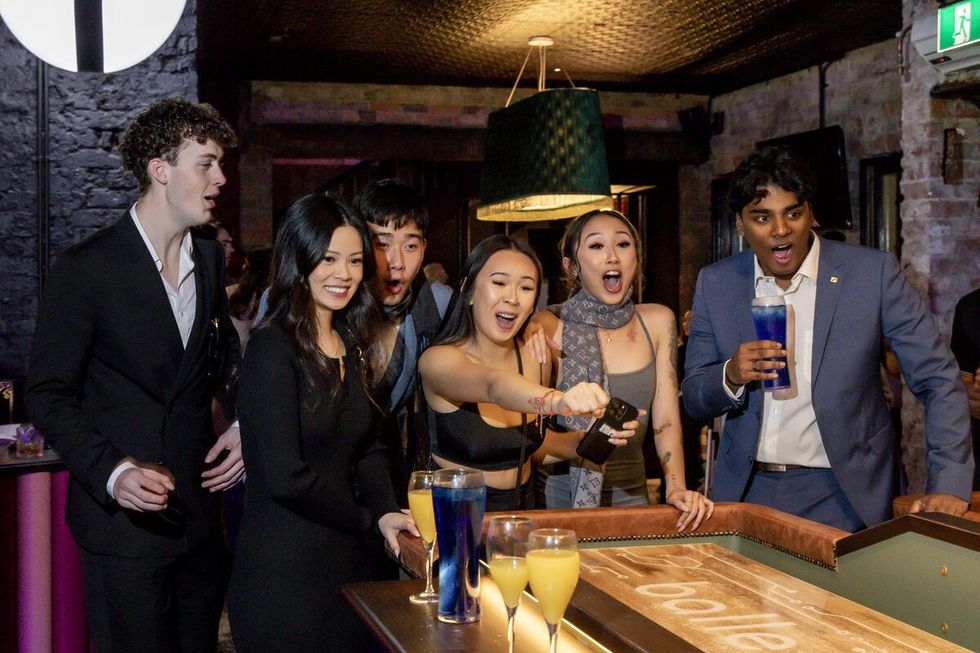 Ballers Clubhouse Carlton
 Ballers Clubhouse Carlton

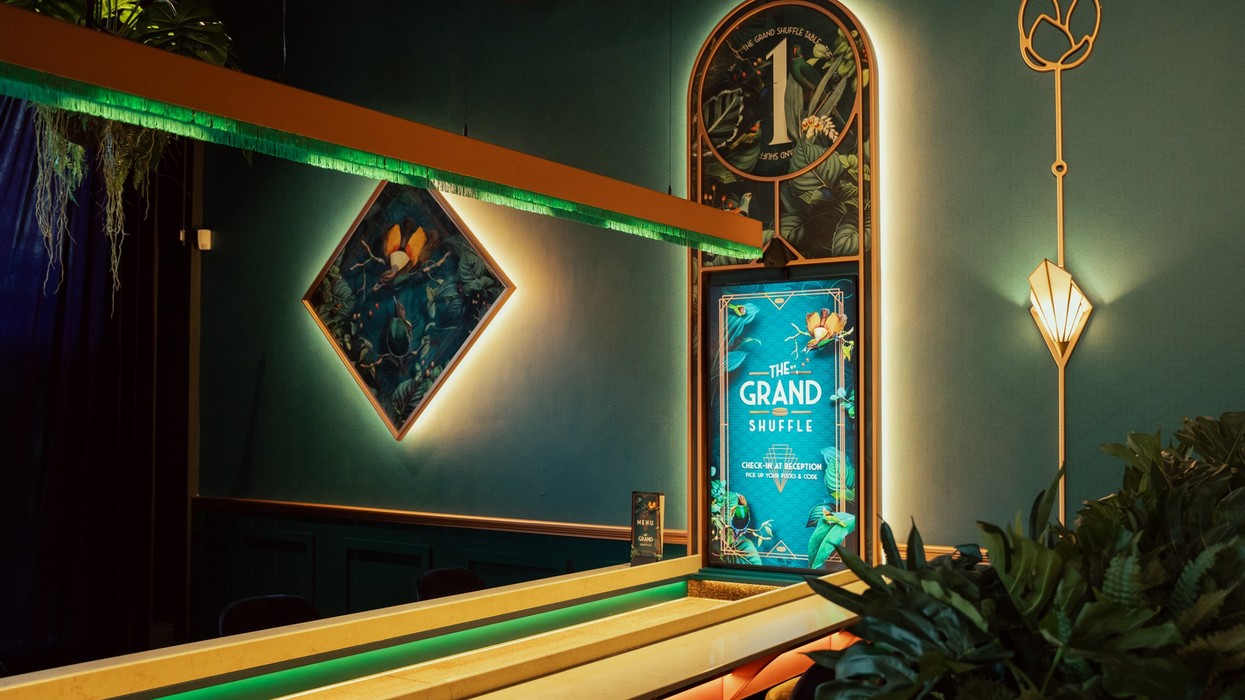






 Tom Lionetti-Maguire