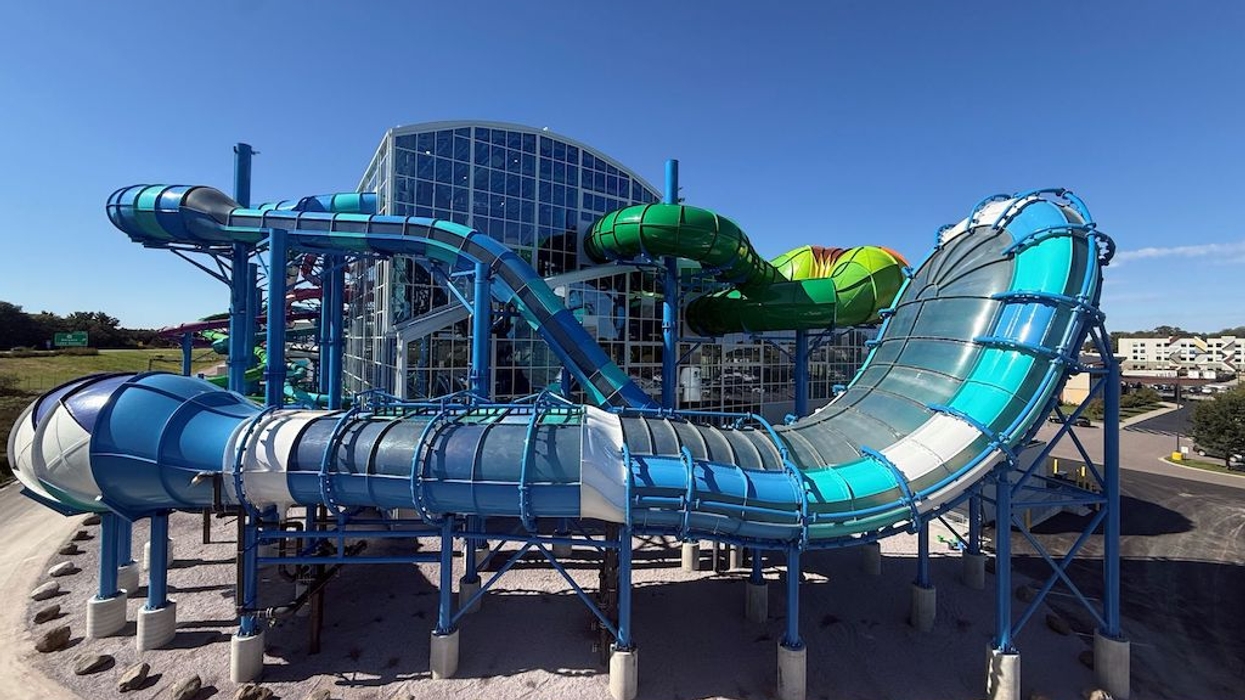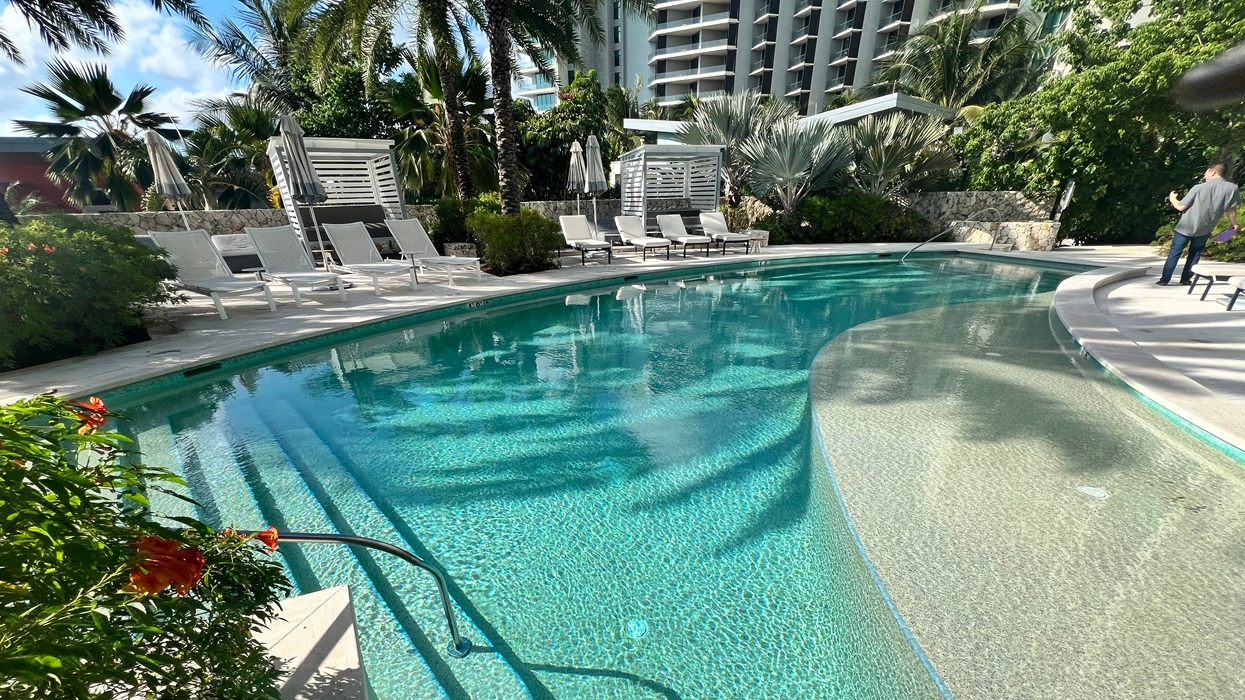

Cloward H2O, an expert in aquatic design, has provided an in-depth analysis of the key ozone system components, equipment specifications, and controls required to deliver optimised, efficient and low-maintenance performance.
Water quality is vital to the management of any recreational aquatic facility, such as community pools, waterparks, and aquatic centres. Clean, safe water safeguards swimmers' health and extends the lifespan of facilities and aquatic equipment.
By incorporating ozone as a secondary sanitiser within traditional recreational water treatment systems, operators can benefit from a more efficient, effective, and environmentally friendly approach.
"Ozone is a powerful oxidizer that neutralizes microorganisms (including pathogens which are resistant to chemical sanitizers) and oxidizes other contaminants far more effectively than traditional pool chemicals alone," says Allen Clawson, PE, principal and managing partner.
"When integrated properly, ozone systems reduce chemical consumption, improve water clarity, and help maintain a healthier swimming environment."
See also: Engineering ethics: responsibilities, boundaries, and professional integrity
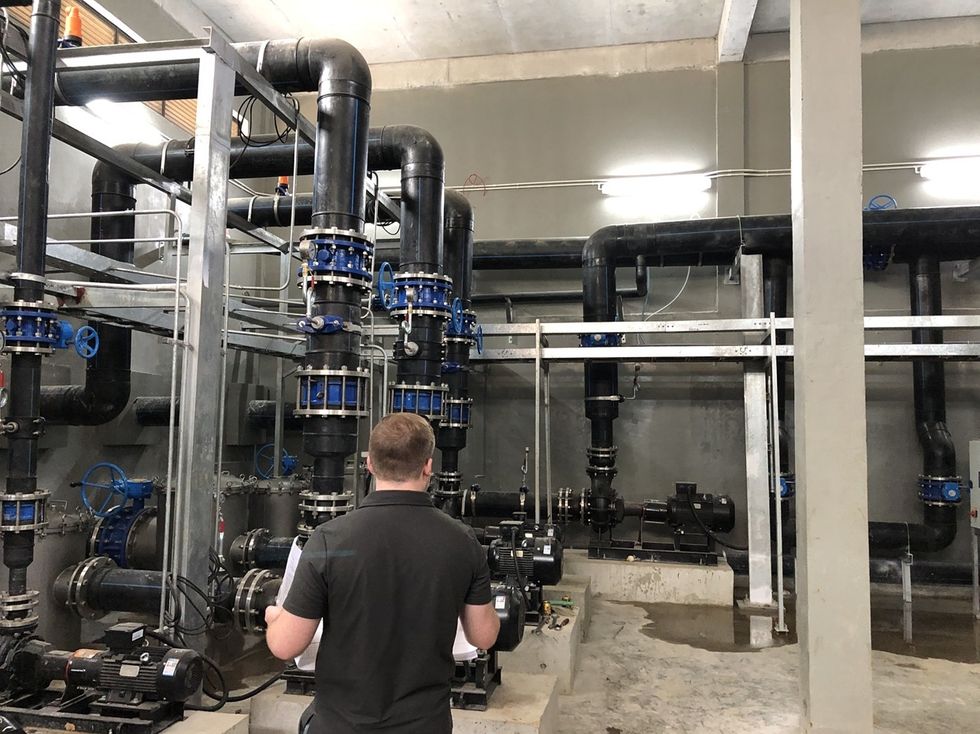 Ozone systems require proper installation that can be effectively monitored and controlledImage courtesy of Cloward H2O
Key components
Ozone systems add ozone gas into the water treatment process. The gas dissolves, and then breaks down harmful contaminants it comes into contact with.
These systems are made up of an ozone generator, venturi injector, contactor and degas valve, and an ozone destruct unit.
- The generator uses electricity to convert clean, dry air or purified oxygen into ozone. A wide variety of units are available with output from a few grams to several kilograms of ozone per hour at concentrations between around 0.5 and 10%.
- Ozone-containing gas from the generator is then transferred into the system by a venturi injector. This delivers optimal conditions for the gas to dissolve effectively. With correct installation and positioning, efficiencies of 95% or better are possible.
- The ozone is then mixed with the water in a contactor, and any undissolved gases (including trace ozone) are collected and vented via a Degas Valve.
- The undissolved gas enters an ozone destruct unit, which typically uses heat and catalytic materials to safely convert excess ozone back into oxygen.
These core components work together to maintain water quality. For optimal performance, it is vital that they are correctly sized and installed. In addition, they require a system of sensors and other control elements to ensure optimal performance and safety.
Monitoring and control
"An effective and efficient water treatment system depends on accurate monitoring and control," says Clawson.
"These instruments keep the operator informed about system performance, trends, and water quality parameters."
Much of this monitoring is handled by the ozone generator.
The generator typically monitors suction and gas flow to verify system performance. This enables the venturi injector, which requires flow and pressure in a specific range, to function properly.
The generator also monitors feed gas quantity and quality and shuts down if there is a problem to avoid damage to the generator. It also internally monitors its modulated high-voltage power supply to ensure performance and to allow the user to adjust the output.
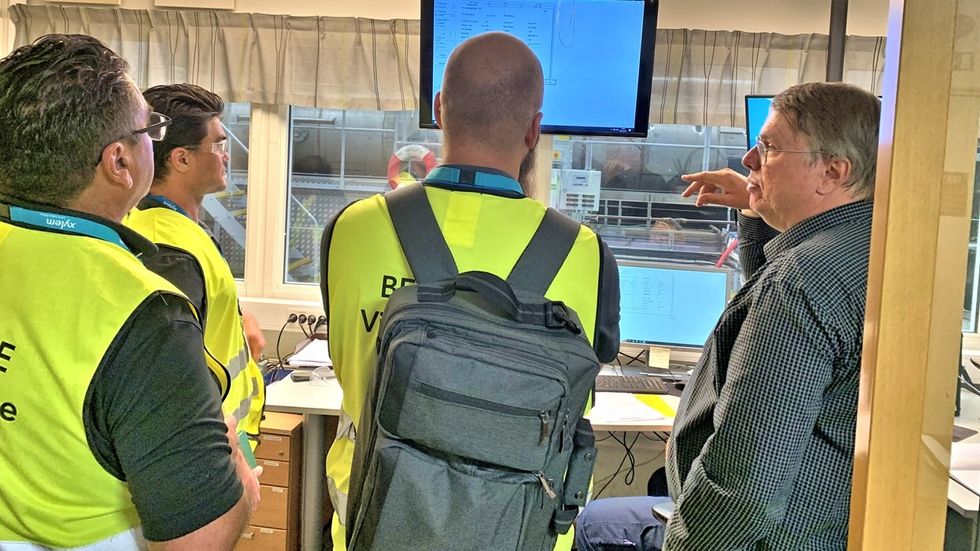 Chief tester Conny Larsson disusses the results of ozone system monitoringImage courtesy of Cloward H2O
Additionally, Oxidation-Reduction Potential (ORP) readings measure the level of oxidiser available to break down contaminants in the water. This allows users to determine if there is enough oxidiser for decontamination and disinfection.
Maintaining a high ORP level (usually between 650 and 850 mV for ozone-treated water) is vital for balancing water cleanliness with system efficiency.
"Regular verification of these instruments is essential to keep them functioning accurately," says Clawson. "Poor readings due to calibration issues can result in insufficient water treatment or excessive use of ozone, leading to increased operational costs."
System integrity
Efficient water treatment systems rely on dependable connections and the capacity to maintain, repair, or replace parts without causing system-wide disruptions.
A successful implementation requires the right piping components, with detailed equipment specifications that ensure all elements are compatible with the high oxidative nature of ozone, either in gaseous or aqueous form.
Prior to being dissolved in the water, gaseous ozone produced by the generator is extremely aggressive and will oxidise most plastic, metal, and rubber.
Where unavoidable, o-rings and gaskets must be made of high-performance perfluoroelastomer such as Kalrez (FFKM). Stainless steel (316) compression style fittings and Teflon (PTFE) tubing should be used.
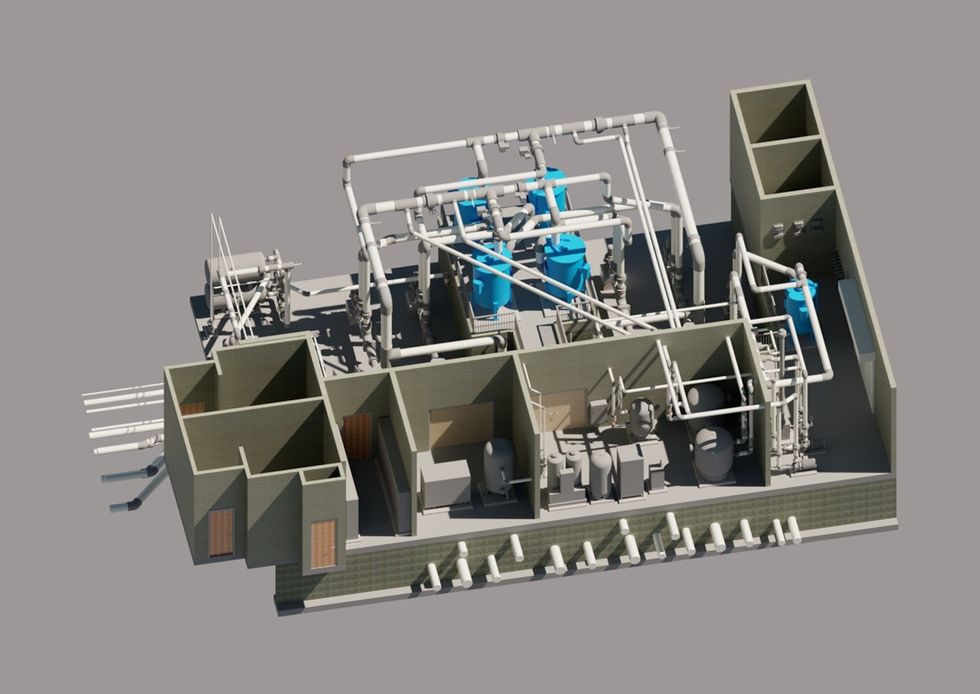 Efficient ozone systems require carfefully specified components and the ability to easily maintain, repair, and replace partsImage courtesy of Cloward H2O
Once ozone is dissolved in water, more common materials can be used safely. PVC or HDPE pipe and fittings are often specified for use with aqueous ozone in the concentrations used in pool water. Gaskets and o-rings should be Viton(FKM), with any metal components made from 316 stainless steel.
Furthermore, unions enable the de-coupling of system components for easier cleaning, inspections, troubleshooting, or replacements.
"In an ozone system, unions are typically installed at strategic locations like the inlet and outlet of ozone generators, venturi injectors, and other key areas," says Cloward.
"Valves can be used to isolate system components for maintenance, regulate flow to the venturi injectors, or control the release of ozonated water into the pool or other water features.
"Using high-quality, ozone-resistant materials ensures longevity and performance."
Promoting longevity
Regular preventive maintenance ensures the continued optimal function of an ozone system. Operators should always follow the manufacturer's recommendations for cleaning, maintenance, or replacing worn components.
Key considerations include:
- Ozone generator. Most modern ozone generators require minimal maintenance. Users should monitor the control systems and immediately address any faults as they arise. Many units have air filters that need to be cleaned periodically, depending on environmental conditions.
- Air/oxygen prep system. Air compressors and dryers will require regular replacement of seals and desiccant. Oxygen systems are typically self-contained and will operate trouble-free for many years, with only simple housekeeping required.
- Probes and gauges. ORP probes, pH sensors, and pressure gauges should be regularly checked to ensure they are free from biofilm or mineral deposits that can compromise accuracy, and cleaned at least monthly, depending on usage. Calibration should be verified after each cleaning.
- Fittings, valves, and seals. Ozone’s oxidising effects can slowly cause deterioration of exposed piping parts, especially if they are made of incompatible materials. Regular inspections are necessary to identify corrosion or damage. Any worn components should be replaced promptly to prevent system failure.
- Contact, degas and destruct. These components should be regularly checked for leaks and malfunctions, which could lead to ozone release into the facility, posing health risks to both swimmers and staff.
Efficient and effective
"Ozone systems offer significant benefits over traditional water treatment methods in recreational aquatic facilities," says Cloward.
"Not only do they reduce reliance on traditional pool chemicals such as chlorine and acid, but they also produce cleaner, clearer water that is healthier for swimmers and less damaging to equipment.
"By understanding and optimising key components, aquatic engineers ensure that the systems are properly sized, specified, installed, operated efficiently and effectively."
 The saltwater lagoon and water slide at the Grand Solmar Pacific Dunes Resort Golf & Spa in Mexico Image courtesy of Cloward H2O
Regular maintenance, timely calibration, and careful attention to equipment specifications are essential for the durability and effectiveness of an ozone water treatment system. Following these best practices enables facility operators to uphold high water quality while effectively managing operational costs.
In the continually evolving field of aquatic engineering, a thorough understanding of ozone components can enhance the performance of water treatment systems and build a reputation for high-quality water management.
Last month, Cloward H2O shared insights into the hidden engineering in modern aquariums, with life-support systems, water-quality management, structural design, and operational resilience combining to create healthy environments for aquatic species while delivering unforgettable experiences for guests.