
IAAPA Expo Europe 2026 will bring together an industry focused, quite rightly, on what comes next: new rides, new technology, new attractions and new ways to entertain.
But alongside the search for the next big thing, there is another significant opportunity for attraction owners and cultural destinations alike: making more of what audiences already love.
The brands, heritage, stories, worlds and collections behind successful attractions are often underutilised. Retail, hospitality and other commercial experiences can unlock more of that value — creating more ways to engage, more reasons to stay and more quality time together in places and worlds people already love.
The attractions industry is exceptionally good at creating extraordinary headline experiences. Huge amounts of creativity, investment and expertise go into the ride, the show or the main event.
The same is true of museums and cultural destinations, where enormous care goes into collections, interpretation, exhibitions and storytelling.
Yet visitors do not experience a destination in departmental silos; they experience the whole place. They remember where they ate, the shop they discovered, the drink they had afterwards, the atmosphere of the spaces between experiences, the hotel they stayed in and the object they took home.
Those moments can be purely functional, or they can become part of the experience itself. Increasingly, I think some of the most interesting opportunities lie in giving those parts of the visitor journey the same creative ambition as the headline attraction, exhibition or cultural experience.
The experience shouldn’t stop when the ride does
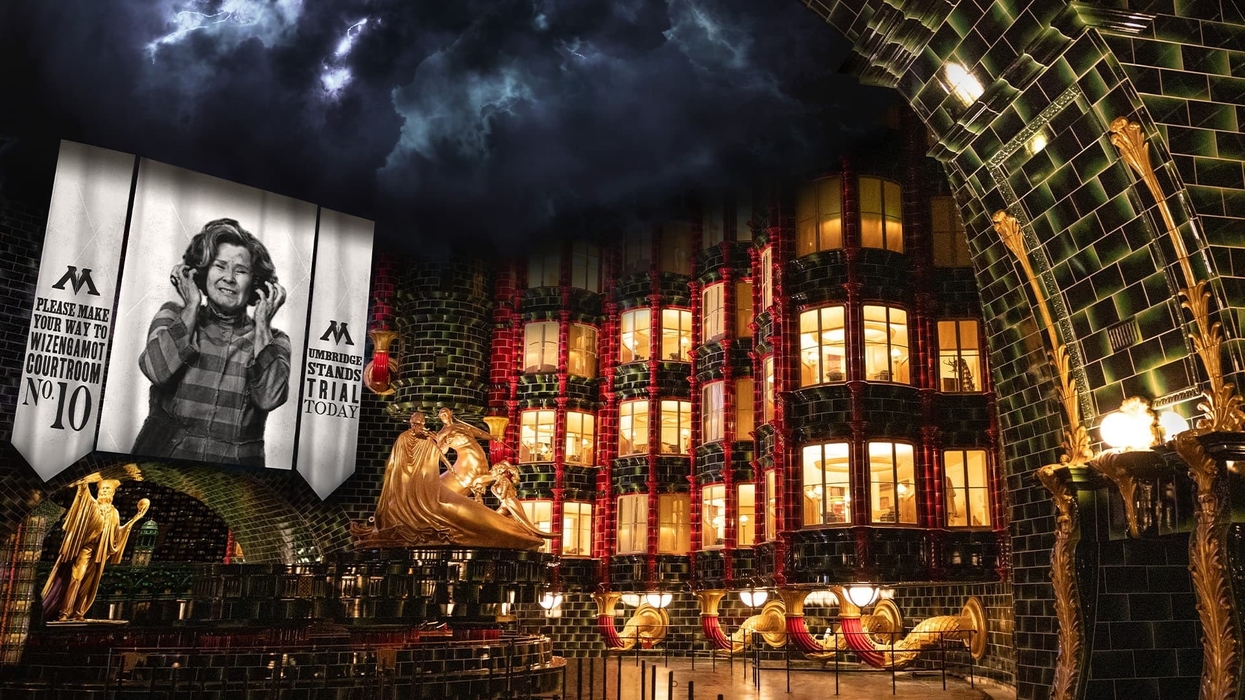
Universal has demonstrated this particularly well through its Harry Potter attractions.
The magic of entering those environments isn't confined to the rides themselves; eating and drinking, shopping, and exploring bustling wizarding streets are fundamental parts of entering that world.
Butterbeer is not simply a beverage concession, and the shops are not conventional theme park retail with Harry Potter merchandise layered over them. They help make the fictional world feel tangible.
The commercial experience works because it has been given the same level of creative consideration as the attraction around it.
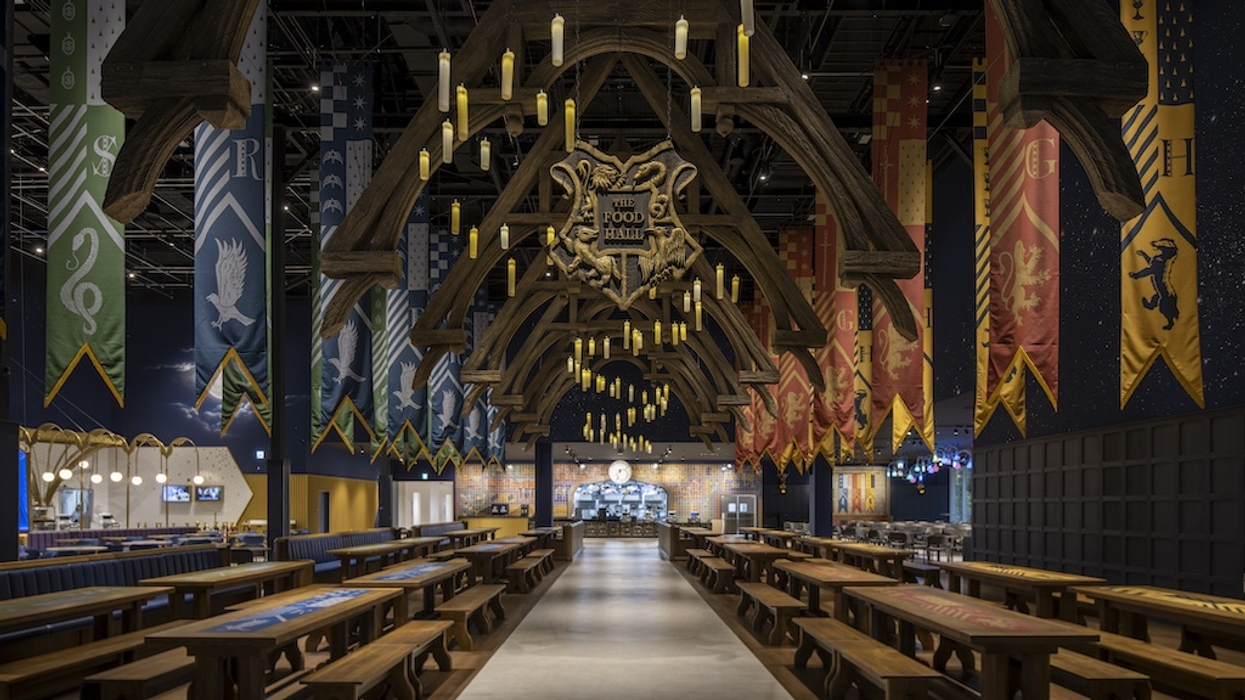
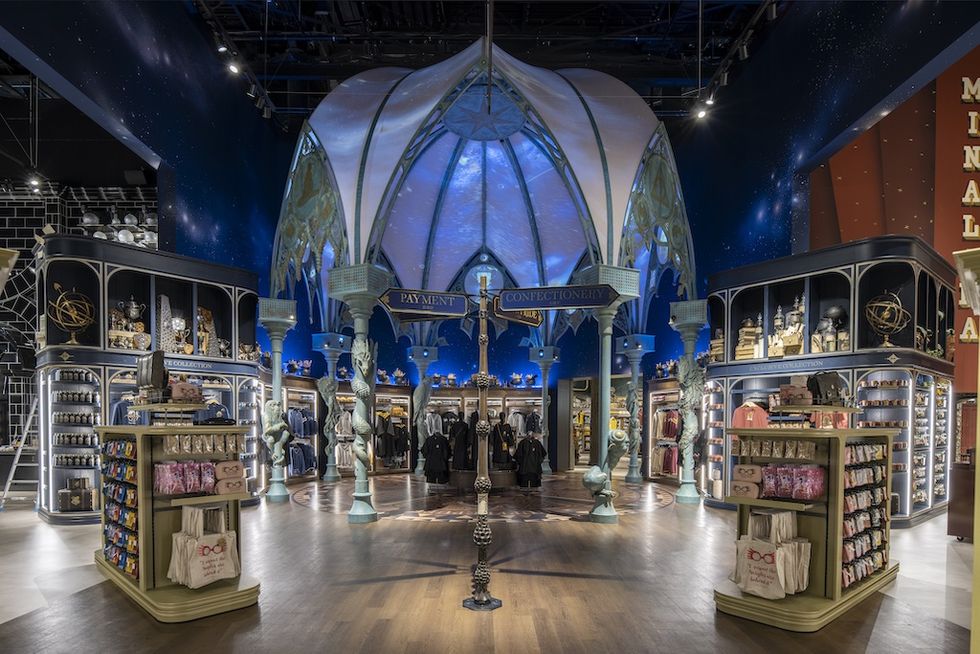 A shop can be an attraction in its own right, as exemplifed by the retail offering at Warner Bros. Studio Tour TokyoImage credit Irwin Wong Photography for Warner Bros. Studio Tour Tokyo and Lumsden
Encouragingly, we are seeing a real shift across the industry, with more operators recognising that retail, hospitality and other commercial spaces can be integral to the experience rather than simply where revenue is generated afterwards.
But that thinking is not yet universal, and there is still considerable opportunity to close the gap between the creative ambition invested in the core attraction and the experiences that surround it.
At the best destinations, creativity and commercial value are closely connected. A restaurant can be part of the attraction. A shop can become a destination in its own right. A hotel can extend the story. A product can keep someone connected to an experience long after they leave.
Commercial confidence, to me, is not about finding more opportunities to sell things to visitors. It is about having the confidence to treat retail, food and beverage, hospitality and other commercial experiences with the same creative ambition as the primary attraction or cultural experience.
Done well, the result can be better commercially precisely because it is better creatively.
How far could the experience go?
For any operator developing a new attraction, exhibition or visitor experience, there is a valuable question to ask early in the process: how far could this experience go?
If you are creating an extraordinary attraction or exhibition, how many diverse and unexpected ways can visitors engage with it?
The opportunity is to think beyond the core experience and imagine a richer world around it. For instance, a restaurant that offers its own unmissable experience and theatre. Or a showstopping retail destination filled with irresistible, original products that feel inseparable from the story and give visitors something they genuinely want to take home.
Or a hotel or other accommodation that lets guests truly live in the world they love, supported by bars, events, and other experiences that give them even more ways to spend time with that brand, place, or institution.
Together, these experiences can deepen the relationship with audiences, extend the life of the visit and create entirely new reasons to return.
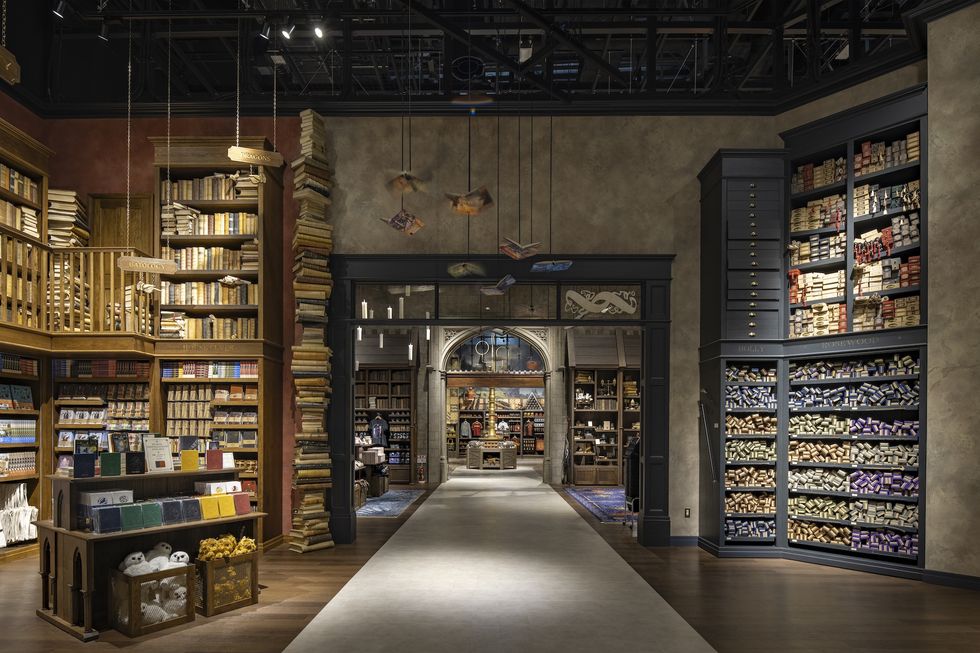 The retail offerings at the Warner Bros. Studio Tour add another way for fans to be immersed in the world of Harry PotterImage courtesy of Lumsden
We have seen this evolution clearly with Warner Bros. and the Harry Potter brand. The Warner Bros. Studio Tour in London created a new way for fans to engage with the filmmaking story behind Harry Potter.
That model has since expanded to Tokyo, with a third Studio Tour now being developed in Shanghai.
At the same time, the brand has grown through international flagship retail destinations, bringing immersive retail and hospitality experiences into major cities and giving fans new ways to connect with a world they already love.
The experience no longer has to exist only within the gates of a theme park or visitor destination; the same story can support different formats, places, and reasons to visit.
But this is not only about globally recognised entertainment IP.
Some of the most powerful visitor experiences are built around authenticity rather than franchise. Puy du Fou is a compelling example.
Its strength lies in taking history, place and storytelling seriously and building a destination around them with extraordinary theatrical ambition. The attraction is not simply a collection of shows; it creates a complete sense of place and world, with hospitality, environment and experience all contributing to the story.
That same principle applies just as strongly to museums and cultural destinations.
A museum may not own a fictional world, but it has something equally valuable: a collection, a point of view, a body of knowledge, a cultural role and often a remarkable story of its own.
From attraction to destination
This also reflects a wider shift in what audiences expect from leisure.
People increasingly want destinations where they can spend meaningful time together — eating, drinking, exploring, shopping, socialising and being entertained. The boundaries between attraction, hospitality, retail and culture matter far less to the visitor than they do to the operator.
The growth of destination resorts is one expression of this, while the cruise industry offers another useful example.
Disney Cruise Line shows what happens when entertainment, storytelling, hospitality, food and beverage, retail and accommodation are conceived as parts of one experience. Guests are not simply moving between attractions; they are spending several days immersed in a world.
The lesson is not that every attraction should become a resort or that museums should behave like theme parks. It is about considering the visitor journey as a whole and recognising that the more complete and coherent the experience becomes, the more opportunities there are to deepen the relationship with the audience, increase dwell time and encourage repeat visits.
For established attractions and cultural institutions, that can mean looking again at the stories, heritage, collections and brand they already have. For new attractions and exhibitions, it is an opportunity to think more expansively from the beginning.
Commercial should never mean generic
There can still be understandable nervousness around commercialisation, particularly within museums and cultural destinations. But commercial success and integrity are not opposing forces.
At its best, a museum shop can extend curiosity beyond the gallery. A café or restaurant can express something about the identity of an institution.
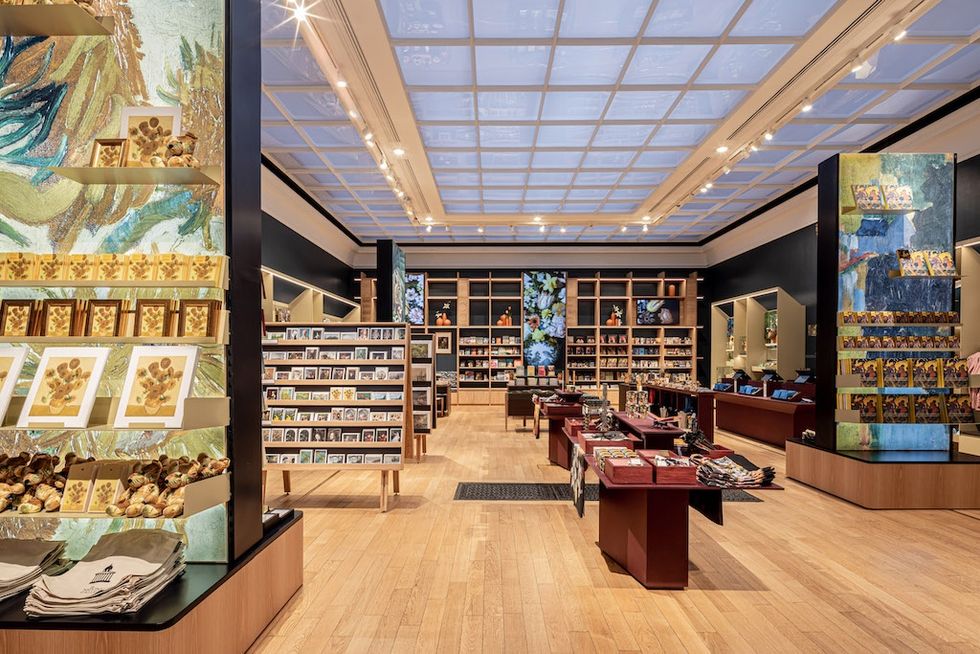 Lumsden designed the National Gallery shop to extend the experienceImage courtesy of Lumsden
A beautifully designed product can continue a relationship with a story long after the visit, while a hospitality offer that is good enough to attract its own audience can bring people into a cultural destination who may not otherwise have walked through the door.
The problem is not commerce; the problem is generic commerce. If a shop, café or restaurant could be lifted from one attraction and placed in another without feeling out of place, then an opportunity has probably been lost.
The strongest commercial experiences feel inseparable from their destination because they are rooted in the same story, history, brand or point of view.
See also: From wizards to the natural world: innovation in retail and F&B
Making more of what people already love
None of this means every attraction or cultural destination needs more retail, more restaurants or more commercial space.
The starting point has to be the audience: why people have chosen to come, what they love about the story, brand, collection or place, and what might give them another reason to stay or return.
This is why these conversations are most valuable when they happen early.
If retail and hospitality are considered only once the main attraction, exhibition or building has been designed, their role is inevitably constrained. When they are part of the creative conversation from the beginning, they can help shape a much more coherent and rewarding visitor journey.
So as the industry gathers in London this September, perhaps the question is not only what should we build next, but how much more could we make of what people already love?
James Dwyer will attend IAAPA Expo Europe 2026 as part of the Experience UK delegation at the UK Pavilion, booth #S837