
In the themed entertainment industry, we are conditioned to celebrate the singular creative voice and the monumental vision; from bold spectacle comes big personality.
But as project complexity and stakes grow, a different truth emerges: The most successful experiences aren’t built on ego. They are built on clarity, inspiration, confidence, and trust.
When Cuningham officially opened our Orlando office in 2025 after more than 35 years of delivering world-class entertainment experiences across the region, we did so with a deliberate commitment to the firm’s low-ego culture, deemphasizing individual credit in favor of collective project success.
We cultivate this cultural approach because the evidence is clear: when a design team prioritizes the project over the person, it doesn’t just create a more pleasant client/designer relationship—it is also a natural risk-mitigation strategy for owners and their assets.
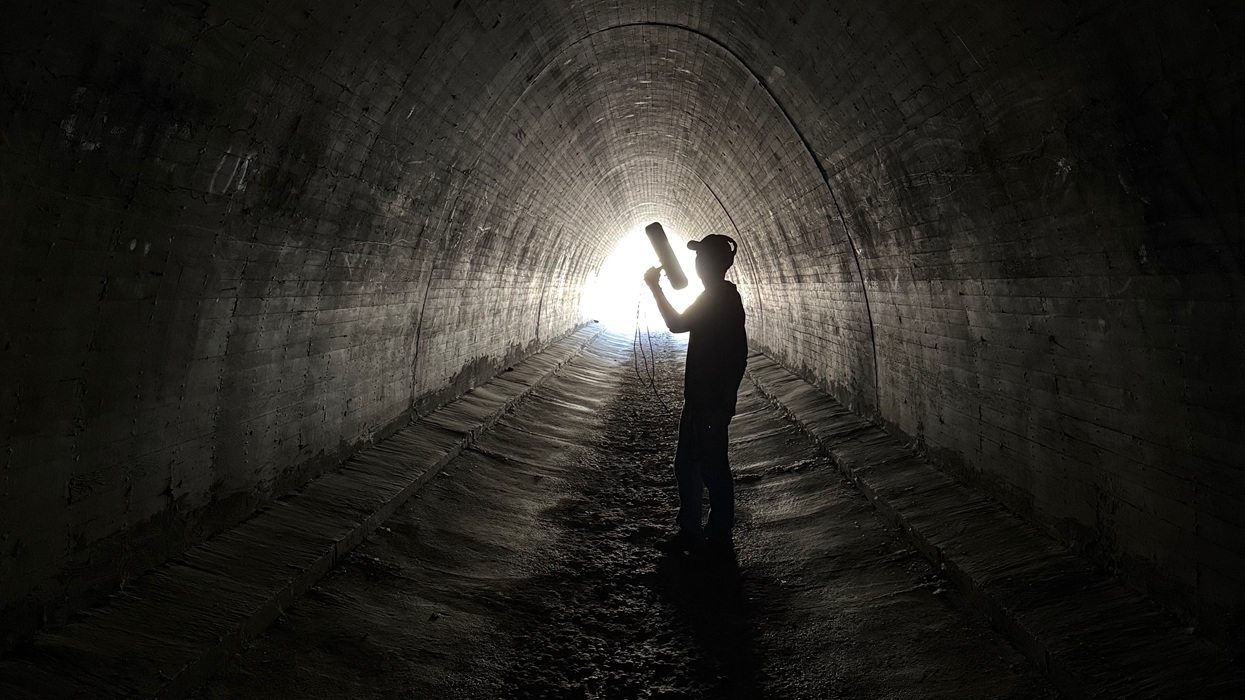
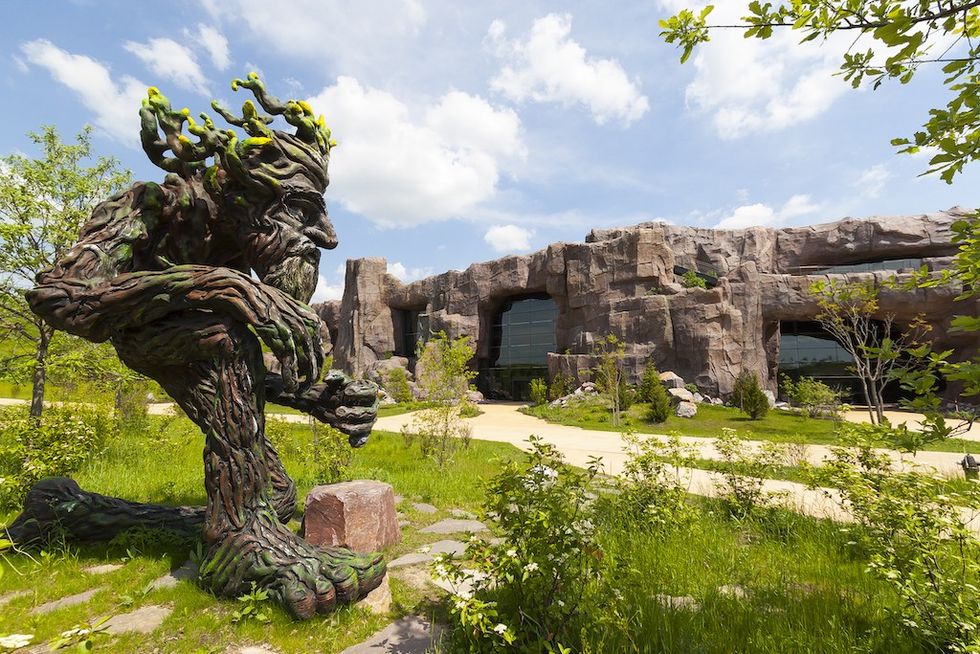 Epic Learning Campus Deep Space Auditorium, Madison, Wisconsin
Here are three ways a low-ego mindset directly elevates a project’s outcome, particularly within the high-stakes world of themed entertainment.
1. Mining constraints for value
In our industry, architects often treat real-world constraints as obstacles to be designed around.
In an ego-driven model, challenges like environmental regulations, strict zoning codes, or fluctuating material costs are viewed as threats to an inflexible creative vision.
However, when a team operates with pragmatic, egoless creativity, those constraints become not barriers, but momentum.
By fostering a culture where a junior designer feels empowered to suggest a lower-cost material alternative that actually strengthens the narrative or a contractor can easily flag a supply-chain issue during the schematic design phase, the design becomes more robust and more likely to adapt to real-world challenges.
Ultimately, this means delivering the experience the owner set out to build. In other words, the advantage of working with a low-ego design team is simple: they don’t have to choose between an inspiring design and a feasible one.
See also: How Cuningham creates enduring value through play, storytelling & collaboration
2. Architecture as experience, not monument
There is an inescapable truth to the experience economy: an owner’s ROI hinges on their space's ability to tell an immersive, engaging story.
In Central Florida, where I live and work, this is especially true. Whether it's a new dining and entertainment district or a themed land at one of the region's marquee parks, the space must build an immediate sense of wonder.
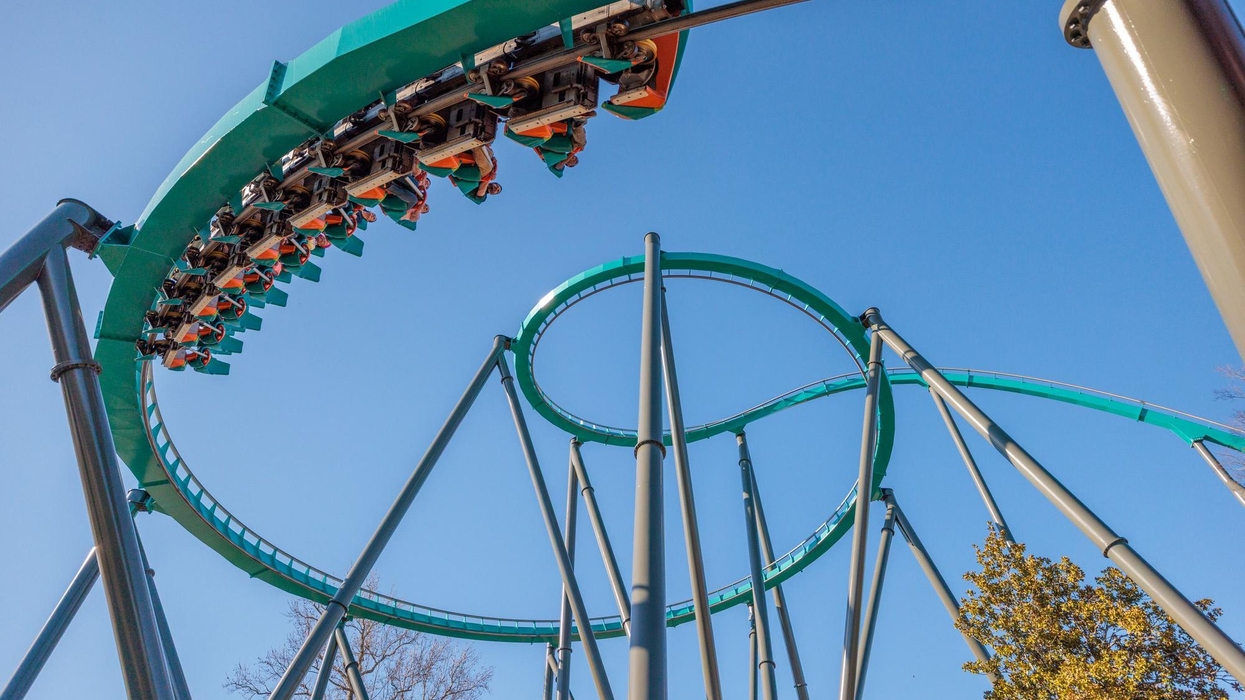
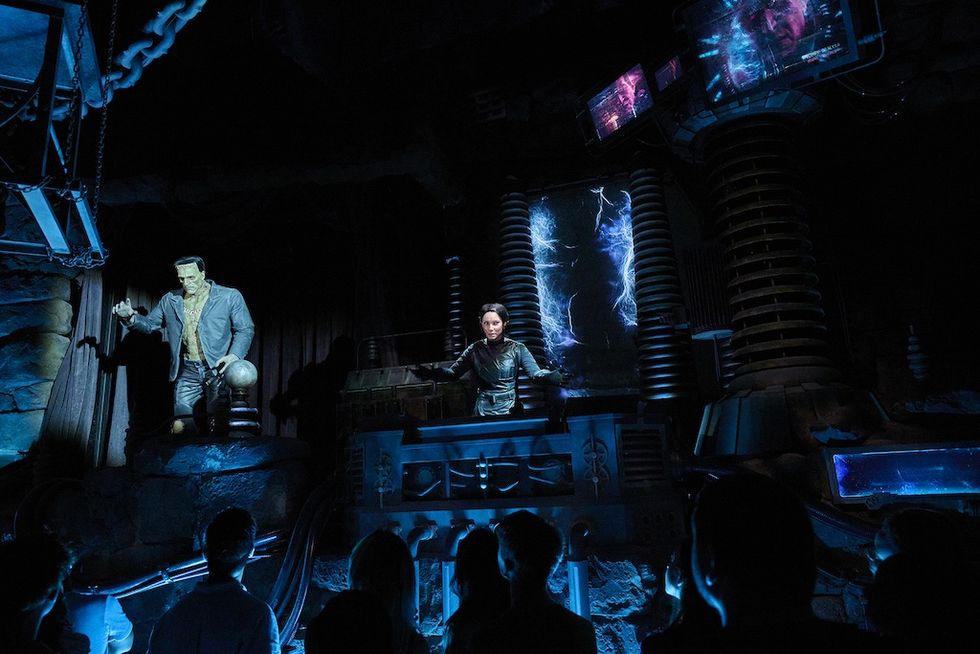 Monsters Unchained at Universal Epic Universe in Orlando, Florida
So when a design team checks their personal agendas at the door, a team’s focus shifts from "How does this look in our portfolio?" to "How does this feel to the guest?"
Authenticity isn't decoration; it’s the impact felt when a family enters a themed entertainment space, and the outside world falls away, signaling that their vacation has truly begun.
This leads to better guest reviews, higher repeat visitation, and a lasting legacy for the community.
3. Adaptability is faster than being "right"
The most dangerous moment for any project is when things "go sideways" during design and construction. Ego-driven teams tend to become brittle under pressure; they look for who is at fault rather than what the solution is.
Conversely, a low-ego culture relies on the ability to set aside "authorship" to protect the shared vision. When a team isn't competing for credit, they are faster and more adaptable. Problems are solved rather than offloaded onto others.
This fluidity keeps the project moving toward opening day, ensuring that the vision the owner invested in is the one that actually gets built.
For example, we recently navigated a contentious moment where a project’s narrative ambitions began to outpace what could feasibly be built.
A key experiential element central to how the story of the place was meant to unfold proved difficult to translate into the physical constraints of the site.
Rather than being prideful and digging our heels into the original concept, our team brought the owner and all stakeholders together right away. The conversation shifted from preserving an idea to understanding what truly mattered in the story and where flexibility existed.
Within 48 hours, we reframed the approach, shaping a solution that maintained the emotional arc and guest experience while grounding it in something buildable. It not only resolved the tension but also reduced uncertainty for the owner.
Where ego ends and experience begins
In an industry defined by ever-increasing complexity and shrinking margins for error, we’ve found that being a “no-ego” architecture and design firm is crucial for delivering the bold experiences that define modern themed entertainment.
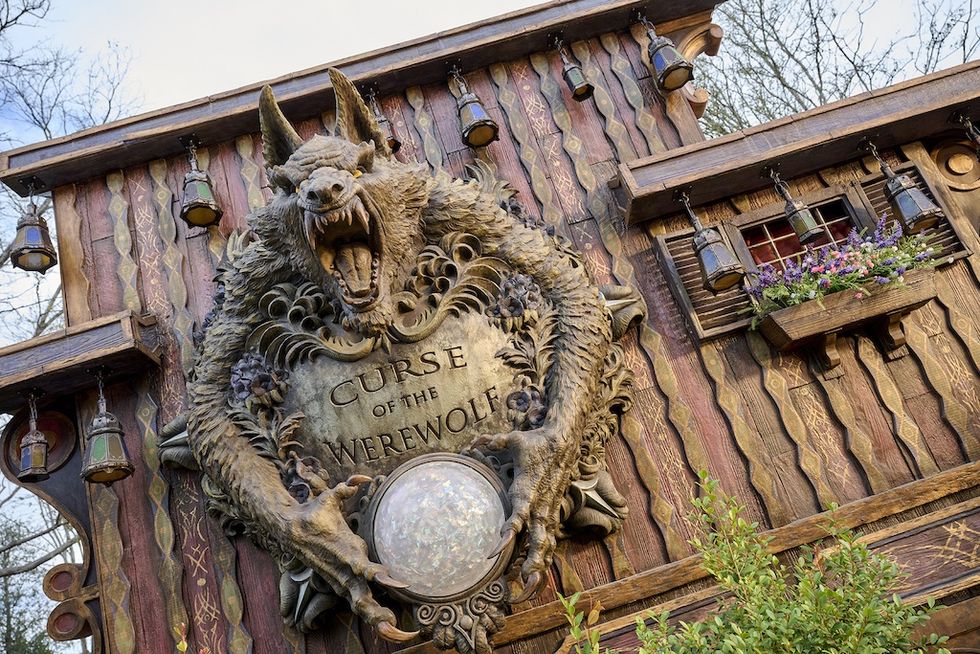 Curse of the Werewofl at Universal Epic Universe in Orlando, Florida
Our physical presence in Orlando reflects this belief that great design is never the product of one person. Rather, great design is the result of many voices—architects, interior designers, clients, and contractors—working together with curiosity and humility.
In the end, the built experience is the only thing in the room that matters.