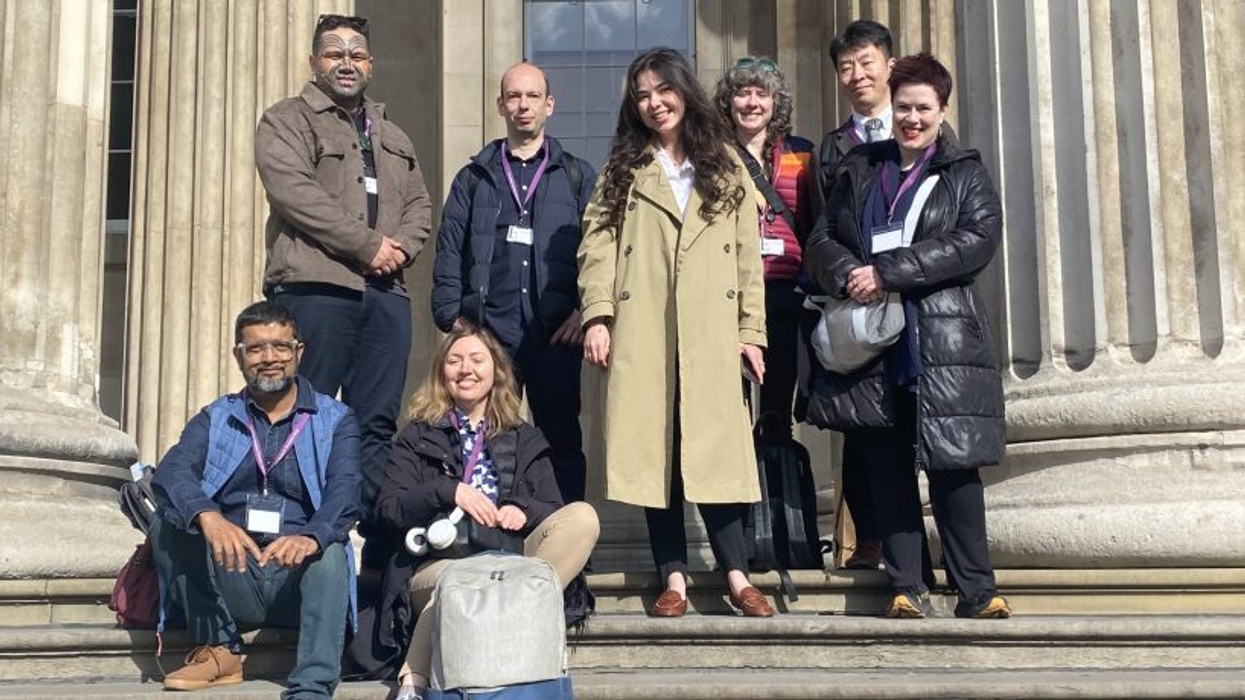
For today's museums, the demand for exceptional, immersive, and meaningful visitor experiences is greater than ever, yet organisational resources to carry out these ambitious projects are often dwindling.
This is where Museum EXP, a firm specialising in planning, strategy, and project management, fills a crucial niche.
Acting as an extension of the internal team for institutions ranging from children’s museums to major science centres, Museum EXP combines practical realism with high-level creative strategy and execution.
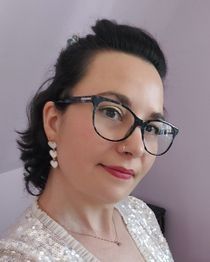
To understand the company’s philosophy, methodology, and sector impact, we speak with CEO and principal Cynthia Brown and principal Sarah Lima.
They highlight how their approach directly addresses museum professionals' challenges and priorities, emphasising the importance of defining a clear 'North Star' in exhibition development and aligning expectations of how the project unfolds.
Bringing in-house expertise
 Cynthia Brown
Museum EXP was founded in 2019, based on observations by Brown and her co-founder, John Shaw. As seasoned industry veterans, they observed a worrying decline in technical skills across the sector.
“We were longtime museum collaborators,” says Brown. “We both worked at collaborating organisations over the years, and we became each other’s sounding boards and friends. We came together in 2019 because we were seeing gaps in the overall museum industry.
"A lot of in-house development, design, and project execution departments within museums were evaporating or being outsourced, and we feel strongly that in-house expertise is really important to the sustainability and ecosystem of museums."
The firm was founded specifically to bridge that divide, ensuring that, even as permanent staff numbers fluctuated, the quality of the visitor experience remained high, with the organisation receiving the most value from its project budget.
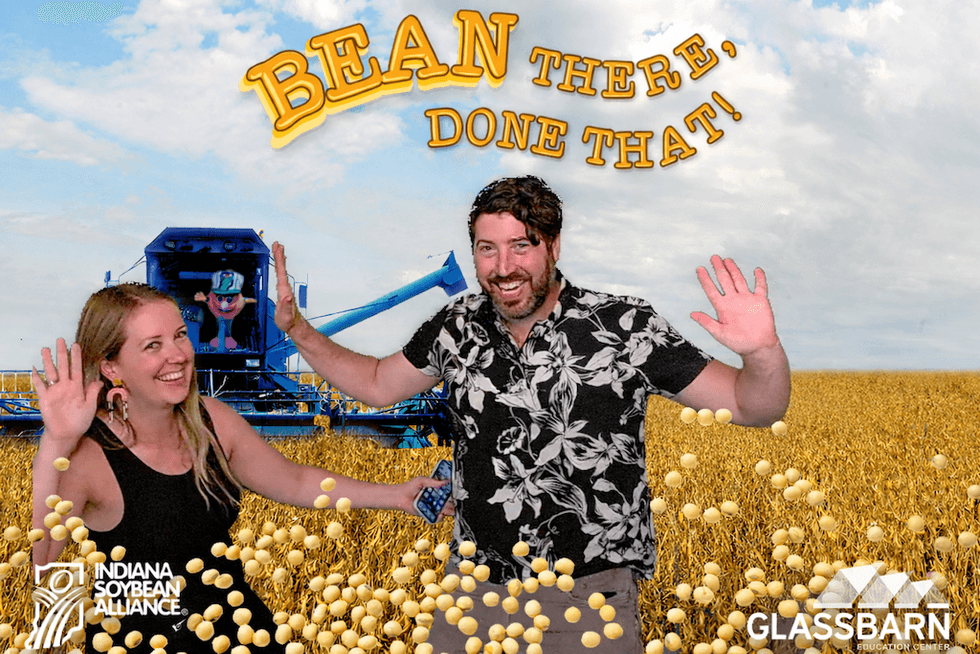
“I can honestly say it’s been nothing but fun and deeply fulfilling,” John Shaw says, reflecting on founding Museum EXP with Cynthia Brown in 2019. “Working this way—helping our museum colleagues shine—means everything."
"When we founded Museum EXP, it was specifically to fill that gap. We’re a project-management-based firm with strong experience in exhibition development and execution, and project management takes many different forms in the museum world.
"We think about the full cycle of exhibition development and what’s needed not only for museums to get an exhibit the public loves, but also one that in-house staff really loves too."
Working side-by-side with museum teams
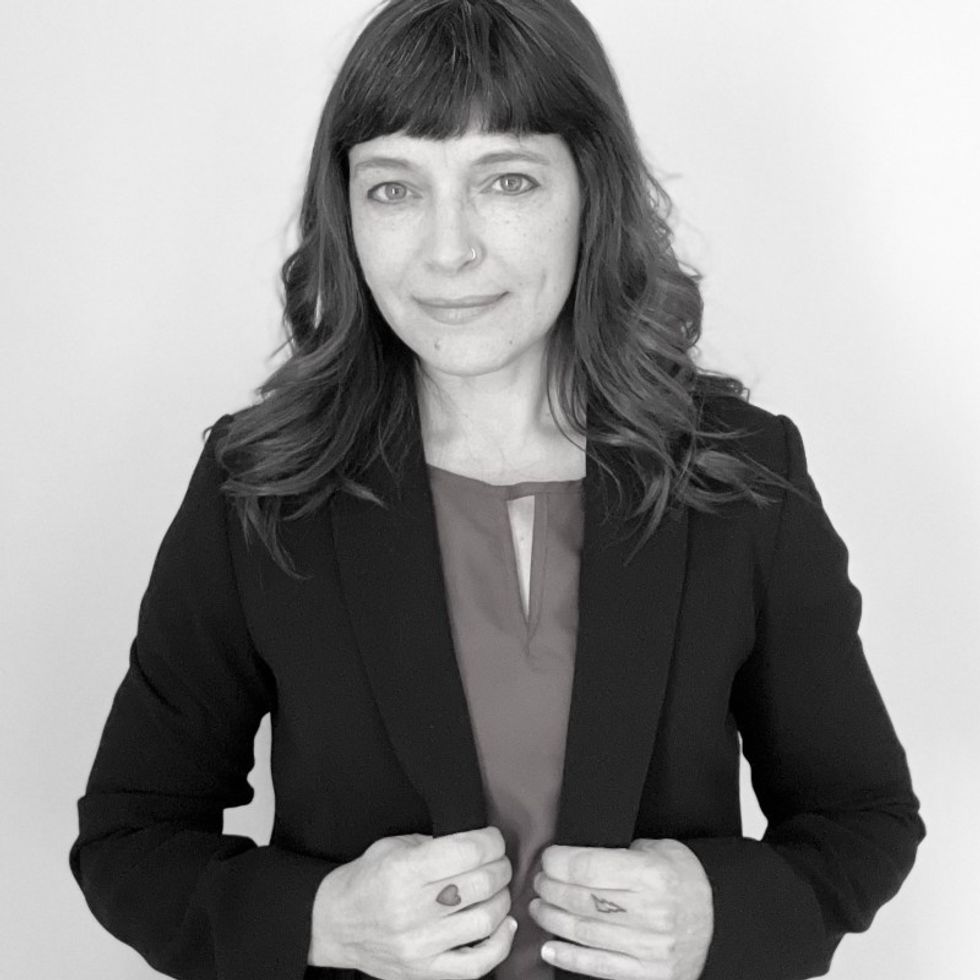
Sarah Lima
One of the main challenges museums face today is not a shortage of ideas, but a lack of clarity on how to implement them while managing competing priorities.
Addressing this tension is where Lima sees the firm’s role as distinct from traditional consultants. Museum EXP is not just project managers; they are process guides, she explains:
"We’re effectively navigational experts. We think a lot about navigation and creating a North Star for the teams we work with. Some museums have large-scale projects as part of their DNA and do them repeatedly, but many have a chance to do this maybe once in their lifetime.
“It can feel like a lot of pressure; exciting, but fraught with anxiety."
This pressure frequently impacts staff members who weren't specifically hired for large-scale capital projects. Brown describes a common situation in the non-profit sector: the "volun-told" project leader.
"Often people are volun-told that they’re now owning the success of a massive project," Brown says. "They look at their resources and say, 'We absolutely won’t be able to make this happen.' Sometimes they’re just starting fundraising or a capital campaign."
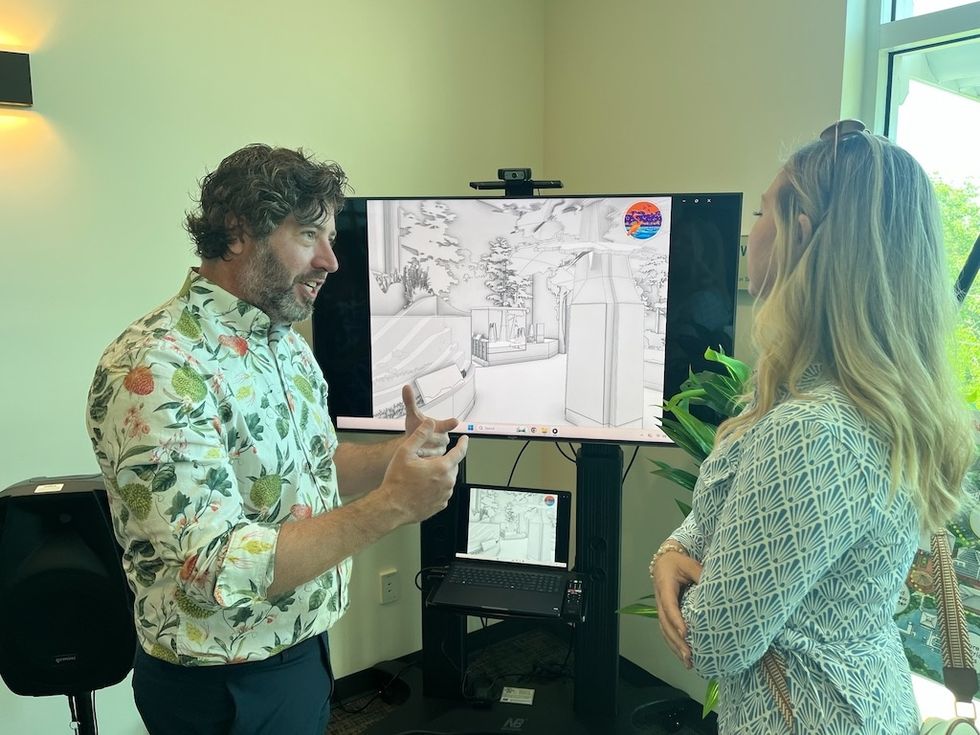
John Shaw supports the Conservancy of Southwest Florida as they embark on the John and Carol Walter Nature Experience
In these high-stakes moments, the Museum EXP strategy is to pause and evaluate before jumping into design.
"One thing we emphasise is that you don’t have to have all the answers right away. It’s about identifying the resources you have, the resources you need, and what is needed to get to that first milestone," says Brown.
"There are many people—internal staff, community members, and outside contractors—who can help move things forward. First and foremost, it’s understanding what you’re really trying to do and what resources you can leverage."
Lima adds that this alignment is crucial for morale as much as it is for logistics.
"Creating a shared sense of purpose gives people a reason to understand what they’re all here to do. We help teams see where their instincts and lived experience will really serve them, and where there are unknowns to consider.
“We’re a trusted party who helps projects be as ambitious as they want to be, pushing beyond internal comfort levels in service of something excellent."
Putting together the right teams
The firm’s operational model is designed to be adaptable. Instead of enforcing a strict external structure, it integrates smoothly into the existing hierarchy. As stated in its mission, Museum EXP acts as "an extension of your museum’s exhibits department."
This is achieved by assembling bespoke teams for each project that amplify the strengths of each institution's existing staff.
Working with a network of accomplished museum professionals, the firm curates a team of designers, fabricators, collections managers, scientists, curators, historians, and technical specialists to ensure an elite team is assembled for each exhibition project.
Working on behalf of a museum team can take many forms, from managing complex project teams for major renovations or new buildings, such as the North Carolina Museum of History or the Hilton Family Holocaust Education Center, to reimagining galleries, as in Frost Science or the Golisano Children’s Museum of Naples.
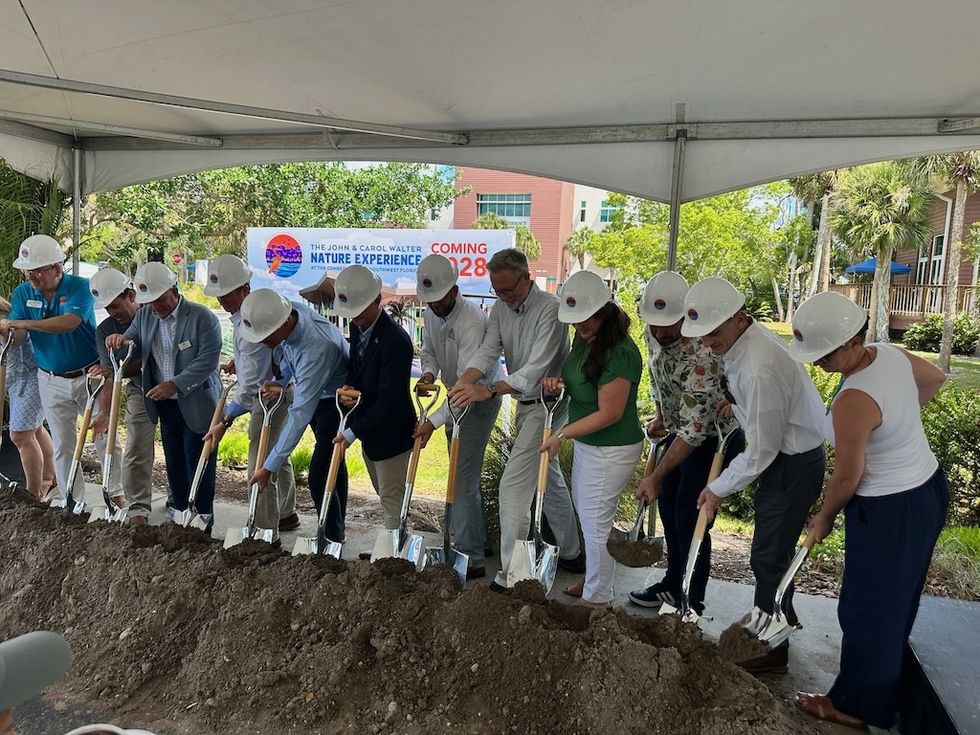
Museum EXP is helping guide the John and Carol Walter Nature Experience project from early vision through key milestones, from groundbreaking to its anticipated opening in 2028
Brown says that they view the client relationship as a partnership rather than a transaction:
"We don’t see projects as a relay race with handoffs. It’s a continuum. Sometimes it’s straight project management, sometimes creative is layered in. Sometimes clients say, 'You know our standards—take it and run with it.'
“We’re a firm built on trust, and we bring solutions we believe will help each project and organisation in the long-term."
Lima says the company’s internal culture is one of "proudly geeky generalists," a trait that allows the team to adapt to the specific needs of a science centre one week and a history museum the next.
"If we can fill a gap efficiently as an extension of a client’s team, that’s great. But we’re also connectors. We think carefully about whether we’re the right fit or whether another party is better. Bringing the right people together is one of the most vibrant parts of our job."
This flexibility is evident in Museum EXP’s varied portfolio, featuring art and history exhibitions, children’s museums, and science museums.
Making sure the goals are defined
Before a single interactive is designed or a wall is painted, Museum EXP insists on a rigorous discovery phase.
"We like to get stuck in the academics and defining goals before moving to the fun, creative stuff," Brown says.
"What are we really trying to do? Are all stakeholders articulating the project goals in the same way? How are we looking at resources, and can we see them as opportunities rather than constraints?"
This discipline stems from the founders' extensive experience in travelling exhibitions, a sector that often operates under strict timelines and even tighter budgets.
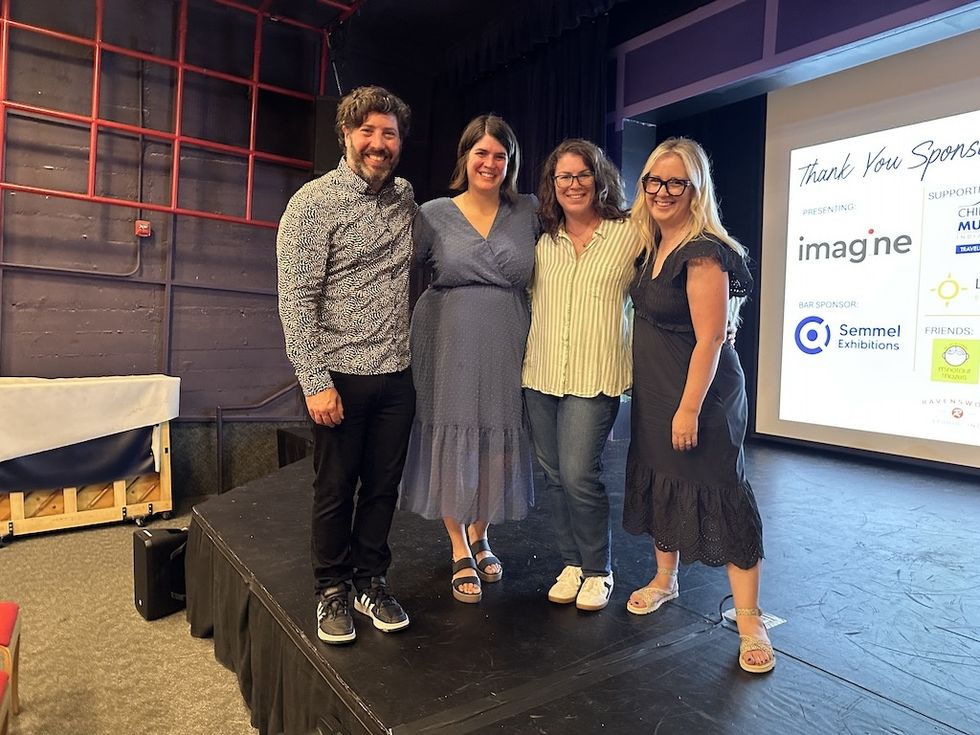
Museum EXP team members John Shaw, Laura Geake, Rivah Winter, and Cynthia Brown host the TREX Traveling Exhibition Forum at the Association of Science and Technology Centers Annual Meeting—one of the many ways they give back to the exhibitions community
"Budgets and schedules are fixed, so you move quickly and nimbly. We define the sandbox, use constraints as design opportunities, and get a clear picture of what we’re trying to do and how to move forward efficiently," says Brown.
Once the "sandbox" is defined, the team can unleash their creativity within those boundaries.
"Once educational and experiential goals are defined, the avenues for execution are infinite. We love the brain-flexing challenges: complex interactives, seemingly opposing stakeholders, translating high-level science for fourth graders."
Creative vs. operations
A recurring issue in museum design is the divide between creative vision and operational reality. Designers envision complex mechanisms; operations teams focus on maintenance.
Because Museum EXP’s principals have worked in museums, they have a strong understanding of what the floor staff actually needs to be successful.
"We know what it’s like when an exhibit is down on a Saturday afternoon or when a school group descends," says Brown. "We think about the full cycle, things like visitor flow, facilitation, caregiver interaction, maintenance needs, and the overall museum ecosystem.
"That boots-on-the-ground experience gives us a practical approach to execution."
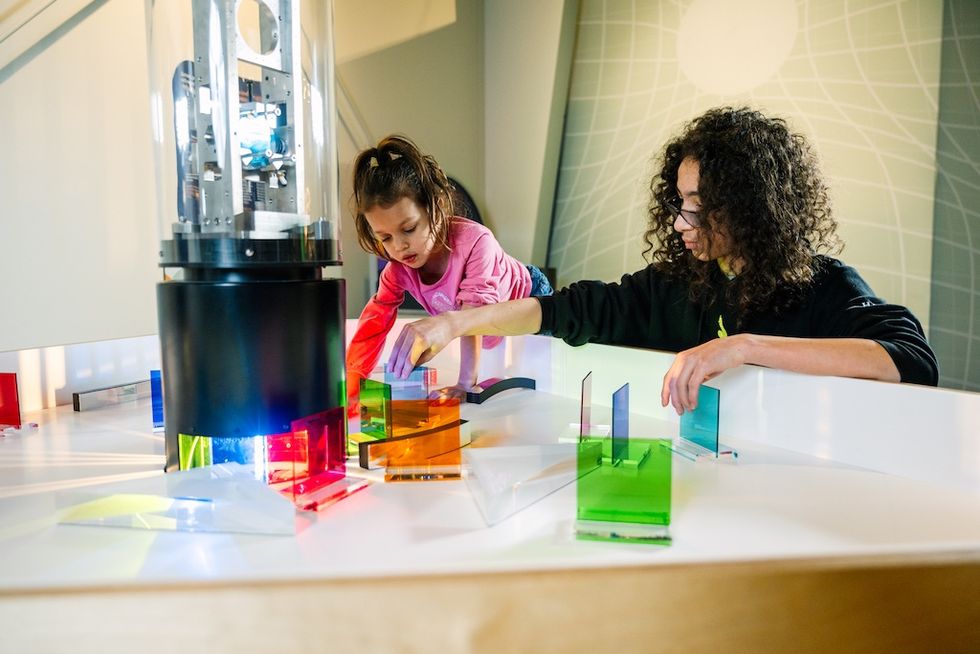
Cynthia Brown and John Shaw worked alongside colleagues to evaluate exhibit components for the LIGO Exploration Center. When funding conditions shifted, Museum EXP helped prioritise new experiences while refreshing existing exhibits to better reflect the research conducted at the Laser Interferometer Gravitational-Wave Observatory (LIGO) Hanford
This pragmatic mindset does not suppress creativity; instead, it channels it. Lima contends that constraints are actually essential for excellence:
"Those constraints are where project managers live. They focus purpose. We want excellent outcomes, but we ground ambition in real data and achievable parameters. It takes work, but it’s what gets us out of bed.
"Evaluation is a beautiful, dispassionate tool," she adds. "If we agree on what excellence looks like, we can continually ask: Are we still heading there? It keeps people with very different roles moving in the same direction, both inspirationally and practically."
Brown emphasises that they do not simply guess what works: "Evaluation and data are at the core of what we do. We look to the broader museum community and existing studies and embed that learning into projects."
Beyond opening day
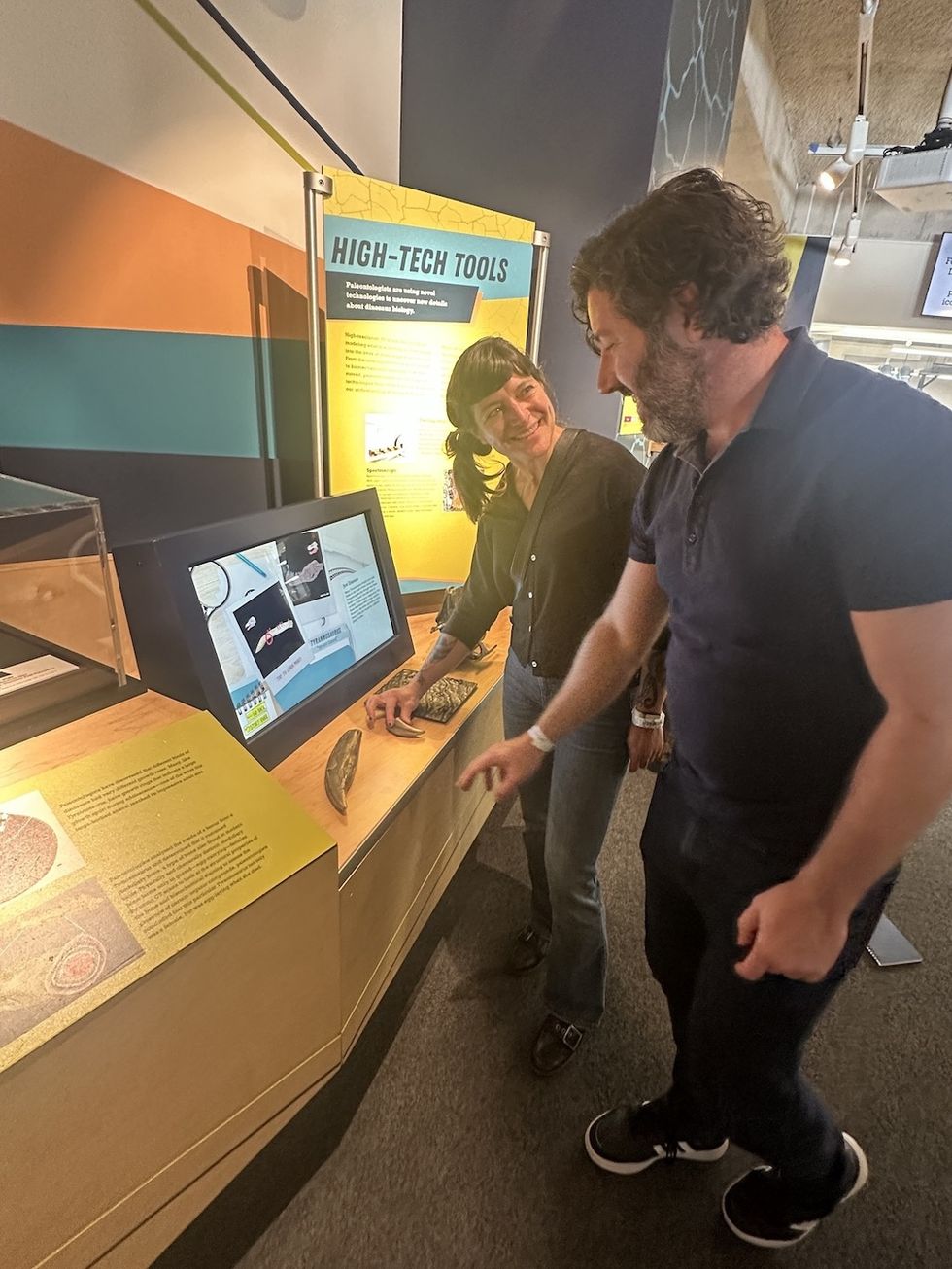
Cynthia Brown, John Shaw, and Sarah Lima make a point to visit their “exhibit babies” in the wild, reconnecting with the museum colleagues they partnered with along the way
For many design firms, the project concludes once the ribbon is cut. However, Museum EXP adopts a broader perspective. Brown characterises the process not as a handover, but as a continuum:
"We want to know how the experience is working so we can learn from it. We support post-opening evaluation, grant reporting, and help leverage the spotlight for what comes next.”
This commitment to the project's long-term success includes the professional development of the staff they collaborate with.
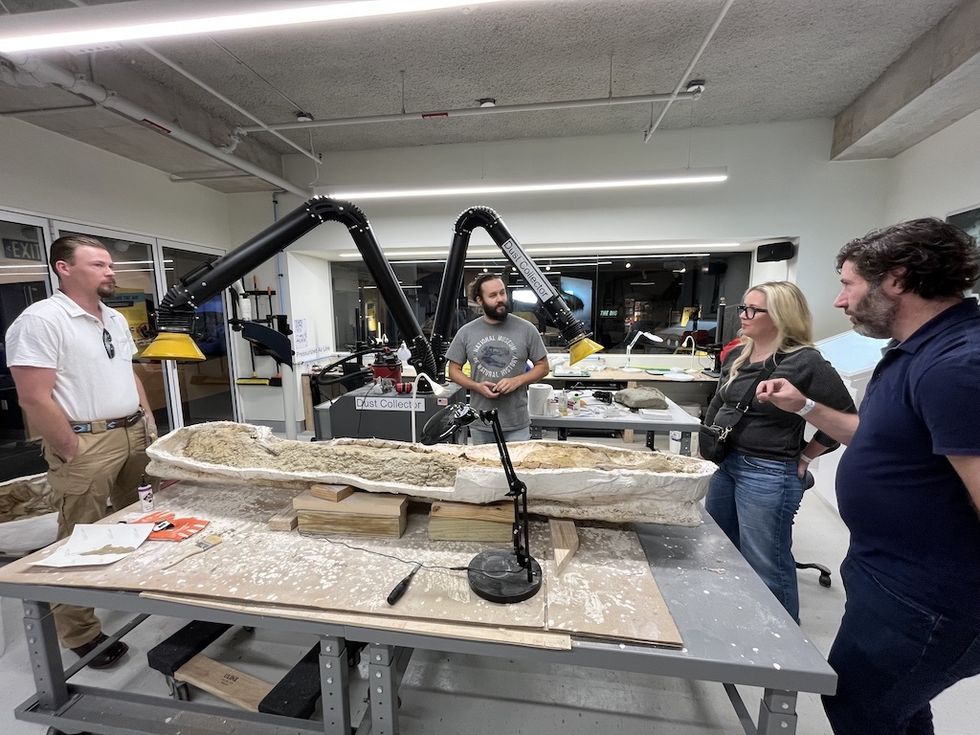
One such collaboration includes Museum EXP’s close work with the palaeontology team at Frost Science to develop The DIG, a fossil gallery designed to complement the museum’s new research laboratory
Lima emphasises a strong desire to enhance capacity within the industry.
"For some people, these projects are career-defining. We want them to be part of a network of people who’ve managed work at this scale. We believe in thought leadership and sharing knowledge freely.
“We want people to share what worked, what didn’t, and how to do better next time.”
Museum EXP and the future of the guest experience
Looking ahead, Brown and Lima see a museum sector that must adapt to meet increasing visitor expectations. They advocate for seeking inspiration beyond the museum sphere.
"Museums need to look to peer organisations and adjacent industries," says Brown. "Visitor expectations are rising, and the number one reason people visit museums is to have meaningful time with family and friends.
“We need to keep that vision front and centre while 'hiding the veggies' of science and history."
This idea of "hiding the veggies"—making educational content so engaging that it is consumed voluntarily and joyfully—is central to their strategy. Lima adds that the physical environment and the quality of welcome are just as important as the content itself:
"Looking to best practices across industries to create welcoming, accessible, safe social spaces with well-trained staff is critical to the survival of our industry.”
A true partner
Ultimately, Museum EXP positions itself as a true partner. Whether developing a master plan for a new museum or a specific gallery renovation, the company aims to empower the institution.
"We also acknowledge that for public-facing organisations, these responsibilities are often layered on top of already full-time jobs," says Brown.
"We act as creative process leaders, tapping into individual superpowers and letting expertise shine, while bringing everyone along without exhausting capacity."
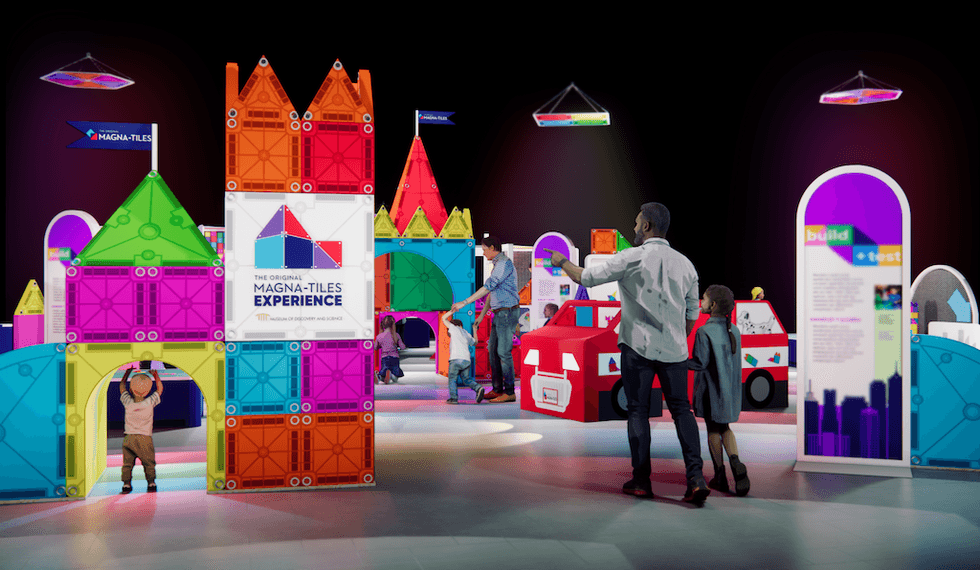
This distinctive approach comes to life in Museum EXP’s partnership with the Museum of Discovery and Science—working side by side as they prepare to launch the MAGNA-TILES Experience, a new travelling exhibition debuting in early 2027
By combining rigorous project management with a genuine passion for the museum's mission, the team helps clients navigate the complex journey from concept to realisation.
As Lima summarises, their work is about providing the clarity that allows great ideas to flourish.
"Whether we’re filling a niche or helping leaders focus on a big-picture vision, that clarity becomes the beacon people follow."
For museums managing limited budgets and lofty goals in the post-pandemic era, that beacon is more valuable than ever.