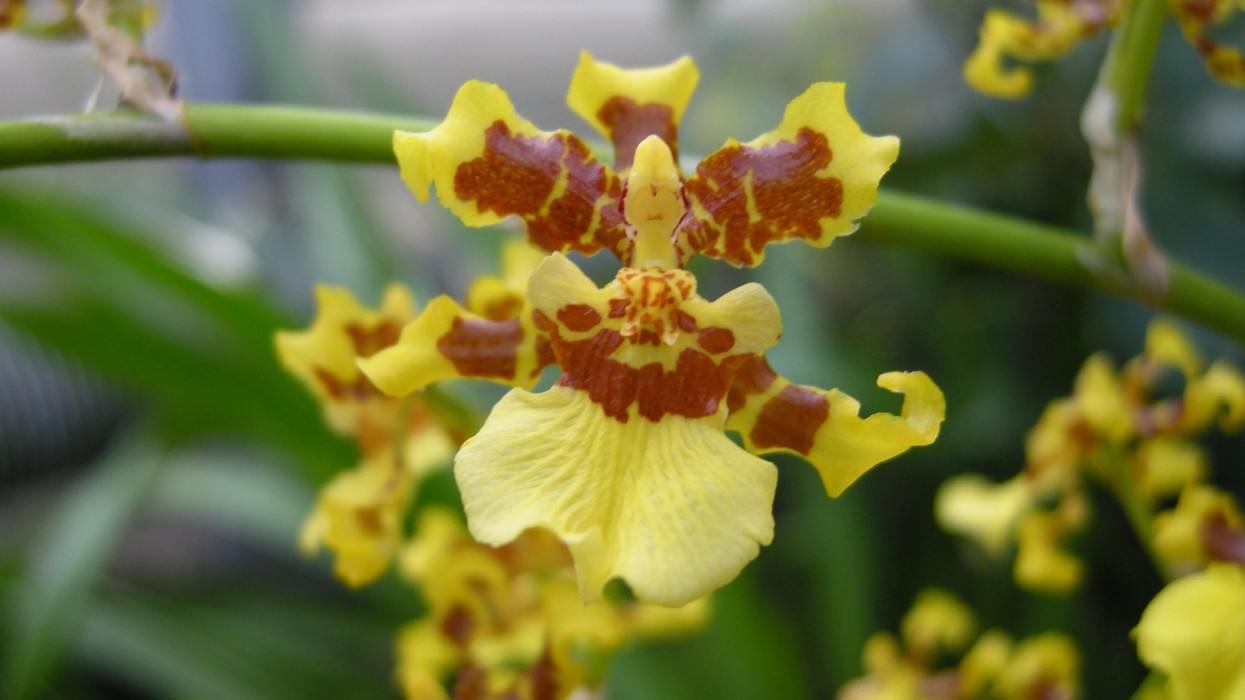

Visitors to Cambridge University Botanic Garden this spring will get the chance to chat to 20 plants using artificial intelligence (AI).
Called Talking Plants, the exhibition is a "world first for botanic gardens", the University of Cambridge said in a press release.
From 11 February to 12 April, guests can speak to 20 rare specimens in the garden's Glasshouse Range by scanning a QR code with a smartphone.
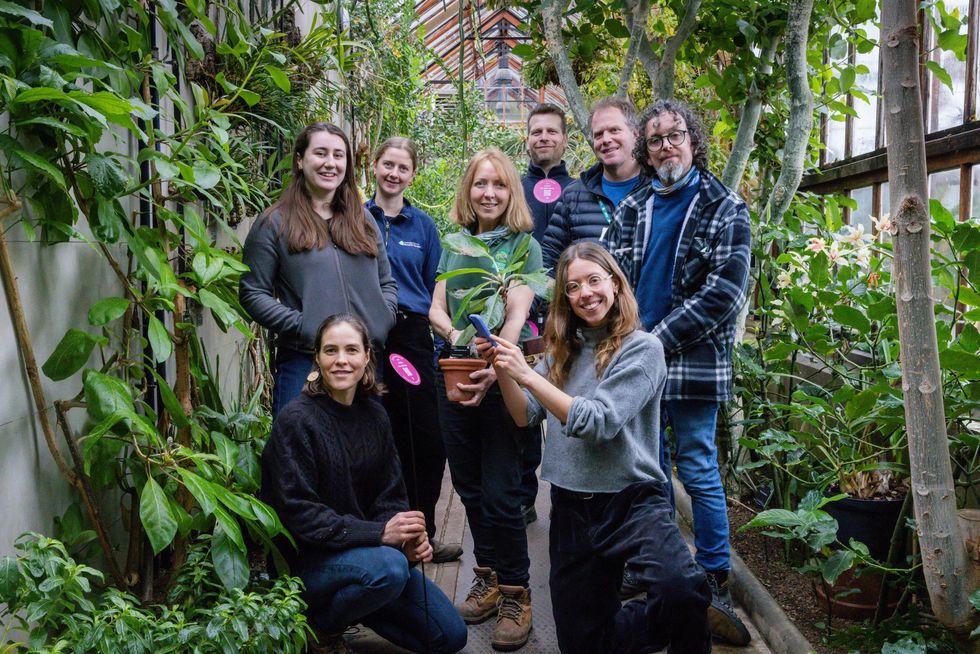
Visitors can ask questions and receive answers that combine horticultural insight with personal stories from the plants.
The two-way conversation can be voice or text-based, and the plants can also tell jokes, play trivia games, and guide visitors on a meditation.
Each plant in the exhibition has been given its own name and distinct personality, like the "dry-witted and defiantly stubborn" Tumbo the Welwitschia, or the "dramatic and famously foul-smelling" Titus Junior the Titan Arum.
Talking Plants uses AI "to help visitors engage with the biology, ecology and culture of the plants in our living collections", said Professor Sam Brockington, exhibition curator.
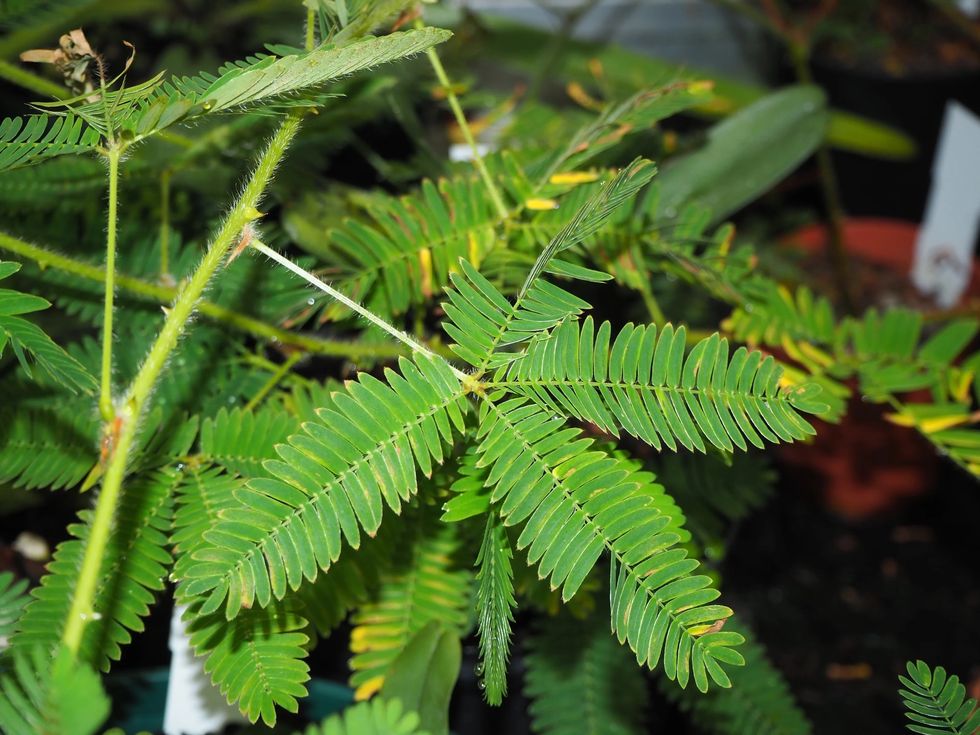
"It is not about replacing our human expertise, but about finding new ways to stimulate learning and wonder about the plant kingdom," he added.
"We hope it will give us new insight into how to best engage people with important messages about biodiversity loss and environmental change, which will influence all our learning programmes."
Talking Plants was created in collaboration with Nature Perspectives, a conservation organisation developing AI models backed by science.
It is hosted on renewable-powered servers, with an average conversation consuming 40.46 Wh of energy – roughly the equivalent to sending one email with an attachment.
Gal Zanir, co-founder and CEO of Nature Perspectives, said the exhibition is enabling "new ways of relating to the living world".
"We’re shifting from learning about nature to learning from and with it. This shift is especially important with plants, which often go unnoticed or are poorly understood," Zanir said.
Images courtesy of Cambridge University Botanic Garden