
Communicating the Arts (CTA), a conference for cultural leaders from across the globe, will take place in Ottawa-Gatineau from 13 to 16 October, and one of the main topics on the agenda is how the arts can “build trust and bridge worlds.”
In an era of rapid technological change and evolving audience expectations, the performing arts now extend beyond the stage, operating at the intersection of culture, data, and societal impact and redefining their role within the broader cultural ecosystem.
"From theatre and dance to immersive digital performance, performing arts organisations are increasingly positioning themselves as laboratories for innovation," says Davide Mura, editorialist at Communicating the Arts.
"They are not only creators of artistic content, but also producers of knowledge, leveraging data to better understand audiences, measure impact, and shape future programming."
Performing arts speakers at CTA 2026
Bonnie M. Goodman, senior VP of marketing and communications at The Music Center in Los Angeles, and Mathilde Gaultier, sales manager at Arenametrix in Montreal, will be key contributors to CTA 2026.
They will highlight the performing arts as a model for innovation by exploring lessons from the sports industry. With experience in audience development and revenue strategies, they will show how data-driven approaches are transforming cultural marketing and engagement.
Jillian Barker, director of learning and participation at the Royal Ballet and Opera in London, will describe how participatory and community-centred methods are changing how performing arts organisations connect with diverse audiences.
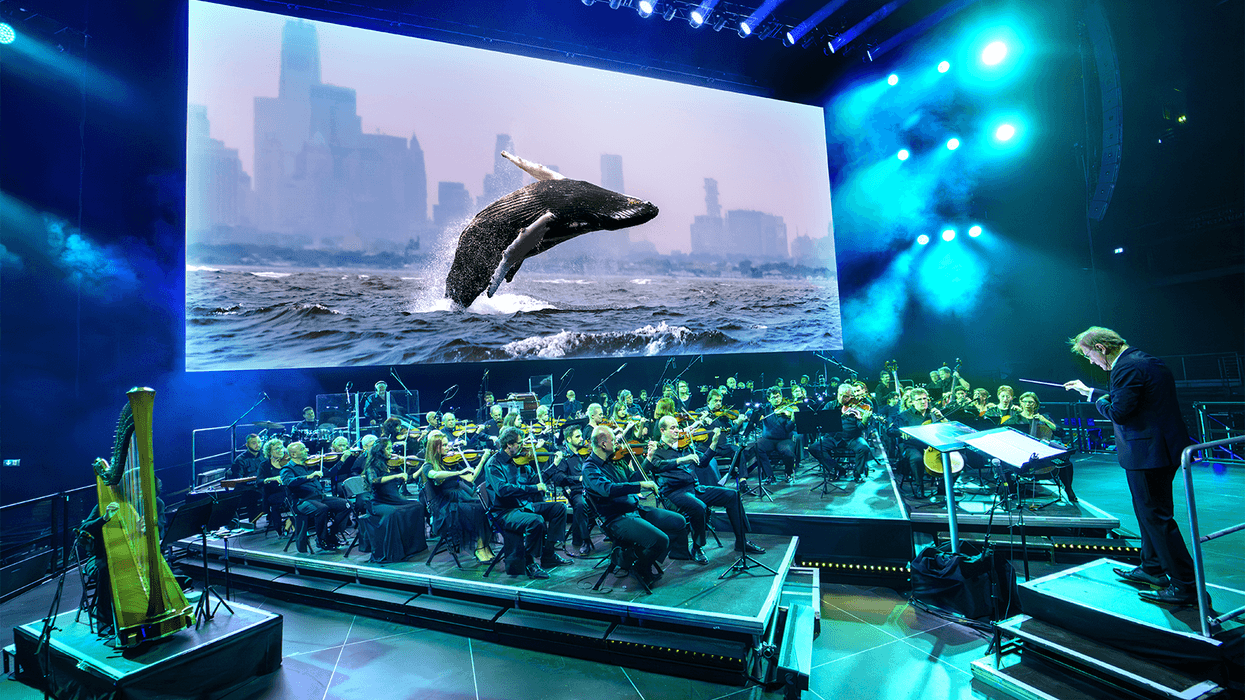
Meanwhile, the adoption of immersive and hybrid formats, such as audiovisual performances in partnership with the digital arts festival MUTEK, signals a broader movement toward interdisciplinary work, where performance, technology, and data converge.
Data & AI
Historically, the performing arts have relied heavily on intuition, artistic vision, and experiential knowledge. However, Mura says:
"While these factors remain central, the sector is now embracing advanced data analysis to complement creative decision-making, marking a big step, from ticketing patterns and audience segmentation to behavioural analytics and AI-driven insights, performing arts institutions are developing a sophisticated understanding of their publics."
Many theatres and opera houses use predictive analytics to forecast attendance and optimise pricing, identifying sold-out performances and those needing targeted marketing. Ticketing data reveals audience preferences, such as genres, seating, and booking habits, helping organisations tailor programming and communication.
Some organisations are experimenting with dynamic pricing. This can optimise revenue while maintaining accessibility and occupancy: early-bird, premium, or last-minute offers can boost attendance and revenue, keeping performances accessible.
Institutions are also using AI-powered recommendation systems to suggest performances to users based on their past attendance or browsing behaviour, similar to those on streaming platforms.
"Additionally, audience engagement tools – such as post-show surveys, social media analysis, and CRM systems – help organisations build long-term relationships with their audiences, improving retention and loyalty," says Mura.
Data can even inform artistic choices by providing audience demographic insights, guiding programming to balance classical and contemporary works and identifying underserved segments.
Academic research shows data science can predict audience preferences and optimise programming, helping organisations match performances to the right audience at the right time.
At Communicating the Arts Ottawa-Gatineau, this expanding data expertise will be highlighted through various sessions centred on "Measuring Impact," one of the conference’s four main pillars.
Performing arts at CTA 2026
Beyond analytics, the performing arts remain essential as cultural connectors, providing a rare shared, embodied experience.
"This is particularly relevant in an era where in-person social interactions face growing challenges, and where institutions are working to rebuild relationships with audiences and communities," says Mura.
The CTA 2026 programme highlights the significance of empathy, resilience, and participation, framing the performing arts as venues for dialogue and fostering social cohesion.
Since rebranding from Communicating the Museum to Communicating the Arts in 2018, the conference has placed greater emphasis on performing arts in its programme. With over 200 international professionals convening in Ottawa, the event highlights the growing recognition of the performing arts as a catalyst for innovation in the cultural sector.
"The performing arts are uniquely positioned to bridge the gap between data and emotion, technology and human experience, reflecting the conference’s theme, Building Trust, Bridging Worlds," adds Mura.
"Their ability to combine analytical insight with creative expression offers a powerful model for the future, in which cultural institutions are not only reactive, but proactive, adaptive, and deeply connected to their audiences.
"In Ottawa this October, that future will take centre stage."
For more information about the event and to book tickets, please click here.

Charlotte Blanco Coates is blooloop's editor. She is from Brighton, UK and previously worked as a librarian. She has a strong interest in arts, culture and information and graduated from the University of Sussex with a degree in English Literature. Charlotte can usually be found either with her head in a book or planning her next travel adventure.