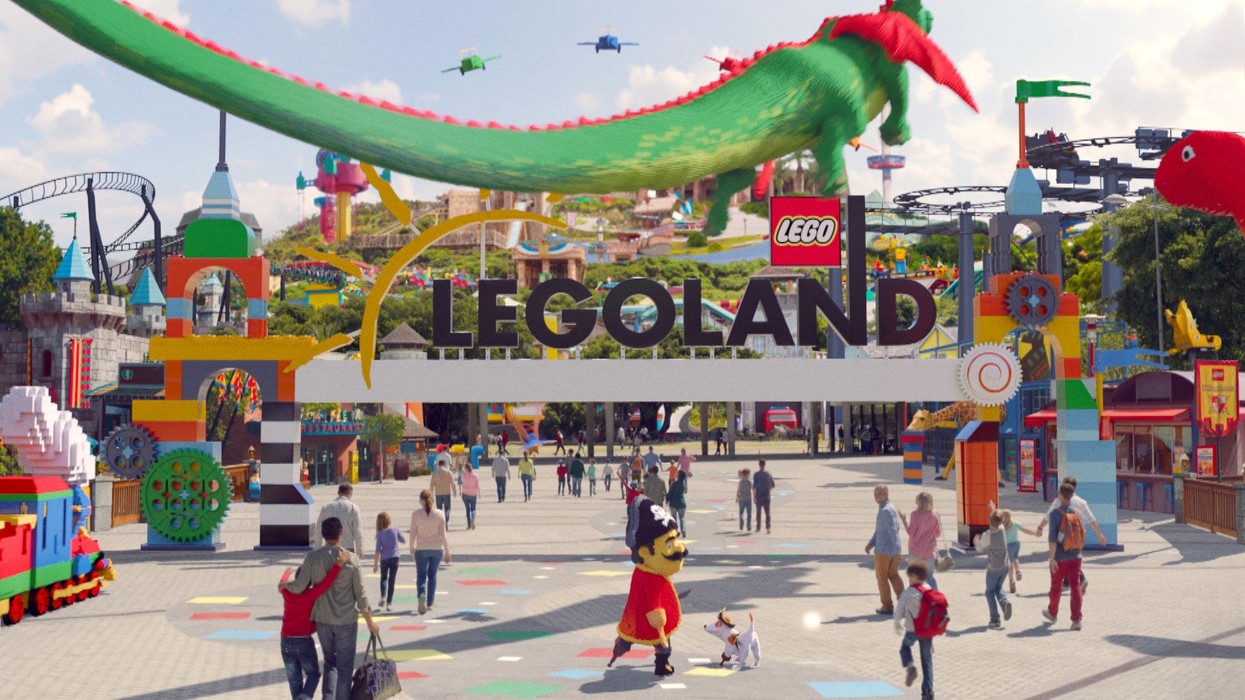
Over the past 15 years, Abu Dhabi-based leisure operator Miral has built a portfolio of theme parks featuring some of the world's most storied brands. It operates attractions themed to Ferrari, SeaWorld and Warner Bros., with ones based on Disney and Harry Potter on the way.
However, Miral isn't stopping there. It has set an even grander goal, which could benefit Abu Dhabi for decades to come, and it is following a magic formula to achieve it.
Miral's collection of parks is clustered on Abu Dhabi's man-made Yas Island and spans Ferrari World, Yas Waterworld, Warner Bros. World and Sea World. Each one surpassed its predecessors, ensuring the resort continued to build momentum and earned a reputation for the highest industry standards.
See also: Miral: all you need to know about Abu Dhabi's developer of immersive attractions and experiences
Miral's journey so far
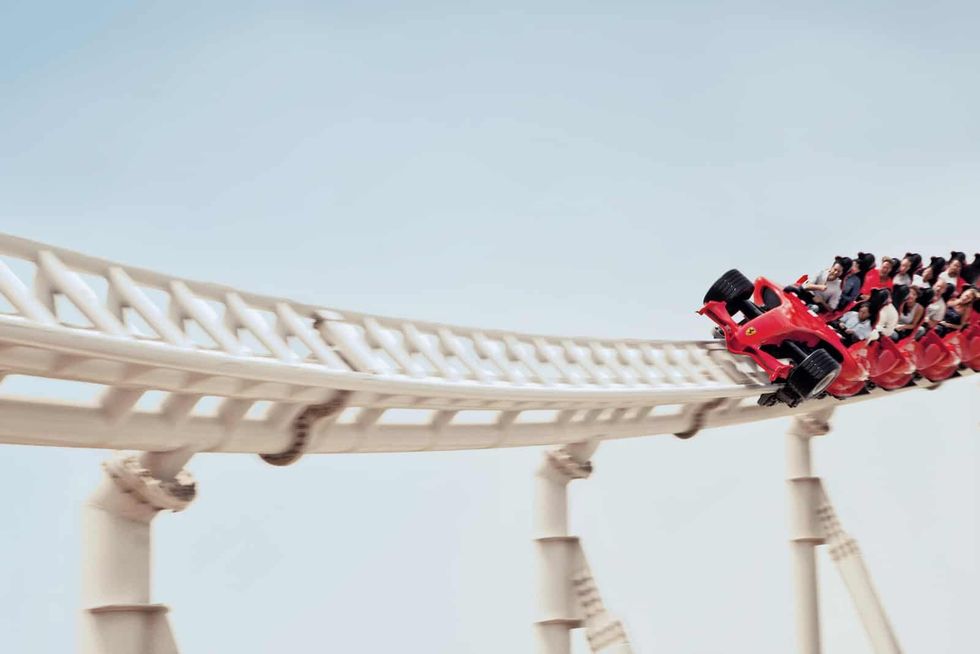
The journey began in November 2010 with the opening of Ferrari World Abu Dhabi, which quickly became famous for its record-breaking roller coasters. They include Flying Aces, which holds the record of having the world's highest coaster loop at a vertiginous 63 metres.
At the top of Ferrari World's podium is Formula Rossa, which accelerates from zero to 149 miles per hour in just 4.9 seconds, making it the world's fastest coaster when it opened.
The line-up of high-octane attractions fuelled Ferrari World Abu Dhabi's popularity, and in 2014, its annual attendance hit 1 million. By then, it had been joined by Yas Waterworld, a 150,000 square metre outdoor water park based on the local tradition of pearl diving.
This theme is infused into the park, with a giant pearl perched high above, atop a rocky outcrop. Below it is a huge bird's nest, and many of the slides slink out of it. At ground level, treasure chests line the paths and signs are hung on what appear to be Persian rugs.
However, the attention to detail isn't what makes the park unique.
Unlike any other water park, the slides are combined with theme park rides. There's a 3D theatre that floods up to your knees as waterfalls pour in and the seats sway in time with the story on screen about how the centrepiece pearl reached the top of the mountain.
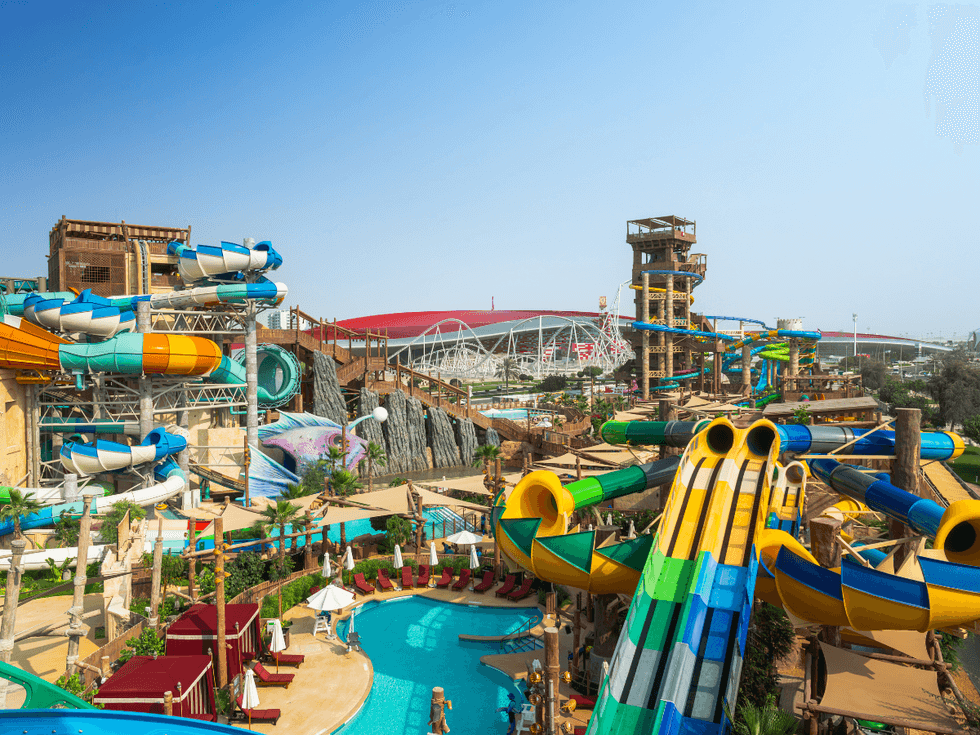
There's also a log flume with a splash so big that it's an attraction in itself, and a suspended roller coaster which weaves between the craggy stone columns supporting the slides.
Bringing characters to life
Miral sprinkled its biggest dose of pixie dust to date in 2018 with the debut of Warner Bros. World Abu Dhabi.
Unlike other movie parks, which take visitors behind the scenes of films, Warner Bros. World immerses them in the worlds where the characters are meant to actually live. Developed by Thinkwell (now TAIT), the calibre of its theming has been compared to that in a Disney or Universal park.
In its Cartoon Junction land, Hanna-Barbera stars like Scooby-Doo are meant to live next to Tom and Jerry and Bugs Bunny from Looney Tunes.
The local store sells merchandise, there's a carousel in the central plaza, and the ride entrances are hidden behind the front doors of a row of brightly coloured townhouses with sloping roofs and wonky walls.
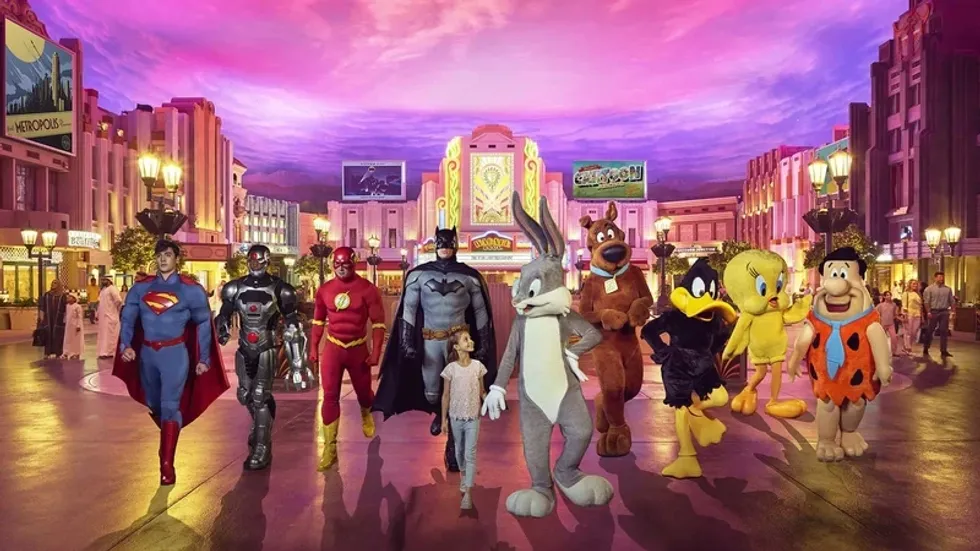
The same trick is used in the Metropolis land, which is where you find Warner Bros.' superheroes such as Superman and Wonder Woman. It comes complete with a Daily Planet newsstand, phone box photo ops, and, fittingly, the rides sit inside buildings you would expect to find in a city.
The Brogent i-Ride 3D flying theatre, based on the cosmic crimefighter Green Lantern, is tucked away in a building meant to be a planetarium, while in Batman's gloomy home of Gotham, the spooky circus tent is actually a cutting-edge fun house themed to the villainous Joker.
The rest of the park is equally innovative, with one of the world's largest collections of trackless rides.
All-new SeaWorld
It set a high bar to beat, but Miral did just that in May 2023 when it swung open the doors to SeaWorld Yas Island, the first new SeaWorld park in 35 years and the brand's first-ever international outpost.
In stark contrast to its counterparts in the United States, the park is a technological tour de force. It is home to one of the world's largest LED screens, a five-metre LED sphere, and Hypersphere 360, the world's only dome ride theatre.
Designed by Attraktion! and Intamin, it is formed from a 17-metre-wide LED sphere with a row of seats that rotate around the inside rim in time with the scenes on the wraparound screen.
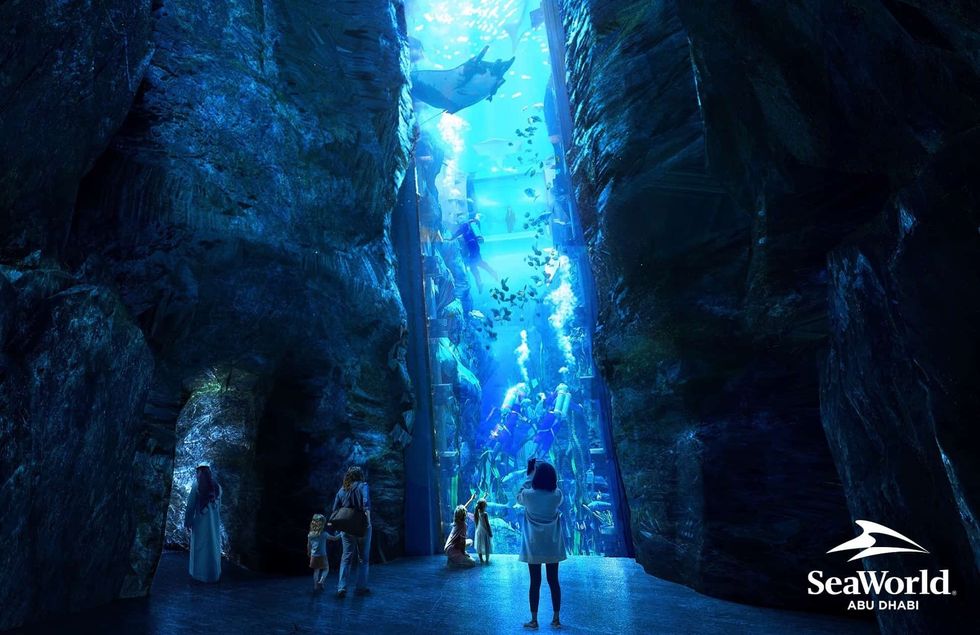
This high-tech wizardry is combined with some of the most sublime theming ever seen in a theme park, including a full-size tropical beach resort, an arctic base camp, and a breathtaking viewing window into a tank formed by the gorge between two 21-metre-high rock faces.
There is a good reason why Miral's parks are so elaborate.
Miral's immersive environments
Perhaps the biggest trick in its spellbook is that its theme parks are indoors.
Ferrari World sits beneath a triangular-shaped steel-and-glass structure covered with one of the world's largest versions of the car manufacturer's famous yellow shield.
Warner Bros. World is housed in a cream-coloured building designed to look like a Hollywood soundstage, while the SeaWorld building fades from deep blue at the bottom to cream at the top, representing the natural transition from the seabed to the sky.
They aren't covered in order to look aesthetically pleasing. The initial reason for being indoors was to shield guests from the searing heat in Abu Dhabi, which often soars above 40 degrees in summer. Miral's parks are climate-controlled, giving them a comfortable environment, though that's just the start.
Miral uses indoor space to make its parks immersive in ways that even Disney and Universal can only dream of. The park's indoor setting enables its scenery to be more elaborate than if it were outside, as there is no danger of it getting damaged by wind, overgrown with foliage or faded in the sun.
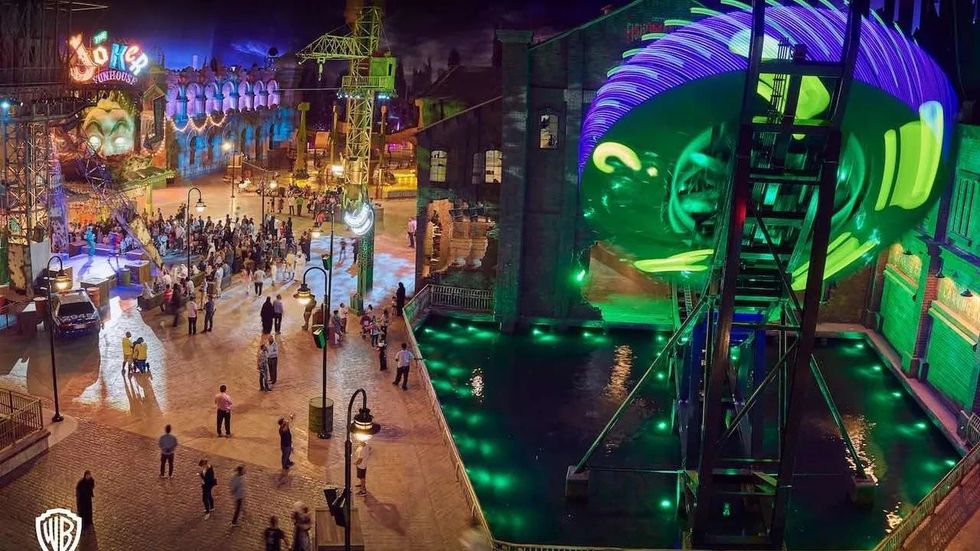
In Gotham, some of the windows in the building facades are cracked, while others are boarded up or have curtains which are only partly pulled.
Bricks look weathered and soot-stained, there’s graffiti on the walls, posters are peeling off them, fake manhole covers are embedded in the cracked tarmac, steam billows out from underneath, and shadows of moving people are projected onto the windows of the train in the station.
It's up there with the attention to detail in the mighty Tokyo DisneySea and the Star Wars: Galaxy's Edge lands, but it has an edge that even they can't match.
You usually know what you’re in for when you head towards a theme park ride as a hulking building looms beyond the entrance. It breaks the fantasy and spoils the surprise.
In contrast, at Warner Bros. World, the elaborate entrances to many of the rides are set into the internal walls. This magical touch means you don’t know what you’re getting until you step inside. It makes the doorways seem like portals to different worlds, and it has helped to tempt visitors through the turnstiles.
Record-breaking attendance & catching Disney's eye
Miral operates the most popular theme parks in the Middle East, with more than 38 million visits to Yas Island in 2024. This upward trend continued in 2025, as the destination recorded a record-breaking summer, with a 15% year-on-year increase in visits and an average hotel occupancy rate of 85%. It serves a specific purpose.
Miral is backed by the Abu Dhabi government, and the development of its theme parks is a key part of a strategic development roadmap, known as Vision 2030, which was implemented in 2008.
Capital of the United Arab Emirates (UAE), Abu Dhabi's vast fortune was built on fossil fuels, but faced with declining reserves, the government decided to diversify its economy by investing heavily in leisure.
Theme parks are at the vanguard of this strategy, as they draw tourists from afar and can welcome millions of people. The more people who visit, the greater the local spending and the more diverse the economy becomes.
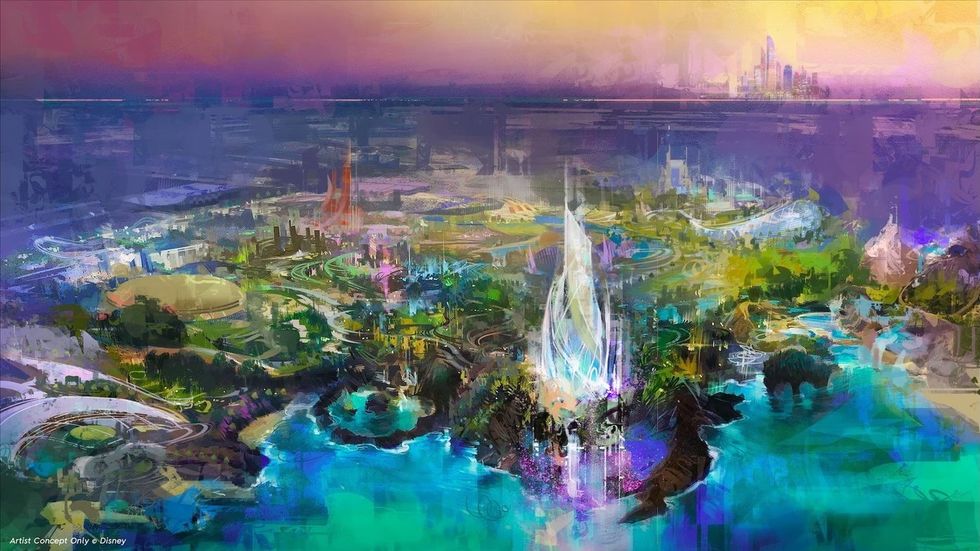
The bigger the brands, the more visitors they attract and the more diversified the economy becomes. Themed entertainment brands don't get much bigger than Disney, so when it announced last year that Yas Island would be home to its seventh resort, it was seen as the crown jewel of Miral's portfolio.
Disney didn't just partner with it because of the quality of its parks.
Disney's former chief executive Bob Iger explained that Miral "demonstrated a number of things that were really important to us," and, at the top of his list was "a real appreciation of quality and innovation and appreciation of the arts."
Miral has applied the same rigour it used to create world-class theme parks to its sporting and cultural facilities, giving the UAE a complete package that competes with the world's biggest nations and lays the foundations for the future.
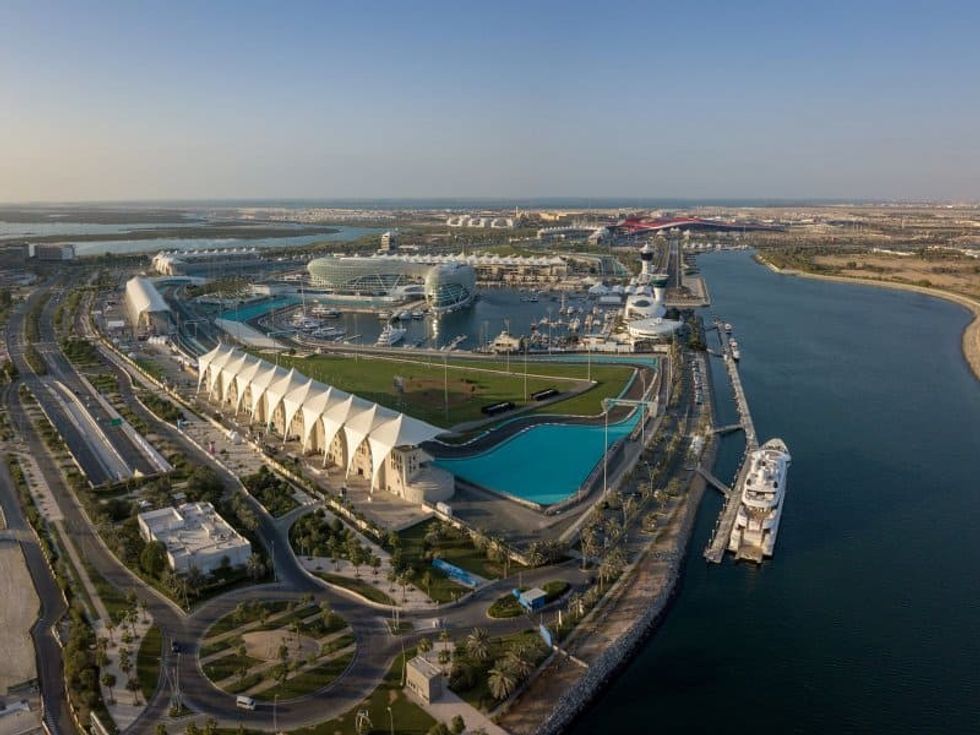
Yas Island is comfortably the world's most well-connected major resort as it is home to upscale residential communities, schools, a business district, deluxe hotels, a marina, a mega mall with 370 shops, an arena, several beaches, a Formula One racing circuit and a golf course which hosts a round of the PGA European Tour.
All are within walking distance of multiple major theme parks, but remarkably, that is only half of the story.
A cultural revolution
Just a 20-minute drive from Yas Island is Saadiyat Island, also run by Miral. Its cultural district is the fruit of a plan which stretches back nearly two decades and has yielded a collection of world-renowned museums.
Billions of dollars have been spent on the 2.43 square kilometre site, making it one of the largest cultural investments of its kind in the world. It is thanks to the vision of His Excellency Mohamed Al Mubarak, chairman of both Miral and Abu Dhabi's Department of Culture and Tourism (DCT).
A graduate of Northeastern University in Boston, Al Mubarak is one of the region's most prominent business figures, having been chief executive of Aldar, Abu Dhabi's biggest listed property developer, before becoming chairman of the DCT, where he has turned the city into a global cultural powerhouse.
His pioneering approach brought the first international outpost of the Louvre to Saadiyat Island in 2017, with the world's largest Guggenheim due to open there later in 2026.
Last year saw the launch of its Natural History Museum and a National Museum dedicated to the founding father of the UAE, Sheikh Zayed bin Sultan Al Nahyan. In 1971, Sheikh Zayed became the country's first president, and he was also a cultural pioneer, opening the country's first museum in the inland oasis of Al Ain.
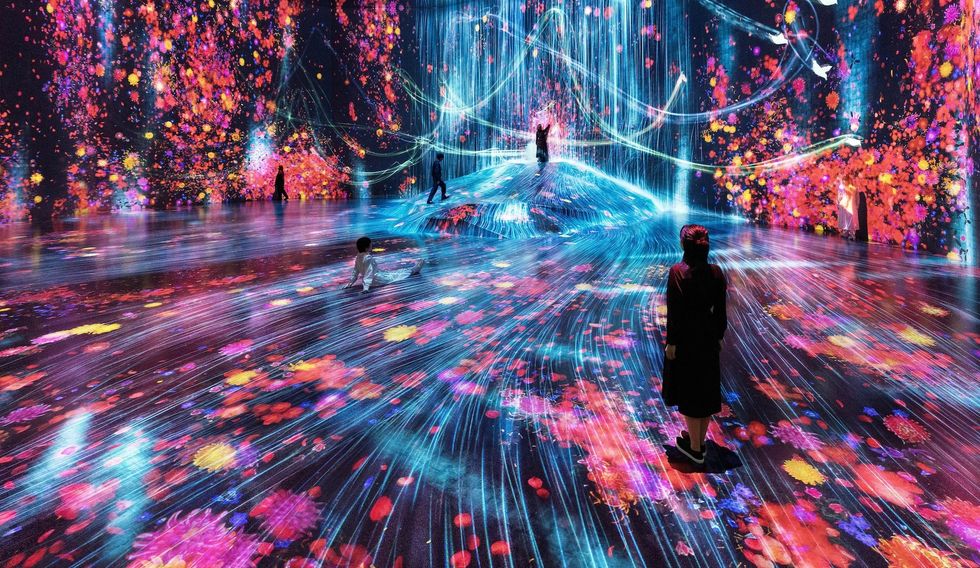
In April last year, Saadiyat also welcomed teamLab Phenomena, a cutting-edge hybrid of a gallery, theme park and museum that surrounds visitors with avant-garde interactive art installations.
Talking at the opening, Al Mubarak explained that "we're investing in these things because, first of all, we not only harness the power of our past, we take it to heart.
"And the founder of this great nation, His Highness Sheikh Zayed, God rest his soul, started this movement in the 1950s, before even the formation of this country. The concept of wanting to invest in culture and cultural institutions started in the 1950s.
"We continuously take that wisdom that he put forth in understanding that culture is the building block of any forward-thinking society."
Leaving no stone unturned, this attitude even extends to the architecture of the museums, which has become just as famous as their collections.
Miral's museums
Saadiyat made an immediate splash with the opening of the Louvre, its first major museum.
Its domed exterior was designed by Pritzker Prize-winning French architect Jean Nouvel and has become an Abu Dhabi icon thanks to the geometric shapes cut into it. Patterns like this are common in Islamic architecture, but that wasn't the reason behind them.
"When you are inside, and you look up, the inspiration is from our oasis in Al Ain," says Al Mubarak, explaining that Nouvel "was under an oasis, a Waha. Thousands of date trees, right above him. He had these lights coming through, and he was very much inspired by that."
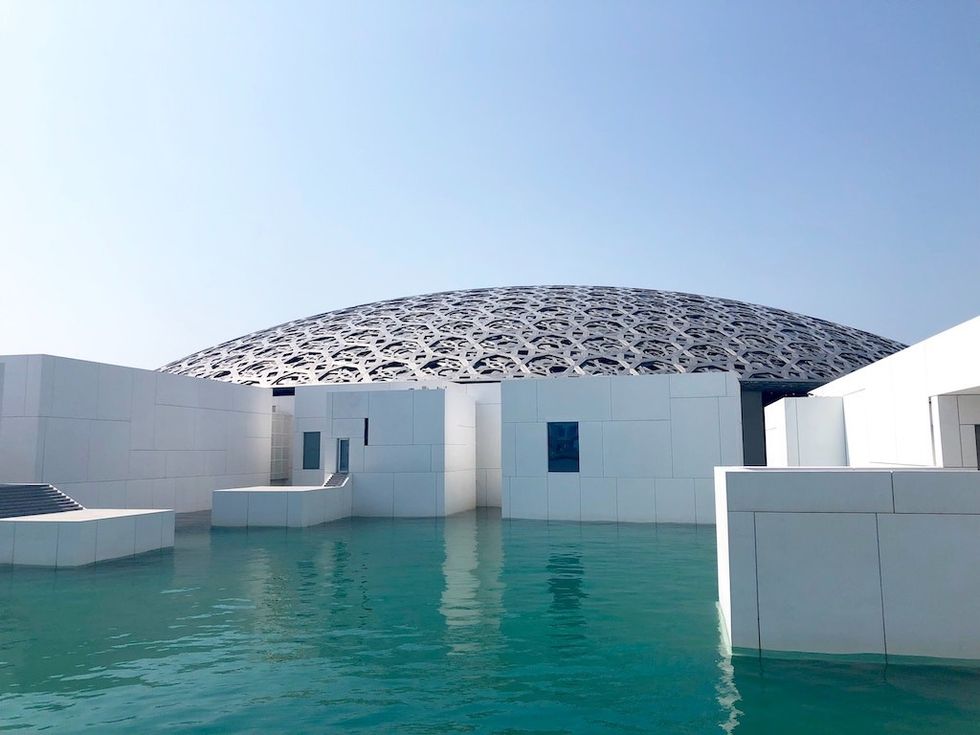
Its 23 galleries contain more than 7,000 exhibits, including 600 masterpieces ranging from Ancient Egyptian sculptures to Italian Renaissance masterpieces. It is described as a universal museum as it arranges art chronologically rather than by geography.
This orderly approach is a world away from the free-flowing creativity found in teamLab.
The 17,000-square-metre structure looks like a sleek, silvery spaceship, with its wavy walls and a sweeping staircase leading to a circular central entrance. Its appearance is no coincidence, as it sets the scene for surreal sights inside.
It is the brainchild of MZ Architects, and Al Mubarak explains that it was designed to be "this sort of organic structure and almost feel like it's almost not worldly - it's come from somewhere else, it's come out from the deep sea."
Seven months after it debuted, the Natural History Museum launched. Designed by Dutch architects Mecanoo, it looks like "rock formations coming out of the ground," explains Al Mubarak.
The highlight of the science-focused 35,000-square-metre museum is undoubtedly 'Stan', one of the most complete Tyrannosaurus Rex skeletons ever discovered.
At 38 feet, it is also one of the most imposing, and is made all the more so by its display as it is part of the first ever depiction of two T. rexes battling over a Triceratops carcass, which even has bite marks in it from the duelling dinos.
Eerily, the veins in Stan's bones can be seen under ultraviolet light, showing that the 67-million-year-old fossil is genuine. Inside the museum is also a fragment of the Murchison Meteorite, which contains grains that are a staggering 7 billion years old, making them the oldest materials discovered on Earth.
The pieces aren't just for show, as the museum also houses a research centre where the 13.8-billion-year story of our universe can be studied.
The Guggenheim and more
The latest opening was the 56,687-square-metre Zayed National Museum in December last year.
Designed not just to tell Sheikh Zayed's story but also to trace the origin of the UAE itself, its six exhibition spaces chart the country's journey from its sea-faring origins to its current status as a globally connected hub.
Amongst the 1,500 artefacts on display are rare archival photographs of, and personal items belonging to, Sheikh Zayed.
The pieces that illustrate the history of the UAE range from the big (an 18-metre-long reconstruction of a Bronze Age boat in the central atrium) to the small: a 300,000-year-old stone tool found in Al Ain and the Abu Dhabi Pearl, which is one of the world's oldest gems.
Gone are the days of dusty shelves as some of the pieces are set in intimate single-speaker soundscapes, whilst others are set near to vast 11-metre-wide LED screens.
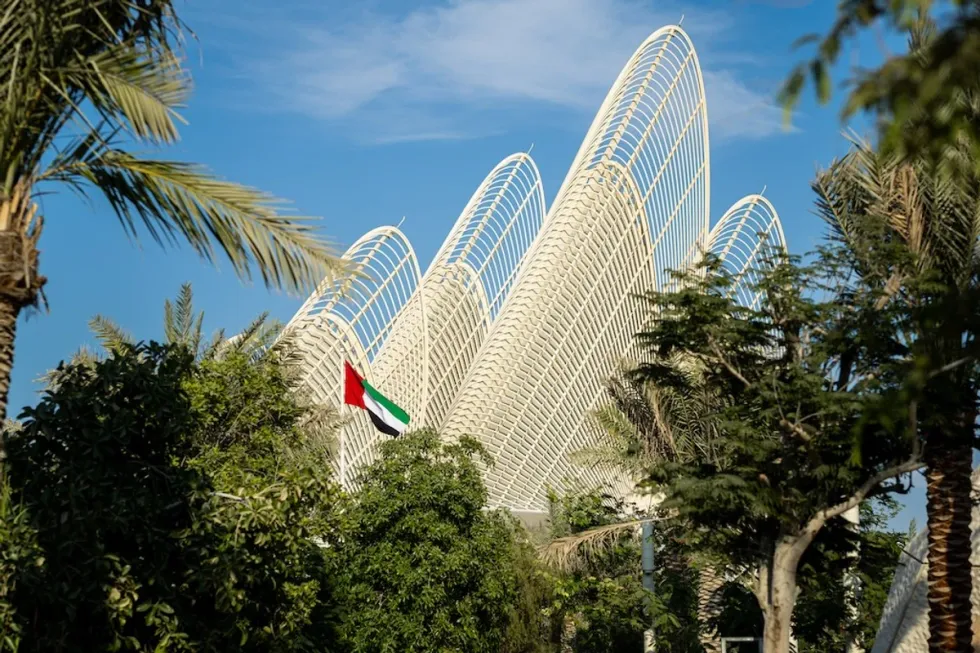
The building's architecture reflects this inventive approach. Designed by Lord Norman Foster, the striking structure looks like a hill dotted with palm trees, with five soaring, silvery, feather-like protrusions rising from it. As Al Mubarak explains, it is inspired by the UAE's national bird, the falcon.
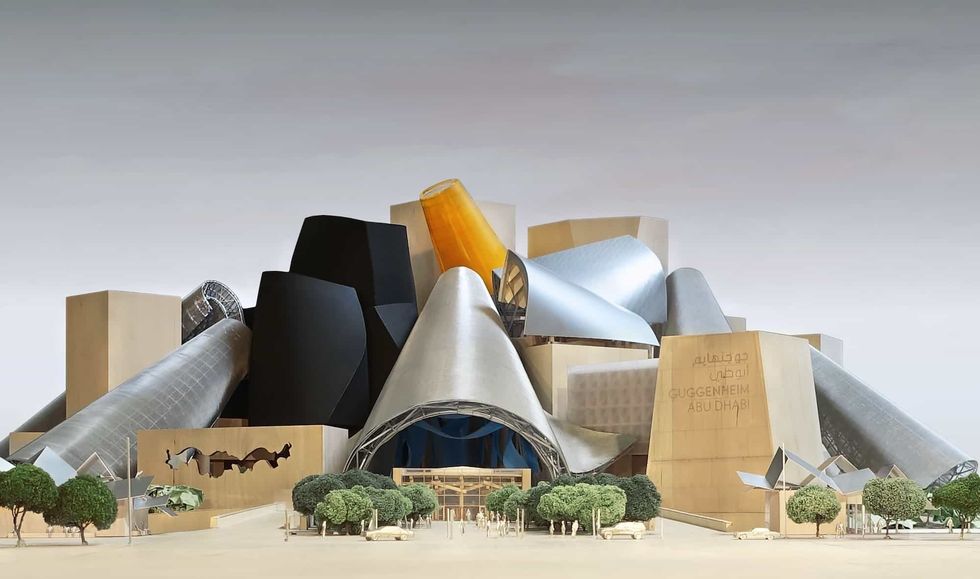
Miral has saved perhaps the most striking museum till last. Designed by the late Frank Gehry, the Guggenheim looks like a pile of soaring silvery shafts, cones and cubes.
"The inspiration that Frank Gehry got is from our wind tunnels," says Al Mubarak. A hallmark of traditional Emirati architecture, wind tunnels are vertical towers at the tops of buildings that provide ventilation and natural cooling. The shafts cut into them guide cooler breezes into buildings while allowing hot air to escape.
The shafts and cones on the Guggenheim will serve the same purpose. "They are actually used as cooling mechanisms. Air will shoot to the top, will go all through," says Al Mubarak.
The 42,000 square metre museum will showcase global modern and contemporary art from 1960 to the present, viewing it through an international rather than a Eurocentric or American lens.
Highlights will include works by Jackson Pollock, Mark Rothko, Andy Warhol, and Jean-Michel Basquiat. Unlike the Louvre, the collection will not be chronological, and, instead, curators have opted for an approach shaped by the natural flow of movement through the space.
The art will be combined with music, food and dance, making the museum more of a gathering place for a younger demographic, which is crucial to Miral's objectives for the district.
"The concept of this district is not to tell you what to think, it is to give you information, to give you visual interpretations, to give you a heightened understanding of history, tradition and heritage, and then for you to take that information and make it your own.
"That's why I see this, more than anything, as a centre of education," explains Al Mubarak.
Leaving a legacy
To maximise engagement, it is free-flowing rather than prescriptive.
The district is designed to feel like a continuous narrative with each museum representing a different chapter in that story. The National Museum tells the story of heritage, whereas the Natural History Museum offers a deeper understanding of science; the Louvre does the same with art, and teamLab fuels innovation.
There is no optimal order for seeing them, as each one plays a different role in developing cultural awareness and understanding.
"I always look at the Saadiyat Cultural District as a book," explains Al Mubarak.
"The beautiful thing about this book is that you decide where you want to start. You can start in chapter one, or you can start at the end. It depends on where you want to start. It's all sort of based on you as an individual."
The principle of access is fundamental to this because if the exhibits can't be seen, the visitors can't learn from them. As Al Mubarak explains, "a huge point of that collection is you want to make sure art is available for all."
He adds that "in all our museums, and all of our assets as a whole in Abu Dhabi, what is a priority for us is the experience. At no point do I want, whether it's a painting at the Louvre or an experience here, to be overcrowded where you cannot experience it in all its sheer beauty.
"I remember on one of my first visits to the Louvre, I was very young, and my mother pointed and said, ‘That’s the Mona Lisa’, and I said, ‘Where?’ I was a little kid, and I couldn't see it.
"Then I bullied my way through all the way to the front, and I was pushed left and right, everybody had their cameras out, and I never actually experienced the genius of da Vinci. I never had the opportunity to look at it and see all the shadows from all the different perspectives. And that's not something we want to do here."
It's no exaggeration.
A new approach
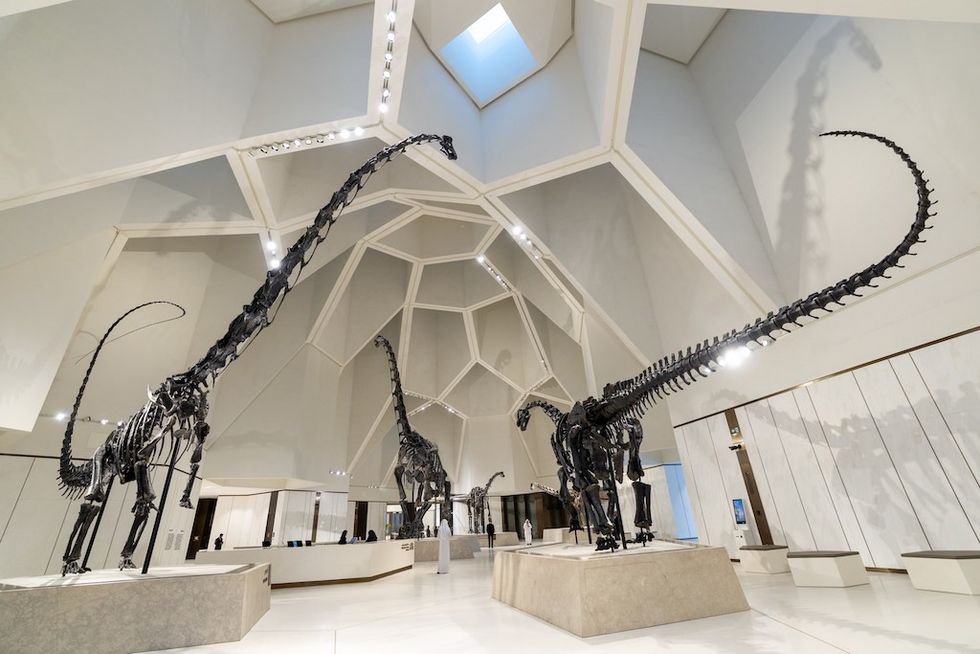
This approach is most evident in the atrium of the Natural History Museum, where the world's first display of a brontosaurus herd welcomes visitors.
Crucially, unlike other major exhibits of this kind, the public isn't cordoned off from the five specimens. Remarkably, this awe-inspiring experience takes place in just the first few minutes of a visit, and a face-to-face meeting with Stan is yet to come.
"Stan is one of the most complete T. rexes ever found, and it is one of our many beautiful fossils," says Al Mubarak.
"The opportunity for young kids walking in and seeing this colossal, massive sort of thing looking right at you. There is something special about that. Because one child is going to walk down here and could become a scientist in the next 10-15 years. That scientist could find a solution we don't know about yet."
"That is the power of these institutions. Whether it is looking at Stan, or looking at a beautiful Monet, or looking at a beautiful Basquiat." It is a lofty goal, and it is already paying off.
"His Highness Sheikh Zayed invested in this sector in 1950. We're still following that direction. We're seeing the fruits of that labour," explains Al Mubarak.
"Curators, cultural practitioners, conservators, museographers, the list goes on. These are jobs that didn't exist 20 years ago. They did not exist here. Now they are going to exist."
Miral's magic touch
It has cast a powerful spell on Abu Dhabi's economy too.
"From a visitor, the more experiences that you can tick the box of, the better," says Al Mubarak, adding that the diversity makes the city unique.
"I can go to the beach at 8 o'clock in the morning, and by 10, we're done. By 11, I can be at a museum. By 1, I can be at Warner Bros. World Abu Dhabi. At 6.30, I can take them to a theatre, then I can drop the kids back. At 9, I can take my wife and go see Sting play. You really can't do that in any other city."
And, true to his word, Sting did indeed play at the Etihad Arena on Yas Island in April last year.
The latest data shows that in 2024, 1.4 million people visited the Louvre Abu Dhabi, and Al Mubarak says, "This has grown double digits every single year since we opened."
Overall, visitor numbers to the hotels and museums on Saadiyat Island grew by 10% in 2024 and increased again by 14% in summer last year compared to 2024. Hotel occupancy on the island hit 66%, and the average daily rate was £203 (AED 1,000) throughout the summer.
Precisely as intended, the economy has become more diverse. During the first half of 2025, the UAE's Gross Domestic Product (GDP) grew 4.2% to £188.5 billion (AED929 billion) while its non-oil component increased by 5.7%, bringing it to 77.5% of the total.
In December, the UAE announced that tourism's contribution increased 9% to £52.2 billion (AED257.3 billion) in 2025, and it hopes to increase that to £91.3 billion (AED450 billion) by 2031.
"More importantly to me than the 1.4 million tourists, is the over 100,000 visits by school kids," says Al Mubarak. "That is what's very important for me.
"Walking down these museums and seeing these kids in awe of objects from thousands of years ago, or in awe of a painting by Rembrandt, or in awe of amazing archaeology, or a statue of Ramses, that ignition of curiosity and imagination to me is the return.
"Can anybody put a value on that? Can anybody put a value on that spark of curiosity? You can't." He adds, "The return is that spark. I believe in the power of that spark." He is putting his money where his mouth is.
All of the museums on Saadiyat Island are free for visitors under 18, and Miral is making a conscious effort to target them.
A recent campaign for the Natural History Museum featured an AI-generated talking dinosaur vlogging his days on Saadiyat Island, while the luggage at Abu Dhabi airport comes onto the carousels through huge dinosaur heads to capture the imagination of a younger audience in a creative way.
Investing in the youth
"That investment in culture is critical for us, and we do not see it as an investment in bringing in tours from all over the world. On the contrary, that is a secondary sort of approach.
"The primary approach of this is education to educate our future leaders, our youth, in the fields of music, dance, performance, the entire sort of creative industries as a whole, because we believe in the power of the creative mind, we believe in the creative industries."
Al Mubarak adds that "on a macro level, yes, there are massive commercial returns because a visitor, whether it's a cultural visitor or a tourist, will want to experience all these things. When you look at the micro, my continuous focus is on calling these educational institutions because I believe they will graduate future leaders.
"So they are a tool to graduate future leaders."
Stressing this, he says, "We're investing in our youth. I think we spend too much time talking about spending a billion dollars here or half a billion dollars here, and we just focus on that. This investment is for the next 10, 15, 20, 30, 35 years."
Testimony to this is the Guggenheim, which has reportedly been designed as a 22nd-century museum rather than a contemporary version of an established formula. It is due to incorporate augmented reality and artificial intelligence to tell visitors about the thought processes and environment behind an artist's work.
As the attractions are designed to still be standing in decades to come, it is likely that the current conflict in the Middle East will have been long forgotten by then, especially as the UAE's defences have dealt with the vast majority of the projectiles fired at it, and there has been no major damage.
The first theme park to open on Yas Island was Ferrari World in 2010, so the destination is already more than 15 years into its Vision 2030 diversification plan with at least another five years remaining. It is measuring progress in decades, not weeks, which is how long the current conflict has been underway for.
Against the backdrop of a three-to four-decade timeframe, a four-week war is barely even a blip.
A happy ending
Thanks to their indoor format, Miral's parks have stayed open throughout the conflict, continuing to diversify Abu Dhabi's economy precisely as planned.
In contrast, Dubai Parks and Resorts aren't currently open; the city's outdoor Global Village country-themed park is also closed; its Miracle Garden giant topiary trail has given away free tickets; and so has the nearby Aquaventure, the world's biggest water park.
Nevertheless, testimony to the strength of the themed entertainment sector in the UAE, Aquaventure's 2,000 daily free tickets are routinely snapped up within minutes, while huge queues have been seen on the roads leading to the Miracle Garden.
Likewise, entertainment discount card The Entertainer gave away free six-month membership cards and saw so much demand that its initial limit of 50,000 subscriptions was increased fivefold.
This latent interest helped Abu Dhabi to become one of the fastest cities to rebound from COVID, and Yas Island was at the forefront of this. It has built on that, and the current situation isn't holding it back. Over the past week, it has opened a new beach with eight new slides, which will debut at Yas Waterworld in early April.
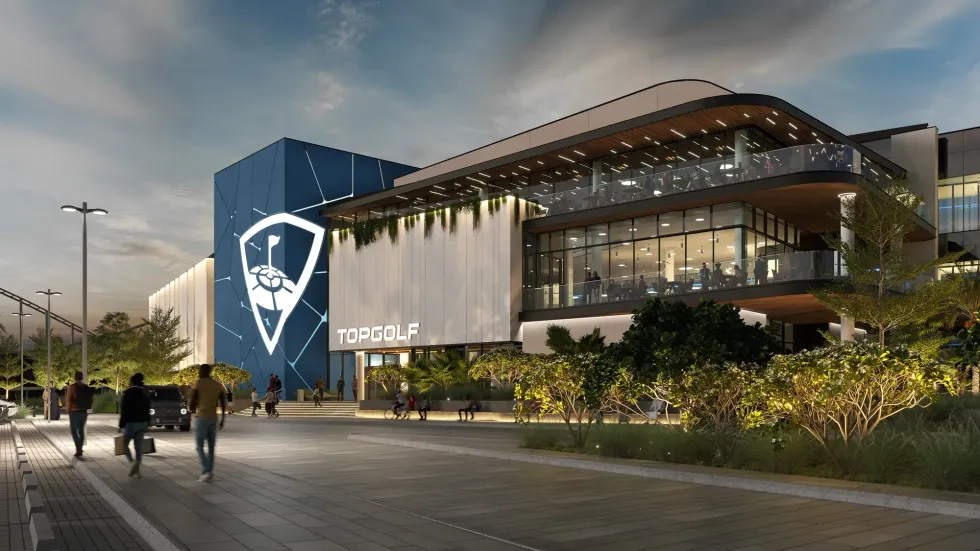
Further down the line, an outpost of Topgolf, a cross between a driving range and an entertainment centre, is also set to open on Yas Island.
Despite the complex situation, Miral's dynamic chief executive, Mohamed Al Zaabi, recently reaffirmed his commitment to developing the Disney resort in a LinkedIn message to Thomas Mazloum, chairman of the studio's Experiences division.
He followed it up by posting a photo from a meeting in London with Tasia Filippatos, managing director of Disney's international parks. These were more than just project updates, they signalled confidence, commitment and long-term vision at a time when it is needed most.
As Iger explained in a 2018 interview, these factors are all crucial to Disney when it is deciding where to locate a theme park. "When we make decisions like this, we consider cultural issues, economic issues, and political issues. And it may seem simple, but it’s far more complex."
Even the Disney park aligns with Al Mubarak's aim of sparking imagination in a new generation, as it is designed to immerse them in worlds from Star Wars, Marvel, and other famous fantasy stories.
"We just want to ignite imagination. I love the power of imagination, and I think society tries to drag us down and tell us, ‘don't imagine any more’," he says.
"As a little kid, at one point, they say, ‘you can't do that’, ‘don't think that’ and ‘don't think this’, ‘Star Wars can't be real’, but in reality, why? Why not?"