
Why do some families still not feel like children’s museums are for them?
It’s an important question, because the issue is often not whether a museum cares about belonging, but whether belonging is something visitors can actually feel.
That’s what made the recent Association of Children’s Museums conference theme especially relevant and resonant for our team as we look to the work ahead: The Fabric of Belonging: Crafting Spaces for Connection and Resilience.
Children’s museums are already doing thoughtful, mission-driven work to create spaces that are welcoming, inclusive, and responsive to their communities.
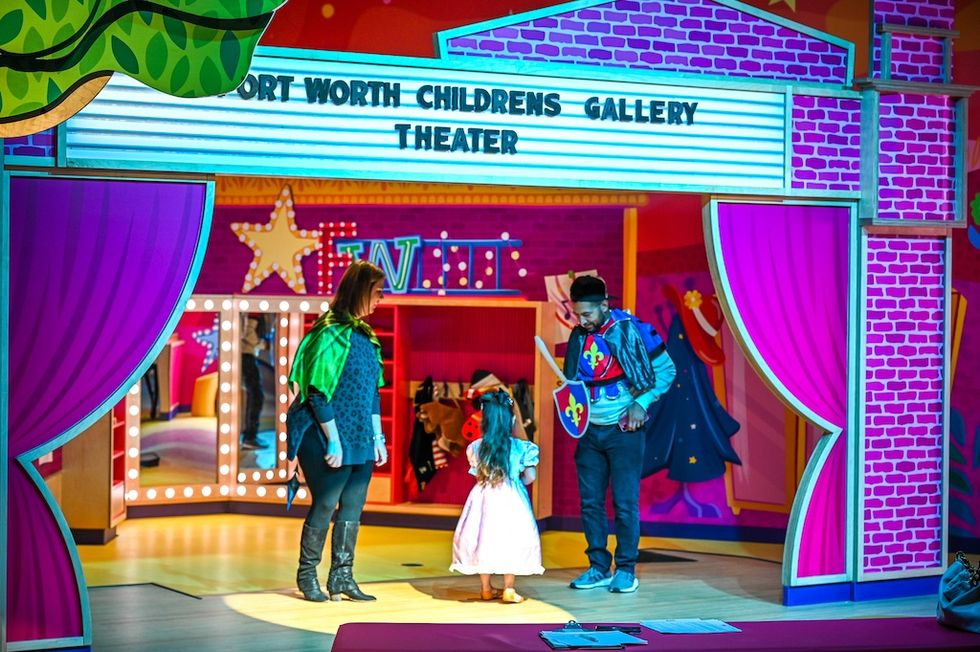 Fort Worth Museum of Science and History
From a design perspective, we see this work come to life through experiences that help children and caregivers recognize themselves, their communities, and their role in the museum.
And while some of these choices may seem small, they can have a big impact. Belonging is built thread by thread, through simple, intentional design choices: authorship, familiarity, comfort, representation, and confidence.
When those elements come together, families are more likely to feel that this place was made with them in mind.
Here are five design threads that can help make that happen.
1. The hand of the child is present in the experience
One of the clearest signals of belonging is evidence that children have shaped the experience in some way.
That might mean visible traces of child input, participatory development, prototyping with young audiences, or environments that clearly prioritize making, touching, trying, and revising. The experience carries the marks of use, iteration, and discovery.
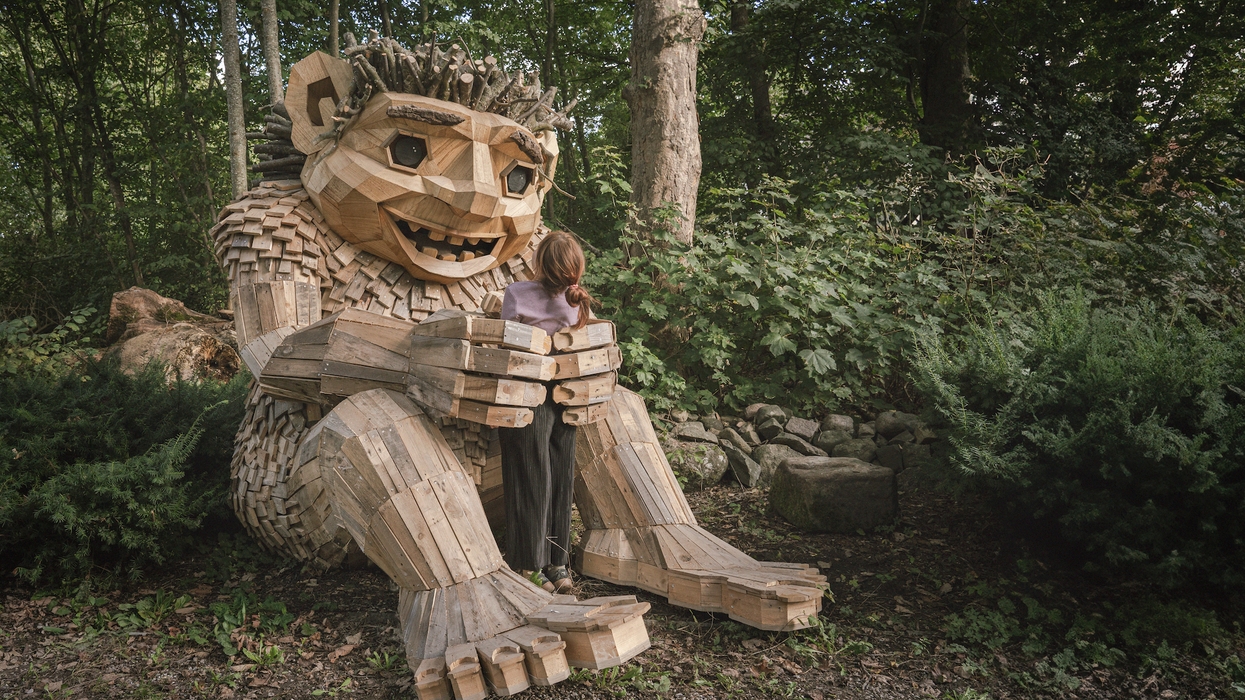
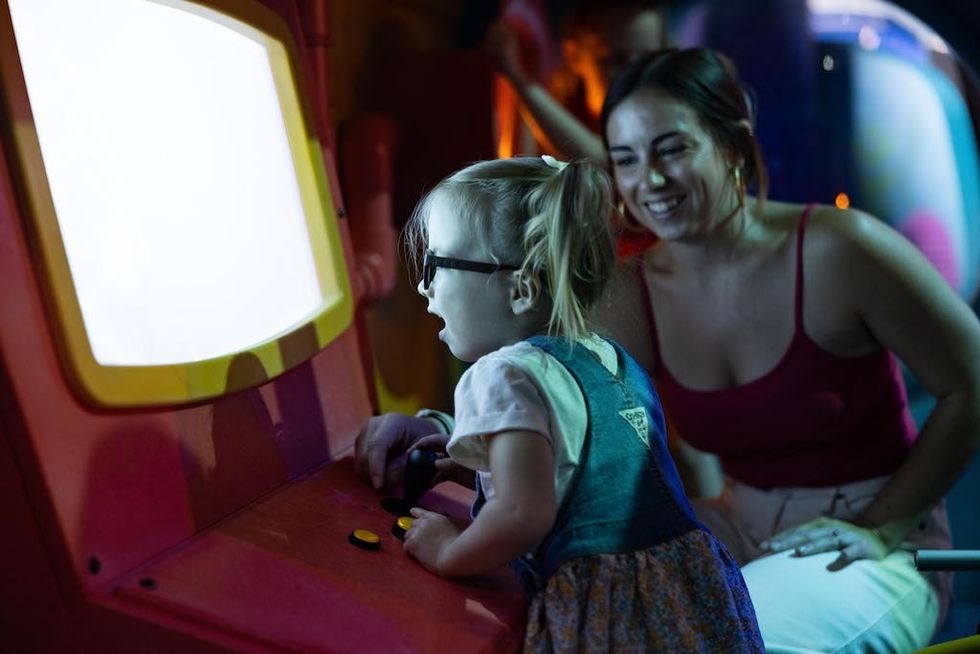 Nauticus Aquaticus
This approach captures something essential: children are not just the audience for a museum. They are among the people who help define what it can become. Their perspectives should materially influence the experience.
When children can see and feel that a space was shaped with them, not just for them, the museum begins to feel less like a place of instruction and more like a place of co-creation.
2. The space reflects the community it serves
Visitors are constantly reading a space, often very quickly, for cues about who it represents, who it values, and who helped shape it. Local artists, community-informed visual language, regionally specific references, and stories that reflect the people in the community all help visitors quickly understand that this institution is authentically theirs.
When visitors can recognize their own culture, landscape, or lived experience in the environment, the museum feels more connected. It starts to feel like it belongs to their community and has been shaped by it.
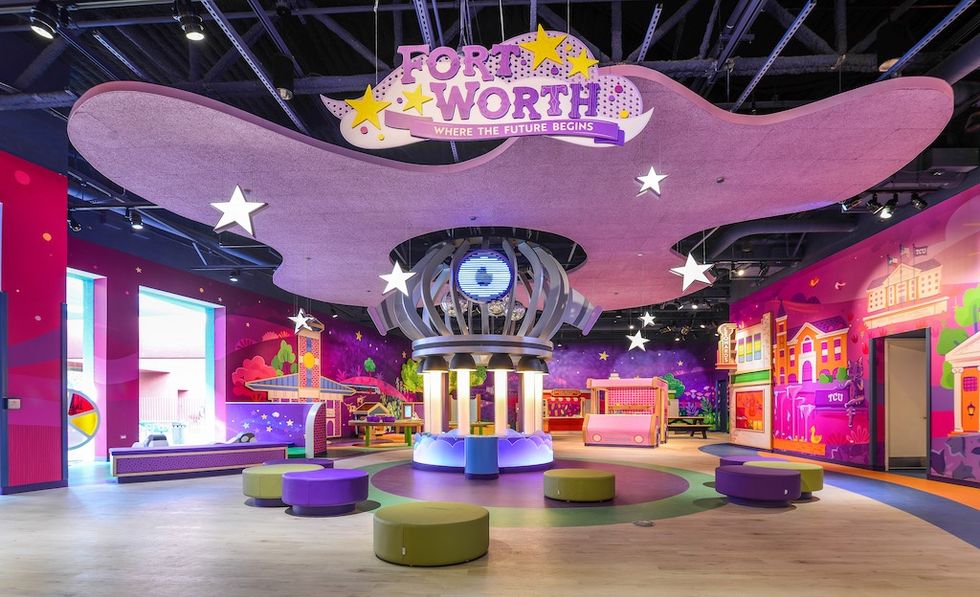 Fort Worth Museum of Science and History
Roto’s recent work on the Fort Worth Children’s Gallery is an example of how this can take shape in practice: where the design creates an environment that feels unmistakably Fort Worth and unmistakably new.
3. Caregivers feel considered and confident
Children do not visit museums alone, and if the adults who bring them feel stressed, disoriented, judged, or unsupported, that affects the whole experience.
This is why belonging in children’s museums requires thoughtful design with caregivers in mind. Clear wayfinding, good sightlines, places to pause, comfortable seating, and intuitive circulation are all part of the emotional infrastructure of welcome.
But comfort alone is not enough. One of the most generous things a children’s museum can do is help adults feel capable inside the experience.
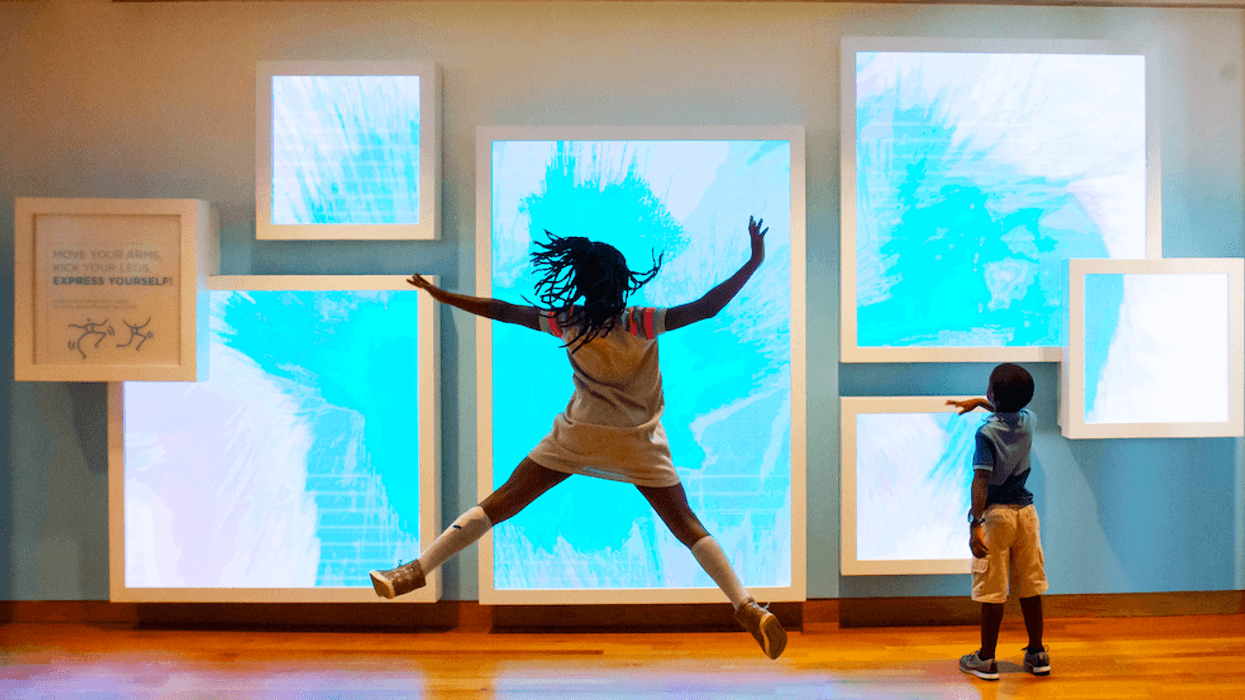
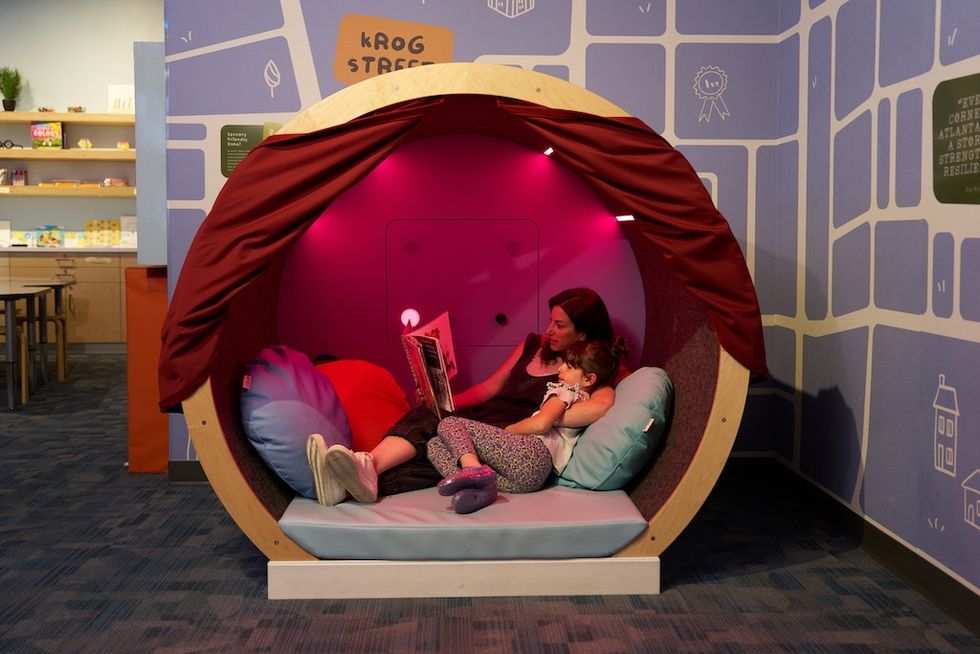 Atlanta History Center
Prompts that invite them into play, graphics that explain the learning in plain language, and messaging that is warm, humorous, and affirming can help caregivers feel that they belong in the learning process, too.
4. The space provides gentle entry points and places to pause
A welcoming children’s museum does not ask every visitor to operate at the same level of sensory intensity.
Some families arrive ready for noise, energy, and immersion, while others need a gentler threshold. Many children need both at different moments in the same visit.
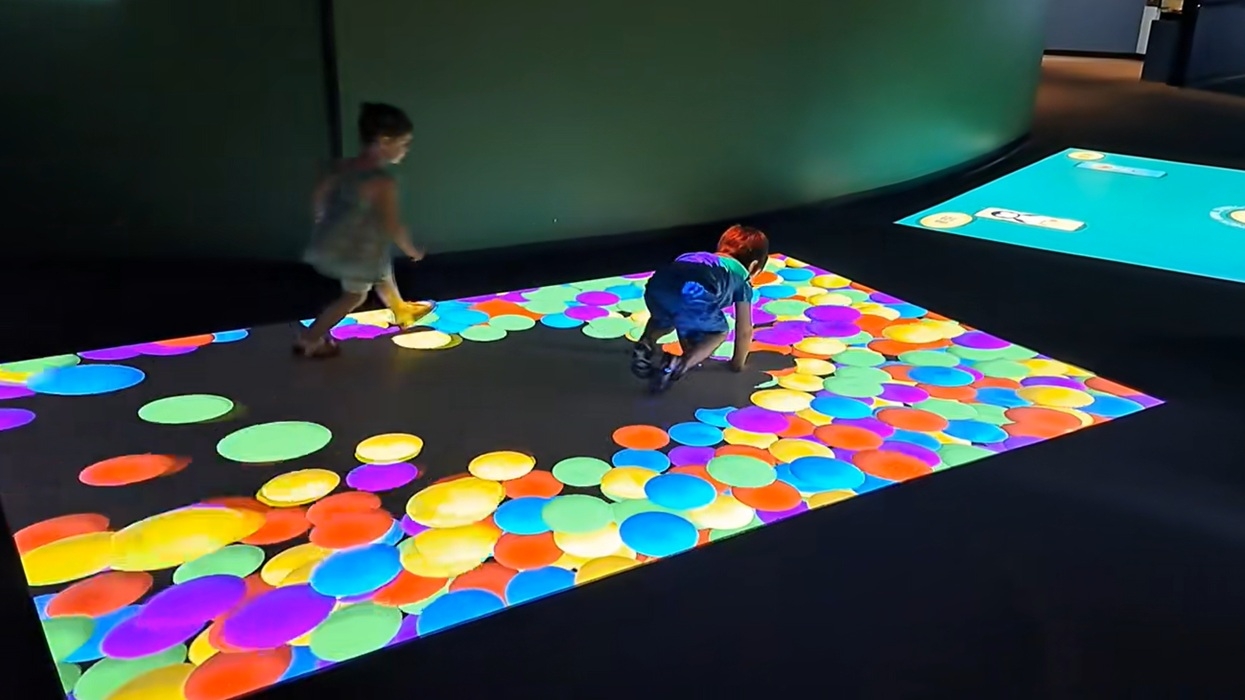
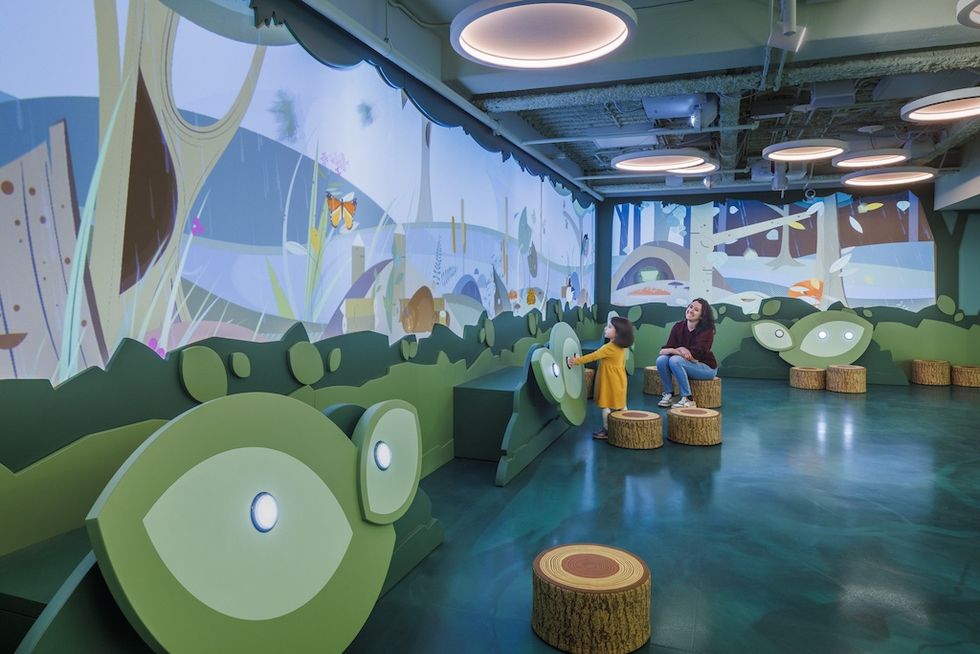 Discovery World on Market
One useful strategy is to think in gradients rather than a single experiential volume. Calmer entry points can gradually lead into more active zones, giving visitors clear choices about how deeply and quickly they want to engage.
This matters because belonging is both sensory and social. When a museum offers variation, places to pause, and moments to regroup, it becomes more manageable and more inclusive.
5. Belonging requires participation, not just representation
It’s important for families to see themselves reflected in a museum, but belonging goes further than being depicted. A family may notice inclusive imagery, diverse characters, multiple languages, or community references and still leave without feeling that the space was truly for them.
Representation is only one layer. Participation is another.
Visitors need to feel that they can do something here, shape something here, and bring something of themselves into the experience.
That’s where evaluation becomes essential. It allows teams to test ideas early, listen, and adjust based on how people engage. It also reinforces a critical shift from designing for communities to designing with them.
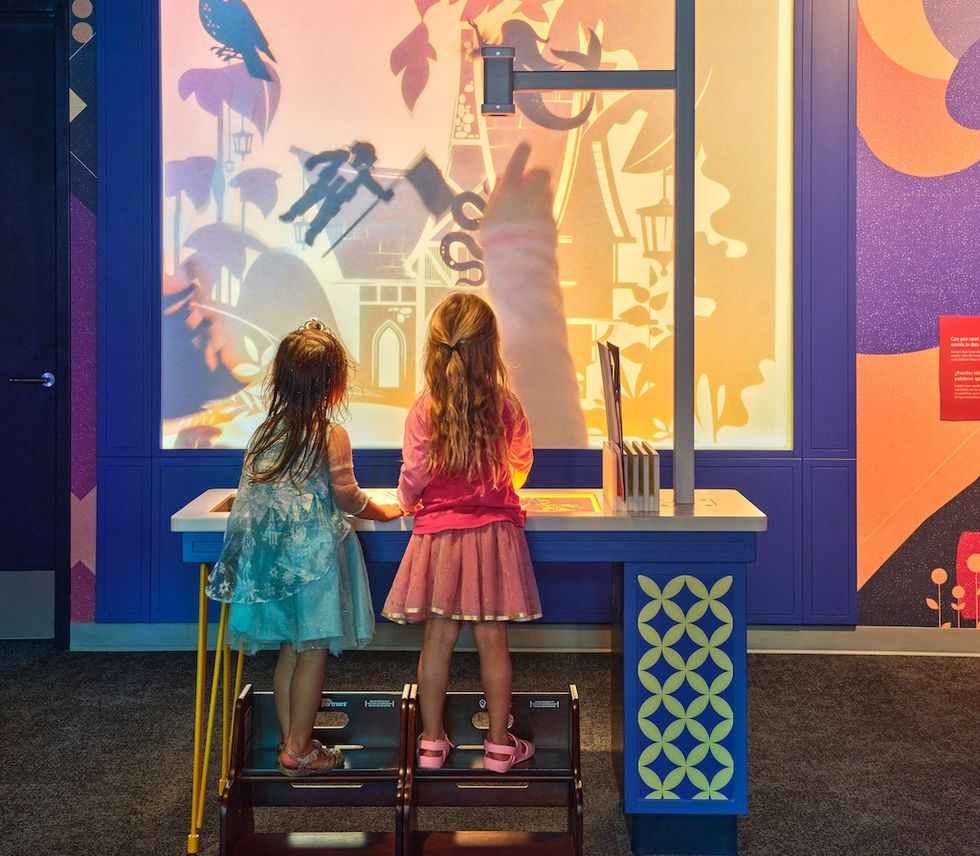 Kaleideum
Participation makes belonging active. It moves the museum from presentation to relationship, and from intention to something families can genuinely feel.
Belonging is shaped through layers of design that influence how a visit feels from the start. The museums that will reach more of their communities are not simply the ones that say everyone is welcome, but the ones that make that welcome something families can actually feel.
Like any strong fabric, it’s built with intention, thread by thread.