Destinations, including theme parks, water parks, museums, and brand operators, are investing in immersive trends such as food, retail, nostalgia, and digital technologies to appeal to modern visitors.
From wellness-focused installations and immersive dining to nostalgic entertainment and themed retail, the ways in which visitors can interact with immersive entertainment spaces are rapidly expanding.
Keep reading to discover blooloop’s top immersive trends for 2026.
Wellness experiences
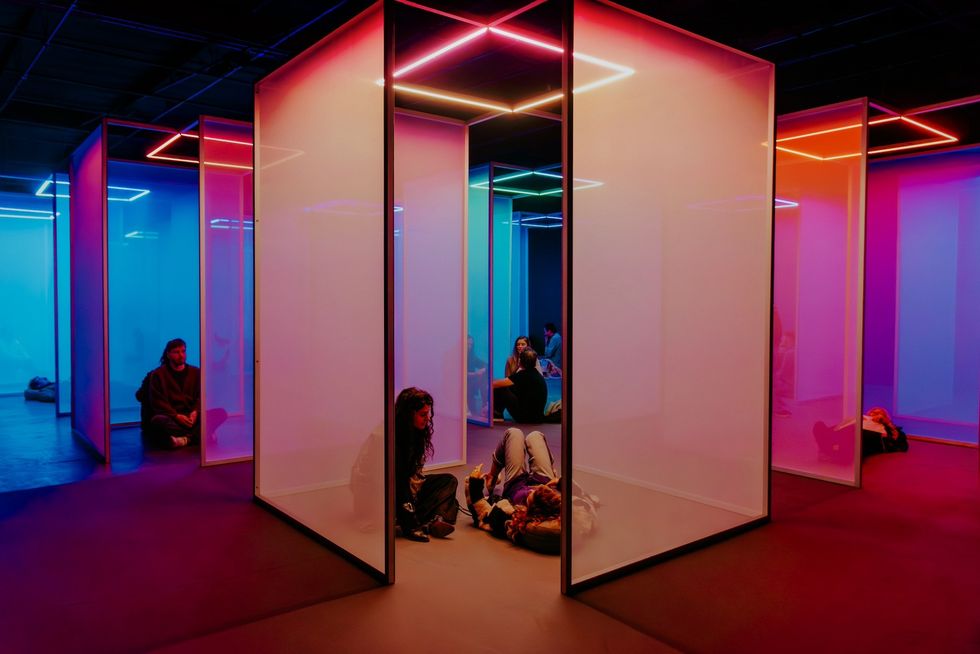
The wellness trend in the attractions sector and beyond has been growing significantly in recent years. With the wellbeing economy projected to grow from $5.6 trillion to $8.5tn by 2027, operators of visitor experiences are seeking to provide guests with new ways to relax and prioritise their health.
From zoo-based nature immersion programmes to immersive wellbeing experiences in museums and heritage sites, wellness offerings in this field are evolving into interactive, sensory-driven experiences.
Immersive elements and innovative technologies, for example, are utilised in art and sauna exhibitions by teamLab and psychedelic breathwork sessions at Area15.
Other experiences at Area15 have included yoga with state-of-the-art sound and 360-degree projections, as well as Ecstatic Dance.
Also in Las Vegas, Electric Playhouse provides an immersive wellness experience that merges yoga, guided meditation and sound healing with the venue’s 360-degree immersive visuals. In addition to the wellbeing event, Electric Playhouse has added healthy food options to its bar menu and introduced more non-alcoholic beverages.
Over in Los Angeles’ Chromasonic Field environment, light and sound are used to promote states of relaxation, increased mindfulness, and a heightened sense of wellbeing.
Here, sound frequencies are translated into light, and light frequencies into sound, using proprietary, cutting-edge technology called Chromasonic Refrequencing. This is combined with spatial design in the installation.
Story-driven F&B
Multi-course immersive meals, story-driven restaurants, and elevated dining experiences are popping up in attractions across the world as F&B becomes a form of entertainment in its own right.
Even Disney parks, which already house many themed F&B venues, are innovating in this space. Disneyland Paris, for example, has opened a French fine-dining restaurant serving dishes themed to Disney films, including the poison apple from Snow White and the Seven Dwarfs.
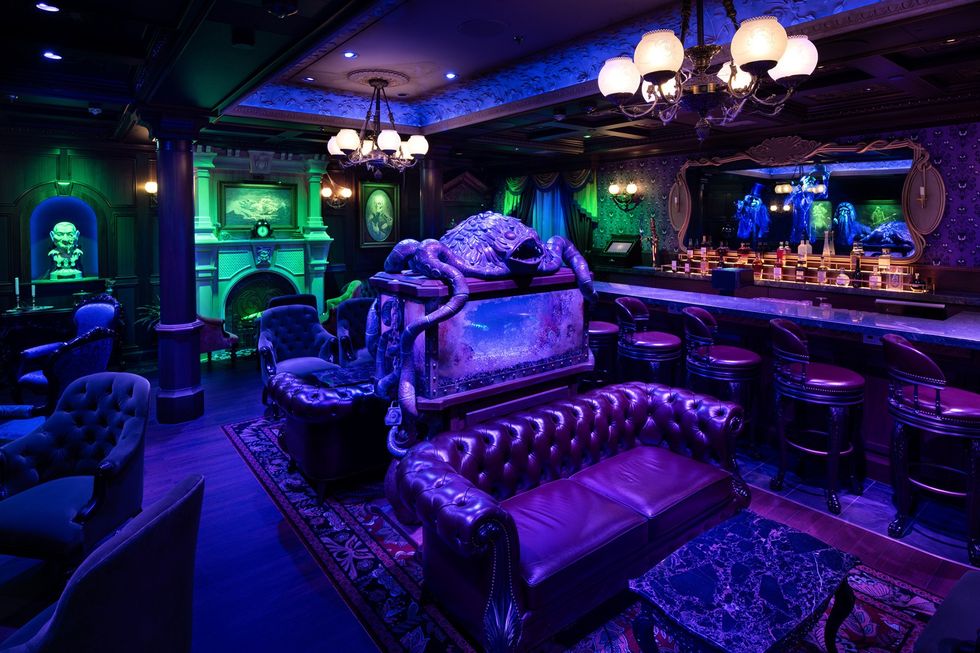
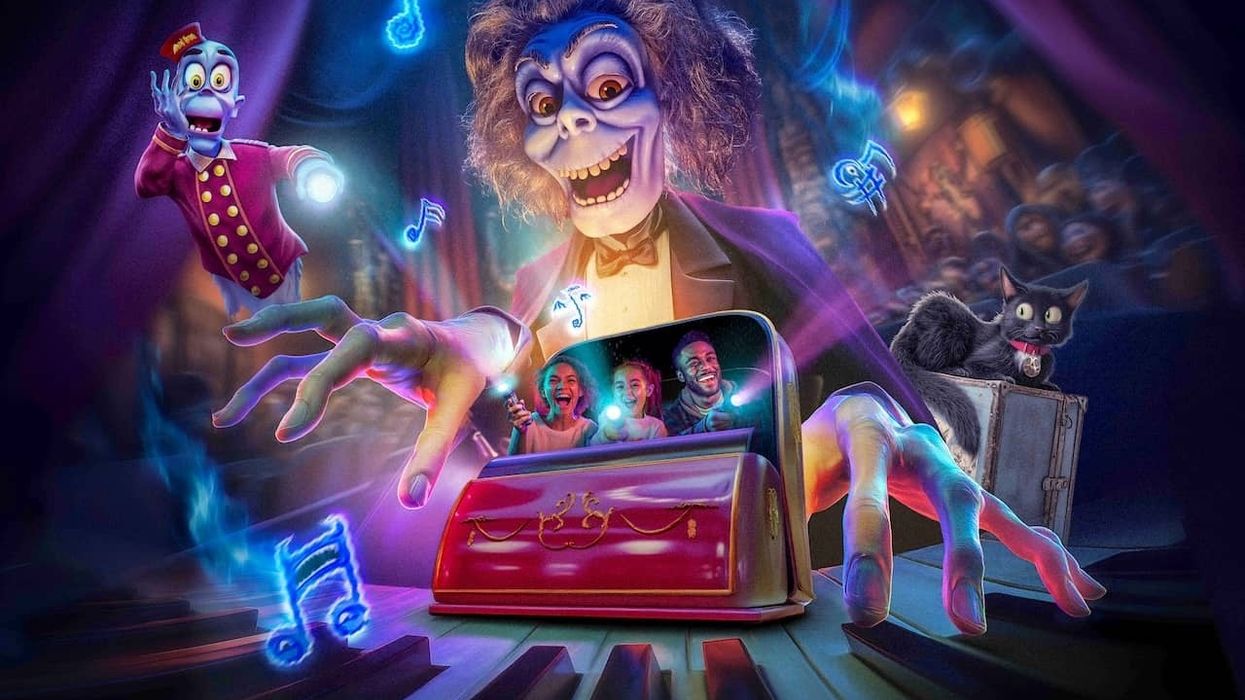
Disney World’s Magic Kingdom has launched a Pirates of the Caribbean-themed bar called the Beak and Barrel that extends the iconic ride’s narrative world, and Disney Cruise Line has introduced a Haunted Mansion Parlor that serves as a working bar and an attraction.
A different cruise-based F&B experience is 360, An Extraordinary Experience – a sensory dining attraction by Princess Cruises that stimulates all five senses using panoramic visual media displayed on curved LED walls, as well as scents, a bespoke soundtrack, and interactive tabletops for tactile engagement.
At Europa-Park in Germany, Eatrenalin is a media-based, multi-sensory restaurant where guests are seated on ride vehicles for a 10-course fine-dining meal.
Outside of parks, another concept is a pop-up called Fork n’ Film that recreates dishes from films, including Mean Girls, Holes, Beauty and the Beast, Mulan and Alice in Wonderland.
These culinary creations are served at the exact moment that they appear on screen, and are combined with state-of-the-art visuals and surround sound.
Nostalgic attractions
Demand for retro location-based entertainment (LBE) experiences is surging in the visitor attraction sector, with operators attempting to drive revenue via the human experience of nostalgia.
Currently, the retro attractions trend is largely driven by millennials, a generation nostalgic for their own childhoods and keen to share those experiences with their children.
As such, many 1980s and 1990s brands are being transformed into visitor experiences, with more expected in the near future. Recent examples range from a Teletubbies-themed rave at Area15 to a nostalgic '90s production on Norwegian Cruise Line ships.
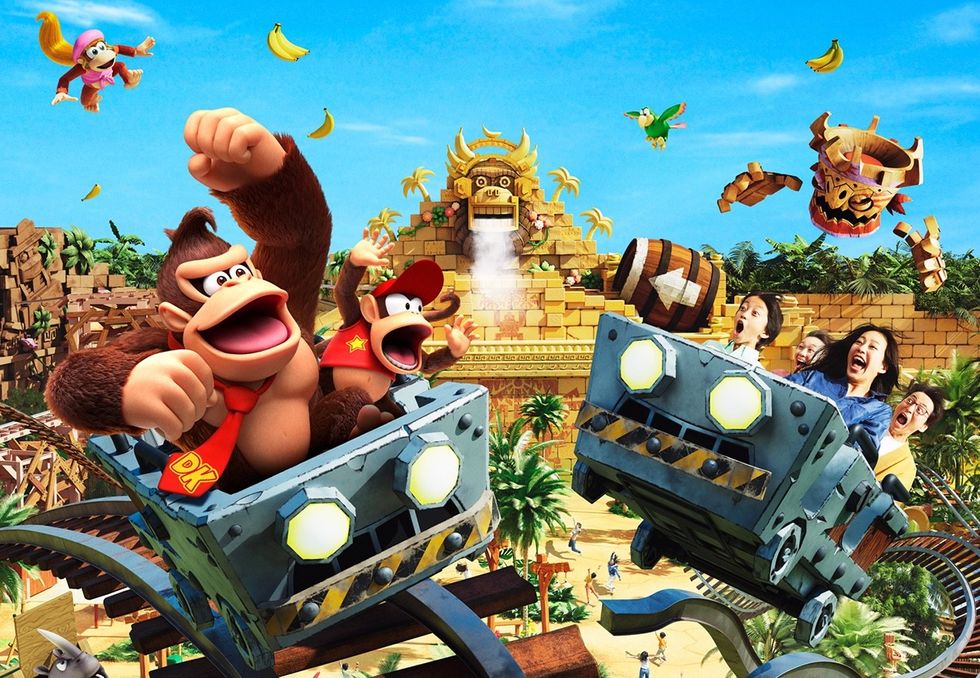
And then there are the Donkey Kong Country expansions at Universal parks, inspired by Nintendo's 1981 arcade game, and the planned RetroEscapes theme park. This will immerse visitors in lands themed to the 1950s, '60s, '70s, '80s and '90s.
At RetroEscapes, guests will enjoy rides, attractions, retail outlets, F&B, and live entertainment "tailored to the unique cultural and aesthetic elements of each of the five decades".
As for Universal’s Donkey Kong Country, highlights include interactive experiences, themed F&B, and the Mine Cart Madness coaster, which boasts an unprecedented ride system and a unique coaster design.
Immersive technologies
Visual technologies such as holograms, projection-mapping experiences, and high-res LED environments are also on the up in the attractions business, with operators merging physical venues with digital artistry to provide fully immersive spaces.
ABBA Voyage, for example, puts the band on the stage in a whole new way with a mixture of cutting-edge technology, immersive lighting, and ABBA’s iconic songs.
The band members' digital avatars, or holograms, are top-of-the-range, created by Industrial Light & Magic (ILM), the visual effects company founded by Star Wars creator George Lucas.
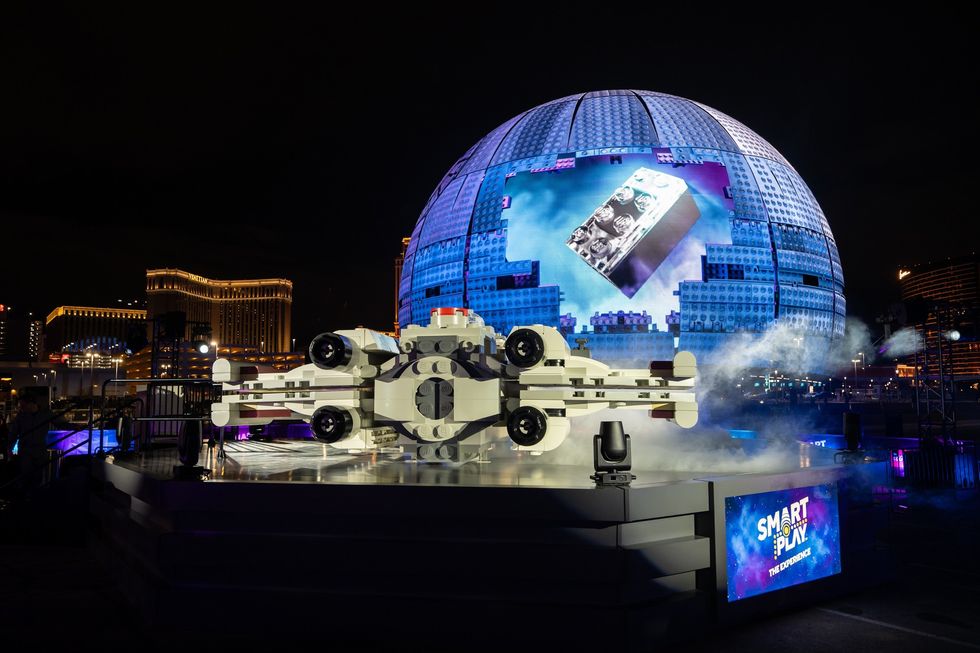
Another immersive concept is the €2.3bn Sphere entertainment venue in Las Vegas, which boasts the world’s largest and highest-resolution LED screen, as well as an exterior with 580,000 square feet of LED lighting.
Known as the Exosphere, the venue’s outer surface has even been transformed into a Lego Star Wars-themed interactive game experience.
In the museum world, BASE Xperiential has introduced the HoloTheater. This purpose-built immersive theatre integrates giant-screen cinema, panoramic films, and cinematic special effects with huge holograms that step off the screen and appear right in front of audiences – all without the need for glasses or goggles.
And at Florida’s Universal Orlando Resort, the reimagined CineSational: A Symphonic Spectacular nighttime show integrates choreographed fountains, synchronised drones, projection mapping, custom animations, media, coordinated drones, and pyrotechnics.
“We worked hand in hand to develop a product that was not just great in terms of storytelling and its ability to capture the audience, but that pushed the boundaries of what was possible from a technical standpoint,” TAIT principal Jason McManus, also CineSational’s executive creative director, told blooloop.
Unique water parks
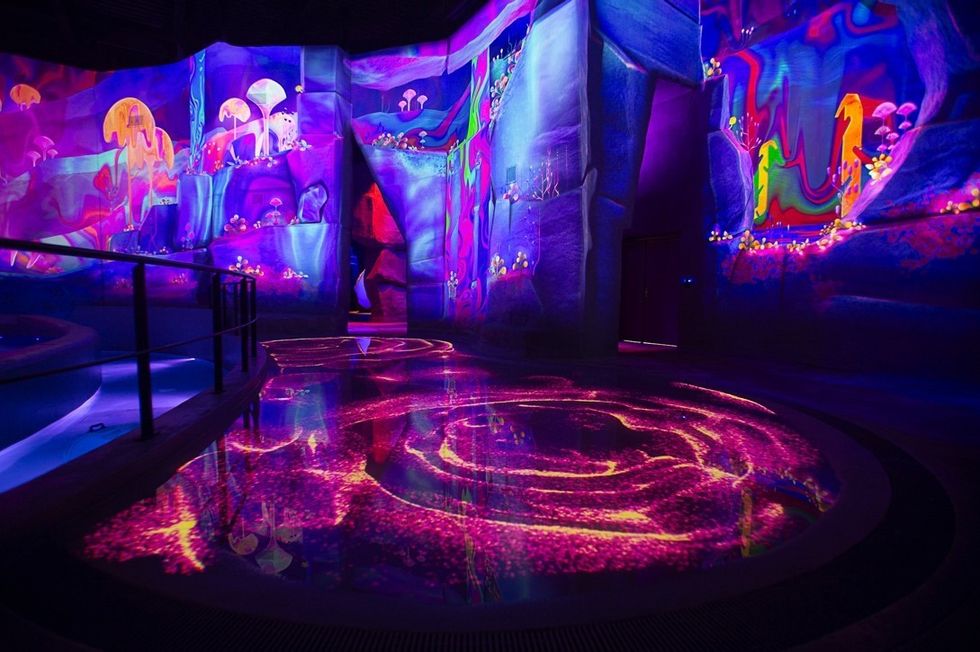
Water parks are progressing from collections of slides and pools into highly immersive entertainment environments. Instead of simply focusing on physical thrills and standard theming, aquatic attractions are increasingly incorporating theme park-style environments, immersive design and advanced technologies to attract more visitors and drive revenue.
Take Aquascope, a unique water park by French theme park Futuroscope. Main features include an immersive zone developed with Moment Factory, called 'Les Abysses de Lumière', featuring digital technologies such as projection mapping, lighting, and choreographed water effects.
Rodolphe Bouin, CEO of Futuroscope, told blooloop: “When we thought about this project, we didn't want to follow in the footsteps of our competitors and propose yet another park with palm trees and pirate ships.”
Toy and family entertainment company Mattel is also making a move into the water parks business with its immersive aquatic destinations. These will offer thrilling attractions inspired by iconic brands like Barbie and Hot Wheels.
Therme Group is already a pioneer in immersive water park design. The company’s facilities offer thermal bathing, spa treatments, mineral pools, saunas and wet rooms, along with lush greenery, immersive art, and thrilling waterslides.
Therme’s newest immersive experiences use visuals, sound, scent and water to reduce stress and promote wellness.
Submersive, an immersive spa proposed by Meow Wolf co-founder Corvas Brinkerhoff, will feature immersive art, video projections, lasers and AI technology.
Urban immersive
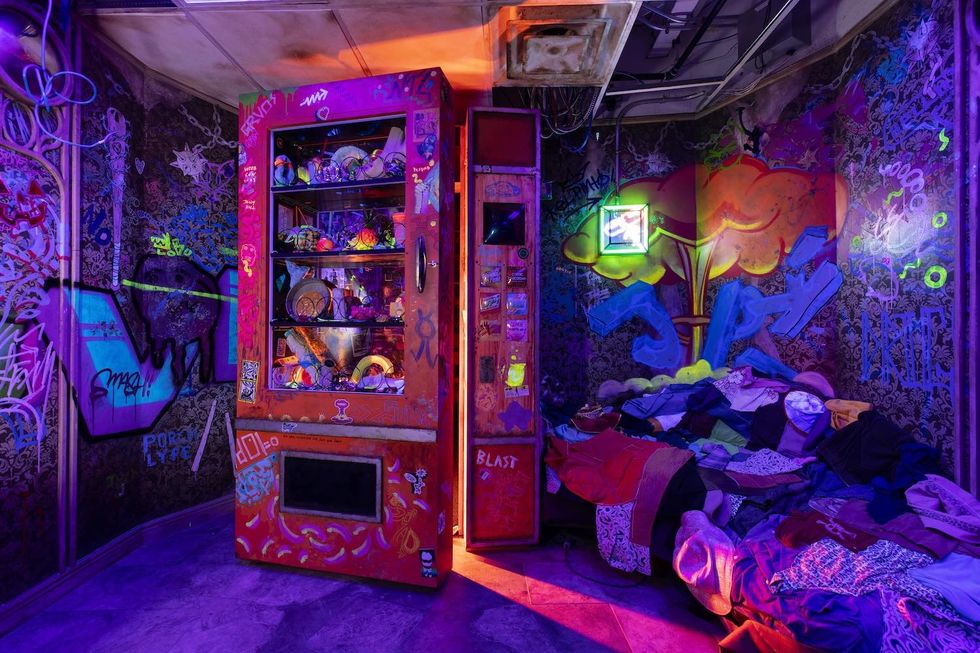 Kate Russell / Meow Wolf
Urban immersive is another trend to watch, with brands and operators investing in smaller parks in cities, shorter experiences with content refreshes, and indoor immersive spaces, such as Camp’s unique retail concept.
Examples of other low-cost (and sometimes high-tech) attractions include Merlin’s move into immersive experiences in shopping malls and Netflix House venues, which are also immersive experiences in malls but based on the streaming service’s brands.
Meow Wolf, an immersive art pioneer, now operates attractions in urban destinations including Las Vegas, Santa Fe, Denver, Grapevine and Houston. The Real Unreal in Grapevine, for example, is located in a former Bed, Bath & Beyond at Grapevine Mills in the Dallas-Fort Worth metroplex.
“Malls have been such an incredible and weird part of the American story, especially for a lot of us that grew up in the ’80s and ’90s,” said Vince Kadlubek, Meow Wolf co-founder and director.
“It is an exciting thought that these spaces could be filled with incredible art and immersive experiences, opening a new era of opportunity for the creative economy.”
As well as expanding its major theme park resorts, Universal Destinations and Experiences is in the middle of a smaller-scale expansion plan. Projects include the new Universal Horror Unleashed venues and Universal Kids Resort in Texas. One of the Unleashed attractions is at Area15 in Las Vegas with Meow Wolf’s Omega Mart.
"Our focus on expanding the Universal brand to new people, in new places and on new platforms is well underway,” said Mark Woodbury, chairman and CEO of Universal Destinations & Experiences.
Gothic revival
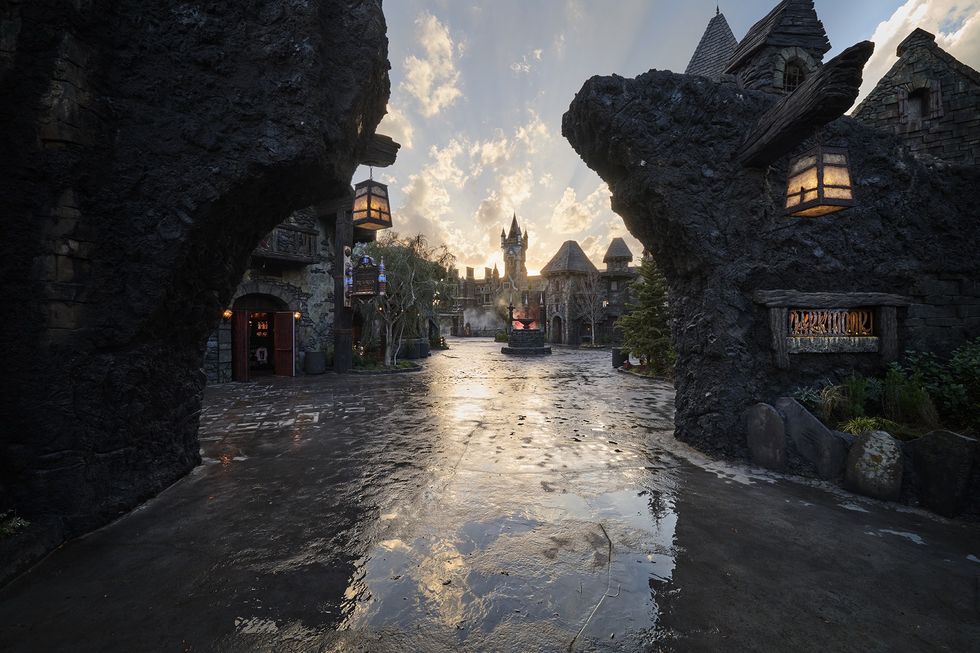
The Gothic trend has become increasingly popular in the attractions industry and beyond. Gothic themes, which can include dark architecture, spooky settings, supernatural elements and dramatic storytelling, are innately immersive, creating atmosphere and suspense.
Universal is the obvious contender in the gothic space, with a whole land at the new Epic Universe theme park dedicated to its classic monsters.
Dark Universe at Epic Universe is set in an eerie town called Darkmoor with themed F&B, thrilling rides, and exclusive merchandise. One attraction, Monsters Unchained: The Frankenstein Experiment, is billed as Universal Orlando’s most terrifying to date.
Elsewhere, Dracula Land, a new €1 billion theme park destination with three Dracula-themed hotels, has been launched in Romania.
Located near Bucharest, the 160-hectare project is described as an entertainment, retail and technology destination. It promises a multi-sensory experience rooted in authentic Romanian mythology.
On a smaller scale, an immersive, theatrical tribute to Gothic fiction author Anne Rice took place last November. Downtown FabWorks helped to deliver the event at the historic Orpheum Theater in New Orleans, US.
Also late last year, a new exhibition themed to Guillermo del Toro’s 2025 adaptation of Mary Shelley's Frankenstein was staged in London.
“This film concludes a journey for me that started at age seven, when I saw James Whale’s Frankenstein films for the first time,” Del Toro said. “Gothic horror became my church, and Boris Karloff my Messiah.”
Another concept, a Gothic yoga experience, combines the trends for immersive wellness and dark themes.
Themed retail
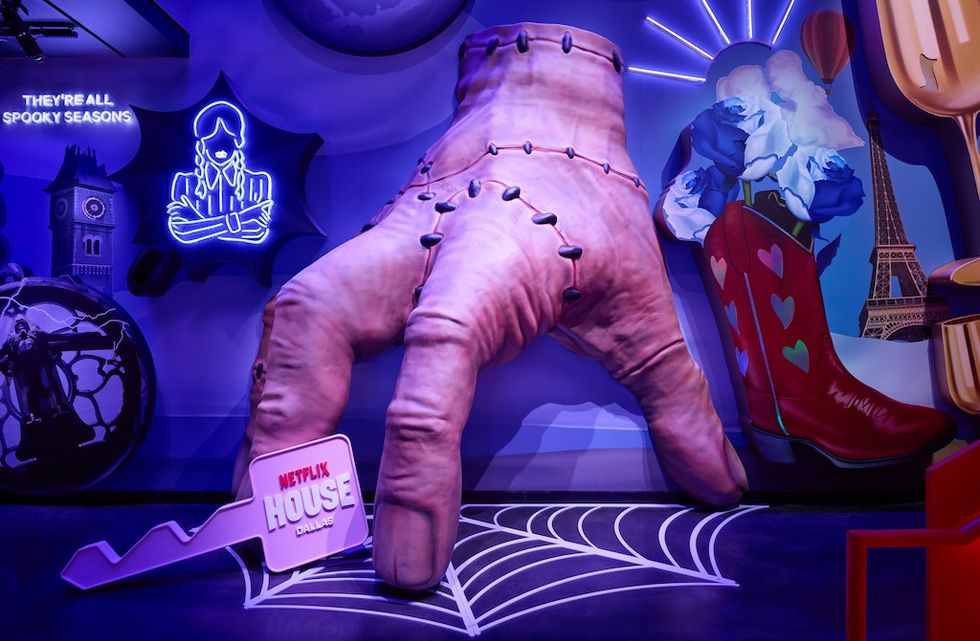
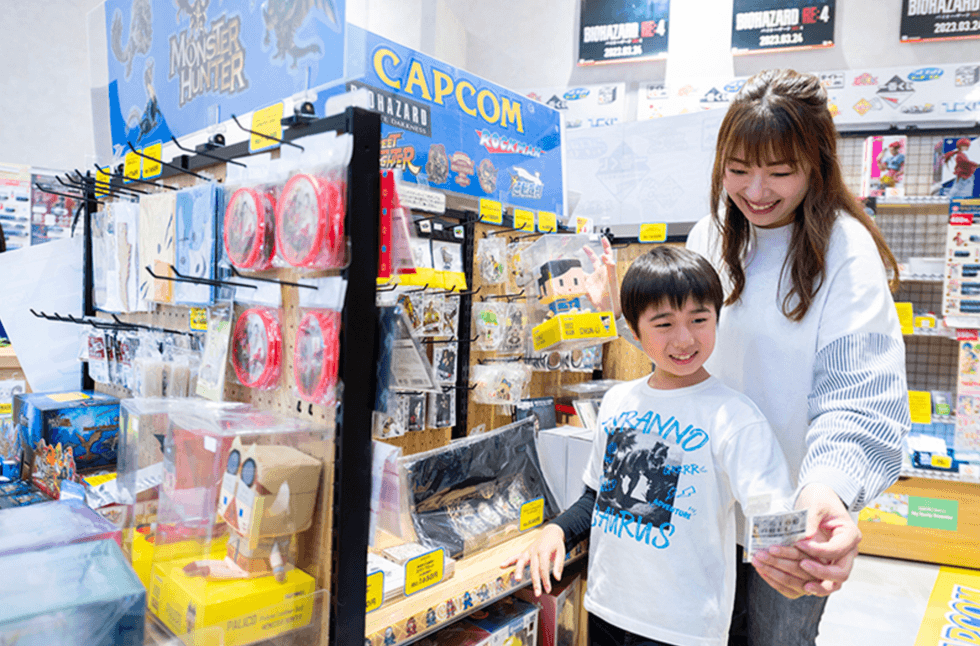
From extending the visitor experience through to the gift shop to developing retail attractions in their own right, themed shopping experiences are becoming a key focus in this sector.
Instead of traditional gift shops, many attractions now design retail spaces with detailed sets, themed merchandise and interactive elements. Other operators, like Camp, are creating chains of smaller-scale retail destinations.
Camp is a family experience company with a play/product hybrid model. Found in cities across the US, its venues serve as toy stores, party venues and immersive theatre spaces.
“Experiential retail and immersive experiences have evolved to the point that they get to be their own thing now,” Arik Lubkin, VP of experience design at CAMP, told blooloop’s Festival of Innovation.
When looking to extend the guest experience to its themed store, the Center of Science and Industry (COSI) in Columbus, Ohio teamed up with SSA Group.
As part of the initiative, the attraction’s interactive, science-themed store was redesigned to feature a multi-layered window vignette with colour-changing LED lighting, an eight-foot-tall roaring T. rex, an interactive AR sandbox, a space mission experience, and a nitrogen ice cream bar.
“Our goal with that was to create a store that was an extension of the COSI experience,” said Jacki Sorvillo, SSA Group’s chief retail officer.
A similar concept is from Lumsden, which collaborated with Netflix to create immersive retail environments for the new Netflix House attractions.
“Netflix House signals a shift in how retail is conceived within visitor experiences,” said James Dwyer, owner and creative director at Lumsden.



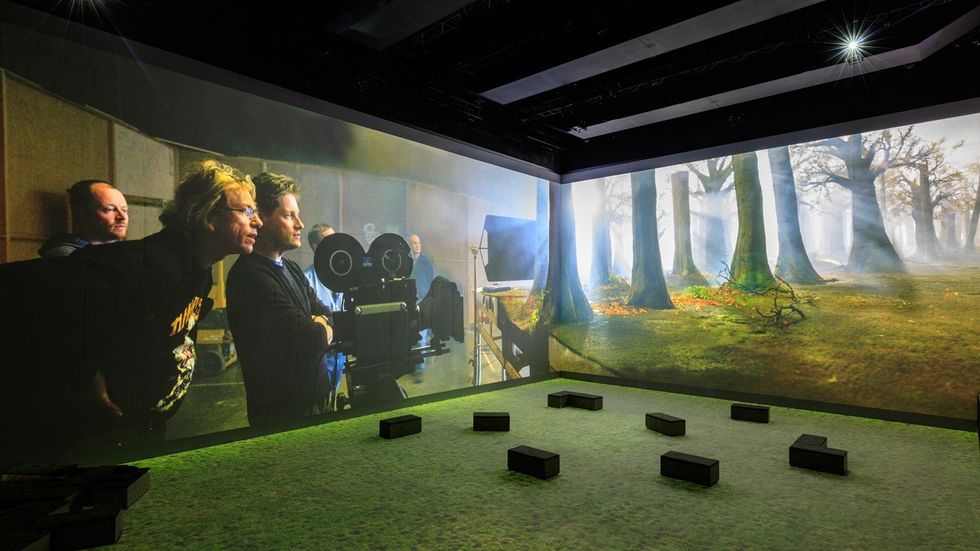 Credit Justin Sutcliffe
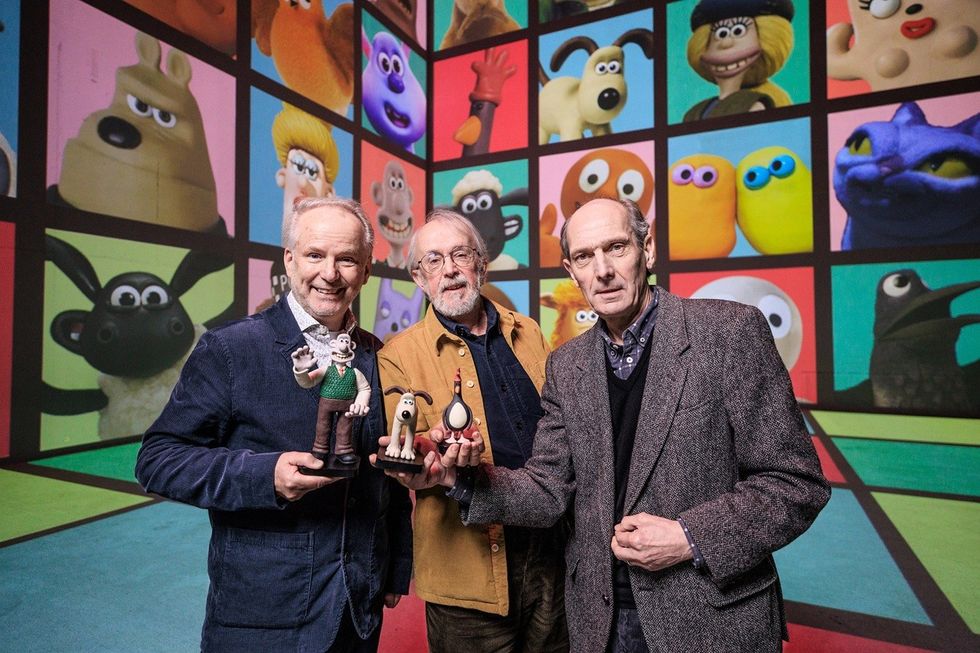 Nick Park, Peter Lord, and David Sproxton Credit Justin Sutcliffe
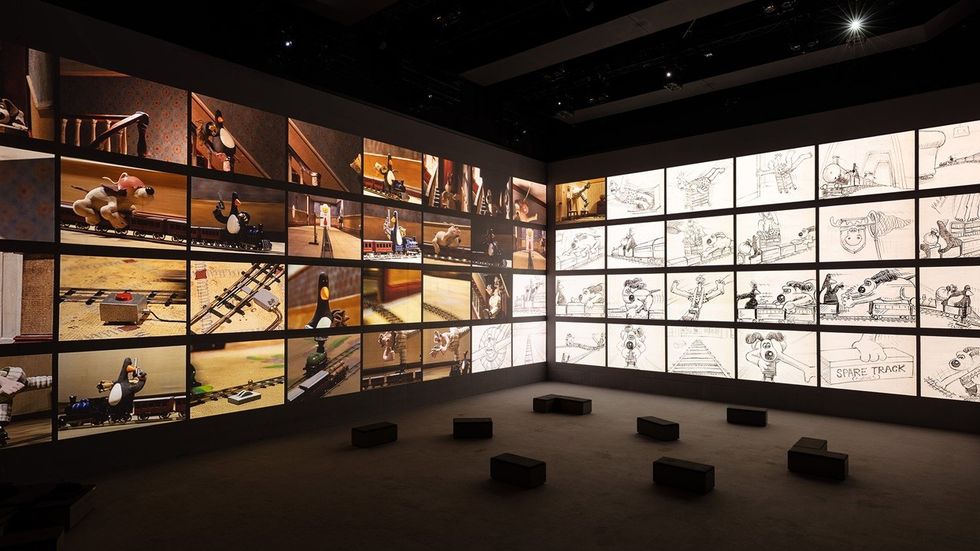 Credit Justin Sutcliffe
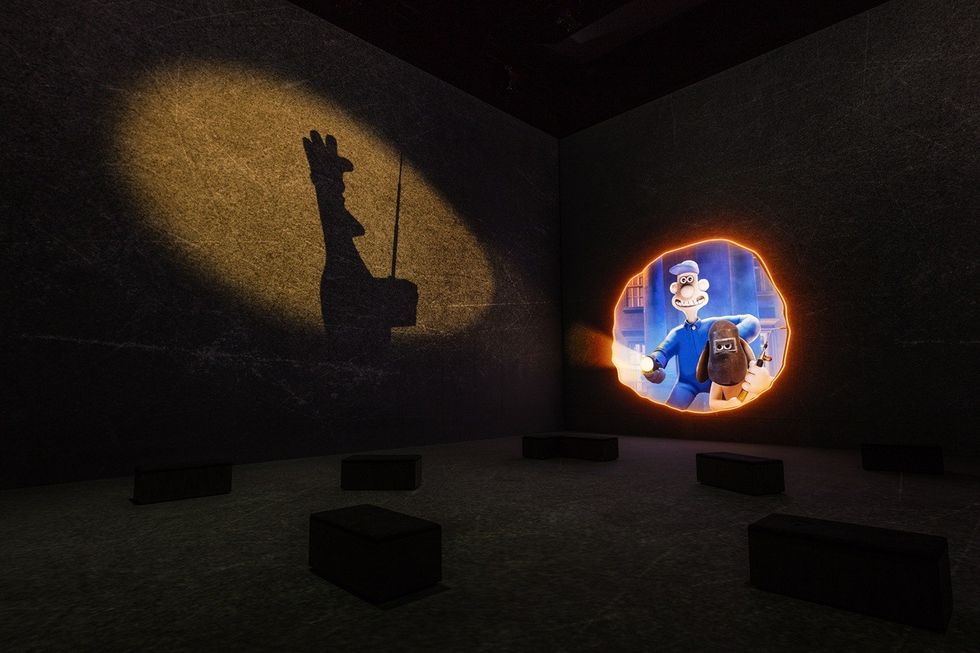 Credit Justin Sutcliffe
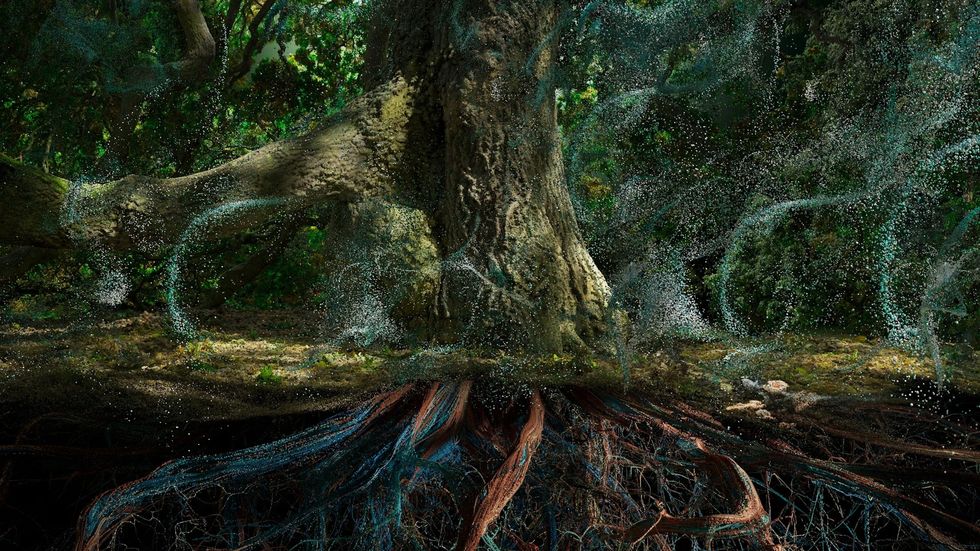 Of the Oak Image credit Royal Botanic Gardens, Kew & Marshmallow Laser Feast
 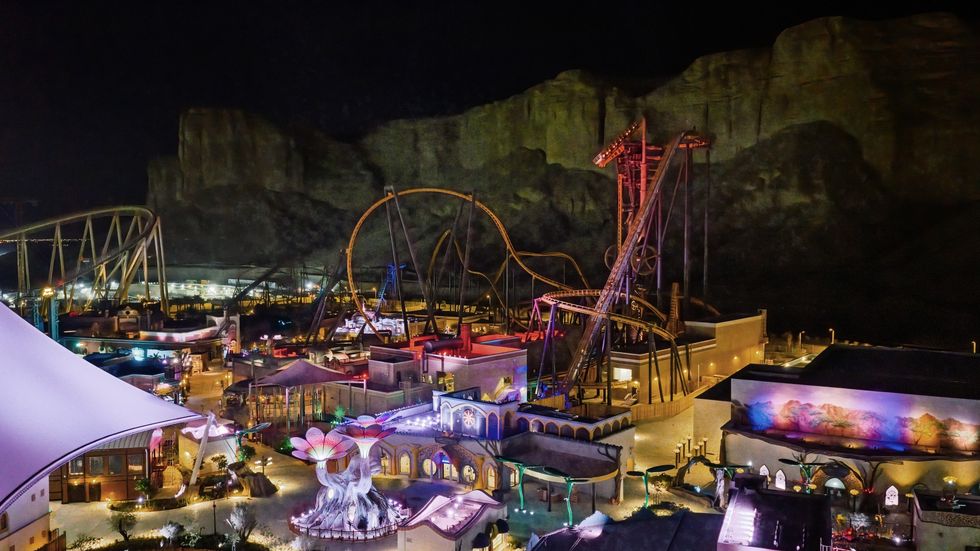 Six Flags Qiddiya City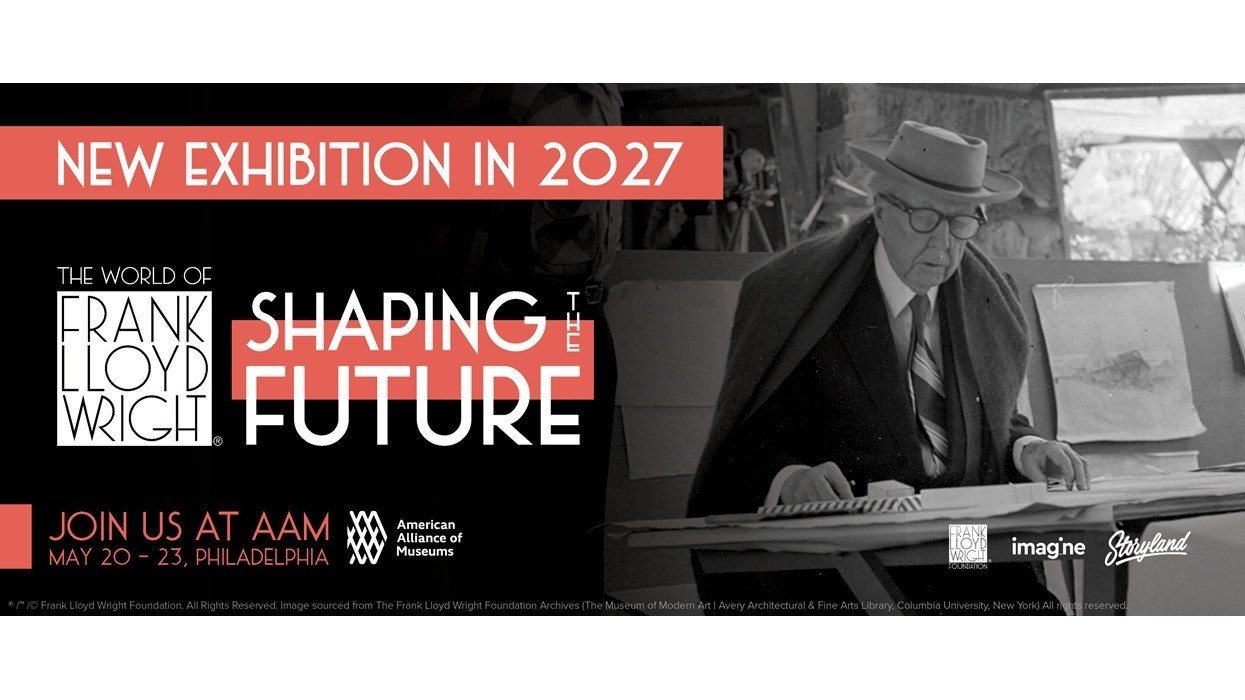
 The Frank Lloyd Wright Foundation Archives (The Museum of Modern Art | Avery Architectural & Fine Arts Library, Columbia University, New York) All rights reserved
 The Frank Lloyd Wright Foundation Archives (The Museum of Modern Art | Avery Architectural & Fine Arts Library, Columbia University, New York) All rights reserved