Bea is a journalist specialising in entertainment, attractions and tech with 15 years' experience. She has written and edited for publications including CNET, BuzzFeed, Digital Spy, Evening Standard and BBC. Bea graduated from King's College London and has an MA in journalism.
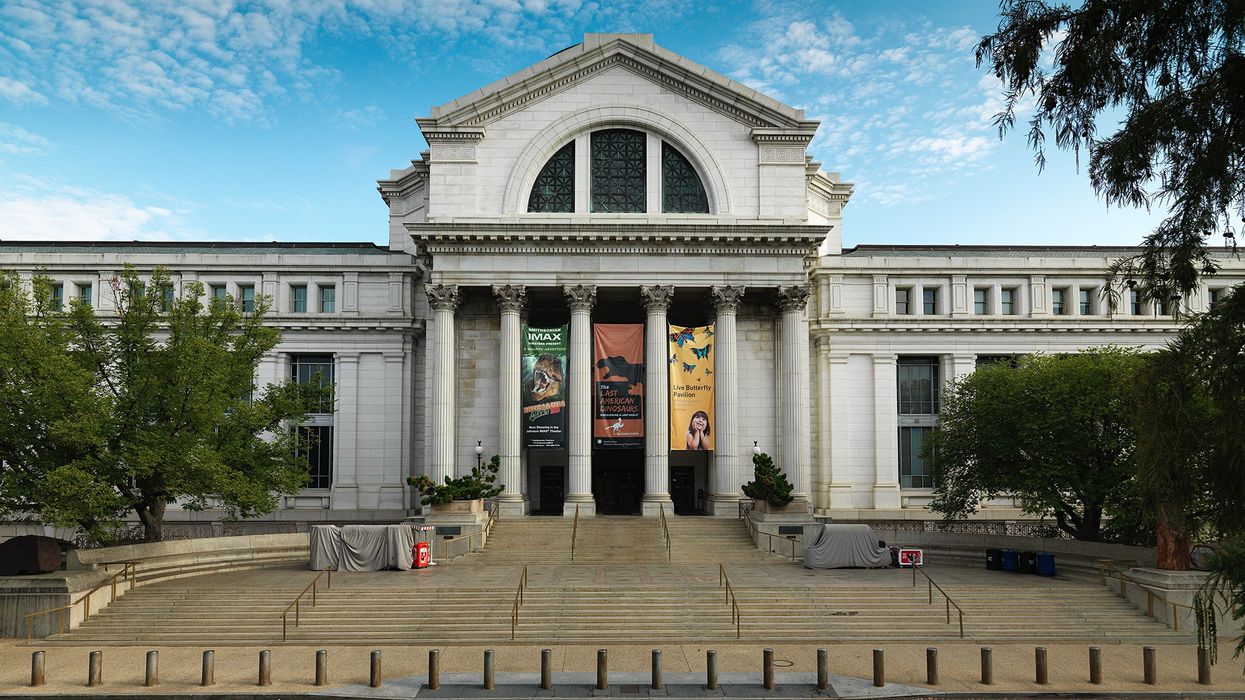
US President Donald Trump has criticised the nation's museums for being "woke", specifically targeting the Smithsonian Institution as "out of control".
His latest condemnation of the Smithsonian comes after the Trump administration last week confirmed plans for a comprehensive review of the institution's exhibitions, materials and operations ahead of the US’s 250th anniversary celebrations in 2026.
In a new 19 August post from Trump on his social media platform, Truth Social, he wrote: "The museums throughout Washington, but all over the country are, essentially, the last remaining segment of 'WOKE'.
" The Smithsonian is OUT OF CONTROL, where everything discussed is how horrible our country is, how bad slavery was, and how unaccomplished the downtrodden have been – nothing about success, nothing about brightness, nothing about the future."
In the post, Trump said his administration is "not going to allow this to happen", adding that he has instructed his attorneys "to go through the museums, and start the exact same process that has been done with colleges and universities where tremendous progress has been made".
Comprehensive review of Smithsonian content
The president wrote: "This country cannot be WOKE, because WOKE IS BROKE. We have the 'HOTTEST' country in the world, and we want people to talk about it, including in our museums."
In June, the Smithsonian confirmed plans to conduct a content review across its 21 museums and zoo to comply with an executive order issued by Trump, which directed the removal of “improper, divisive, or anti-American ideology” from Smithsonian locations.
This came after the Smithsonian closed its diversity office to comply with another order issued by Trump that declared diversity, equity and inclusion (DEI) initiatives to be “illegal and immoral discrimination programs”.
Bea is a journalist specialising in entertainment, attractions and tech with 15 years' experience. She has written and edited for publications including CNET, BuzzFeed, Digital Spy, Evening Standard and BBC. Bea graduated from King's College London and has an MA in journalism.
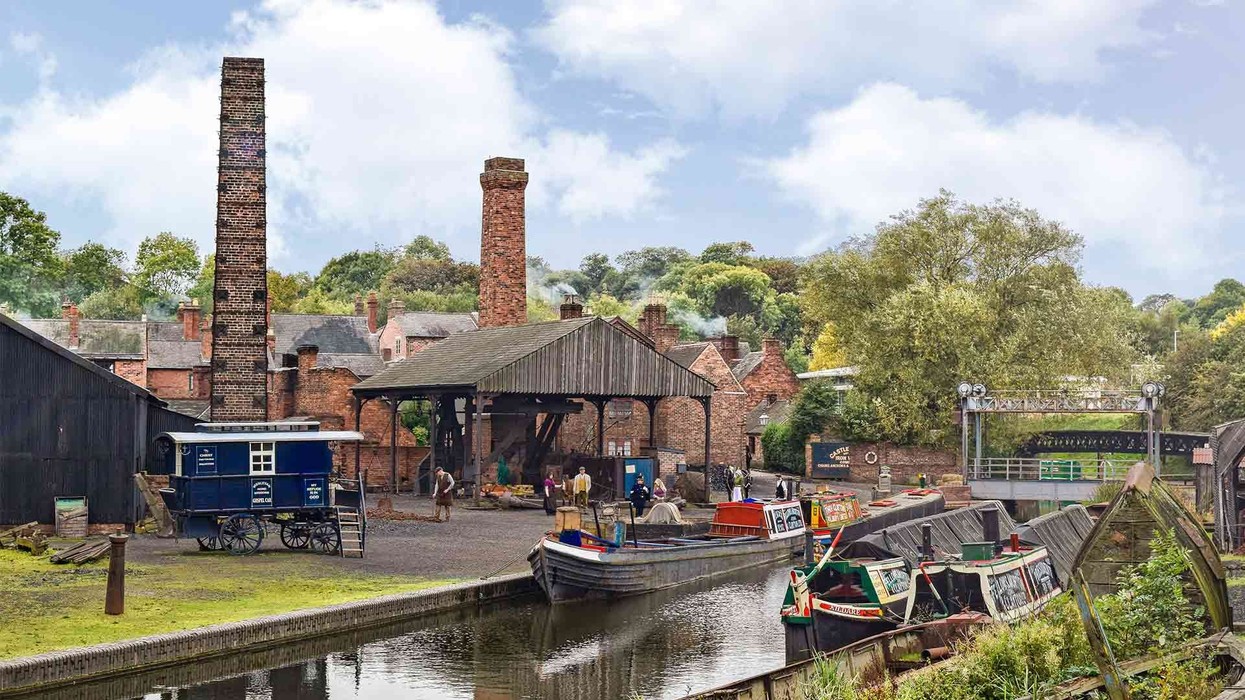
The Black Country Living Museum (BCLM) in Dudley, England, has announced three Peaky Blinders nights scheduled throughout 2026, with the first on 14 March.
Visitors to BCLM can walk in the footsteps of Birmingham's most infamous gang, as it was used as a filming location for several scenes in the hit TV drama. Now, with the release of the film The Immortal Fan, the museum is running a series of special evening events.
The museum offers visitors filming location maps, and Blue Plaques can be found around the site.
Charlie’s Yard is the most iconic backdrop, appearing in all six series of the show. First introduced in episode one, it quickly became a central setting. In truth, it is the Museum's boat dock and anchor forge, rich with regional industrial history.
Additionally, the canal towpath has witnessed several tense moments, acting as a drop-off point for characters visiting the Yard. The Canal Street bridge also became a key meeting spot for Freddie and Ada in season one.
The museum's forges and metalworking shops have experienced their own dramas, including shootouts.
The Peaky Blinders nights will include live entertainment, including music, games, and interactive performances, while they explore the immersive atmosphere and enjoy proper Black Country food and drink.
Describing the 16+ event, BCLM says:
"Stay alert for stories unfolding all around, but watch your step as you never know who might be lurking around the corner. Keep your wits about you and don’t forget, if you spot something unusual – you didn’t see anything, alright?
"Dress to impress in your finest threads and frocks as you wind your way through our historic streets. Enjoy incredible live music, witness wild entertainment and tuck in to fantastic food."
Last month, BCLM also announced that it is expanding its dog-friendly days through the rest of this year. Amid a growing trend for pet-friendly experiences in visitor attractions, the trial initiative was launched in November 2025.
SSA Group has been working on a transformative approach to operations. By weaving its signature 452 Hospitality ethos, rooted in a legacy of welcome and human connection, into Scout, a new AI-driven operating system, the company demonstrates how AI can enhance rather than replace the human side of hospitality.
For nearly 60 years, SSA Group has been a staple in the cultural attractions sector, collaborating with zoos, aquariums, and museums to provide comprehensive guest services. As a family-owned business, the company has continually adapted, but its core mission remains centred on a simple, powerful concept: hospitality.
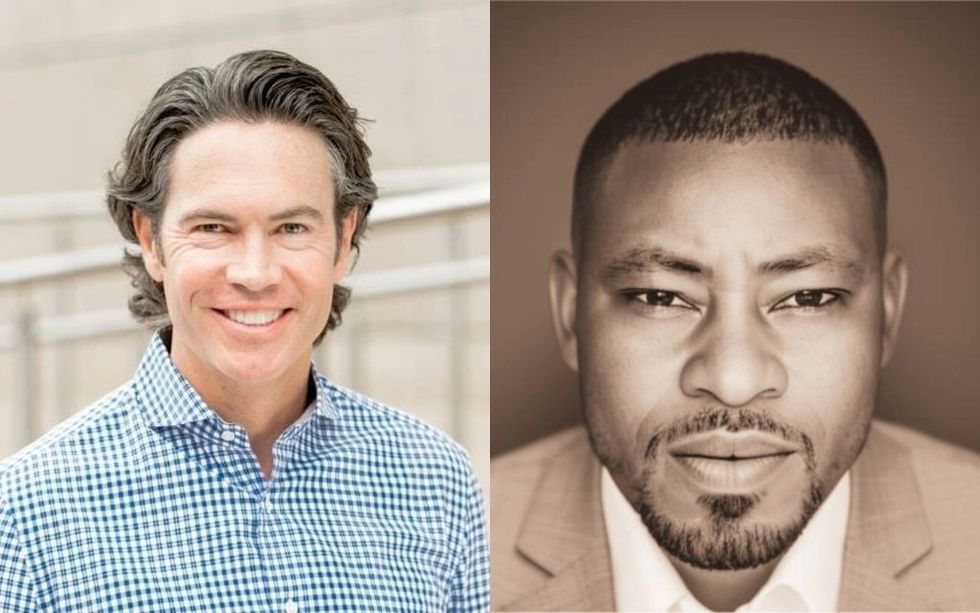
We speak with CEO Sean McNicholas and vice president of people and culture, Jason Stover, to unpack Scout's mission and learn how it can open the door to both greater efficiency and more memorable moments.
SSA reimagines the industry
Starting by looking at the bigger picture, McNicholas says: “What I love about SSA and our family business is our curiosity for continuing to reimagine the industry.
"Those are pillars of our plan. We approach 60 years as a family business in 2030, and what’s exciting to us is continuing to innovate, not just our business, but the guest experience for our clients and partners.”
Sean McNicholas and Jason Stover
This culture of curiosity is what prompted McNicholas and Stover to investigate the potential of artificial intelligence long before it became the industry buzzword it is today.
"Five or six years ago, Jason came to me as one of the early adopters of AI. We started talking about it, and the more we looked at tools like AI, we asked a very simple question: what one, two, or three areas could AI positively impact our business?"
For SSA, the goal was not to replace staff or remove the human element from the museum or zoo experience through automation. Instead, the emphasis was on liberation.
"The thing that became clear was how tools like AI could help us become more efficient with data, back-end systems, and administrative work," adds McNicholas.
"If we can be more efficient there, we can spend more time meeting guests where they need us, which is on the front line.”
The outcome of this exploration is Scout, an AI-assisted tool and ‘unified intelligence layer’ designed specifically for cultural attractions.
Scout is positioned not as a replacement for human workers, but as a co-pilot. It is an operating system that gathers data from across the industry to provide real-time insights. Unlike general-purpose AI tools, Scout has been built for the sector's operational realities.
"AI is trending now, but it’s not new," says Stover.
"I’ve been with SSA for almost 30 years, and my journey with AI in this company has existed since day one. When I first became a manager, we were already experimenting with predictive analytics, trying to forecast attendance and staffing.
"That was AI at the time."
However, the leap to generative AI offered a new opportunity to support SSA's secret sauce: its people.
Stover employs a cinematic analogy to describe Scout’s role within the workforce:
"I compare it to Tony Stark," he says. "He’s brilliant, but he doesn’t become Iron Man until he has Jarvis. That’s what Scout is. It’s a co-pilot that takes away routine, monotonous work so our people can focus on what matters."
Real-time, useful insights
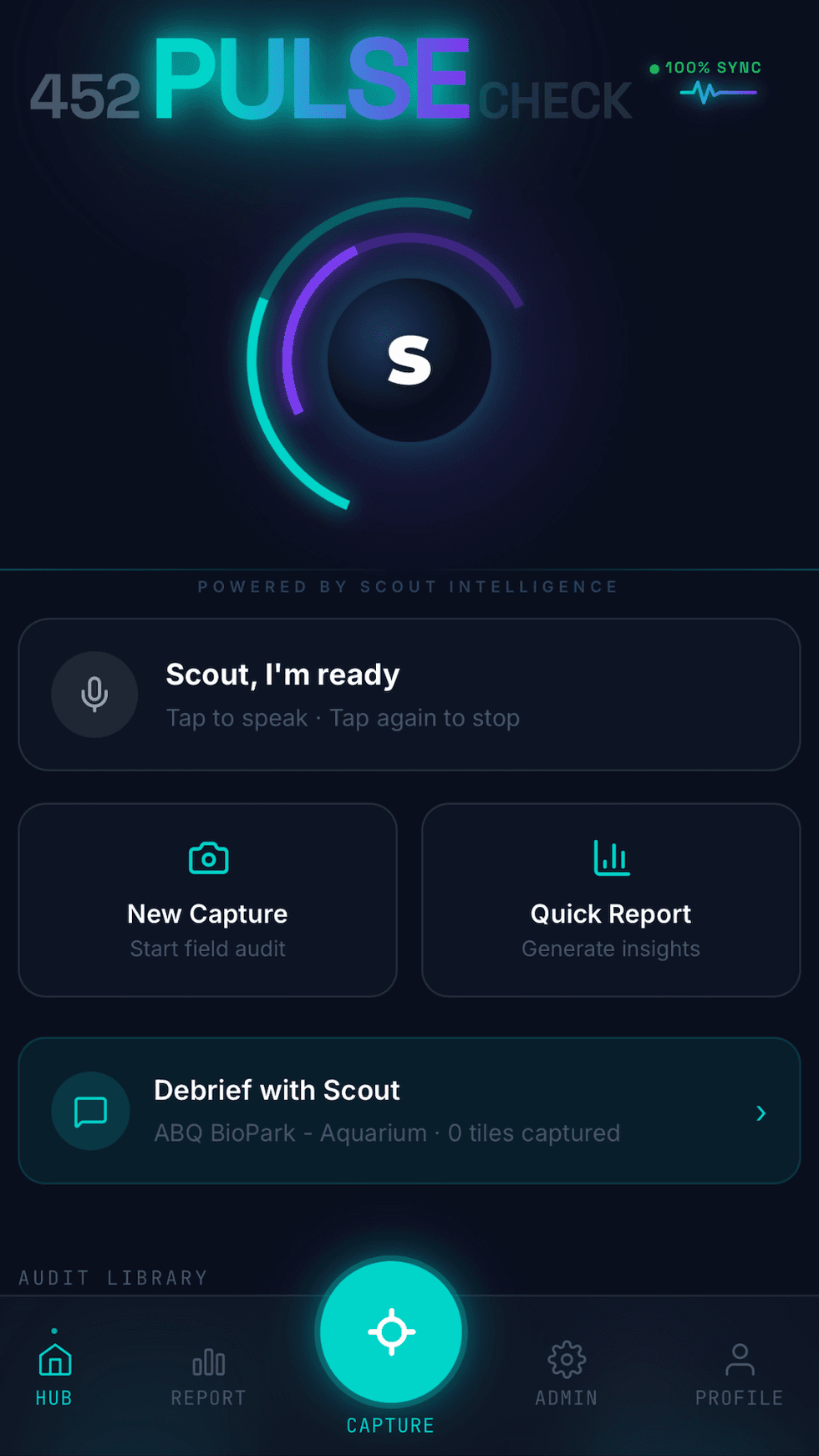
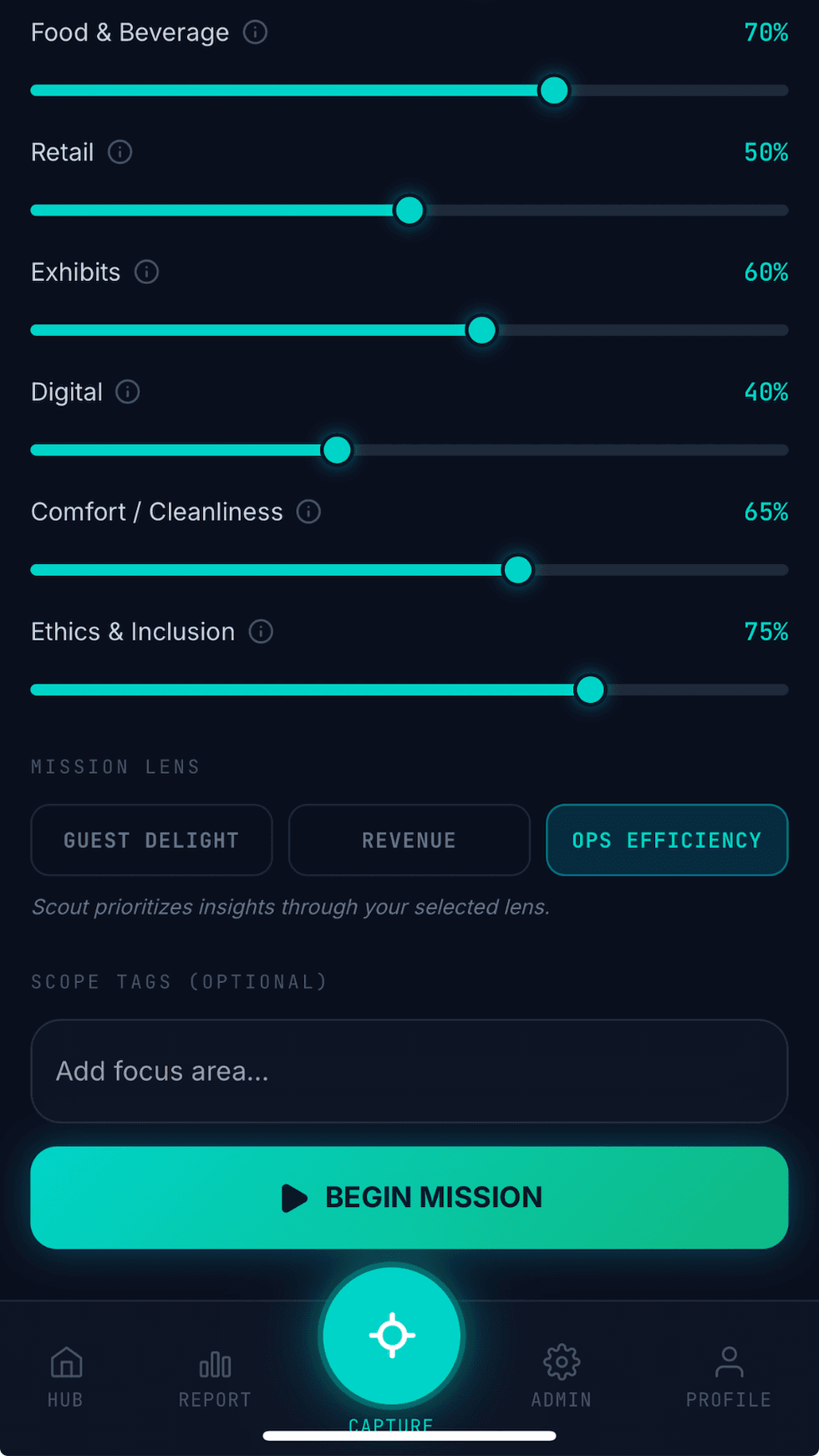
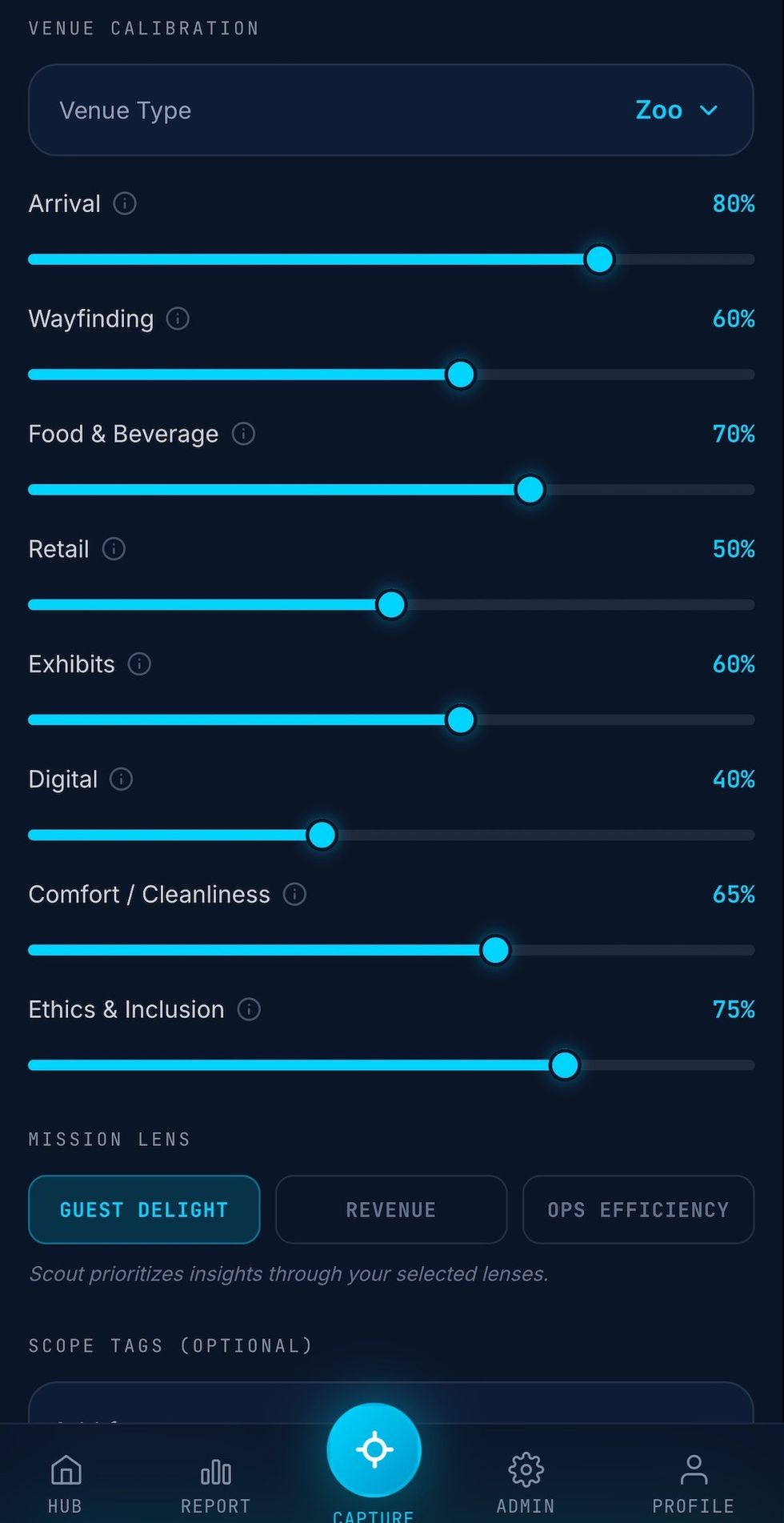
Designed to support guest-journey walkthroughs, the platform collects real-time observations and converts them into actionable insights tailored to each attraction.
The tool was created in accordance with SSA’s core belief that technology should never replace connection; it should enhance it. The idea is that data and design can collaborate to create memorable guest experiences.
This supports SSA’s wider focus on innovation, which aims to turn curiosity into meaningful change that advances partners' missions. By automating data analysis, Scout helps operators make more informed decisions about designs, platforms, and revenue strategies.
"Guest expectations are evolving faster than ever," says Stover. "Scout was built to meet this moment as a tech-forward AI tool that allows us to keep experiences deeply personal.”
The heart of the system: 452 Hospitality
Although the technology is impressive, the engine driving Scout remains entirely human. At the centre of Scout’s design is 452 Hospitality, the cultural ethos that defines SSA Group’s purpose and character.
Named after 452 Leyden Street, the Denver home where SSA’s founders first lived and practised hospitality, 452 has since become both a numeric and philosophical code for what the company stands for: a spirit of welcome, belonging, and genuine human connection.
At 452 Leyden Street, anyone could come in for a meal, a chat, or a place to rest. And that sense of genuine warmth now lives on in every SSA service encounter.
Today, 452 Hospitality reflects SSA’s ongoing dedication to creating authentic, memorable moments that uplift guests, partners, and colleagues alike.
That same spirit guides Scout’s purpose: rather than replacing people, the AI system aims to enable staff to embody 452 Hospitality more fully, freeing them from administrative burdens so they can provide the personal engagement that makes guests feel welcome and valued.
In practice, this involves a particular method for engaging with guests and monitoring operations. Scout develops a digital framework for this using the SOQ model: Observation, Opinion, and Question.
"Scout is being trained by the entire zoo, aquarium, and cultural attraction industry," Stover says. "Every conversation, every audit, every partner insight gets ingested and shapes how Scout operates.”
Within the Scout ecosystem, there are various ‘agents’ dedicated to different tasks, such as labour optimisation and inventory management. However, the ‘452 agent’ is unique.
"It has vision and voice capabilities. As you walk through operations, it analyses images and observations in real time and evaluates them against our hospitality standards. It acts as a co-pilot for auditors and operators, making observations, offering insights, and matching them with best practices and solutions.
“You might miss something as a human, but Scout won’t.”
Scout in action
The deployment of Scout is already producing tangible outcomes, progressing from theoretical ideas to solving complex on-site issues. This highlights SSA’s focus on turning insights into action by combining data, technology, and human connection.
McNicholas emphasises that the team is "continually evolving Scout by testing it across multiple attractions," noting that "every new site adds more data and sharper insights.”
Stover offers an example of Scout’s operational intelligence in action from a working session with the Detroit Zoo. The team was exploring a complex “what-if” scenario: opening a new entrance near a new exhibit while navigating compliance considerations, budget constraints, and a nearby rail track.
“Using Scout as a sandbox alongside their team, we pressure-tested the constraints, surfaced relevant regulatory considerations, explored alternative approaches like repurposed shipping containers, and generated rough-order cost ranges. It was less about committing to a final plan and more about accelerating discovery.”
“What’s exciting is that every audit surfaces a new real-world question, and we ask: Should this become a new sub-agent? That’s how Scout keeps evolving.”
Another success story comes from the Dallas Zoo, where Scout was instrumental in helping the zoo team explore their own AI journey while SSA conducted an inter-department relationship audit.
Scout is tailored to each user’s psychology
What makes Scout different from typical business AI tools is its incorporation of behavioural psychology. Acknowledging that strong operations don't happen by accident, SSA has combined leadership development with its technological roadmap.
Stover, whose background is in people and culture, insisted that if they were to create co-pilots, they had to understand the humans who would use them. So, instead of providing generic recommendations, Scout adapts its guidance to each leader's thinking and communication style.
"One of the first things we decided was that if we were going to build AI co-pilots, they needed to integrate Behavioural Essentials," Stover says. "We already use behavioural assessments that give leaders a 21-point profile, with strengths, tendencies, and blind spots. We’ve now incorporated that into Scout.”
This means that when a manager logs into Scout, the system is tailored to their specific personality profile.
"It understands how I communicate, where I might need softer language, or where I might need more structure," Stover says.
He adds that McNicholas served as the ‘guinea pig’ for this feature:
"We merged his traits and blind spots into Scout as he was working through our future roadmap. Scout isn’t just an AI tool; it understands your psychological makeup and helps cover your blind spots as you operate in your role.”
The future of the workforce
A common concern about AI is the risk of job displacement. However, SSA’s leadership firmly states that their investment in technology aims to safeguard, not eliminate, their workforce.
"As CEO, culture is my responsibility, and culture starts with values," McNicholas says. "Hospitality, human-to-human interaction, has always been our foundation. I don’t want a world of all robots and automation. I love people too much.
“That’s why Scout exists. It helps us live what we love to do: creating special moments for people.”
Stover shares this view, considering AI as a safeguard against the decline of interpersonal skills observed in other industries:
"We have to be proactive in shaping the future. Many companies will use AI purely to impact the bottom line. That’s their choice. But SSA has always been people-focused. We’re adopting AI safely and intentionally to better our people. As interpersonal skills decline elsewhere, we’re protecting them by freeing people up to reconnect.”
The efficiency gains are clear. Stover notes that tasks like scheduling, which previously took hours to analyse against weather and sales history, now happen in seconds. "That frees managers up to spend time with their team. That’s the point.
“We’re hospitality people. We want to be in front of guests, not behind a screen.”
A vision for 2030
Looking ahead, SSA has set bold goals for the next five years. As the company approaches its 60th anniversary in 2030, the vision is for a fully enabled workforce where each employee has a digital partner.
"By 2030, every person in our company will have a co-pilot that helps them be more efficient," predicts McNicholas. "We’ll also bring a unified revenue strategy to attractions, something the industry lacks.”
He also believes the metrics of success are shifting. It is no longer enough to simply count heads at the gate:
"The future metrics won’t just be attendance. They’ll be revenue, guest experience, and fulfilment," he says.
"There’s more competition than ever, and we have to be the place where guests leave thinking, 'That felt right.' To do that, our people need tools like Scout so they can spend more time creating those moments.
“That’s how we reimagine the industry.”
The future of hospitality
Summing up the benefits, COO Travis Kight says:
"AI is the future of hospitality, but not in the way most imagine. We see AI as a co-pilot, not a replacement, designed to protect the human connection that defines our industry.
“Tools like Scout allow us to turn data into real-time insights, freeing our teams from repetitive tasks so they can focus on creating unforgettable guest experiences.
"As Sean mentioned, by 2030, our vision is for every team member to have a digital partner that amplifies their strengths, covers blind spots, and helps us deliver hospitality at a level the industry has never seen.
“AI isn’t about automation. It’s about empowerment.”
As SSA Group looks towards the attractions of tomorrow, its message is clear: the path to the future is built on data, but the goal remains human connection.
By anchoring Scout in 452 Hospitality's philosophy of creating meaningful, human-centred moments, SSA isn’t just adopting AI for efficiency. It’s enhancing its ability to deliver heartfelt experiences that define its brand and shape the future of the guest experience.
"That’s the foundation of Scout," Stover says. "If a tool doesn’t protect hospitality or make us better people-facing operators, it doesn’t get built.”
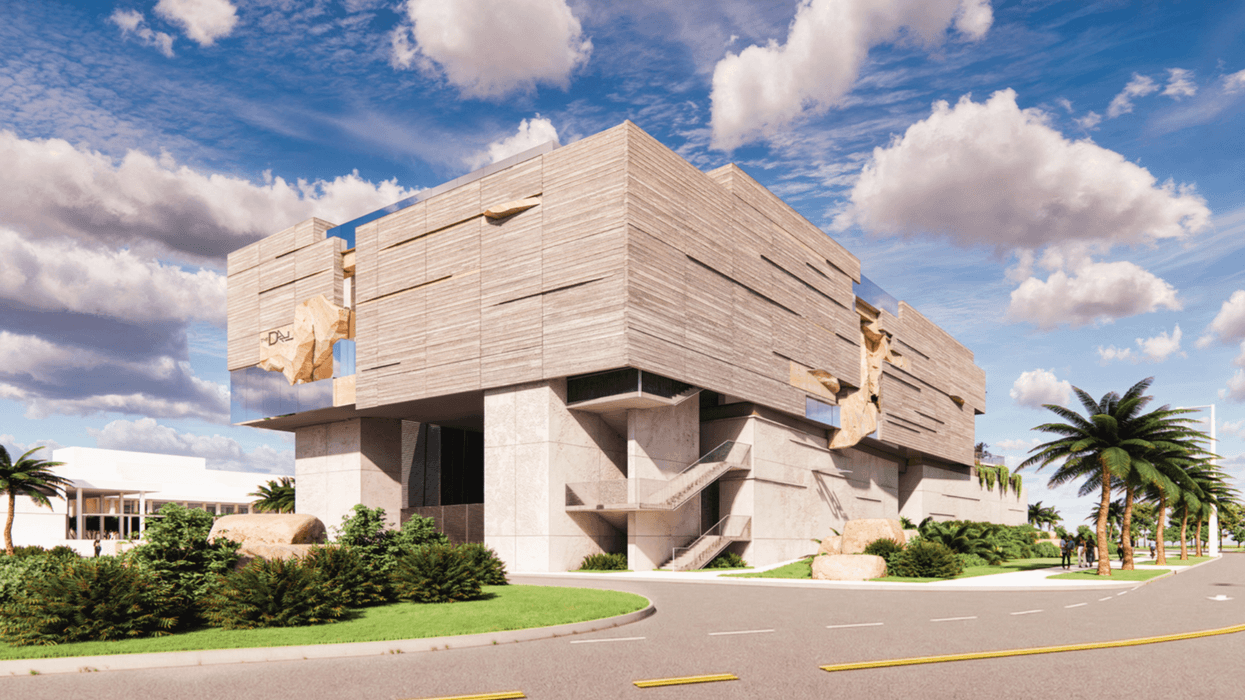
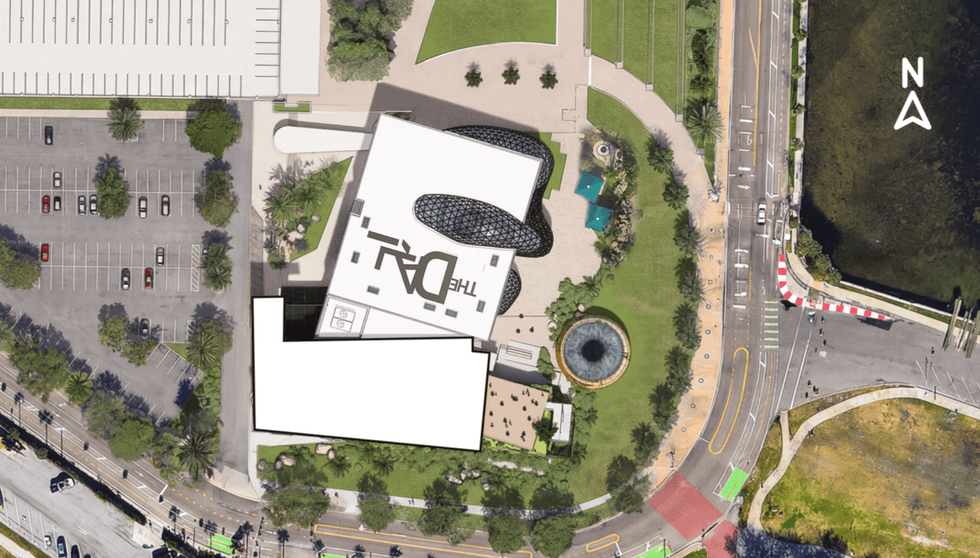
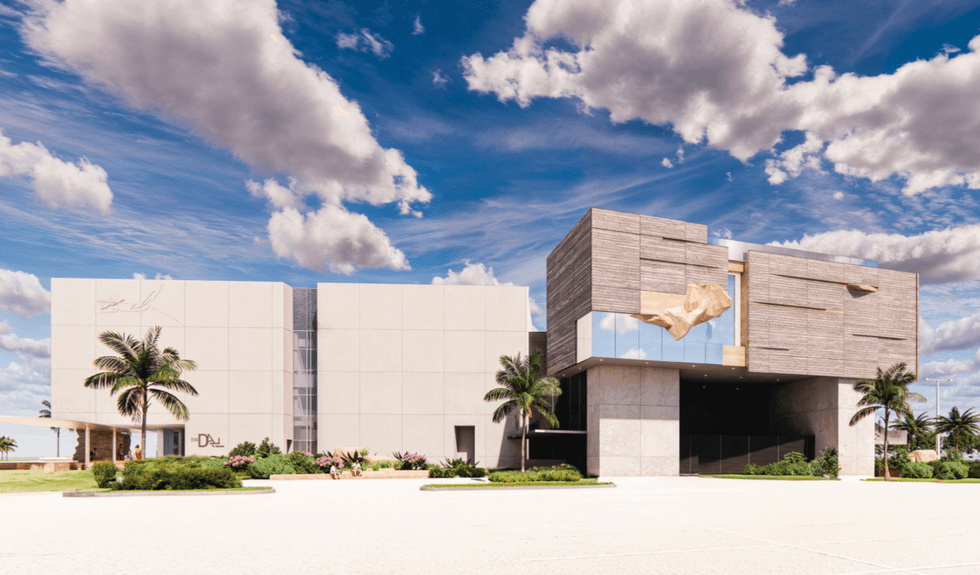
The Dalí Museum in Florida has announced plans for a 35,000-square-foot, $65 million expansion, with construction due to start this autumn.
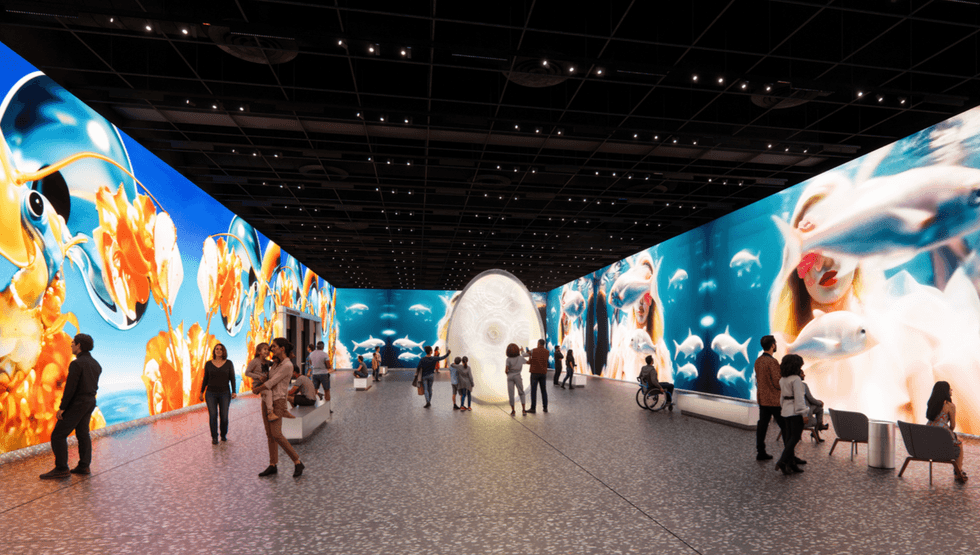
Expected to open in 2028, the new addition to the Dalí Museum will boast flexible gallery environments for experiential exhibitions that blend art and technology, a dedicated learning centre, and community spaces for events and programming.
Since opening in St. Petersburg in 1982, the Dalí Museum has welcomed more than 10 million visitors. Following the debut of its landmark building in 2011, it has generated more than $1 billion in economic impact for the area.
Combined with the museum’s existing galleries, theatre, dome and Avant-garden, the expansion will create a dynamic campus.
Hank Hine, executive director of the Dalí Museum, said the project is "a defining moment for our institution and for St. Petersburg".
"We are creating a museum that will stand with the great cultural institutions of the world, prepared to meet the expectations of today’s visitors and the curiosity of those who will walk through these doors decades from now," he said.
Hine added: "It’s not about being bigger; it’s about being bolder. For more than four decades, the Dalí has led through innovation, empowering visitors to see differently and think expansively.
"This next chapter allows us to move beyond existing limitations and create space, intellectually and physically, for deeper learning, more ambitious experiences and broader access."
The expansion will be designed and built by the Beck Group, which constructed the 2011 building.
The project has received early support from Visit St. Pete-Clearwater, the official tourism marketing organisation for Pinellas County, Florida.
"The Dalí Museum is a cultural engine for this community and a cornerstone of St. Petersburg’s global identity," said Brian Lowack, president and CEO of Visit St. Pete-Clearwater.
"Investments like this strengthen the identity that defines our region and attracts visitors from around the world."
A 3D model of the proposed expansion will go on view at the Dalí from 2 May, as part of a special exhibition exploring the museum's architectural evolution and future vision.
The Dalí Museum will remain open throughout construction.
The International Council of Museums (ICOM) has released the full programme for the ICOM UK 2026 Annual Conference, Museum Diplomacy in Action, which will be held in Oxford from 16 to 17 April.
The event, which is the UK’s foremost museum and heritage conference, will explore how museums are increasingly acting as cultural diplomats.
ICOM UK has created a program involving speakers from museums, culture, policy, and the creative industries both in the UK and internationally. It is co-curated by Dr. Sascha Priewe, president of ICOM Canada and co-editor of Museum Diplomacy: How Cultural Institutions Shape Global Engagement.
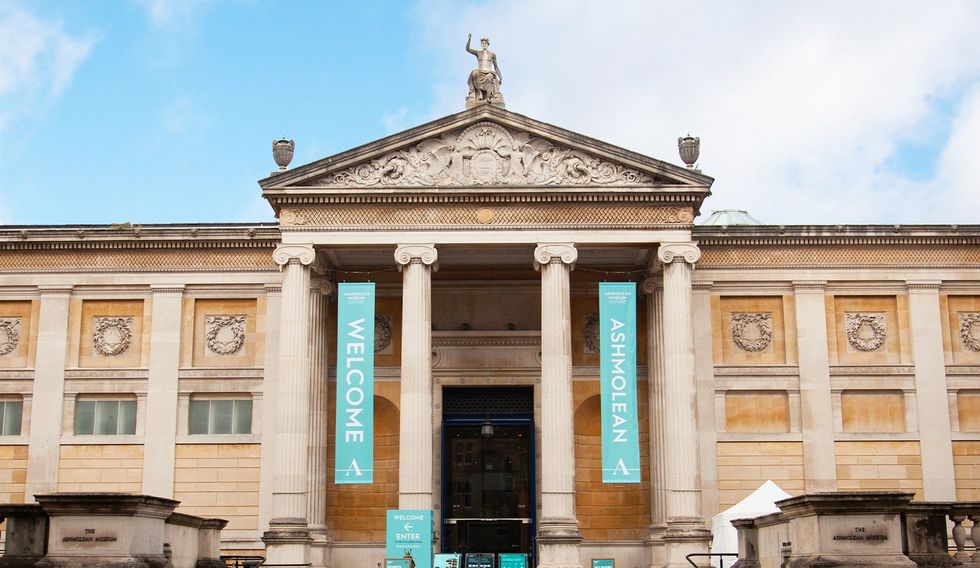
The conference will be hosted by five of Oxford’s most iconic museums: the Oxford University Museum of Natural History, the Ashmolean Museum, the Museum of Oxford, the Pitt Rivers Museum, and the History of Science Museum.
Day one
The conference begins on 16 April, with a welcome address from Dr Christian Baars, co-chair of ICOM UK; Dr Gavin Svenson, director of the University of Oxford Museum of Natural History; and Katie Colombus, director of audiences at Art Fund.
This will be followed by a keynote address by Priewe, who will deliver his session, Liberation Day for Museum Diplomacy?, virtually. He will explore why museum diplomacy must evolve with the shifting world order and advocate for a stronger, institution-driven model.
The first session of the day is titled Advancing Global Partnerships Through Museum Diplomacy.
Delegates will hear from Laura Frampton, associate director of global engagement at Science Museum Group; Gregory Houston, president and CEO of International Arts & Artists (USA); and Sunghee Cho, curator at the National Asian Culture Center, Ministry of Culture, Sports and Tourism of Korea.
Session two is Museums Connecting Communities Internationally Through Equitable Cross-Cultural Exchange.
This features insights from Sabnam Balouch, a preventive conservation officer at Leighton House Museum; Gabriel Matesun, a curator at the University of Ibadan, Nigeria's Department of Archaeology and Anthropology; and Mattie Reynolds, chair and associate professor of Museum Studies at the Institute of American Indians Arts.
The Ashmolean Museum
In the afternoon, Dr Laura Van Broekhoven presents a keynote entitled Do we need Museum Diplomacy or Museum Solidarity? This explores how concepts such as “cultural diplomacy,” “soft power,” and “Global Britain” have influenced the UK’s post-Brexit rebranding, as well as the intricate role museums play within this agenda.
Session three, Sustaining Museum Diplomacy and International Relationships in a Rapidly Changing World, features speakers Jamie Allan Brown, research fellow at the University of St Andrews; Dr Shreen Amin, curator at the Egyptian Museum; and Stephanie Grant, director of the Cultural Protection Fund at the British Council.
Finally, session four is Conflict to Recovery - The role of Museums in Conflict, Reconciliation and Peace Building.
Attendees will hear from Mikaël Mohamed, director of international relations at Mucem in France; Roshan Mishra, director and curator at Taragaon Next in Nepal; and Yuliia Hnat, ecosystem projects and development director, and co-founder at NGO Museum of Contemporary Art in Ukraine.
The day wraps up with another keynote, yet to be announced, as well as closing remarks and then an evening reception at The Ashmolean.
Day two
The second day of the conference begins with the ICOM UK Annual General Meeting. Then, attendees can choose from a selection of workshops, walking tours and museum tours.
Workshops include an interactive session called Collective Intelligence in Action: Lessons from the Bizot Green Protocol, led by Culture Connect Ltd; Museum Bridge: Overcoming Barriers to International Working at the Pitt Rivers Museum; and The Art of Long-Lasting Cross-Cultural Collaboration, delivered by Oxford Cultural Leaders.
Museum tours include An Introduction to Oxford’s Past at the Museum of Oxford, or Multaka Tours With these Hands: Crafting a shared Humanity at Pitt Rivers Museum and Captured in Light: A Journey Through Photography at the History of Science Museum.
There is also a walking tour, Oxford’s Radicals & Rebels.
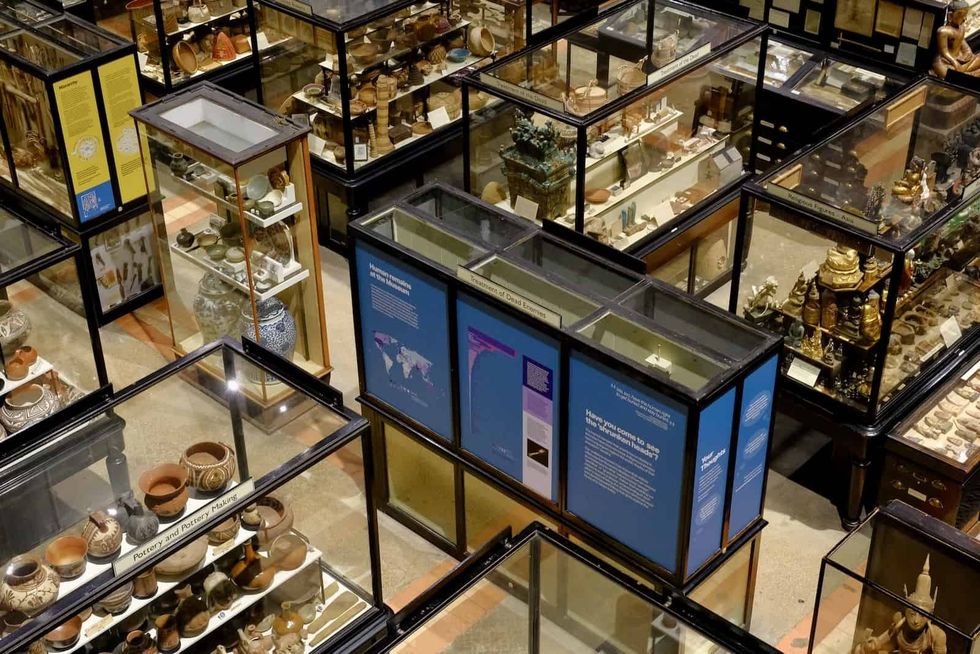
The Pitt Rivers Museum
Afternoon options include a workshop called Museum Diplomacy as Organisational Development: From International Exchange to Institutional Change, led by the German Agency for International Museum Cooperation, and Community-Led Engagement: Building a Programme for People Seeking Refuge, delivered by the Roman Baths & Pump Room.
Alternatively, delegates can choose the workshop Developing New Environmental Tools for the Sector, led by the Design Museum with Metal and UP Projects; museum tours The Oxford Story at the Museum of Oxford or In Bloom at the Ashmolean; or a walking tour around Oxford's Queer History.
The second afternoon session includes a choice of workshops, such as The Role of Museums in Cultural Resilience and Identity: International Collaboration with Ramallah Refugee Camp and Multaka Oxford, The Right to Disagree- Radical Listening and Intercultural Dialogue’ with ICOM UK, and Strategic Planning for Disaster; Blue Shield UK Perspectives.
Museum tours include An Oxford Night Out at The Museum of Oxford, orIn Bloom at The Ashmolean, or a walking tour entitled Shakespeare and Oxford.
For more information and to register, please click here.
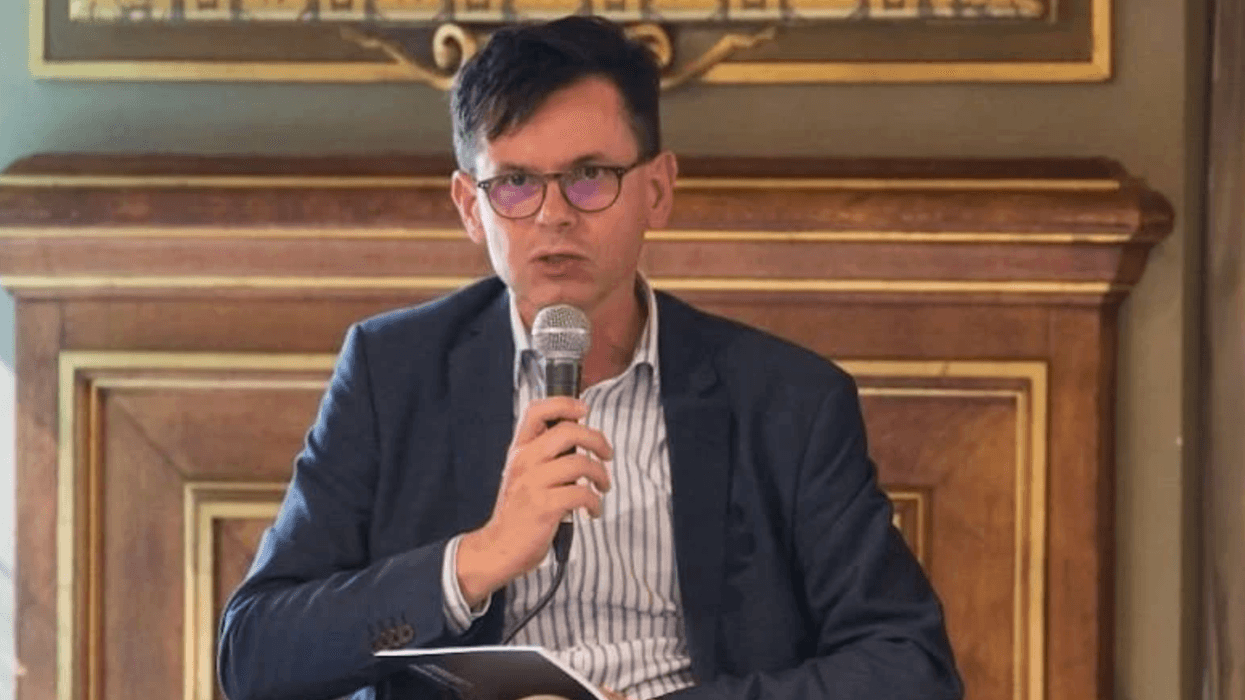
Currently the director of the Palace of Versailles, Leribault was chosen by the French president, Emmanuel Macron.
An art historian, Leribault previously led the Musée d’Orsay and the Musée de l’Orangerie, both in Paris, before joining the Palace of Versailles in 2024.
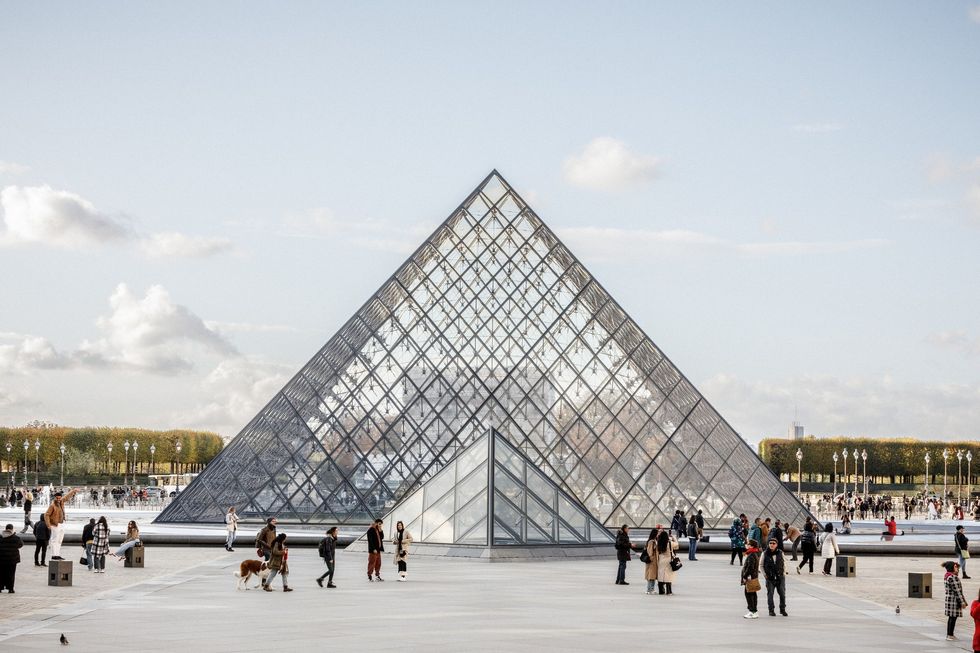
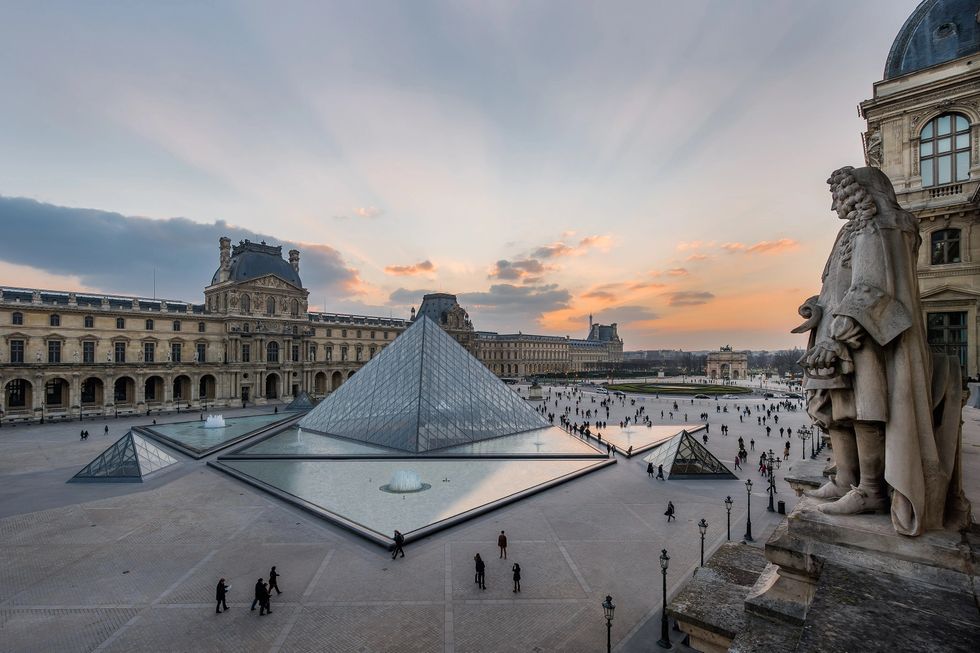
His appointment at the Louvre comes four months after the high-profile theft of €88 million worth of jewellery from the institution.
During a seven-minute raid of the Louvre's Galerie d'Apollon in October, thieves stole eight pieces of jewellery,
"Leribault's priority will be to strengthen the safety and security of the building, the collections, and people, to restore a climate of trust, and to carry forward, together with all the teams, the necessary transformations for the museum," France's culture ministry said in a statement.
New leader for crisis-hit Louvre museum
Des Cars, who had offered to step down in the immediate aftermath of the robbery, submitted her resignation to Macron on Tuesday (24 February).
Macron praised her decision and described it as "an act of responsibility", the Elysée Palace said.
He said the Louvre needed “calm and a strong new impetus to successfully carry out major projects involving security and modernisation”.
Following the daylight break-in at the Louvre, the museum has faced a series of setbacks, including water leaks, a suspected ticket fraud plot, and ceiling safety issues.
In response, staff at the museum have been striking over building maintenance and staffing increases, as well as a rise in ticket prices for most non-EU visitors.
Adding to these difficulties, activists on Sunday (22 February) hung a photo in the Louvre of Andrew Mountbatten-Windsor being driven from a police station after his arrest.




 The Ashmolean Museum
  The Pitt Rivers Museum