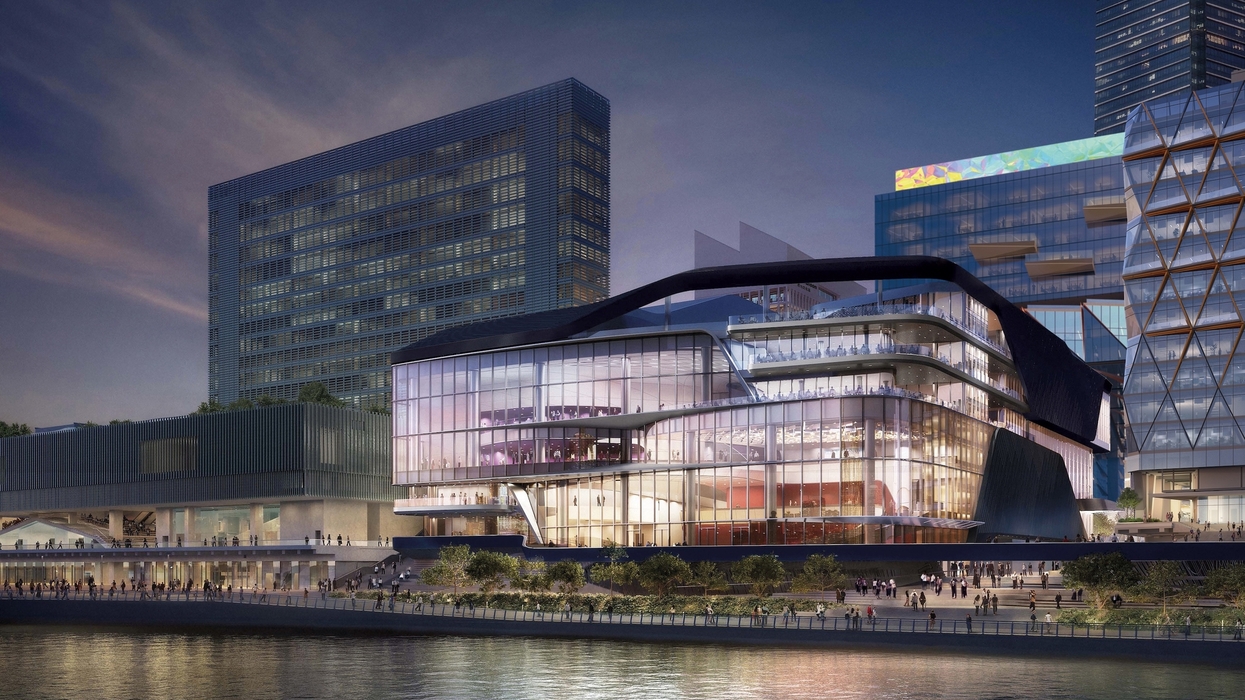
Galleria Borghese, an art gallery in Rome, has launched an international architectural competition for the design of a new museum pavilion.
The expansion, located adjacent to Galleria Borghese's historic 17th-century villa, will provide a solution to the demands of a global visitor base and a collection that exceeds the current exhibition capacity.
Sponsored by Proger, Italy’s leading independent engineering firm, and backed by the Municipality of Rome, the project follows a record 630,760 visitors to the gallery in 2025.
Due to the institution's fragile interiors, gallery entry is capped at 180 per time slot, with an estimated 100,000 potential guests locked out each year.
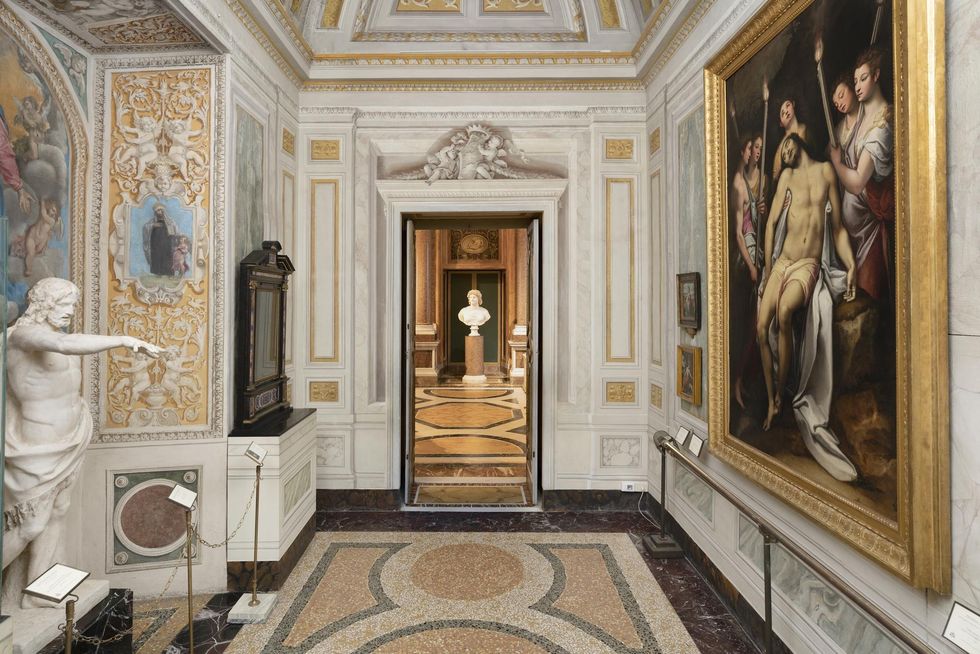 The Galleria Borghese's expansion project follows a record 630,760 visitors to the gallery in 2025Galleria Borghese
“A great past is only useful if it helps design an even greater future. Otherwise, it is dust," said Marco Lombardi, CEO of Proger.
"This spirit drives Proger, and this idea of culture as an engine of progress led us to propose to Galleria Borghese and to the city of Rome a competition among some of the world’s finest architects, aimed at improving the usability and accessibility of one of the most beautiful museums on earth."
The first phase of the two-phase competition is open to international architecture and engineering firms. Five finalists will be selected and invited to take part in the design phase.
The judging panel of independent professionals and internationally recognised experts will decide on a winning firm.
Project sponsored by Proger
“Fulfilling the social role of a business, Proger has offered to fund and oversee the development of an expansion project, asking nothing in return beyond the advancement of Italy and Europe.
The project "is what hundreds of masterpieces deserve, works that merit display but remain in storage", Lombardi added.
"It is what the hundred thousand visitors who cannot secure a ticket every year deserve. It is what people with reduced mobility deserve, who today struggle to navigate the corridors and floors of this magnificent 17th-century gallery," he said.
"The city deserves it. And above all, Europe deserves it, a continent that has made art and culture its defining mark."