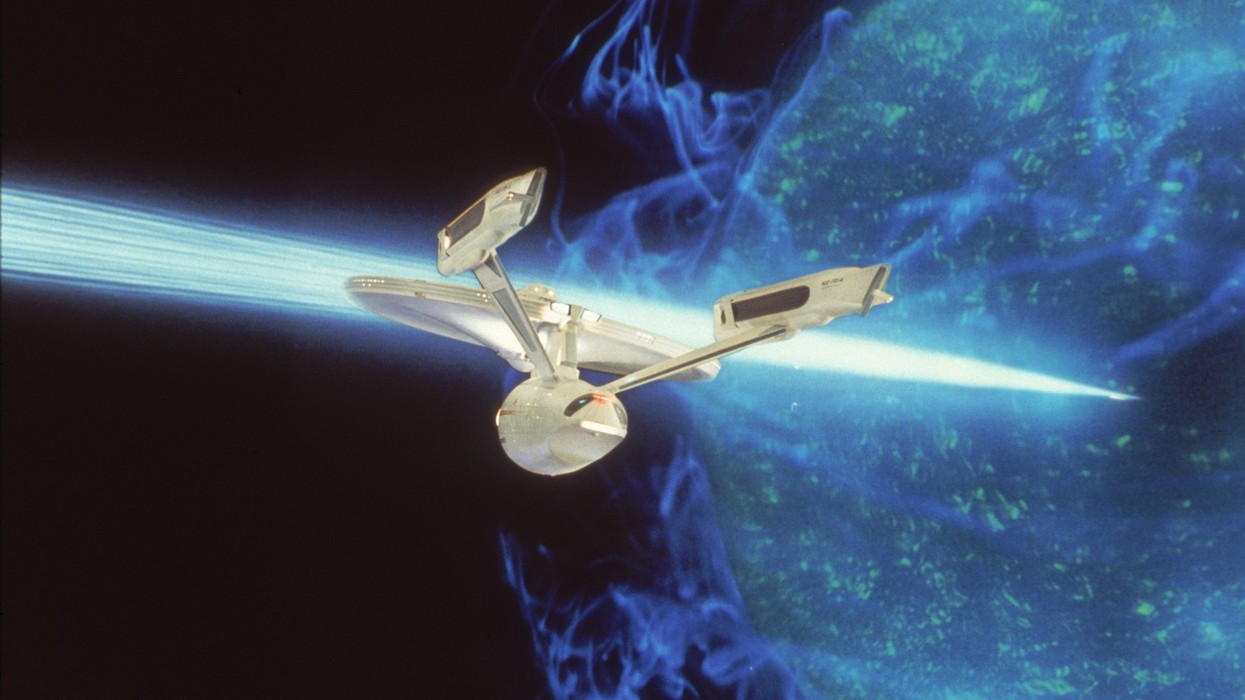

The Science Museum is launching a new programme to celebrate 60 years of the iconic sci-fi franchise, Star Trek.
Running from 26 March through September 2026, the programme of activities will launch at a special Star Trek edition of the Science Museum’s free adults-only Lates event.
The after-hours event will feature DJs, scientists, speakers and performers, as well as a 360 Enterprise Bridge experience.
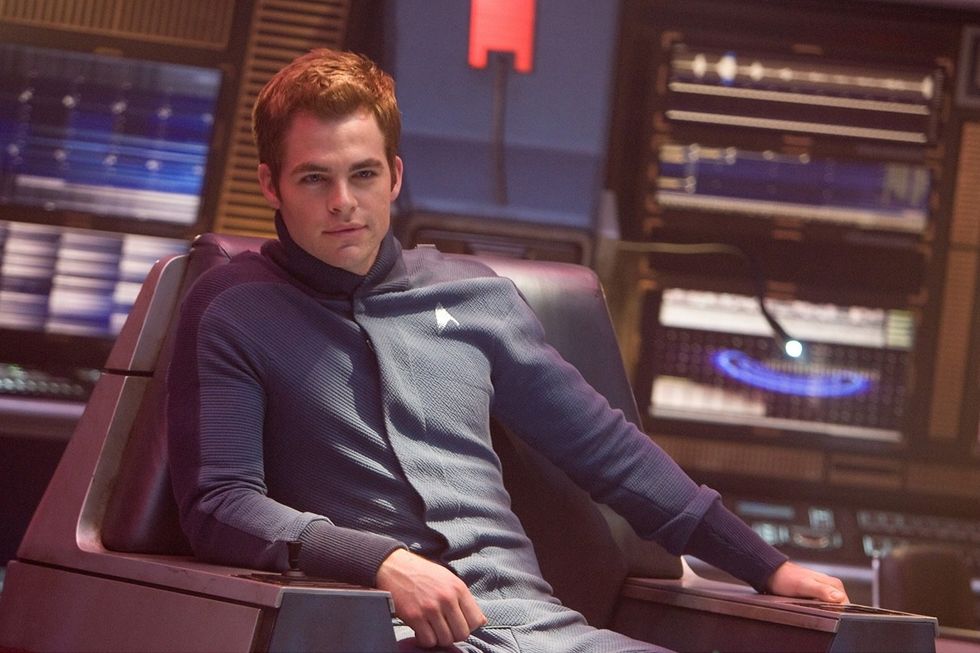
As part of the programme, and in a world-first, visitors can watch all 13 films in the Star Trek franchise on one of the biggest screens in Europe, the Science Museum’s IMAX: The Ronson Theatre.
These include Star Trek, Star Trek Into Darkness, and Star Trek Beyond in full IMAX format, and many of the films have been digitised for the first time.
The Star Trek film season is available through 18 June.
The programme also includes a free trail spanning the museum featuring iconic objects from the Star Trek archives, including screen-used props, curated by the Science Museum.
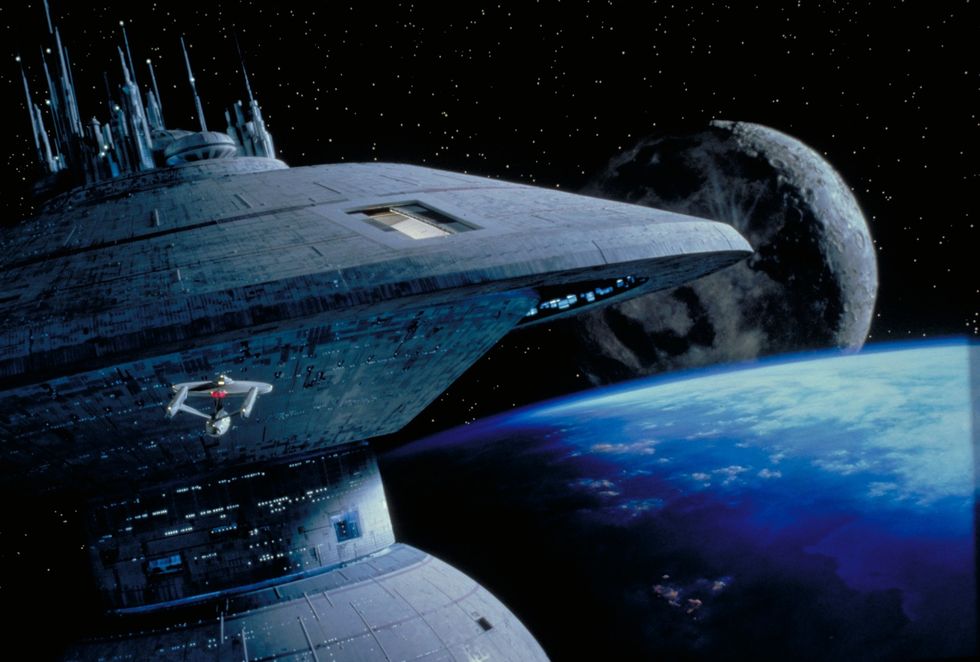
Additionally, exclusive products created for the anniversary will be available in a Star Trek takeover of the mezzanine level of the museum’s shop.
These include a limited-edition anniversary collectible coin, an exclusive silver embroidered cap and sew-on patch, and a range of Star Trek homeware, collectibles and books.
Glyn Morgan, head of collections and principal curator at the Science Museum, said: "Star Trek has invited audiences to be curious explorers for decades – a mission we know something about at the Science Museum."
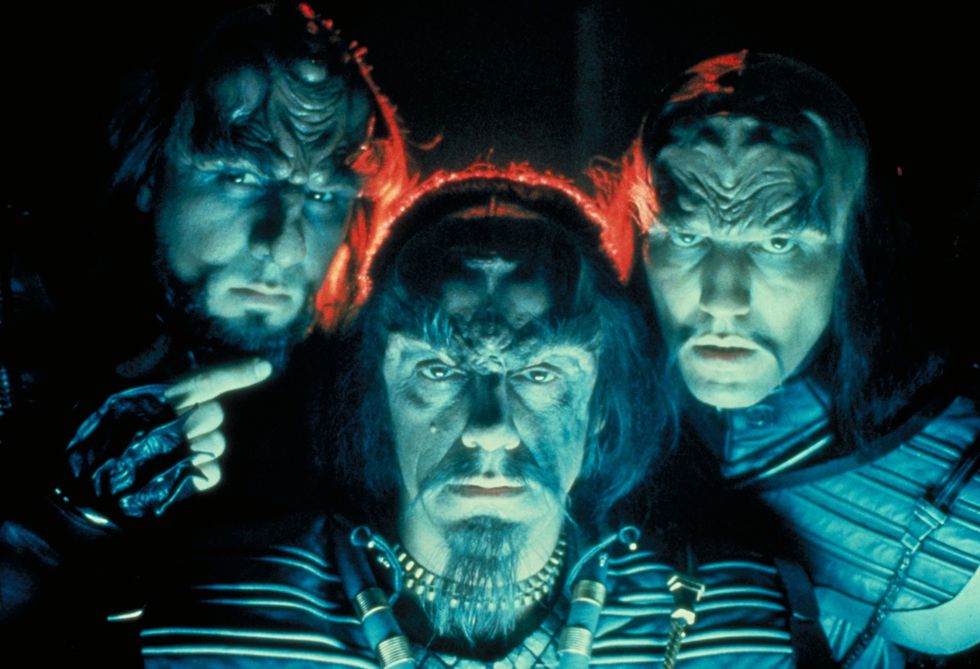
He added: "Star Trek as a cultural phenomenon has played a real role in changing the world of STEM, from inspiring technical innovations to encouraging a generation of modern astronauts.
"I hope that this Star Trek at 60 programme at the Science Museum inspires visitors to consider what might be possible if you boldly go where no one has gone before."
Images courtesy of the Science Museum