
Some years ago, our family visited a natural history museum with our neurodivergent daughter. At the time, we were still working to understand her sensory processing challenges, but thought (and hoped) that she would enjoy the visit. She did not.
The hard surfaces shaped an acoustic space that was completely unbearable for her. Within minutes, we had to leave.
In direct contrast, in the museum's newer exhibit spaces, acoustics had obviously been a point of consideration. In these areas, my daughter was better able to relax and focus on the exhibits. The care the designers had placed on how these new areas sounded also made them welcoming.
The effectiveness of my work depends on recognizing the factors that shape how guests experience what we create. But through caregiving, I began to see blind spots in my design approach.

I learned to recognize how difficult acoustics, high volume, sudden sounds, repetitive sounds, abrupt transitions, high noise floors, and dense, chaotic soundscapes could contribute to real discomfort and distress. My daughter drew my attention to aspects of my work that I hadn't fully appreciated.
Many of these sonic stressors affect everyone, reducing clarity and increasing cognitive load. But to neurodivergent individuals, the impact can be far more pronounced, immediate, and often exclusionary.
I will not attempt to define neurodivergent experience here. Instead, I hope to join those considering how design decisions can support or exclude a broad spectrum of guests.
Across the industry, there are notable examples of parks and developers prioritizing neurodivergent inclusion through the creation of purpose-driven spaces, certification programs, accommodation systems, and comprehensive staff training.
Others are advocating for the broader application of Universal Design principles or carefully considering topics such as decompression, pacing, and sensory overload. The growing awareness is encouraging.
However, a lot of work remains.
Sensory overwhelm
I once worked on the sound effects for an interactive activity in an indoor children's play space. It was a lovely room, but acoustically disastrous. The walls were curved hard surfaces. The ceiling was a dome. There was no acoustic treatment.
Even without introducing audio, kids playing within the space produced an intense baseline soundscape. Staff had difficulty communicating, prompting safety concerns. As pretty as the room looked, it was an inhospitable place to be, and for a neurodivergent guest, it may have been completely overwhelming.
Because this space prioritized visual elements above all else, it didn't just create challenges for audio clarity; it jeopardized guest well-being.
In contrast, I once worked on the soundscapes for an area development project that incorporated a covered grotto area near adjacent play areas.
The area was first described to me as a "decompression space". It had a soft floor, seating areas, and intricate rockwork that served nicely as sonic diffusion. Overhead, speakers played calm, simple music and gentle nature-inspired, contextually appropriate sound effects.
The grotto fit seamlessly into the land's theming. At the same time, it was dramatically calmer and quieter than the surrounding spaces, offering respite.
I believe the designers of these spaces both aimed to create something that guests would appreciate and enjoy. Still, only one of them intuitively showed a clear commitment to prioritizing the guest's well-being as a core element of the design.
Despite earnest efforts by some developers and teams to create welcoming, inclusive spaces, critical details can be overlooked — particularly during the earliest phases of a project.
Early participation and input from neurodivergent individuals and their families are essential. Collaboration among designers, artists, engineers, and others is equally critical in examining how their areas of expertise impact guests.
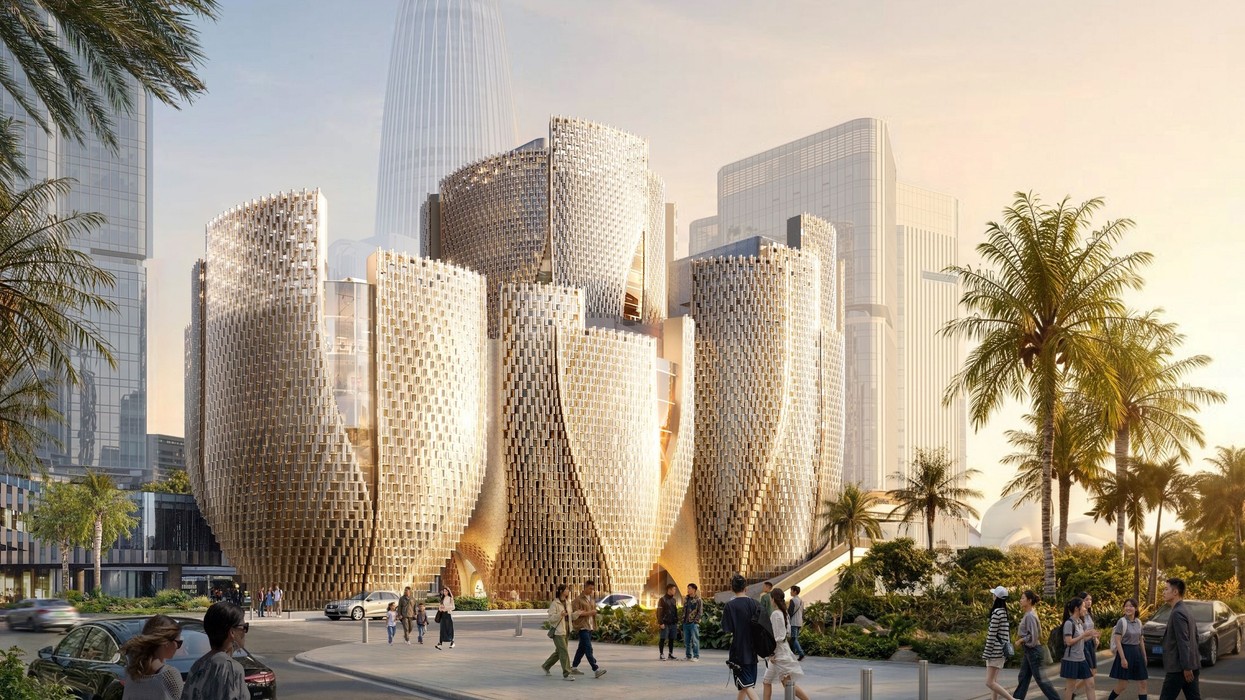
Early in the process, concept art becomes a critical tool for helping teams and customers form impressions about the space. But concept art, as a visual medium, can tend to elevate visual elements over all else. These images don't convey the sound of the spaces, missing a critical detail about how they will feel.
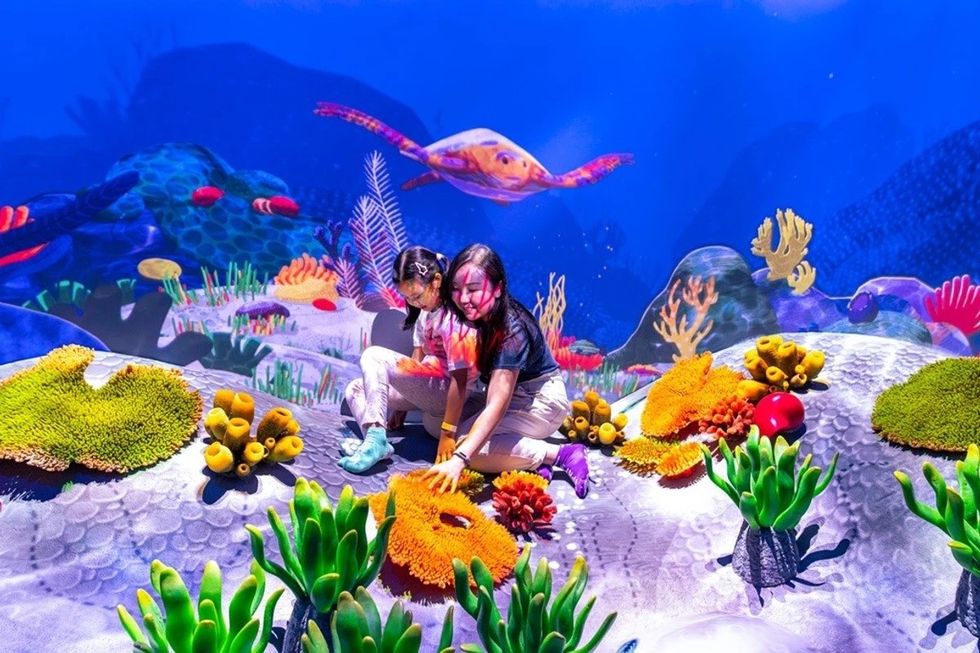 Curiosity Cove, image courtesy of Moment Factory
Acousticians and sound designers can (and should) be invaluable early partners in environmental design. Prioritizing early audio input is not only about sonic clarity; it is also an opportunity to shape spaces that positively impact guests.
Too often, acoustic and noise challenges are "discovered" late in the process, when addressing them is both complicated and costly. In-field mix efforts cannot fully address these issues. Attempting to mask noise by saturating a space with volume can compound the problem.
Reducing the amount of introduced sonic content for clarity doesn't fully address acoustic interactions or the space's existing baseline soundscape.
These issues are best addressed early in the process, through collaboration. Acousticians and engineers can inform, advise, and shape the development of a space's aural architecture and identify anticipated noise sources.
Experienced sound artists, working alongside visual artists who convey a space's appearance through conceptual imagery, can provide conceptual examples of how spaces will sound and feel.
Together, these resources support architects and creative leads in shaping environments that prioritize guest well-being.
Designing for sensory calm
Many conversations about accommodating neurodivergent guests focus on quiet rooms and decompression zones. Within these situations, "no sound" does not mean "silence." A baseline soundscape (HVAC, adjacent activity, or natural noise floor) will always be present.
In some cases, a carefully created masking sound can increase the perception of quiet. But any introduced sounds should be genuinely beneficial and authentic to their context.
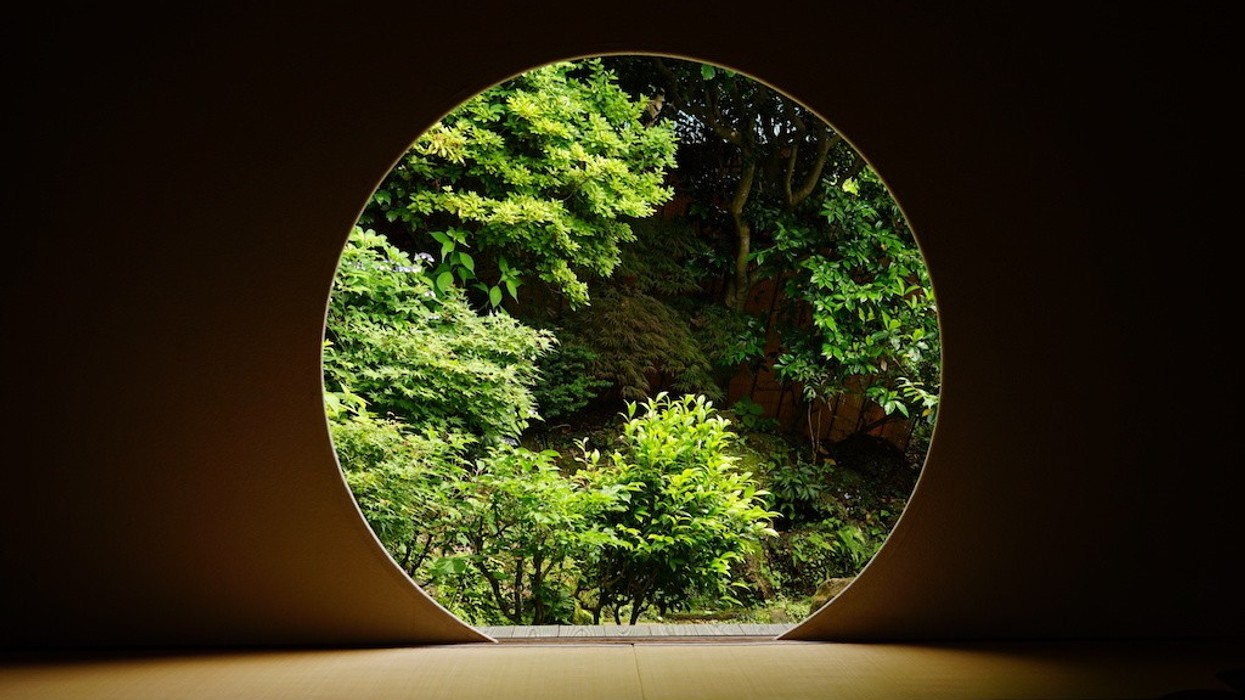
Within Japanese gardens, deliberate sonic choices are evident everywhere. Each sound serves a purpose such as encouraging a sense of calm, masking undesirable sounds, or evoking curiosity. These sounds elegantly exemplify the concept of sonic authenticity: sounds that shift perception by aligning with purpose and setting.
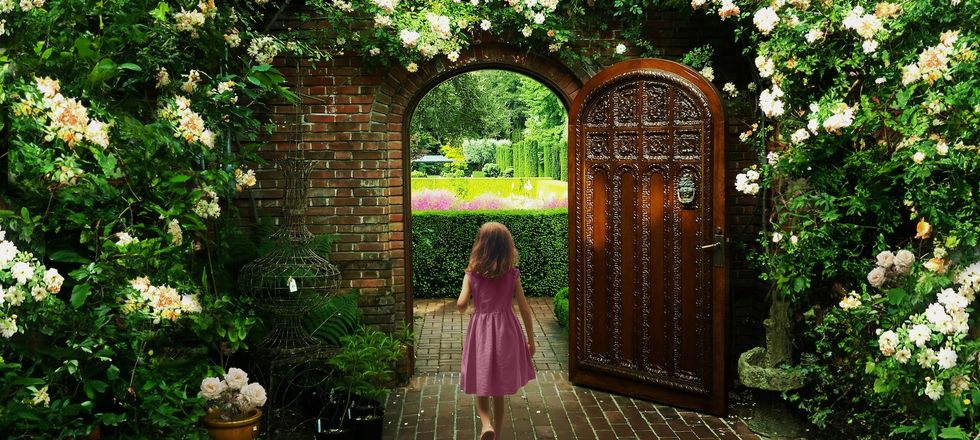 Filoli Historic House & Gardens
We can extend these same concepts into the broader experience without compromising theming or guest immersion. Sound environments informed by how sound occurs in nature, areas of sonic restraint, and moments of quiet can create a richer, more multifaceted experience for all guests.
The sounds we create for secluded nooks, gentle alternative paths, and calm vantage points don't have to mean less story or theming; they can extend it. These areas offer essential alternatives for neurodivergent guests.
Instead of thinking in binary terms of overload and decompression, we can also think in terms of gradients: a spectrum of intensity within the environment. Thoughtful soundscape design can grant guests agency over this intensity based on how they choose to move through the space.
There is far more to this conversation than can be addressed here. At the core, however, my approach as a sound artist is grounded in three objectives: consider the mindset of the guests who visit; try to work in consideration of the full spectrum of guest perception; and create sounds with intention and empathy.
The benefits of welcoming design are much greater than they may appear. I can say from experience that sincere gestures of inclusion have a profound impact on families with neurodivergent individuals.
These efforts carry significant weight that extends far beyond making things simpler or more enjoyable. They signal to neurodivergent guests and their families, "There is room for you. You are welcome here.”