
Accommodation at attractions is not new. The first Disney hotel opened in 1955, just a few months after the launch of Disneyland in California. In Orlando, Disney’s Contemporary Resort and Polynesian Village Resort opened alongside Walt Disney World in 1971.
Closer to home, in the UK, the first purpose-built theme park hotel opened in 1996 with the launch of the Alton Towers Hotel (which some of our team members may remember working on in another life).
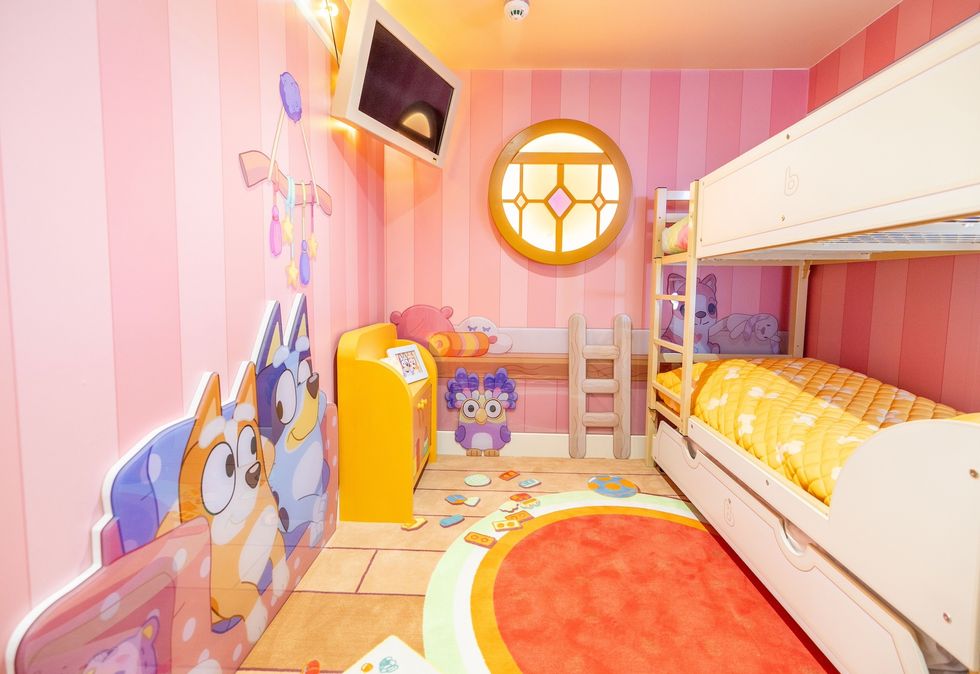 Bluey themed hotel room, Alton Towers Resort
While theme parks have long recognised the value of on-site accommodation, many other attraction types have followed suit. Over the past few decades, water parks, zoos and safari parks, adventure parks, eco-parks, and even cultural attractions have integrated accommodation into their offer - and for good reason.
As this article explores, on-site accommodation can be a powerful addition to an attraction, enhancing the guest experience while fundamentally strengthening the underlying business.
Drawing on our work across attraction and hospitality projects globally, this article explores why accommodation works and why it is most effective when considered as part of a single, integrated economic model.
The guest perspective
So why is accommodation at attractions so appealing to guests?
Successful attractions offer more than rides and exhibits - they offer experiences that build an emotional connection with guests. On-site accommodation allows that experience to extend naturally, whether through immersive theming, unique room concepts, or proximity to the attraction itself.
Highly themed hotels - think Legoland Resort Hotel, the Colosseo Hotel at Europa Park, or the Grand Curiosa Hotel at Liseberg - enable families to remain within the world of the attraction well beyond park hours.
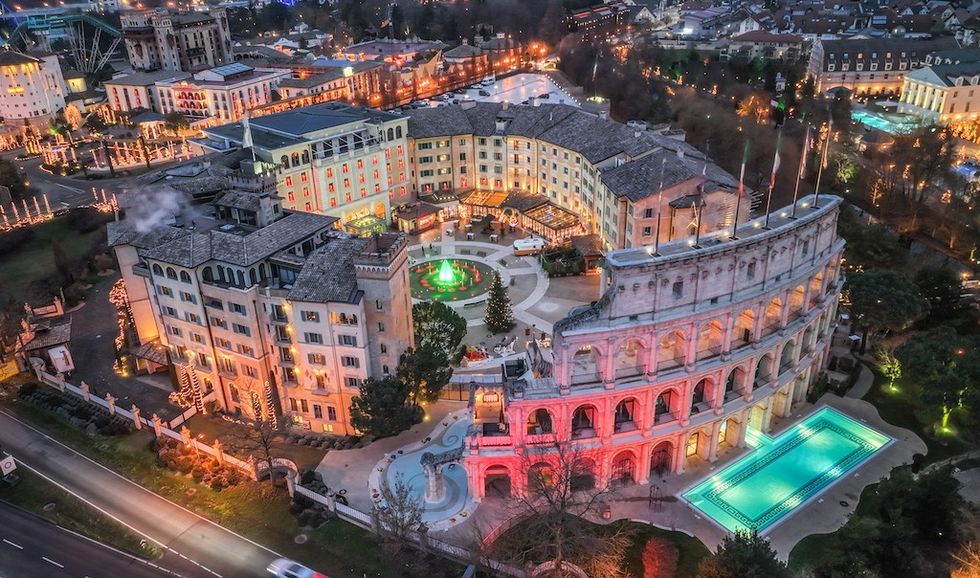 Hotel Colosseo, Europa-Park
Other attraction integrated hotels, such as the safari lodges at Port Lympne or Zoo de la Flèche, or the medieval glamping at Warwick Castle, offer experiences that cannot be replicated by conventional hotels.
However, immersion is only part of the story. For many guests, the appeal lies in practicality. On-site accommodation removes friction from the visit - no travelling once checked in, no unfamiliar logistics, and no need to plan beyond arrival.
This sense of certainty and containment is particularly appealing for families and group travel, making short breaks feel effortless and straightforward.
This sense of ease is reinforced by added benefits.
At Universal Orlando Resort, early park access, integrated transport and free fast passes (if lucky enough to stay at a signature hotel) don’t just add value, they save time and reduce stress.
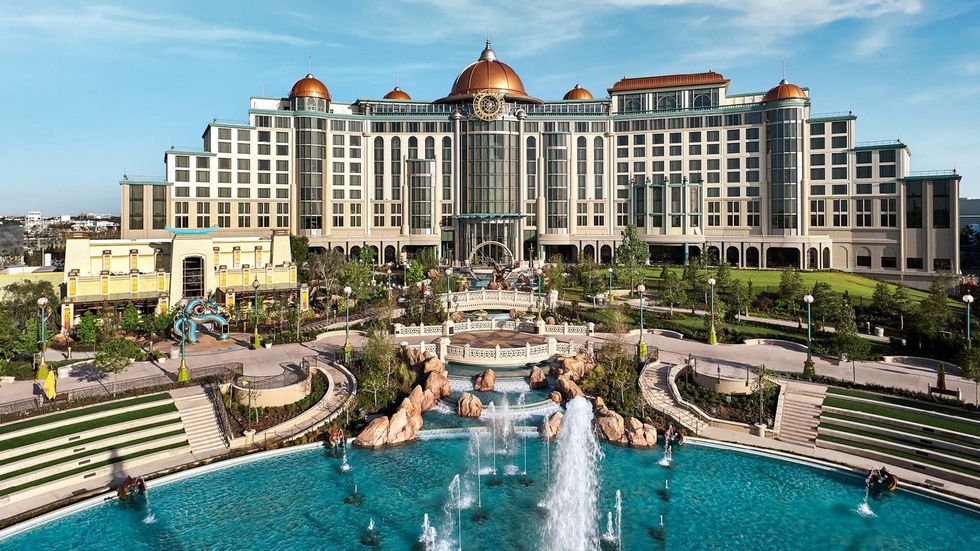 Universal Helios Grand Hotel, Epic Universe
At some resorts, park admission is included within the hotel room rates, further strengthening the perception that staying onsite is the smartest way to experience the attraction.
Taken together, onsite accommodation offers guests something highly attractive: a high-quality, low-effort break where experience, access, and comfort are tightly integrated. It is this combination -rather than theming alone - that continues to drive strong demand.
The business perspective
So, what makes onsite accommodation such a strong proposition for developers and operators? The answer is twofold.
The first impact is on the attraction's performance. On-site accommodation creates a captive audience, encouraging longer stays, repeat attraction visits and increased visitor spend. Guests staying overnight are far more likely to visit multiple attractions within a destination and to engage more deeply with the offer.
Across LDP’s database of theme parks, water parks, and other attraction types, on-site guests can account for anywhere from around 5 percent to over 40 percent of total visitation, and often far more in the case of water park resorts, where day visitation is sometimes capped.
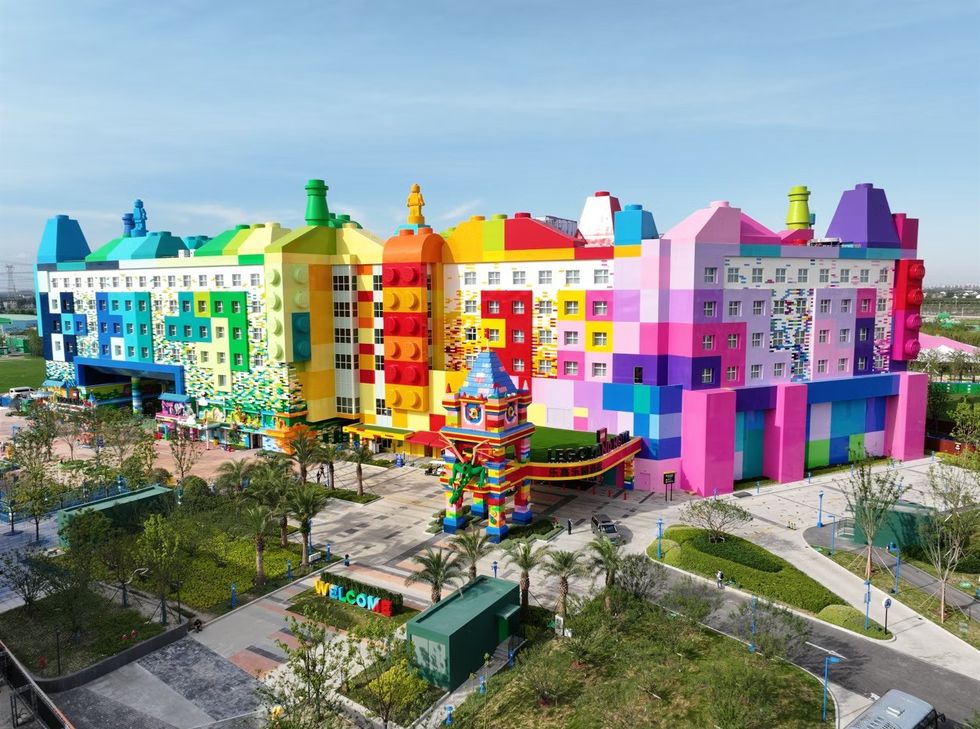 Hotel exterior, Legoland Shanghai Resort
Crucially, onsite guests also tend to spend more. Visitors staying overnight typically require additional meals and are more likely to spend on retail and secondary experiences, particularly when fully immersed in the attraction environment.
Accommodation can also help diversify the audience mix.
Many onsite hotels incorporate conferencing and event facilities, supporting weekday and off-peak visitation during otherwise quiet periods. This not only attracts new market segments but also helps smooth demand throughout the week.
Finally, accommodation can widen an attraction’s catchment.
By offering short breaks rather than day trips, attractions can draw visitors from much further afield. For instance, Great Wolf Lodges attract guests from three to four hours away for overnight stays, compared with the maximum two-hour drive time that water parks typically draw from.
Hotels as an economic engine
The second impact of onsite accommodation is the performance of the accommodation business itself, and its role in strengthening the overall economics of the destination.
Hotels are, fundamentally, strong businesses.
Compared with major attractions, they are typically less capital-intensive and can deliver attractive and resilient returns. This is particularly true for attraction-integrated accommodation, where demand is underpinned by the attraction, supporting strong occupancies and room rates.
In many cases, achieved average room rates significantly exceed local hospitality benchmarks relative to the actual market positioning of the accommodation.
LDP’s analysis of UK examples shows that theme park–integrated hotels can achieve price premiums of between 50 percent and 200 percent over local hotels of comparable quality and positioning.
Themed accommodation consistently commands the highest premiums, with IP-led rooms such as those at Alton Towers and Legoland Windsor Resort achieving uplifts of between 10 percent and 35 percent compared with standard room types.
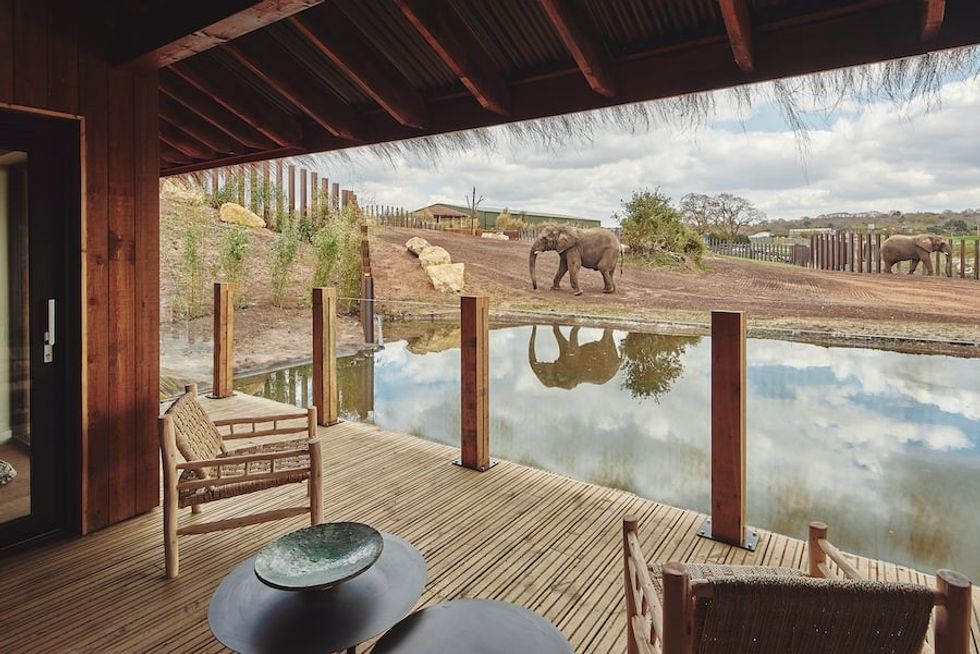 Elephant lodge, West Midland Safari Park.
Even stronger premiums are evident where accommodation offers truly unique experiences.
Safari lodges at destinations such as Chester Zoo, Zoo de la Flèche or West Midlands Safari Park allow guests to engage directly with animals from their accommodation. As a result, peak-season room rates for the most premium lodges can regularly exceed £1,000 per night.
Guests are willing to pay these premiums for several reasons. In addition to the experiential and convenience factors outlined earlier, attraction-led accommodation typically exhibits short average lengths of stay and high double-occupancy rates (to the uninitiated: how many guests there are per room).
As a result, higher ADRs (average daily rates) translate into a more manageable overall trip cost, making premium pricing more acceptable to guests.
Successful destinations also offer a wide range of accommodation types and price points from non-themed mid-scale hotels to glamping units and upscale themed hotels. This diversity allows resorts to appeal to a broad range of guests while maximising total demand and spend across the destination.
Taken together, high occupancies and strong room rates make accommodation a powerful economic engine for the wider destination. This effect is further reinforced by ancillary revenue opportunities, including retail, food and beverage, evening entertainment, leisure facilities, and, of course, second gates.
These elements both extend the length of stay and increase per-capita spend, strengthening the commercial performance of the destination as a whole.
A symbiotic relationship
The relationship between attractions and accommodation is fundamentally symbiotic.
Across theme parks, water parks, zoos and safari parks, adventure and cultural attractions alike, attractions create the reason to visit and drive overnight demand, while accommodation acts as an economic engine - generating strong cashflow, improving overall returns and helping to support investment across the wider destination.
When planned effectively, accommodation can materially enhance the viability of attraction developments, supporting higher levels of capital investment and, in some cases, helping to cross-subsidise new attractions and infrastructure.
This is increasingly important as attractions face rising capital costs and greater pressure to diversify revenue streams.
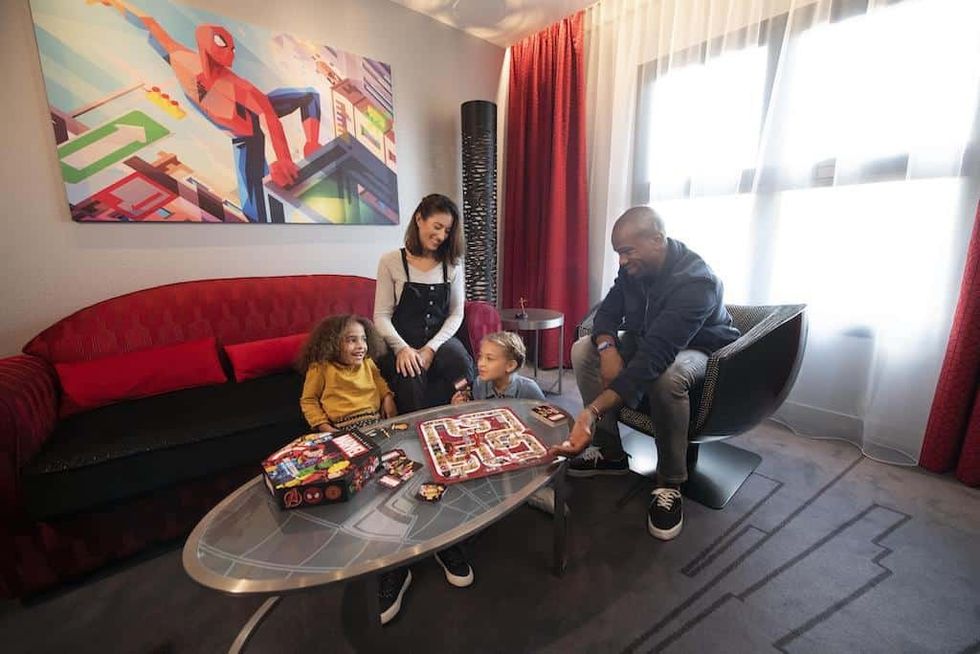 The Art of Marvel, Disney's Hotel New York
At LDP, we are best known for our work in attraction feasibility, economics, and strategy. However, we also have extensive experience in hospitality feasibility and accommodation planning across both new and existing entertainment projects globally.
Our experience shows that the strongest outcomes are achieved when attractions and accommodation are evaluated together as a single, integrated economic model, fully capturing the relationship between these two forms of real estate.
If your attraction is already creating demand for overnight stays but you are not capturing that demand on site, you are likely transferring value - and return - to other developers.
Unlock longer dwell times, more captive spending, greater revenues, higher returns and happier guests with strategic accommodation additions.