
Musealia, a global leader in the creation of touring exhibitions, will bring Titanic: The Human Story to Biltmore Estate in Asheville, North Carolina, this December, a venue with an interesting link to the history of the ocean liner.
The exhibition will be on view at the Amherst Building until 2028, marking a new stage in its international journey.
Built by George Vanderbilt, grandson of industrialist Cornelius Vanderbilt, Biltmore served as the Vanderbilt family home and remains one of the United States’ most important historic estates. Today, visitors can explore the family's history, the house, and the collections they assembled over generations.
The Titanic connection dates to 1912, when George and Edith Vanderbilt planned to sail aboard the new ocean liner. Shortly before its departure, they changed their plans and travelled on the Olympic instead.
 Biltmore Estate, a historic house in Asheville, North Carolina, US
This history makes Biltmore a particularly meaningful venue for the exhibition.
“At the heart of Titanic: The Human Story are the individual lives behind the history," says Luis Ferreiro, CEO of Musealia.
"In many ways, that is also what visitors experience at Biltmore every year: they discover a family, a home and, through them, a chapter of American history. Titanic now adds another layer to that story, bringing personal stories from the world of 1912 into a place with its own remarkable connection to the ship."
A long-term engagement
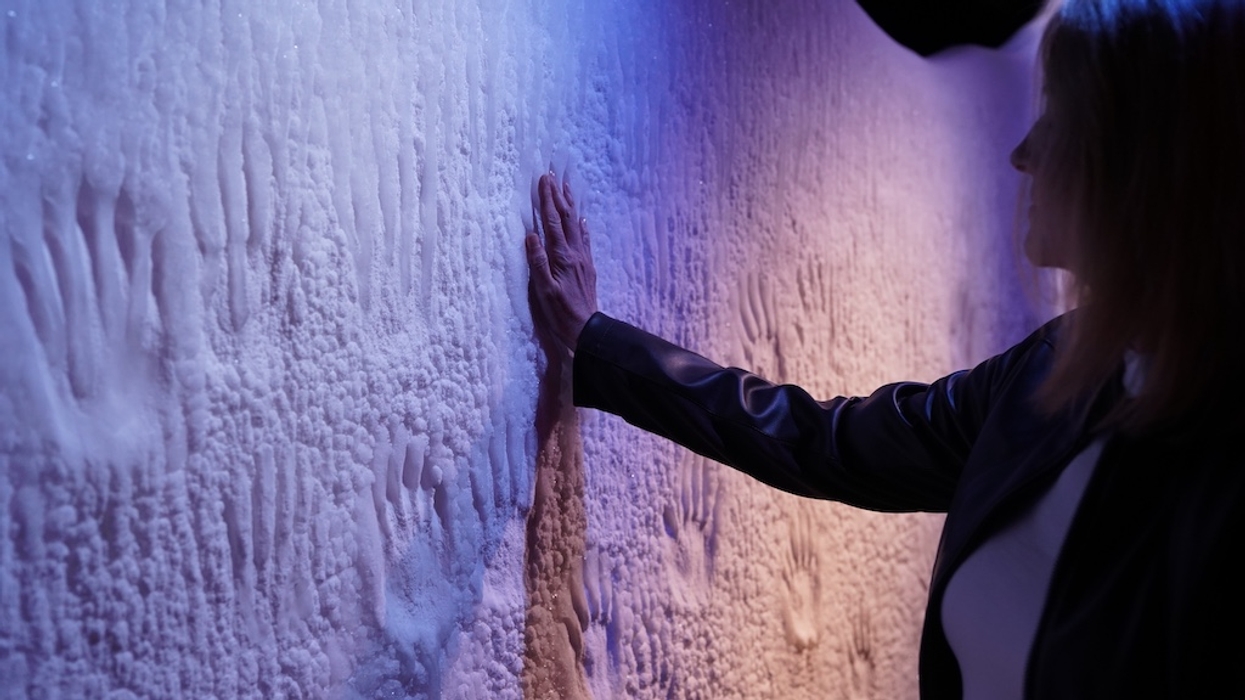
Featuring more than 200 authentic objects associated with passengers and crew, the exhibition uses personal belongings and firsthand accounts to explore their lives, hopes and experiences.
It takes visitors through the people, stories and memories surrounding the events of April 1912, situating the Titanic in its wider historical and social context.
For producers of touring exhibitions, long-term engagements can foster stronger partnerships with institutions and destinations, while allowing established exhibitions to connect with audiences in new settings over an extended period.
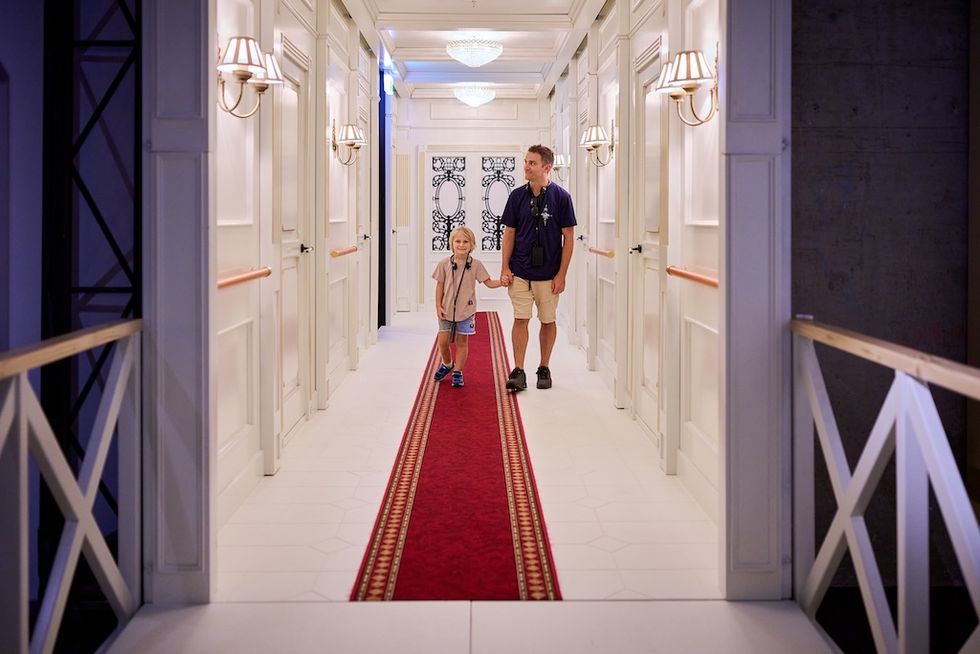 Titanic: The Human Story invites visitors to walk in the shoes of passengers
The engagement at Biltmore through 2028 marks a major milestone in the exhibition’s evolution.
For Titanic: The Human Story, which has welcomed more than six million visitors across 25 cities and institutions worldwide, this milestone marks another important chapter in an exhibition that has evolved for more than two decades.
As the exhibition continues its international tour, its arrival at Biltmore provides a new setting to explore the human stories behind one of history’s most famous ships and begins a fresh chapter in its relationship with audiences.
Last month, Musealia also celebrated the opening of Titanic: The Human Story in Auckland, marking its debut in New Zealand and a new chapter in the company's ongoing expansion across the Asia-Pacific region.