TEA SATE EME wasn’t supposed to happen in Gothenburg. However, when the original edition, curated with real care and planned for Dubai Parks & Resorts, was cancelled as conflict impacted the region, Liseberg stepped up to the plate.
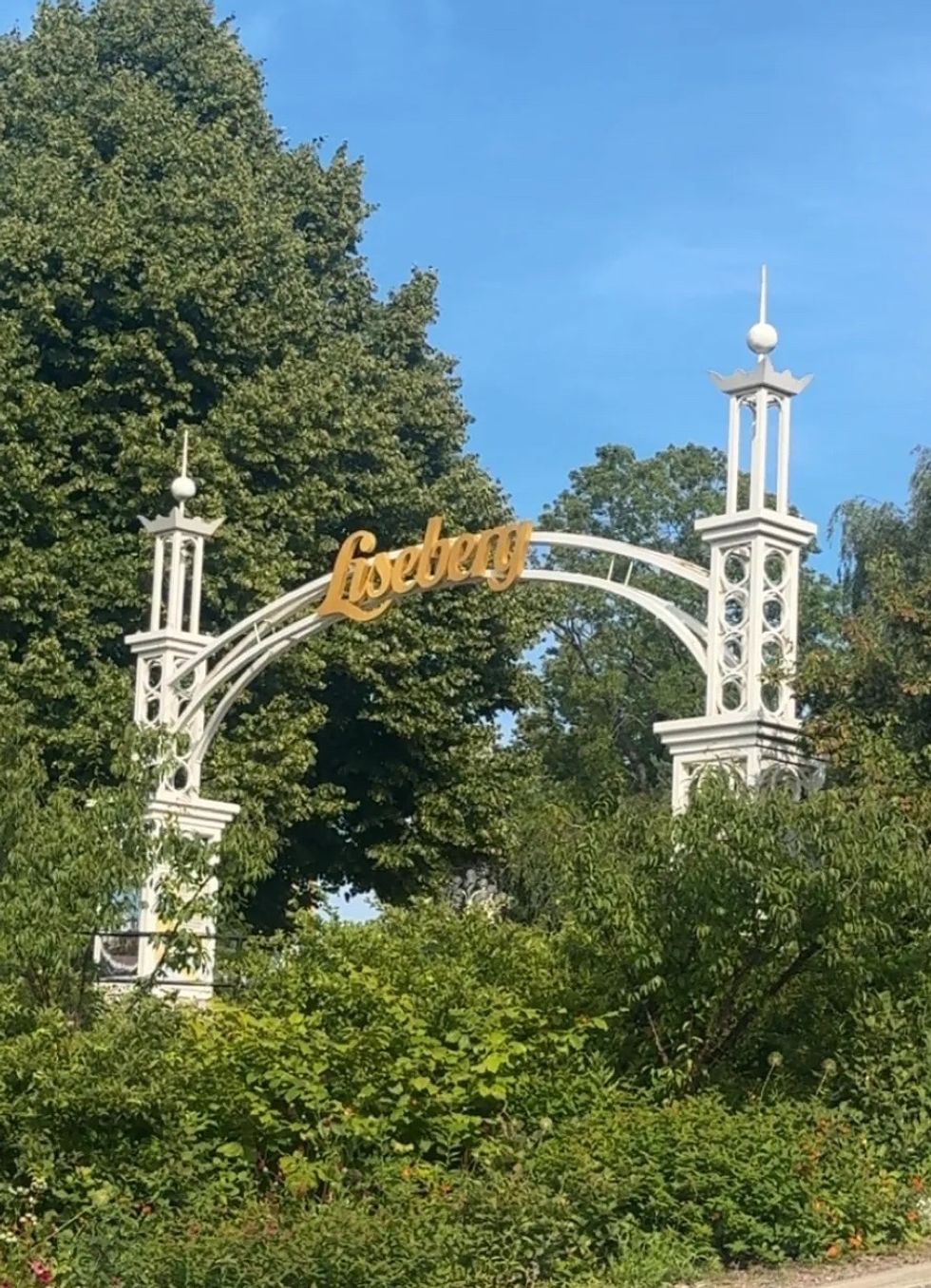
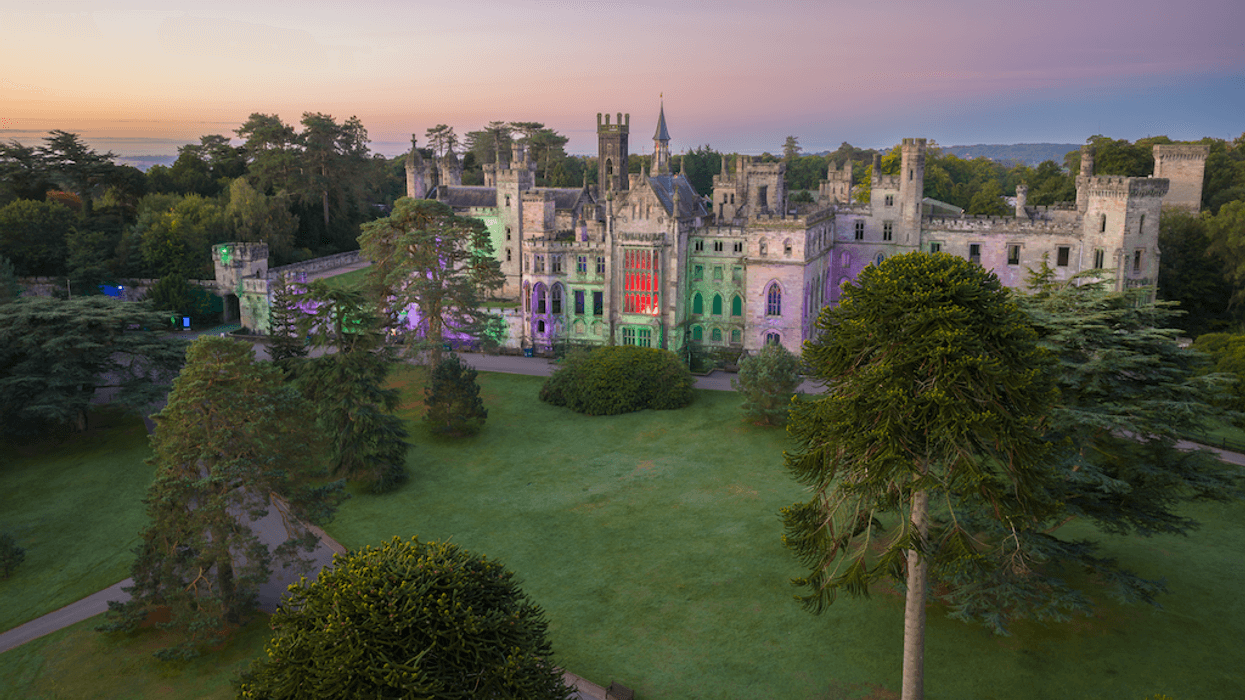
Liseberg in Gothenburg, Sweden, stepped up as a replacement host for TEA SATE EME 2026
Image credit Ruth Read
Hosting an event at short notice in the height of its busiest season was no small feat, but it says a lot about this industry’s instinct to come together in moments of crisis.
With the park celebrating 103 years of operation, it felt like the perfect location to explore this year’s theme of Roots, looking at how the themed entertainment industry draws on its foundations whilst creating new experiences to remain relevant to modern audiences.
The case against sameness
Liseberg’s own leadership set the tone for the conference with a warm welcome from Andreas Andersen, CEO & president of Liseberg Group.
Andersen traced the park's history back through three foundational pillars: the tradition of romantic gardens, Gothenburg’s industrial heritage, and the practice of world expos, calling Liseberg “a hybrid of the evolution of the modern theme park”.
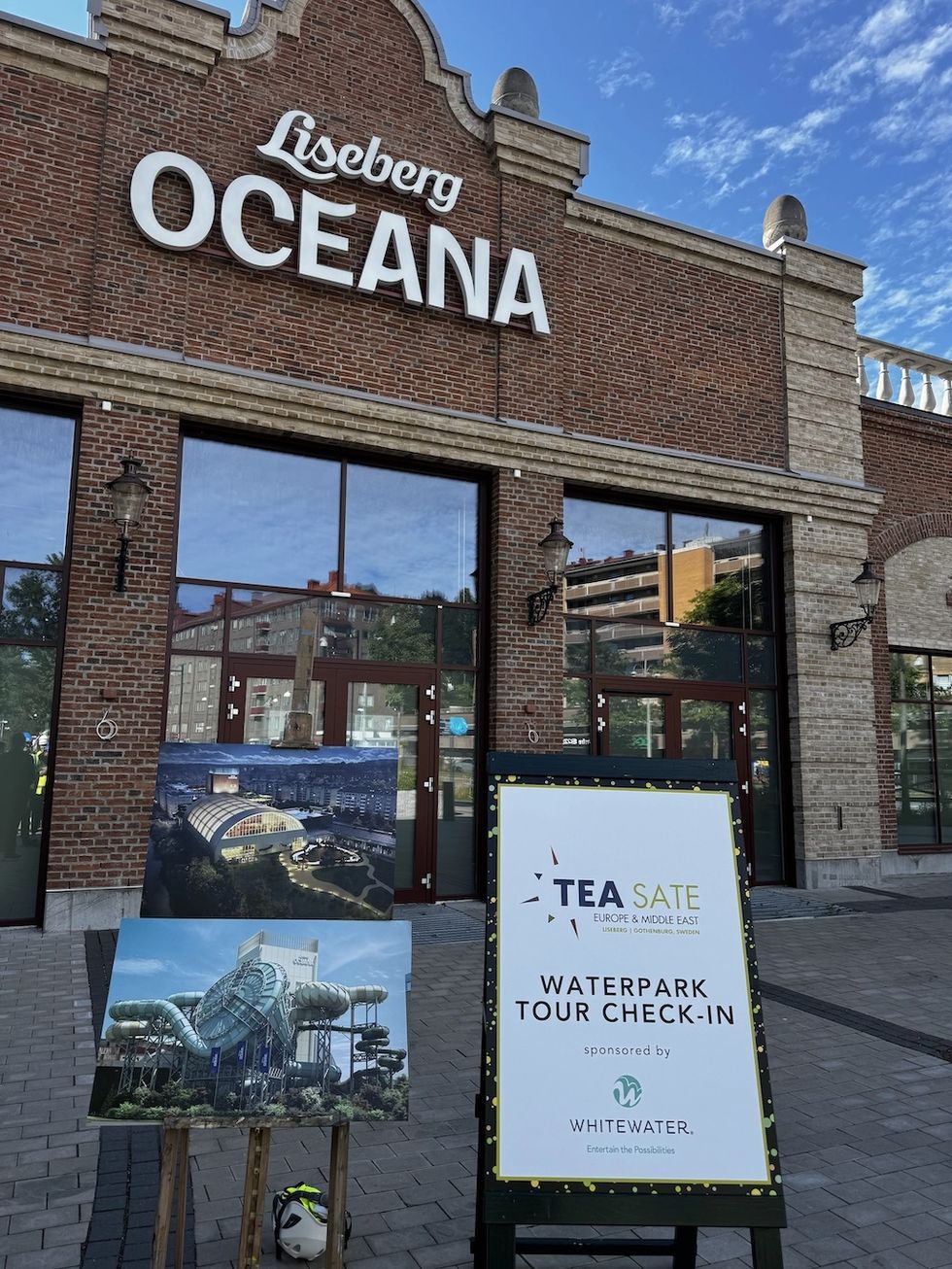
TEA SATE EME attendees had a behind-the-scenes tour of Liseberg's new water park, Oceana
Image credit Ruth Read
With Liseberg’s new waterpark, Oceana, set to finally open next year (after the tragic 2024 fire), the warmth and sincerity felt by the entire host team was tangible
Andersen was joined by David Schofield, Liseberg’s veteran creative director, who spoke about the changes his team has overseen in the last 30 years. Schofield spoke with caution about the industry relying heavily on trends, which he referred to as being “fraught with danger”.
Not that parks shouldn’t change; Liseberg is evidence of constantly moving with the times, but that growth should come from who you are as an attraction, not from focusing on what everyone else is doing.
Brad Shelton, owner and partner at BRC Imagination Arts, echoed this sentiment in his own session later that day, pointedly saying that “we live in an era of bland and homogenised attractions just designed to be shared on social media”.
Audiences today long for something more: in-depth experiences that not only deliver expertly crafted narratives, but that also bring people together.
Shelton argued that the best experiences are ones that don’t try to be everything for all audiences, and that it’s important to have the courage to focus on specific audiences as a way of protecting the purpose of your attraction. It is less about being exclusive, and more about staying focused:
“The world doesn’t need another attraction,” said Shelton, “It needs yours."
Local roots, global successes
The proof of this was shown throughout multiple sessions during the conference.
Changting Lu, founder and creative director of Get Dreams Done, shared how some of the most exciting attractions in China aren’t coming from theme park companies, despite everyone wanting to build “the next Disneyland”.
What is actually succeeding in the market are hyper-local experiences. For instance, Kaifeng, a heritage site transformed into Wu Xia World (essentially themed to the “Jedi Knights of ancient China” and is now one of the country's most visited attractions).
Or Pop Mart’s new theme park, which has grown around the success of Labubu, despite early scepticism that the characters lacked the lore to sustain a destination long-term.
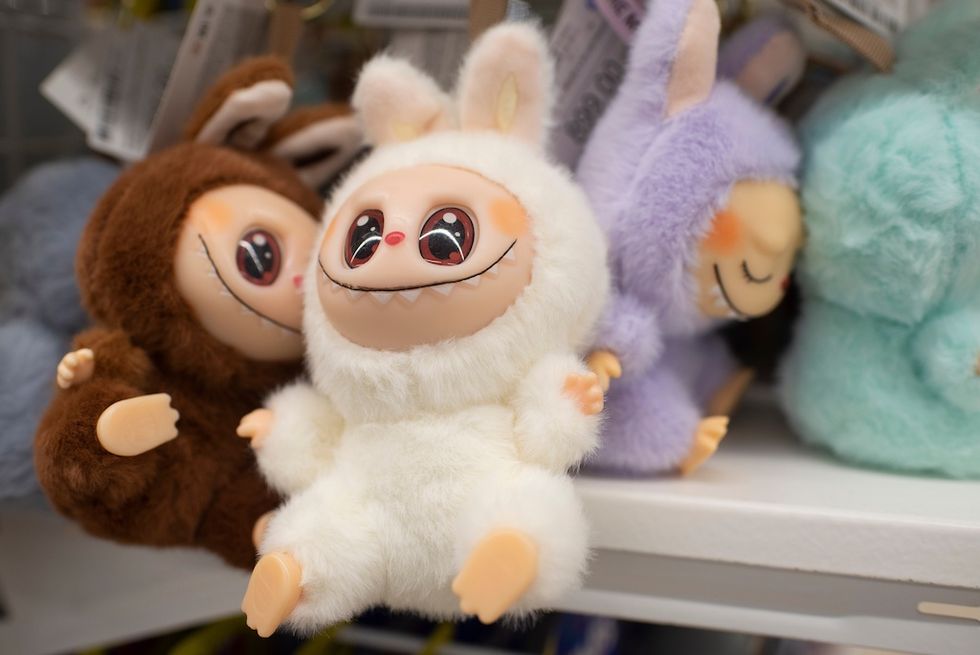
The viral Labubu trend has helped to power the success of Pop Mart's new theme park
Image credit Ruslan Russland - stock.adobe.com
The Cherokee Historical Association is working with PGAV to develop a similar approach to local storytelling.
Laura Blythe, executive co-director of Cherokee Historical Association, and Hector Caiazza, project leader at PGAV Destinations, shared a masterplan to take the organisation from an eight-month season to year-round visitation, transforming their current offering and developing new experiences to capture younger audiences.
All of this, while still keeping true to the tribes’ oral traditions at the heart of the experience.
Even the largest global IPs are employing similar approaches to localisation.
In a panel featuring Fri Forjindam, director of creative at Universal Creative; Danielle Lintott, director of location-based entertainment EMEA at WildBrain CPLG; Neil Connolly, creative director at Immersive Everywhere, and moderated by Veronica Hart, chief growth officer at RWS Global, the message was that branded experiences only succeed if they adapt to local markets.
For Immersive Everywhere’s new Peppa Pig: The Surprise Party, the team found from a study with Leisure Development Partners (LDP) that a third of the UK population would travel more than two hours for the experience.
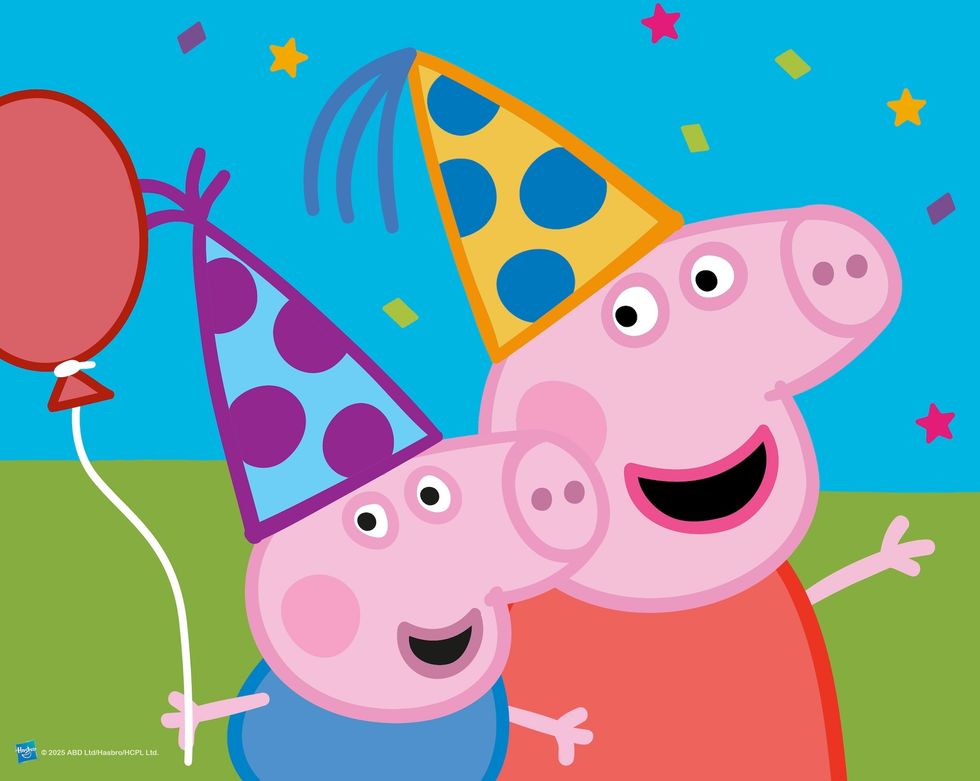
Brands such as Peppa Pig have global exposure but still require smart localisation to succeed
Interest from the Chinese market came with an unexpected twist: developers wanted to include a Peppa Pig nightclub for the brand's adult superfans.
Lintott shared how WildBrain’s experiences have also been adapted for the Asian market, with local artists added to the Peanuts touring experience to resonate with local audiences.
“IP is very nuanced”, said Lintott. “As a result, our approach varies in every market”.
Agency and rituals
One of the key debates that emerged from the conference was around guest agency and how much choice visitors should have in an experience.
In contrast with Shelton’s session, which argued that too much choice in everyday life is making us sad and that the industry should craft focused narratives to combat this, we also heard from creatives leaning in the opposite direction.
Trent Oliver, principal and managing director of Blue Telescope, made a case for “main character energy” experiences, where audiences shape the story on a sometimes individual level.
From The WWE Experience in Riyadh, letting guests pick their own entrance music and personas, to Phantom Peak’s open-world format, Oliver argued that giving guests choice allows them to decide how deep they want to go into an experience.
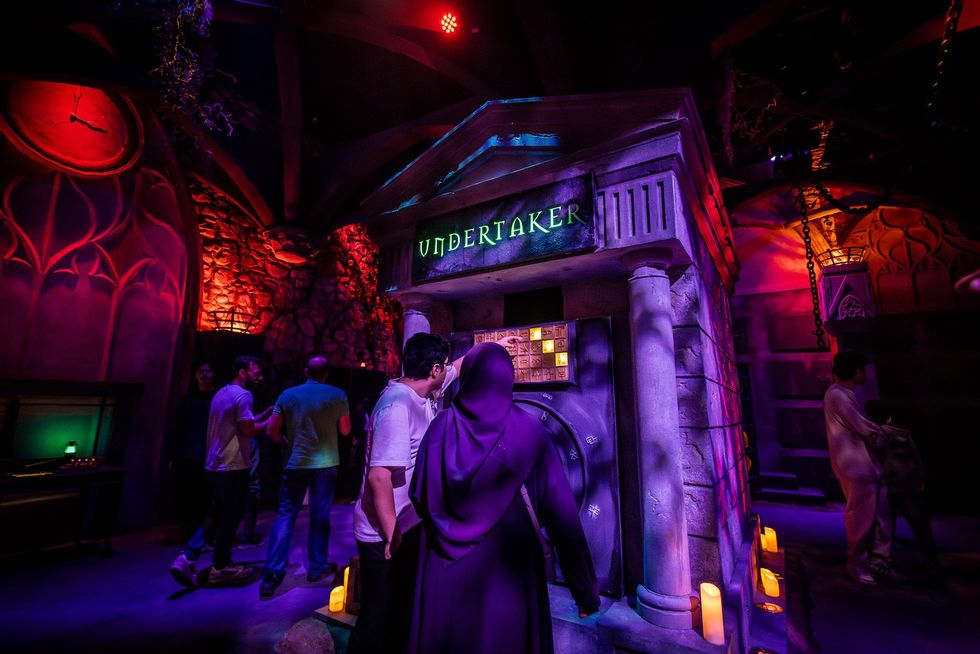
The WWE Experience in Riyadh, Saudi Arabia, lets guests experience the brand in a personalised way
James Lawbuary, writer and project producer at Katapult, highlighted rituals as the earliest example of experiential participation, powered by common truths, collective agency, and what he referred to as “bodily wisdom”.
He noted that the industry is fluent in shared visual language, but far less so in the depth that these emotional aspects of rituals represent, and themed entertainment therefore had a new opportunity to explore.
Sustainability and resilience
Amy Pastor, vice president, sustainability at EXP, brought the conversation back to the physical reality of building experiences that are made to last.
Her session was an urgent call to the industry to treat sustainability as something to act on now rather than defer, drawing on EXP’s extensive work in developing experiences with the environment at their heart.
With Western Europe having just experienced the hottest June on record, Pastor’s session felt especially timely and examined predictive modelling, material selection, resilience and future-proofing through a sustainable lens.
“If it's not affordable, it's not sustainable”, she said, highlighting that building in sustainability from the outset is far more cost-effective than shoe-horning it in mid-project or after the fact.
Swedish rivalries
One of the highlights of the conference was a session focused on Scandinavian city parks, which reflected on the success and longevity of the model, as well as the friendly rivalries that have developed between regional attractions.
The discussion explored what it means when a park belongs to its city, with Lotta Carlsbogård, director of operations at Liseberg, and Jakob Fagerström, creative director at Parks & Resorts Scandinavia, joined by moderator Edd Musgrove, executive creative director and partner at Mycotoo Europe.
Even the youngest of the region's city parks is 70 years old, and local people feel genuine ownership of them, acting as both demanding critics and biggest fans.
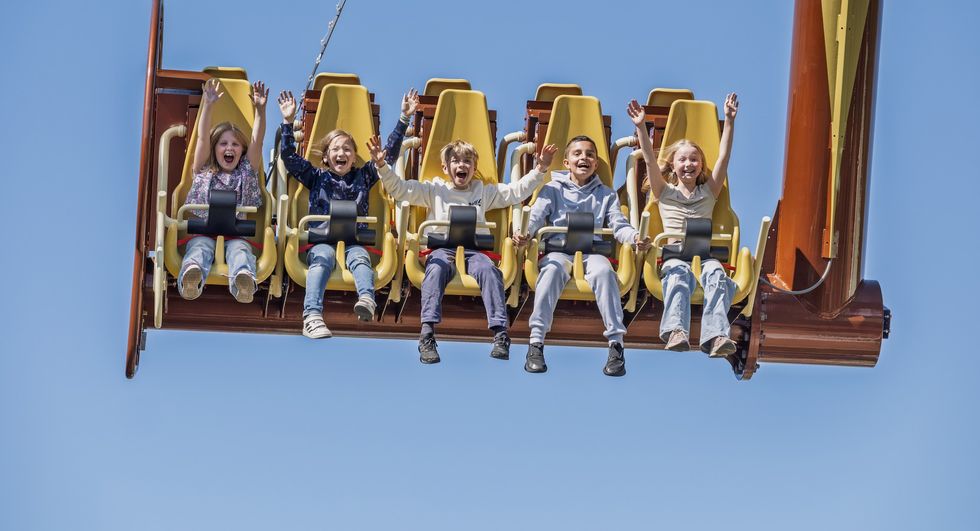
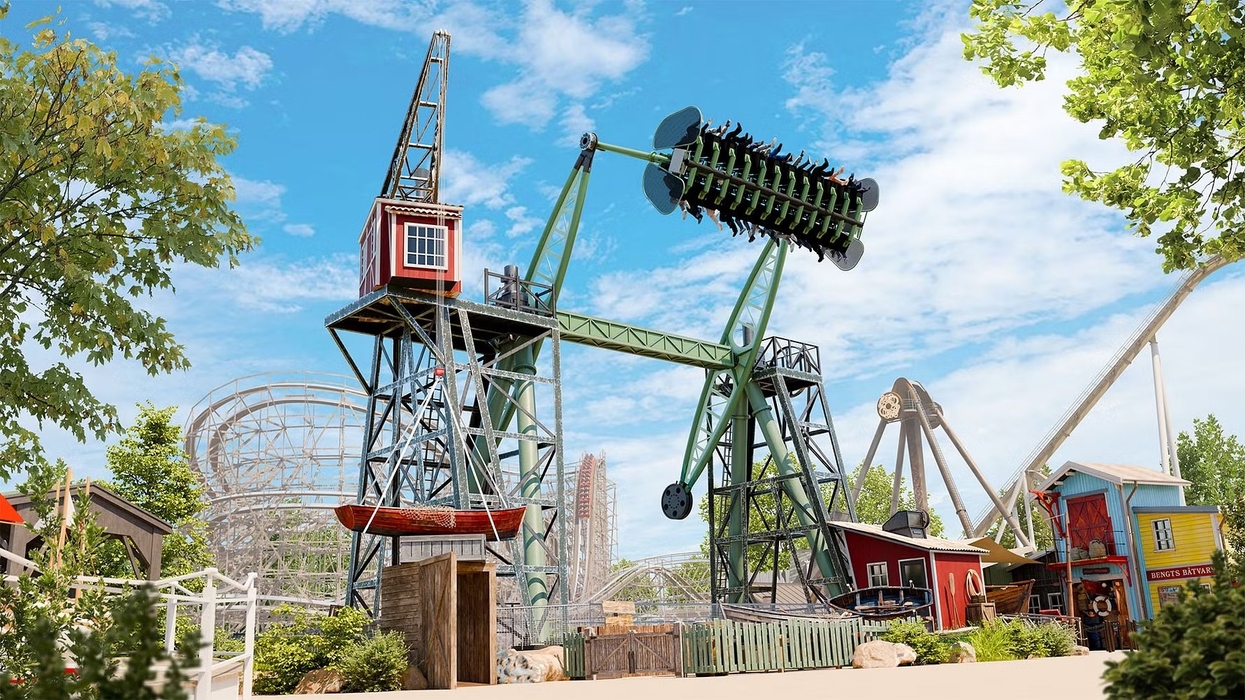
Pumpen swing ride, one of the newest attractions at Gröna Lund, Sweden’s oldest park
When speaking about what makes this model of theme parks so unique, Fagerström credited Sweden’s working culture for “an open source type of thinking... there is a daring way of making business that I think is uniquely Scandinavian”.
He was candid about Parks and Resorts Scandinavia’s approach to collaboration, highlighting their upcoming dark ride created in partnership with JoraVision.
When working on a project, they want to develop trust and shared ownership with their suppliers, pushing back on the culture of NDA’s within the theme park industry.
Both Fagerström and Carlsbogård also shared about the friendly rivalry that exists between the two parks. With Gröna Lund in Stockholm and Liseberg in Gothenburg, the parks are regularly trying to one-up the other.
Liseberg recently purchased adverts on the ferry boat that delivers guests to Gröna Lund, promising that “this will be the best ride you experience today”, while Gröna Lund’s Halloween campaign advised visitors that “if you don’t like being scared, go to Liseberg”.
Beyond the sessions
SATE itself offered attendees the same collaborative spirit.
Beyond the conference sessions, the week was packed with networking opportunities, including an early morning ‘Netwalking’ meet-up, a reception at Liseberg’s Ghost Bar, and a themed costume evening that leaned into the theme of Roots with attendees dressing as their childhood dreams.
Hosting the event at Liseberg also provided the perfect location for behind-the-scenes tours, which included neighbouring attraction World of Volvo and Liseberg’s new Grand Curiosa Hotel.
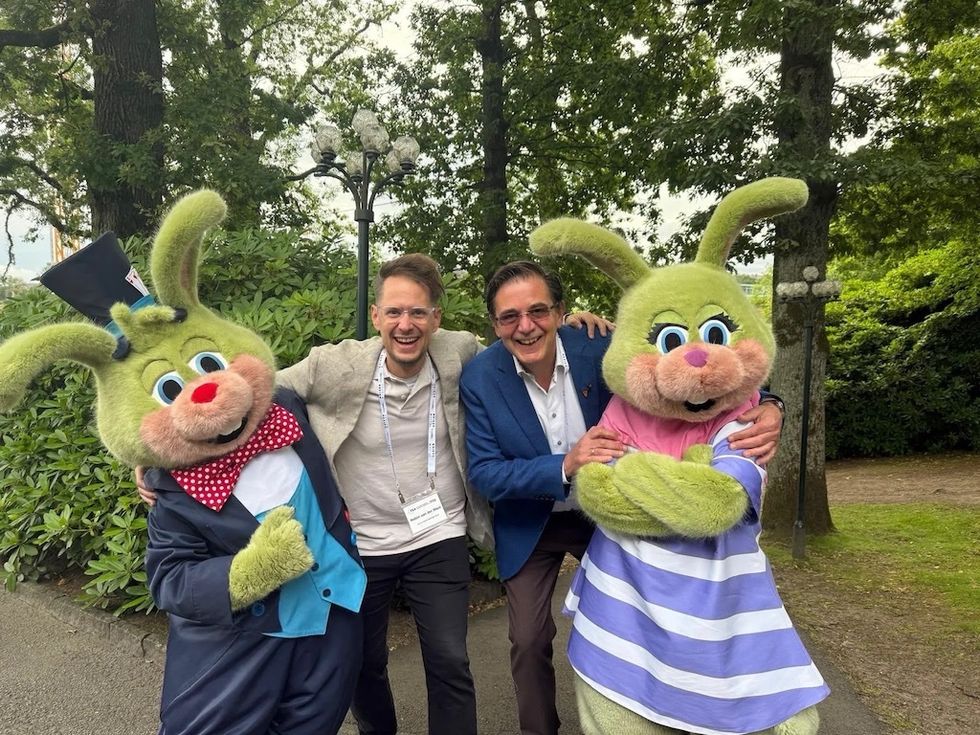
Jora Vision's Robin van der Want and Jan Maarten de Raad meet Liseberg's mascots during TEA SATE EME 2026
Image credit Ruth Read
A highlight was the opportunity to get a sneak preview of Liseberg's new water park, Oceana, set to open in 2027 after being rebuilt following a fire in 2024.
Featuring 14 waterslides from WhiteWater and extensive theming and rock work from Universal Rocks, the water park will transform Liseberg into a multiday destination, and allow the attraction to operate year-round.
Wrapping up the conference, Yael Coifman, senior partner and owner of LDP, said that“Roots are not anchors that keep us tethered; they are the systems that allow us to grow."
Given the circumstances that led SATE EME to Liseberg this year, this sentiment was truly felt throughout; from Liseberg stepping up to host a community that had supported them in their time of need, to the TEA team prioritising member safety and reorganising an entire conference in two months,
An event that was itself uprooted and replanted at speed really proved this point.
The next edition of SATE will take place at Efteling in 2027.