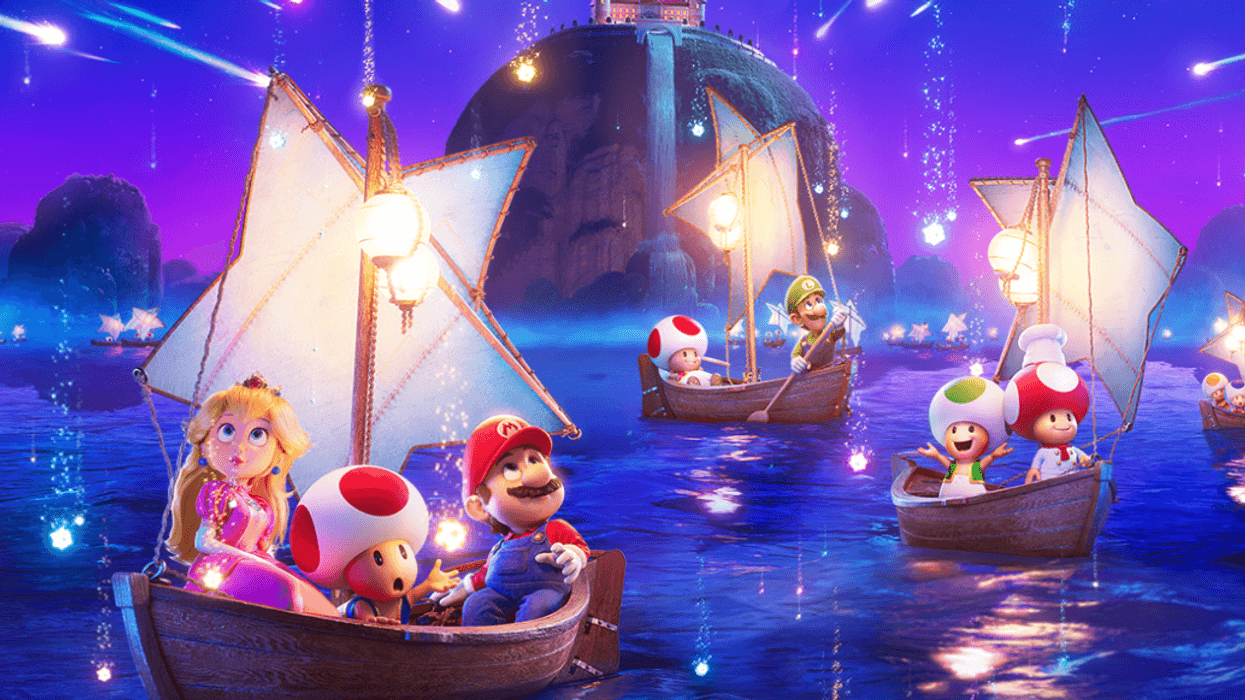
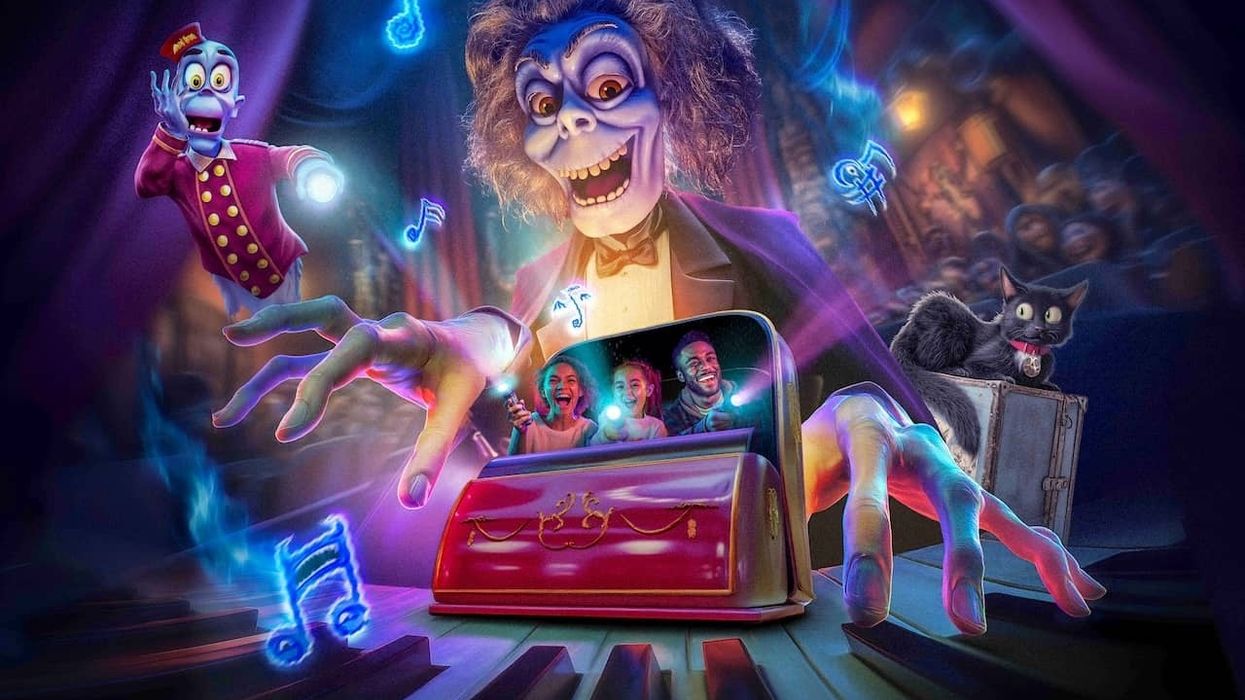
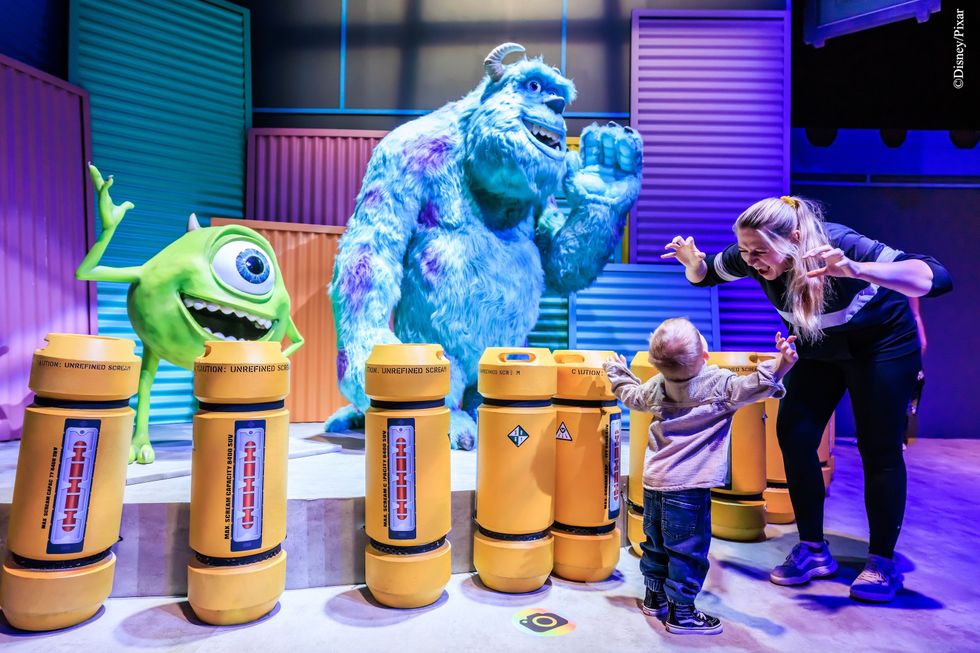
Around the conference itself, Fever and Dice hosted a networking reception at Mr Fogg’s Apothecary on Tuesday. Attendees could be murdered at The Traitors: Live Experience in Covent Garden on Wednesday night, and visit the newly opened Pixar Mundo in Wembley on Thursday.
 Mundo Pixar
Several key themes came up across sessions, from IP to increasing spend, B markets and data.
To IP or not to IP?
Using an IP for a touring experience can help boost ticket sales, engage fans in new interactive ways, and drive secondary revenue through merchandising.
This was true at the new The Traitors: Live Experience. The attraction in Covent Garden, London, is based on the hit TV show and cultural phenomenon of the same name.
Live event producers, Immersive Everywhere, IP holders IDTV, and promoters Cuffe & Taylor spoke on the panel discussions.
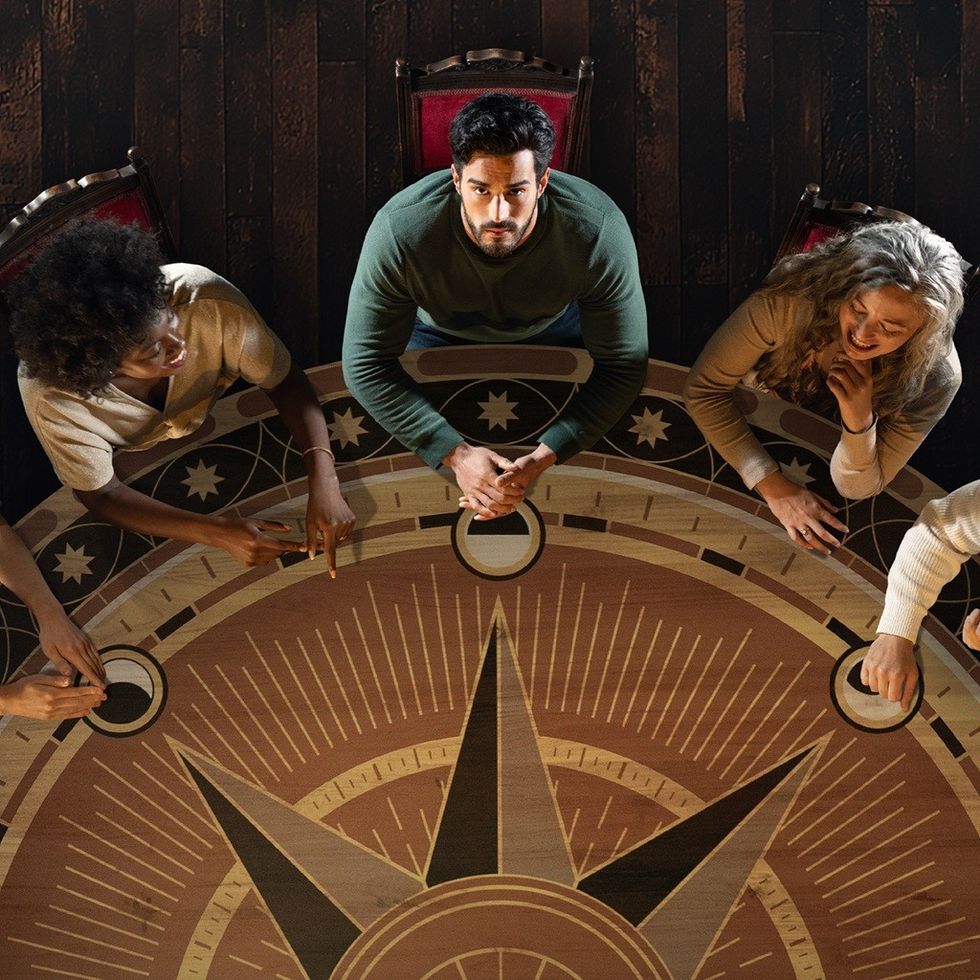
The Traitors: Live Experience follows the same format as the show: traitor selection, breakfast scenes, missions, banishing at the round table, and finding out the traitors.
But bringing the game from screen to real life was a huge challenge. The experience runs for just 2 hours, vs 14 days, and a smooth back-of-house guides visitors around the experience, keeping them from seeing each other or prematurely finding out the traitors.
 The Traitors: Live Experience
A key innovation is the Lounge of the Dead, allowing eliminated players to continue engaging with the action via live feeds and mission participation.
Designed with modular scalability for international expansion, the attraction balances gameplay, theatrical storytelling, and social interaction, with strong repeat visitation and corporate demand already emerging as it prepares for potential global touring.
The IP is well known in the Netherlands, where it originated, and in the UK, with many regional versions of the show worldwide. It is broadcast in more than 40 territories.
The Traitors IP is very strong and continuing to grow. Neil Connelly, creative director of Immersive Everywhere/Everywhere Group, teased that the experience will be refreshed with a new show and new missions as the TV show evolves.
For both IP and own brand experiences, social media strategy can play a vital role. However, they carry different pros and cons.
“The sell-in is harder for non-IPs, but unlike for owned IPs, the loyalty to the brand thereafter can be much more rewarding with repeat visits, such as Phantom Peak,” said Meritaten Mance, founder and co-director at Mance Communications.
“Good assets from the beginning are the key for all experiences. This can be slowed depending on IPs and how quickly approvals can be sought. Non-IPs can move faster in most cases”.
According to the trends panel, cultural, nostalgic IPs that incorporate competitive socialising are leading the pack- think Crystal Maze, Pac-Man, Gladiators, and Paddington.
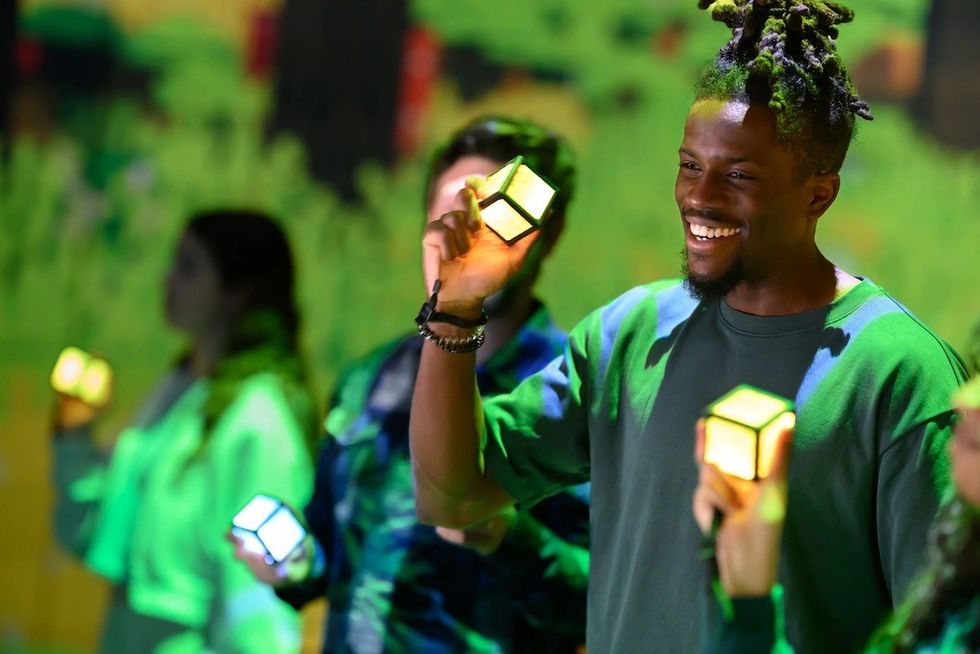
 Minecraft Experience: Villager Rescue Image credit Minecraft Experience
Gaming IP lends itself to new interactive experiences that encourage repeatability.
Minecraft Experience: Villager Rescue is a brilliant example of a wildly successful IP brought to life - the game has over 200 million monthly users, many of whom are children. Whilst this enabled a great experience for them, some of the adults were less clued up.
“The children loved Minecraft, unfortunately, it was the parents writing the reviews, and they had no idea what was going on!” Barry Campbell, special projects director and senior promoter at FKP Scorpio Entertainment, explained.
Squeezing the secondary spend
“Touring entertainment offers great experiences, but costs are rising. How can we reach the goal to make money and do it in a way that guests love, and not resent?” Mark Zachary of Experiential Advisors asked the audience in his panel session Who wants to be a billionaire?
The session explored best practices for maximising revenue beyond the ticket price, including merchandising, audio guides, sponsorship, upsells, and packages.
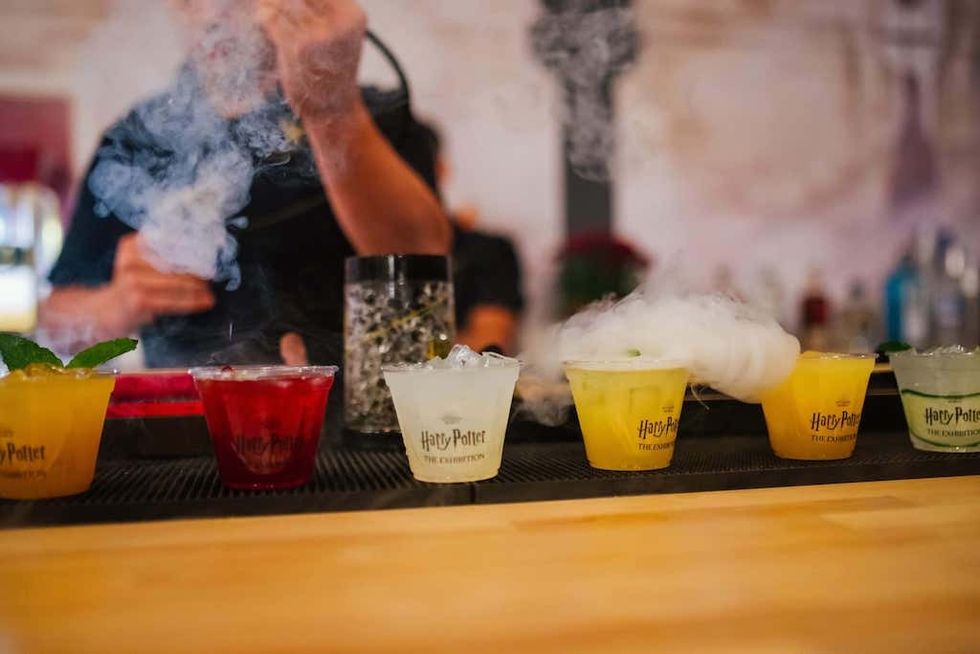
Food and beverage can be a great way to reinforce the IP and create authentic, unique experiences only available at the touring experience.
Harry Potter: The Experience in Atlanta
“With cafes, the margins suck, and take a ton to get set up. But if you make a special drink, something that feels part of the experience, it works. You can charge more for it; it creates the photograph and a memory,” said Tom Zaller, CEO and president at Imagine.
“An example would be our pretzel wands at Harry Potter: The Exhibition in France”.
Site-specific merchandise is a great way to create exclusivity, he added:
“Locally branded merchandise sells great; the disadvantage is the inventory left over that you can sell. This is why the photo business is very easy to do. Another trend would be collectable merchandise, for example, like the 25th Anniversary of Harry Potter."
Authentic VIP experiences
VIP experiences are a great way to increase revenue if done correctly. It taps into the biggest fans of the brand or show, or those wanting to maximise their time at the event.
Ideas such as behind-the-scenes access, character or performer meet-and-greets, seeing how stunts are performed, or even the presentation of special gifts/merchandise can be meaningful.
“VIP shouldn’t feel transactional, but something that is special and personal,” said Zachary. “Not just a tote bag, poster, a lanyard and now you are a VIP."
“People are not price sensitive, they are trust sensitive. What is the entertainment value proposition other than the exhibition itself? said Sana Ali Aamir, head of business development, Fever.
Crunching the data
Marketing and data play a vital role in increasing ticket sales. “You need to hook the right person, at the right time, with the right image. Even the weather at the time at which you purchase a ticket impacts your propensity to pay,” said Aamir.
If you were wondering, it is easier to sell tickets in London while it’s raining!
The panel highlighted the importance of the marketing spend. “It should be at least 20% of gross revenue spent on marketing," said Zaller. “Its the life or death of your business. You need to know from the beginning you have a budget for it”.
“Hardcore fans will jump through hoops to come, it's casual visitors who make impromptu decisions in the moment that we need to capture," said Aamir.
“Data is at the heart of this, who the potential market is, and what are the right times in the purchase journey to speak to them."

Data can be collected during the experience itself, for example, through the audio guide company LooktoInnovate.
The company has been a leader in traditional audioguides for decades, knowing which exhibits guests engage with most and partnering with ticketing companies to provide data for post-visit marketing campaigns aimed at increasing secondary spend.
For instance, sending a link for personalised merchandise for a painting they were particularly interested in.
Adding another layer of data, live experience analysts Cavea can measure electrodermal activity on guests' skin to gauge their emotional arousal throughout the experience. So pairing together where they are engaging and whether they are enjoying it, or not.
The aim is for creatives to then tweak and refine an experience to maximise the guest experience.
With costs rising for touring entertainment, is everyone feeling the pinch?
“The rising costs of productions is here to stay. The cost of AV equipment has not grown proportionately, but the majority of the cost in the music industry is the artists' fees. The biggest benefactor is the ticketing companies and the venues themselves,” said Nicolas Renna, CEO of Proactiv Entertainment.
“The one who takes the largest risk should take the most money,” said Susan Gloy-Kruse, CTS Eventim. “But that is not the way it is anymore."
The power of the B Market
Alex Berti, VP of client development at Ticketmaster, explained that traditionally, A markets like London or New York have larger, higher-quality venues, where promoters can sell more tickets per night.
However, the market is competitive, there are more entertainment options for guests to spend on, and logistics costs are often higher for promoters. It's not always a given that they generate higher profits than a B market.
In second-tier cities, audiences are more regional, there is less entertainment choice, but guests and venues are more receptive to the tour.
“It is dependent on the show - what is the IP? How far is the audience willing to travel?” said George Wood, founder and managing director of Luna Entertainment. “In the UK, people in Newcastle could be hungry for it, but Londoners are spoilt for choice.”
“I don’t view the world as an A or B market,” said Keith Dawkins, president, Harlem Globetrotters, Herschend Entertainment Studios. “There is a reason why we perform in London and Paris, etc.
"The economics of being in those markets is what it is; it’s the perception of launching in these cities that is important”.
Buzzers up
In the quick-fire session, Manon Delaury, founder of TEO, hosted presentations from new tours for the market.
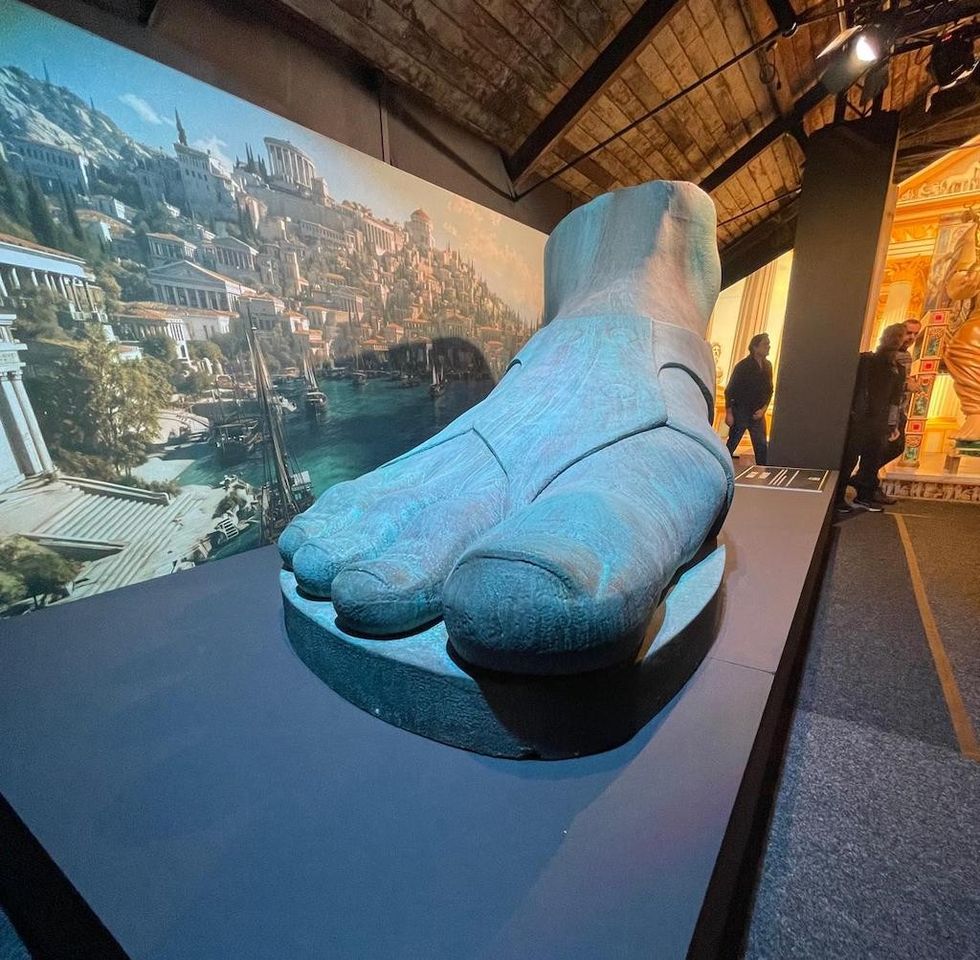
Exhibition Hub, which is celebrating 10 years in the business, presented Seven Wonders of the World and Mind of a Serial Killer.
 Seven Wonders of the World: An Immersive Experience
MediaPro Xperiences presented Gaudí Code, opening September 2026, the centennial of Gaudí’s death. Visitors step into the mind of the iconic architect, working to uncover the hidden code behind Gaudí’s genius.
The project is in collaboration with the Sagrada Família Foundation and the other Gaudí house museums, and curated by the president of the Gaudí Chair at UPC University. The show will launch at MediaPro Xperiences’ new venue Imagina, at its headquarters in Barcelona.
Alter Agent was at the conference with the new show, Cast for Mars, opening in Milan in March. The part-theatrical, part-game, and part-story experience invites guests to a Mars colony research facility, where they choose to be colonists or researchers to study for space missions, but all isn’t what it appears.
Tempora presented three new exhibitions, among them Back to Pompeii, where it has reconstructed the streets of the old city and created virtual, realist gladiator fights before the big eruption. Another exhibition, The Little Prince Among Men, presents the story of The Little Prince, the most-translated story of all time (except the Bible!).
Sister event The Experience Meeting (TEM) will take place in Madrid from 5 - 6 October 2026, and early-bird access is now open. The event is a partnership between Fever, Semmel Exhibitions and Exhibition Hub.
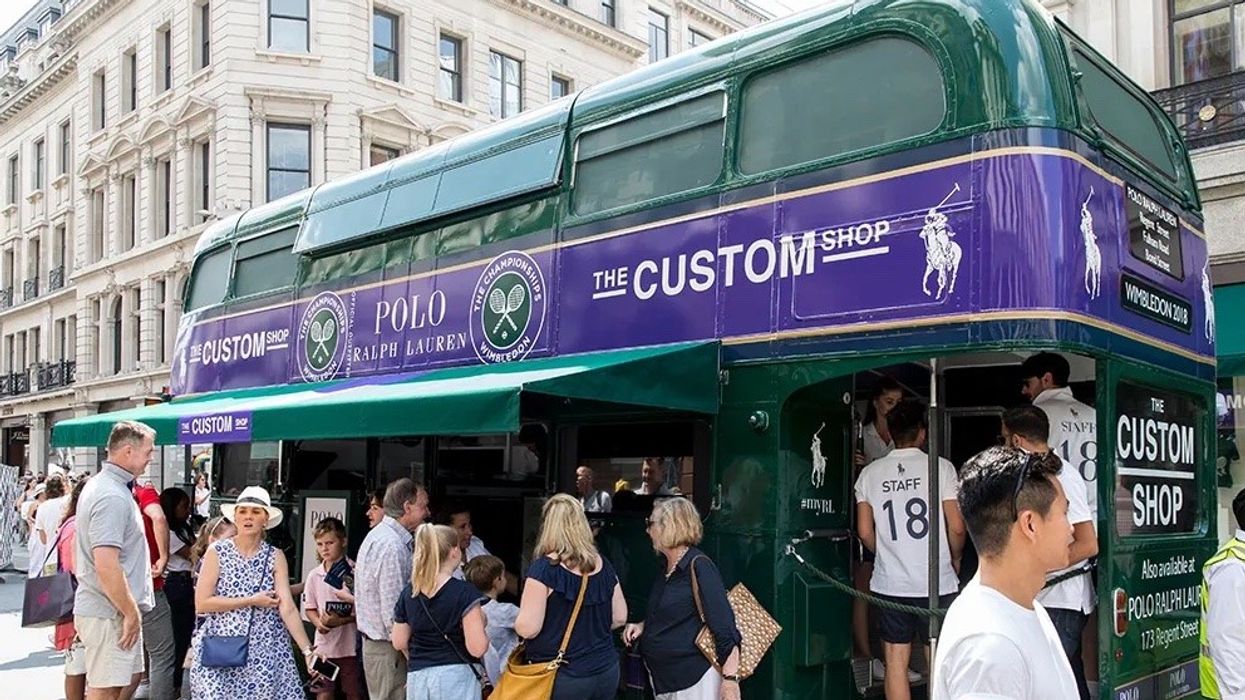
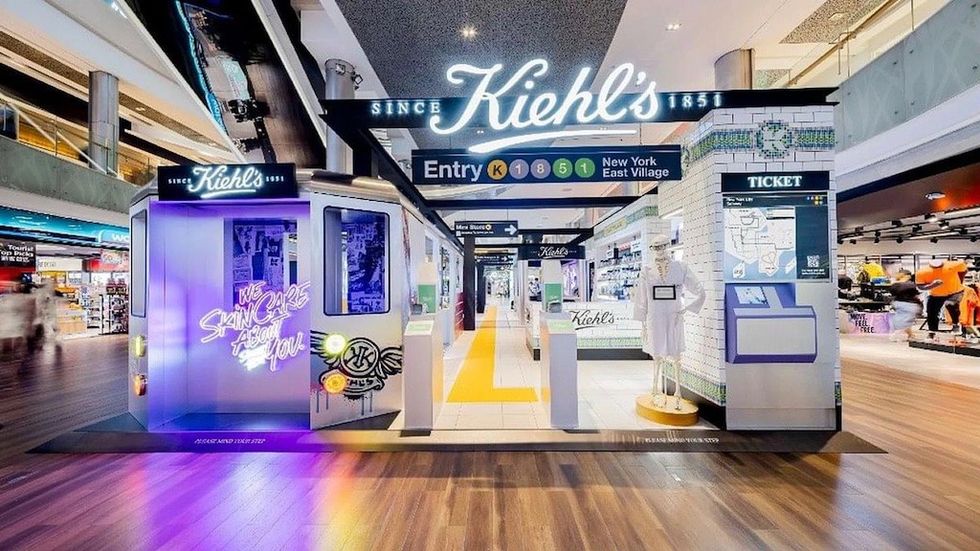 A fully customisable ‘Have-it-your-way’ NYC Subway-style pop-up experience where visitors step into Kiehl’s world through personalised touchpoints, photo moments and interactive brand storytelling
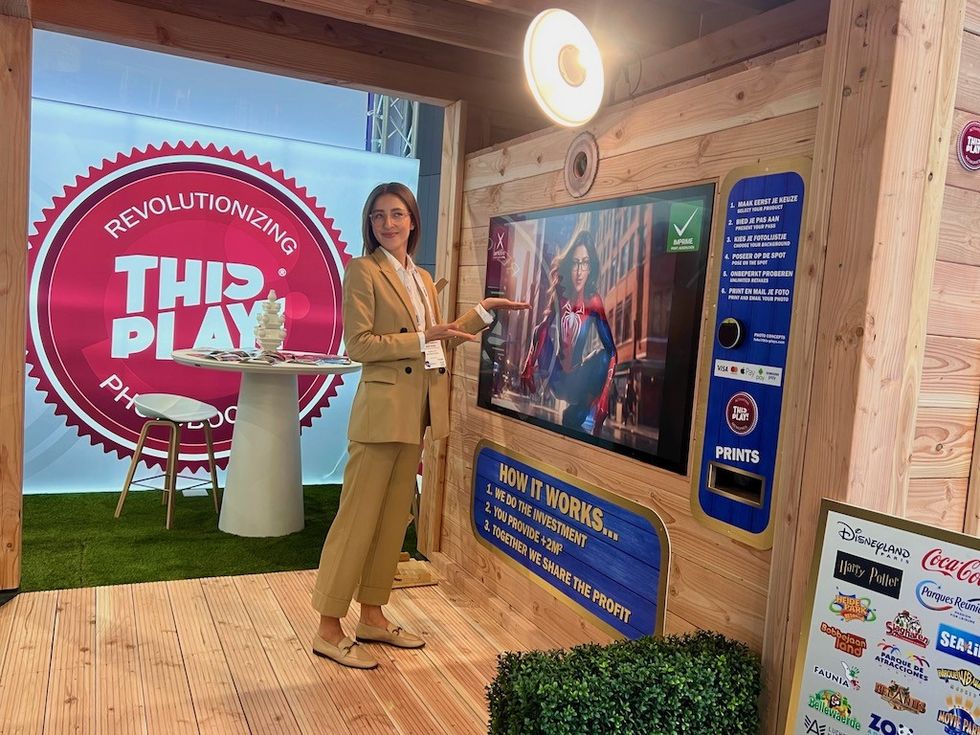 Become a superhero and print your own HeroCard (driving-license style) instantlySource: ThisPlays International
 Mundo Pixar
  The Traitors: Live Experience
  Minecraft Experience: Villager Rescue Image credit Minecraft Experience
  Harry Potter: The Experience in Atlanta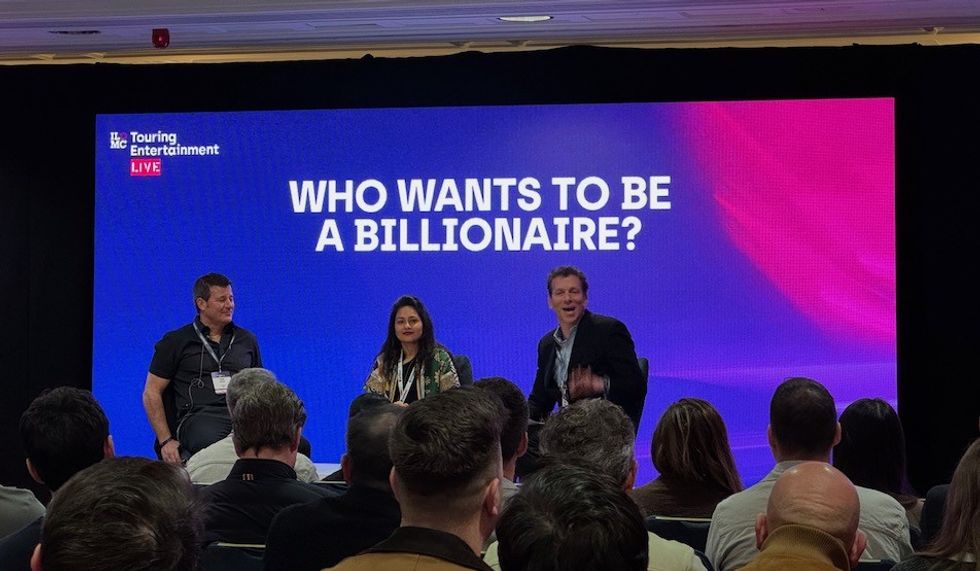
 Seven Wonders of the World: An Immersive Experience

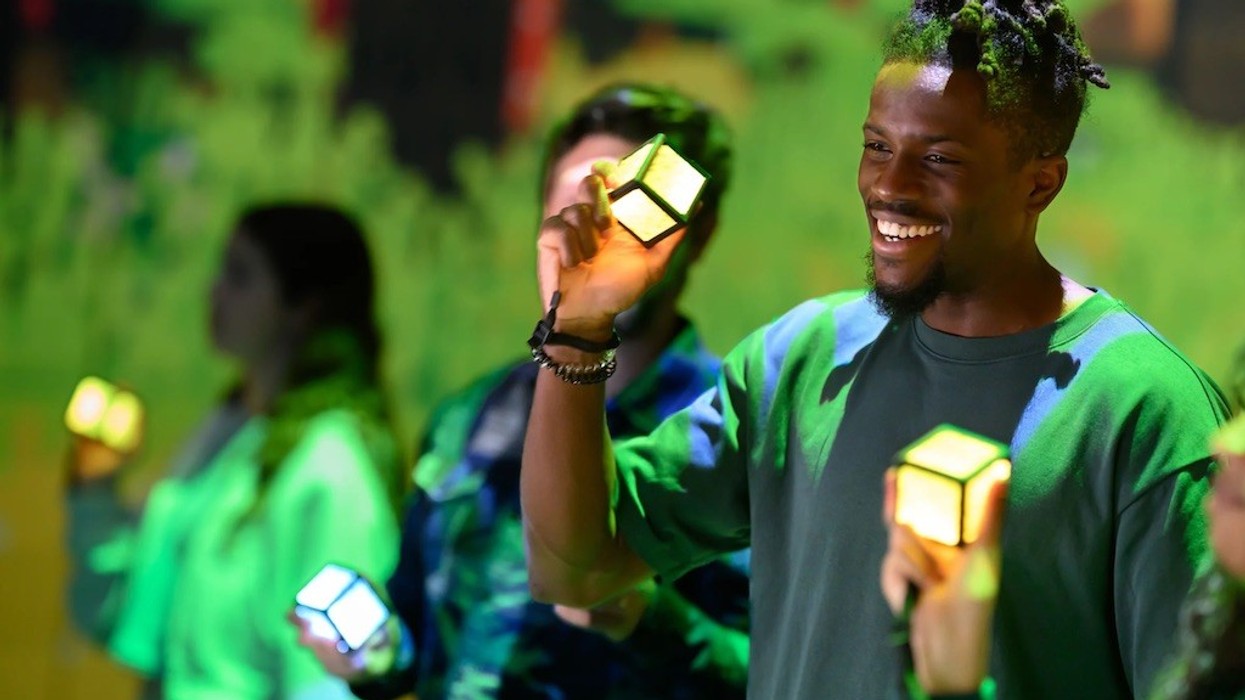
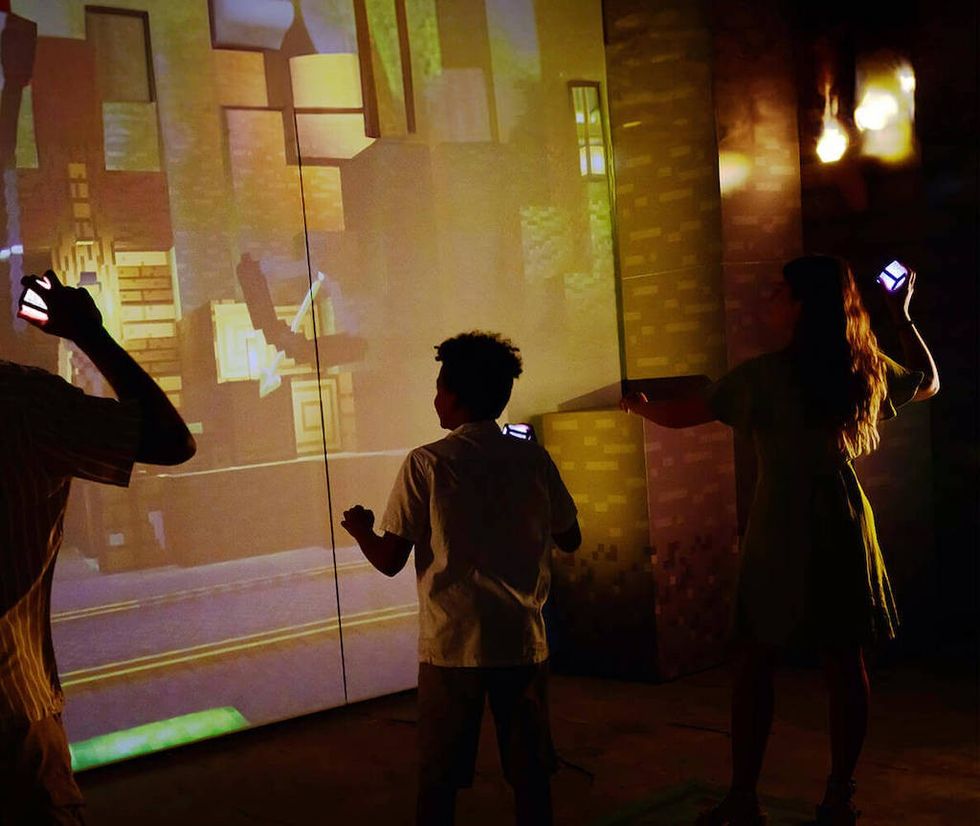 Image credit Minecraft Experience
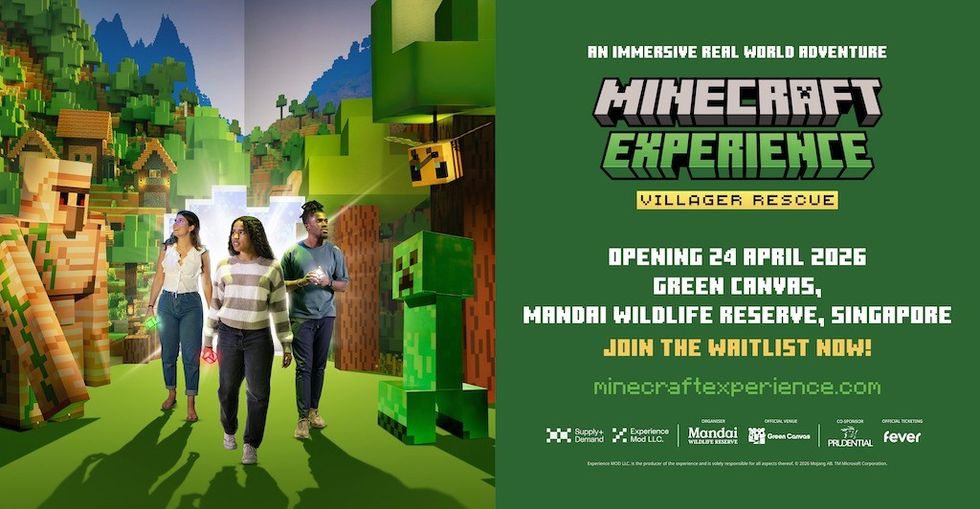 Image credit Minecraft Experience