
This is the first in a new series highlighting trends, project openings, and entertainment industry events in Asia. This month's piece highlights a fast-growing market segment in the region that is driving demand.
Smart operators are adding new attractions, special events and activations to appeal to this segment.
Fastest growing entertainment segment: women with friends
The Asian entertainment industry has faced challenges over the last decade, including COVID shutdowns, slow economic growth, and underinvestment. However, a quiet but powerful trend has emerged, creating rising demand.
The women-led social segment is the fastest-growing part of attendance at regional attractions. Theme parks have usually been seen as a family activity, but while families are important, the fastest-growing segment now consists of women visiting without their families, instead going with other women friends.
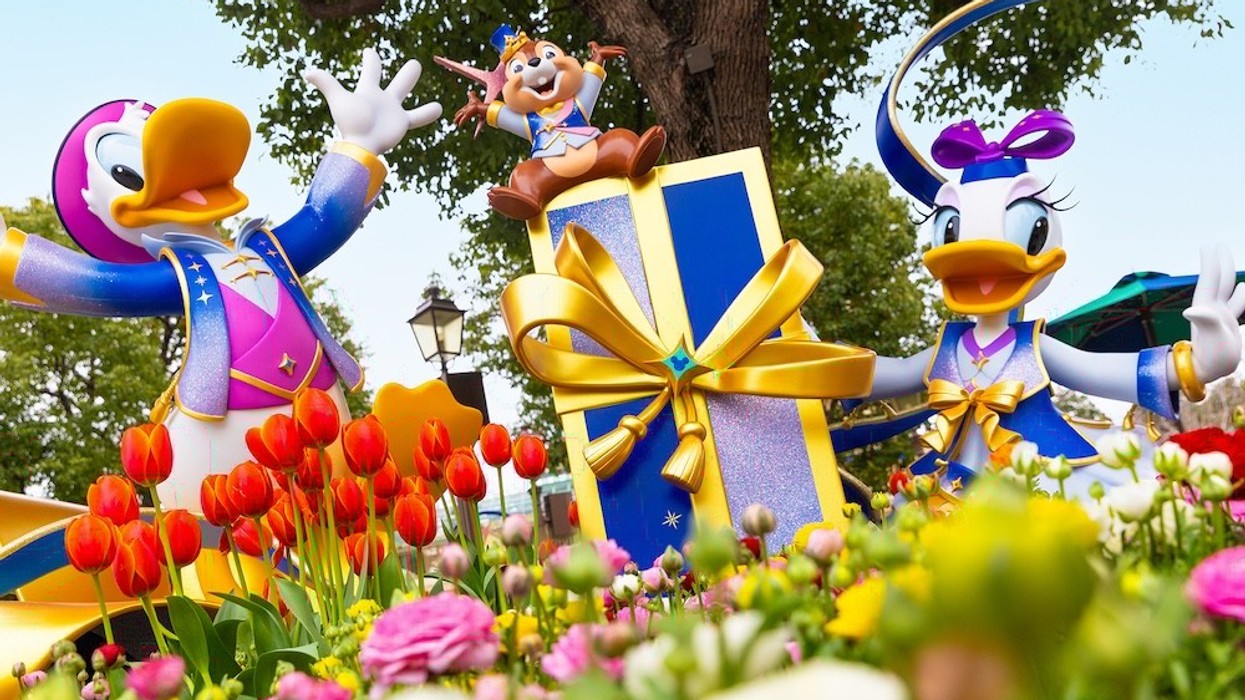
Tokyo Disney Resort has always been popular with women, but the percentage of visitation by this demographic has actually increased from 70.3% in 2017 to 76.5% in 2024. Three out of four visitors to Tokyo Disney are women. Over the same period, the percentage of visitors aged 40 or older has increased from 20.7% to 33.2%.
At other theme parks, the fastest-growing segment in visitation is millennial women (ages 29 to 44) and Gen Z women (ages 13 to 28). In Asia, there are a number of driving this trend.
- Desire for social and shared experiences: women see theme parks as great places to socialize, have fun, eat together, and share moments. Interactive, fun experiences that can be done together are well-received. Photo taking with theme characters, beautiful scenery, and theme food is a very important part of the park visit. Sharing these experiences through social media is a priority.
- Shift to experiences: women have shifted their spending and attention from material goods to experiences. The old notion in Asia that women must save and sacrifice for their families has changed dramatically, and women are willing to spend on themselves for enjoyable, memorable experiences.
- Rising income: women are enjoying higher disposable income as more join the labor force and pursue higher education.
- Changing demographics: women are marrying later in life and having fewer (or no) children, creating more opportunities for travel and personal experiences. The average age of first marriage in China has increased from 23 years in 2002 to 29 years today. In many Asian countries, fertility rates have fallen well below replacement levels.
- Seeking safety: women appreciate the safety and cleanliness of theme parks compared to the urban city where they live.
Record revenues from the women's social leisure boom
There are great examples of operators achieving financial success by targeting this growing segment. Hong Kong Disneyland World of Frozen and Shanghai Disney Zootopia are beautiful, highly themed environments with strong female characters.
These lands have storytelling rides and shows, themed food and on-brand retail outlets.
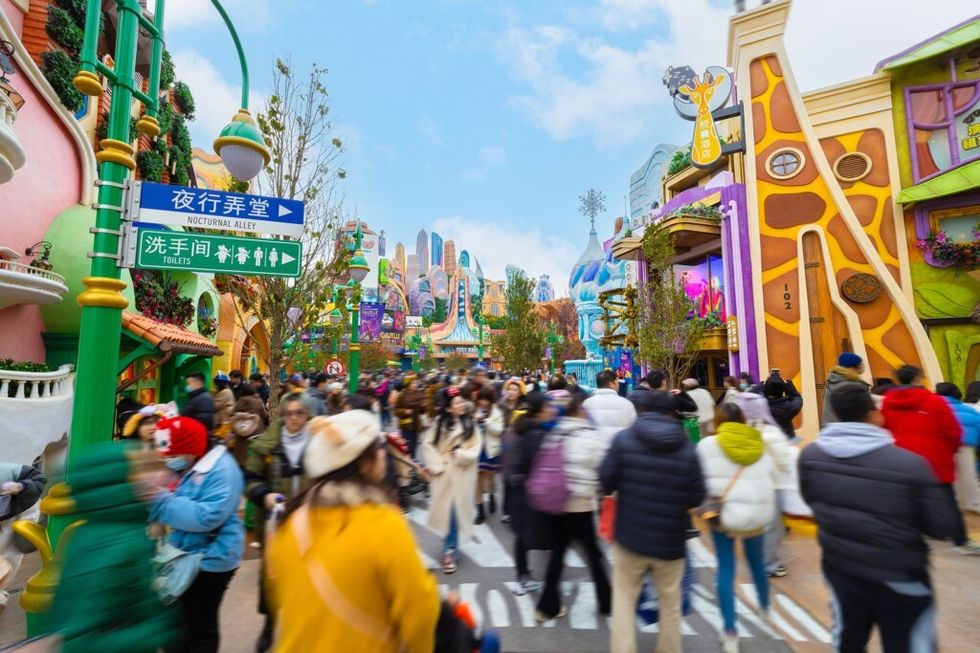 Zootopia, Shanghai Disneyland
The result of these investments has been record revenues and profits despite challenging economic times.
In Korea, theme parks are opportunities for self-expression and having fun. The parks have a big business in renting well-known high school uniforms to theme park attendees to dress up, take photos and enjoy the park together.
The OCT Happy Valley theme park in Shenzhen is featuring NPC (non-player character) influencers to attract younger female visitors. The NPC characters are actors and actresses who adopt personas and costumes from famous and popular online games.
The outlook for this women with friends segment is very strong, with demographic and lifestyle trends providing strong tailwinds. As the number of families declines, attractions need to adjust their offerings to reach a wider audience.
Appealing to this women-led social audience, alongside families, makes sense for most attractions in Asia.