Rebecca Hardy has over 10 years' experience in the culture and heritage sector. She studied Fine Art at university and has written for a broad range of creative organisations including artists, galleries, and retailers. When she's not writing, she spends her time getting lost in the woods and making mud pies with her young son.
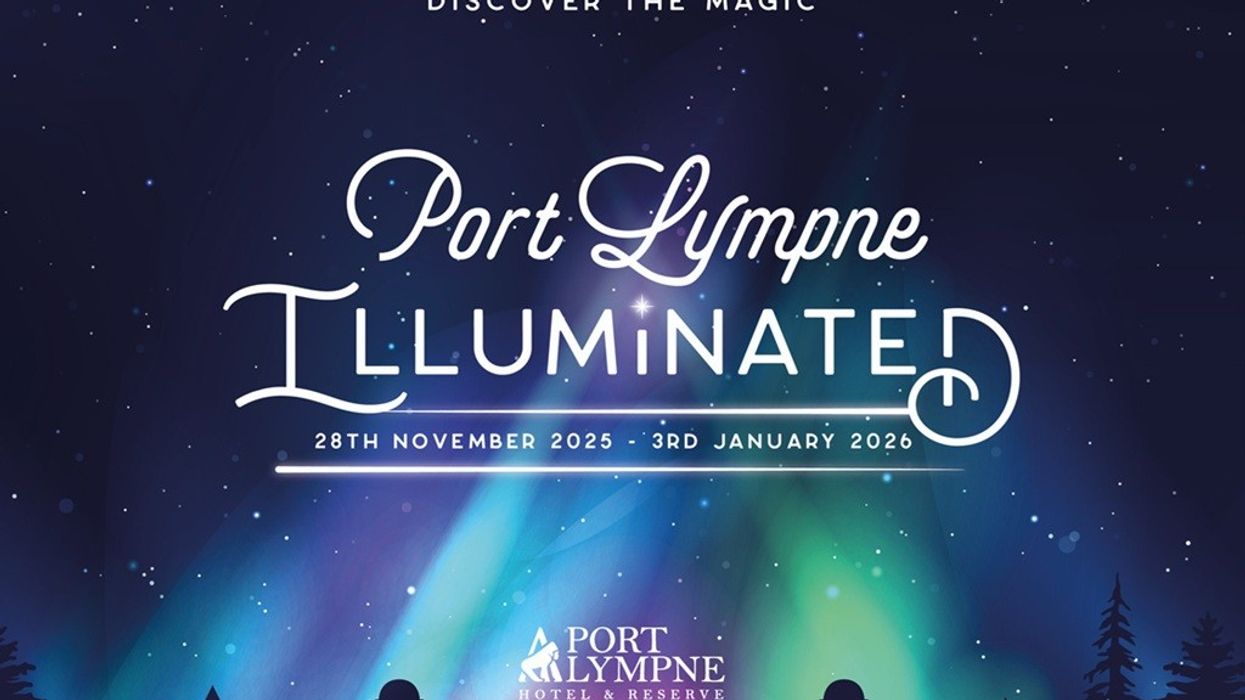
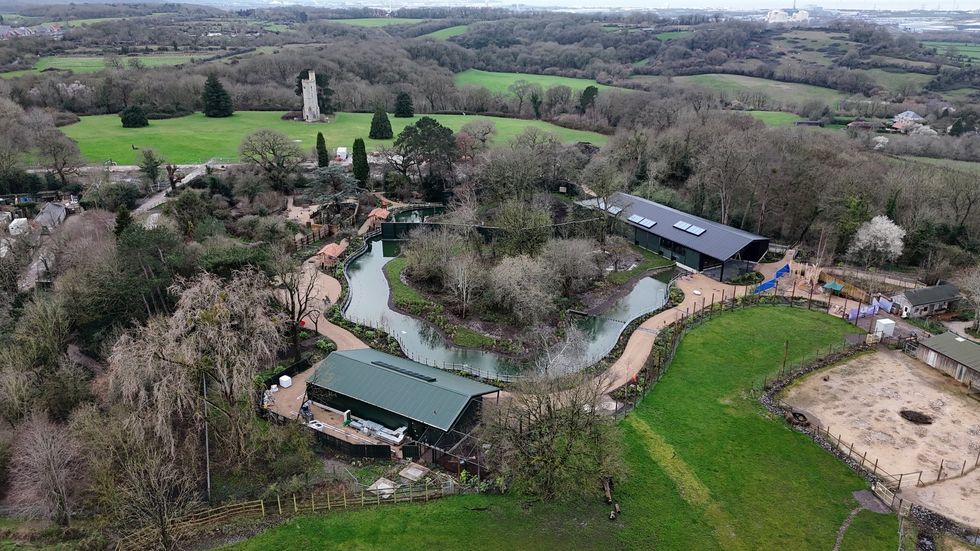
Opening in November, the inaugural light trail at the 600-acre park will feature unique characters and storylines, spectacular light and water shows, interactive elements and holograms.
Tony Kelly, managing director at Port Lympne, says: "We are delighted to announce our first-ever light trail, bringing a unique and innovative nighttime experience at the park.
"We are excited to give the people of Kent and our guests something totally unique and different to experience during the winter months, as we merge cutting-edge storytelling with our core conservation mission.
"This brand-new experience has been designed for everyone to enjoy, creating a magical adventure that also directly supports the animals in our care. LCI’s expertise makes them the perfect partner for this project, ensuring a visually stunning yet environmentally sensitive design."
Wild winter adventure
The light trail has been thoughtfully developed to ensure that the wildlife is not disturbed while enhancing the natural environment, supporting Port Lympne’s conservation goals. As experienced light trail designers, LCI Productions will deliver an experience that respects and enhances the natural landscapes while honouring the park’s beloved residents through impressive light sculptures.
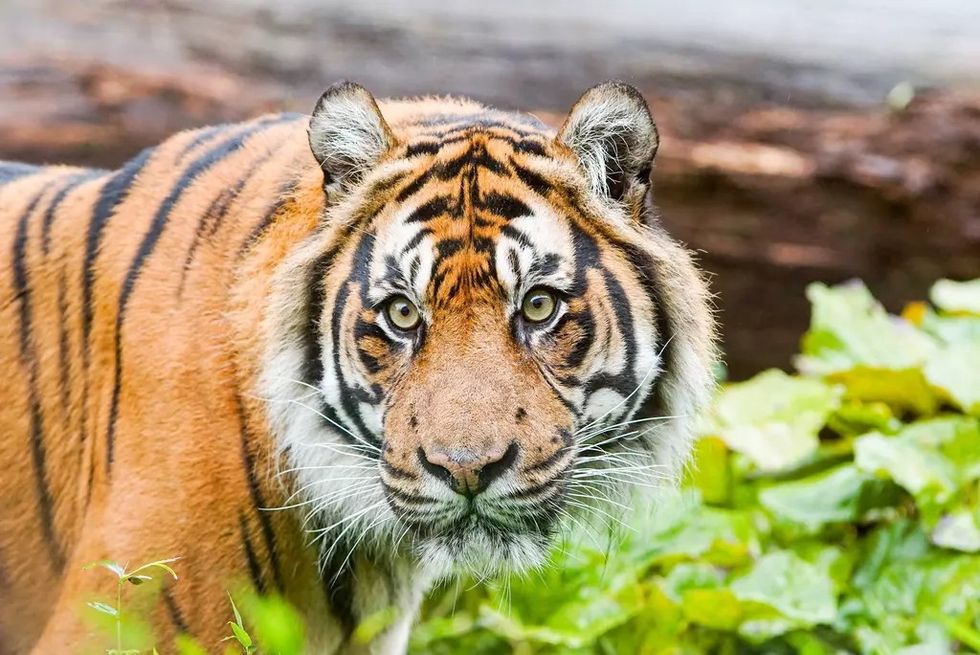
As guests enter through illuminated portals, they will be guided into the experience by holofan fairies and 3D projections on the tree canopy. Among the installations are immersive snow scenes, a disco in the Orangery with synchronised light and sound, and hyper-realistic holographic tigers.
In addition, the experience will include integrated F&B offerings, a fairground, light tunnels, and themed signage to create a memorable wild winter adventure. Guests can also extend their visit with an overnight stay at the park.
Rob Paul, design director at LCI Productions, says: "Port Lympne’s rugged landscapes and breathtaking coastline offer an incredible canvas for a light trail.
"Our team has meticulously designed each zone to balance innovation with the park’s natural beauty, creating a one-of-a-kind journey through light, sound and storytelling. We can’t wait to bring this extraordinary experience to life."
Registration is now open for early access tickets, which will be available from 11 June. Tickets will be on general release from 25 June.
Last year, LCI Productions, together with IMG Events, produced an innovative, enchanted seasonal experience in the grounds of Windsor Great Park, UK. The project marked the third time that the two companies had collaborated on a seasonal spectacular for the historical attraction.
Rebecca Hardy has over 10 years' experience in the culture and heritage sector. She studied Fine Art at university and has written for a broad range of creative organisations including artists, galleries, and retailers. When she's not writing, she spends her time getting lost in the woods and making mud pies with her young son.
Chester Zoo is leading a UK-wide call for changes to weather apps, which could be costing venues up to £137,000 in a single day.
The zoo said it is calling on the Met Office to change how weather forecasts are displayed on apps, as "misleading" rain icons can lead to attendance drops of up to 30 percent for visitor attractions.
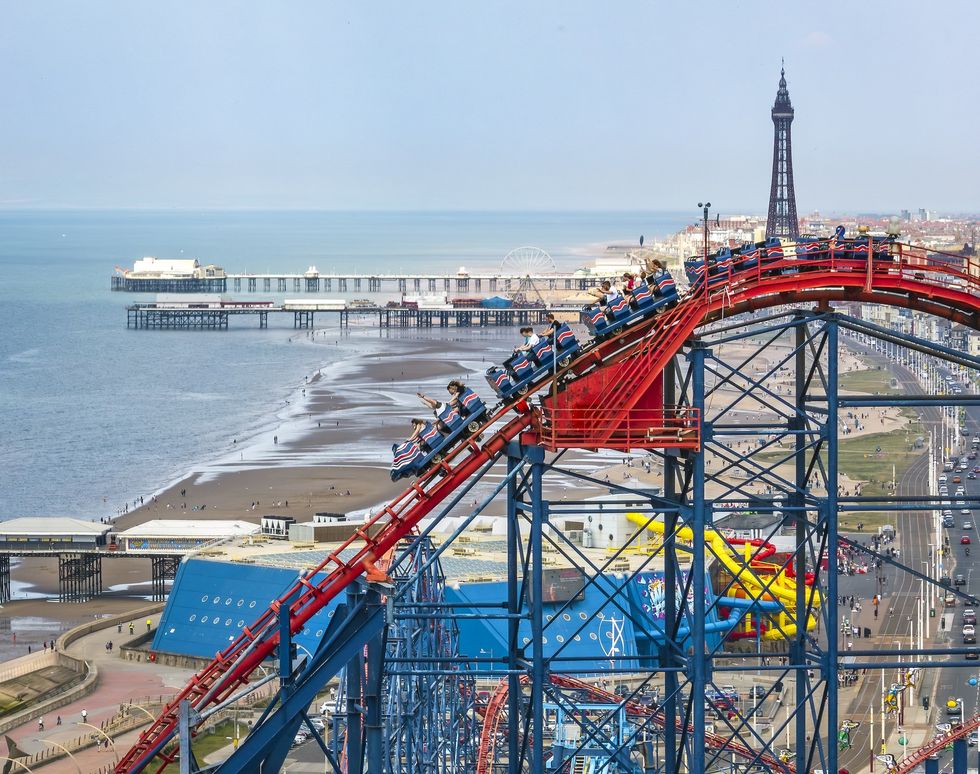
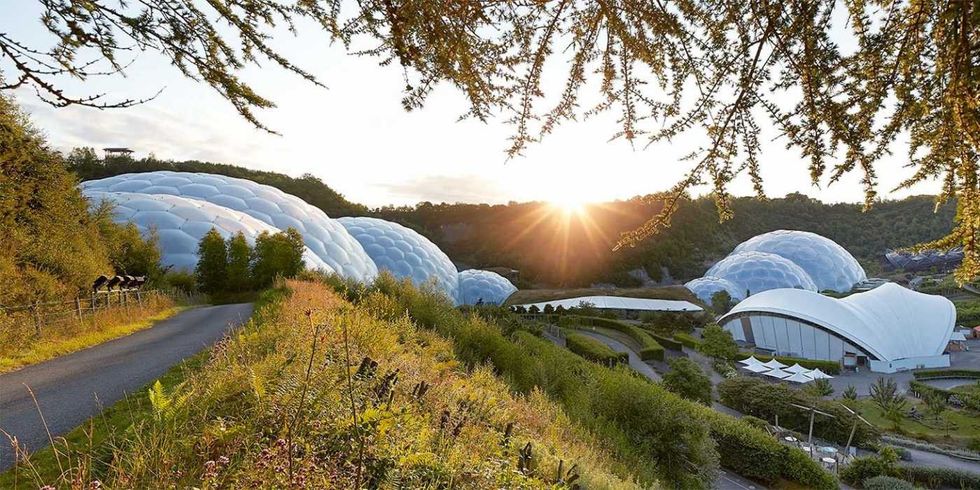
Chester Zoo is leading the campaign on behalf of more than 80 outdoor attractions, including the Eden Project, RHS Gardens, Blackpool's Pleasure Beach, and Blenheim Palace.
It argued that a single raincloud icon summarising a 24-hour period can create the impression of a full day of rain, prompting families to cancel their plans.
Some visitor attractions report attendance declining by up to 30 percent after an unfavourable forecast.
"When families see a raincloud icon, many simply stay home. The reality might be a brief shower at 6am – but the symbol suggests a washout," said Dom Strange, chief operating officer of Chester Zoo.
As one of the UK's leading attractions, Chester Zoo is "speaking up for the wider visitor economy – from heritage sites to theme parks – and the thousands of jobs that depend on spontaneous visits," Strange said.
Chester Zoo has requested a roundtable with the Met Office, government and major weather app developers to explore practical improvements.
These include separate daytime and overnight weather icons, clearer written summaries, and indicators showing the amount of expected dry hours.
"With today’s data and technology, there’s an opportunity to present forecasts in a way that better reflects how the day will actually feel on the ground," Strange added.
In the current economic climate, families "are cautiously waiting for all deciding factors to align to ensure their investment guarantees the best possible day out", said James Cox, director of marketing, sales and PR at Pleasure Beach Resort.
"A significant amount of our bookings come within 24 hours before any given day, because people rely on that weather icon," he added.
“Accurate reports with imagery that better reflects overall conditions are vital."
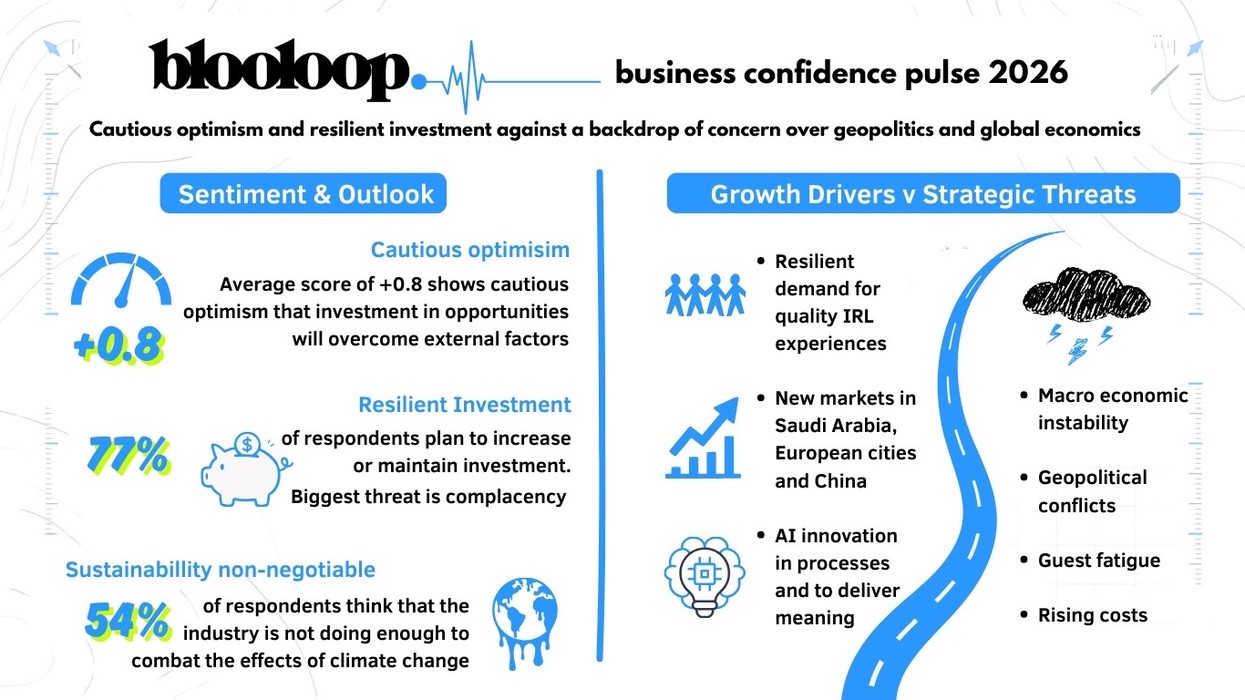
The results of blooloop’s first business confidence pulse survey are in, revealing fascinating insights into the minds of leaders in the attractions industry.
The respondents are executive leadership, directors, or owners with responsibility for investment in their organisations across all sectors, including theme parks, zoos, museums, and immersive experiences worldwide.
The survey took place between December 2025 and the end of January 2026. [Clearly, recent events in the Middle East may significantly impact action, but we hope the results are still useful as an indication of how our industry leaders think about strategy in a turbulent world.]
Key takeaways
The overall message is one of cautious optimism, set against a backdrop of concern over geopolitics and global economics.
However, business leaders are signalling that they intend to invest, believing that the biggest risk in this uncertain and rapidly changing environment is complacency and failure to evolve.
Amid the noise of macro-instability, opportunities exist to deliver meaningful experiences to a public that remains willing to pay for high-quality, transformational entertainment.
Key takeaways include:
Cautious optimism despite global economic and political uncertainty
Investment paradox - overwhelming majority of leaders are looking to increase or maintain investment - the biggest risk is complacency in a rapidly changing world
Confidence that consumers will continue to value innovative, meaningful, high-quality experiences
Opportunities to utilise AI to create transformational experiences and streamline operations
Over half of leaders believe our industry is not doing enough to address the risk of climate change
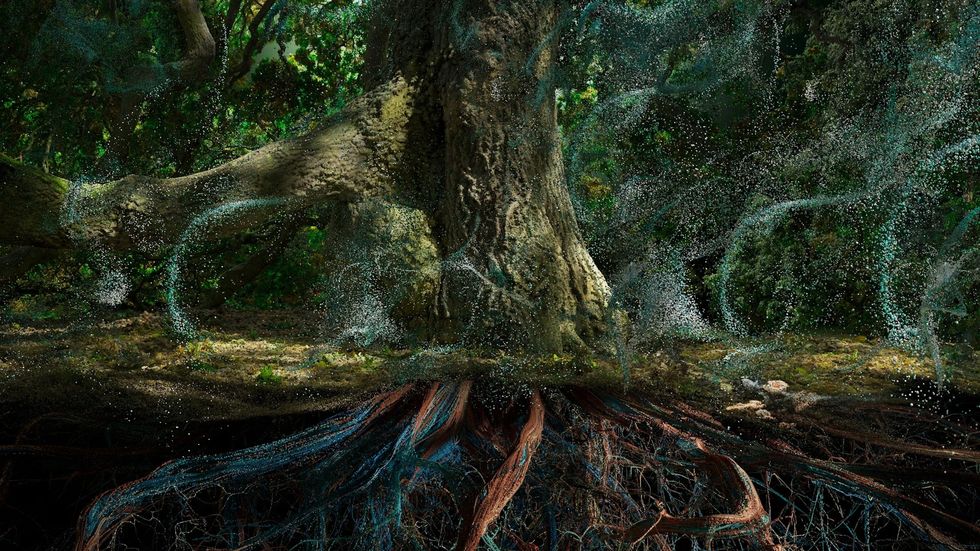
Of the Oak Image credit Royal Botanic Gardens, Kew & Marshmallow Laser Feast
Cautious optimism
We asked respondents for an overall confidence rating (+5 being most optimistic and -5 being least) for 2026 - a “gut feeling”.
Overall, this averaged out to a cautiously optimistic +0.8. However, whilst most respondents fell somewhere in the middle, there were some polarised views, ranging from -4 to +5.
In particular, respondents based in the US were overall more pessimistic than average, and, perhaps unsurprisingly, showed the biggest polarisation.
Risk factors
External factors were the biggest drag on confidence. Almost every negative or neutral sentiment cited "macro-economic conditions" or the "geo-political situation".
Specific concerns included:
The US Administration and economy: multiple respondents cited uncertainty regarding the US economy, foreign policy, and tariffs as top concerns.
Cost of doing business: inflation and "higher costs" are squeezing the bottom line, leaving customers with "less spendable income".
Guest fatigue: one respondent warned of "guest fatigue" and a "rush to the lowest common denominator” with copy-cat experiences.
Investment paradox
Despite worry over economic and political instability, our business leaders remained more positive about opportunities and their own organisation’s potential to thrive. 77% of leaders are increasing (50%) or maintaining investment (27%).
Of the remainder, only 4% said they plan to actively reduce investment.
As one respondent noted, the biggest threat is "complacency," and the solution is "redefining connection". Another executive warned that believing "what worked before will continue to work now" is dangerous.
Opportunities
Opportunities noted included new markets, high-quality, meaningful experiences, and new ways of operating with AI.
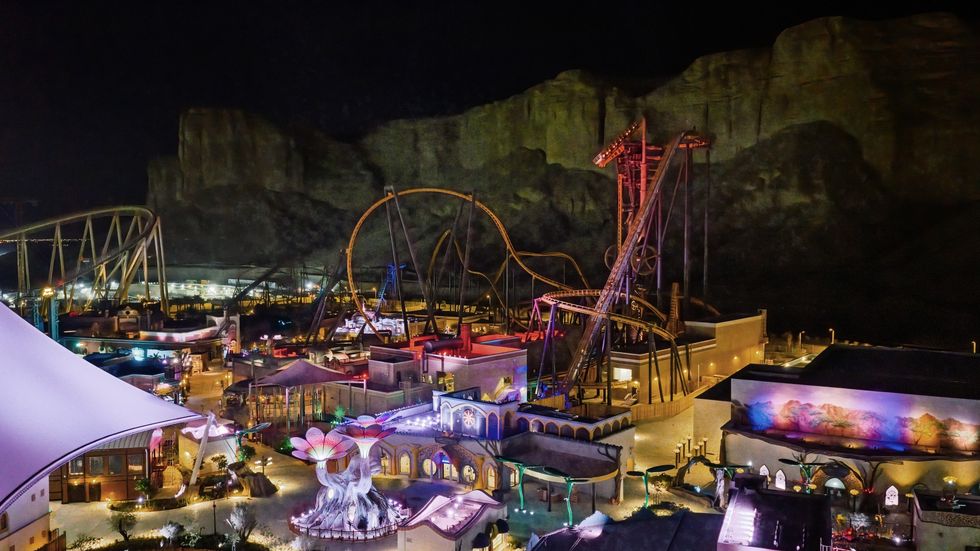
Despite geopolitical fears, many organisations are looking to grow their physical footprint or enter entirely new regions. Specific regions noted were Saudi Arabia, Europe, and China. There is a move toward creating "destination 'Mecca' experiences" - global flagships that justify a dedicated trip.
Six Flags Qiddiya City
In addition, European cities were seen as sites for steady growth.
Quality came through as a key differentiating factor. Creating transformative “money can’t buy experiences”, as well as "cultivating meaningful cultural experiences” and "redefining connection" were highlighted as ways to cut through with consumers when disposable income is tight.
People still want IRL experiences, but the offer needs to be something more transformative rather than transactional.
AI was seen as an opportunity to innovate, both to streamline operations and to amplify meaning for guests.
Climate risk
54% of respondents thought the industry should be doing more to combat the impacts of climate change. However, 31% said they didn’t know whether the industry was doing enough, suggesting a knowledge gap among many executives.
The growing impact of extreme and unpredictable weather was noted as an increasing vulnerability for outdoor operations, one that is already being experienced.
There is also a growing awareness that sustainability is no longer a "nice to have" but a critical operational imperative and something that guests increasingly expect.
One respondent argued that if attractions do not redefine their value around conservation and community, they risk losing "public trust and generational engagement”.
In conclusion
As at the start of this year, leaders were optimistic that the public’s desire for high-quality experiences and opportunities in new markets would justify increased investment, despite a backdrop of economic and political uncertainty.
Whilst leaders are clear that turbulence seems the new normal, the best way to combat risk is to evolve.
Thank you to all our respondents who participated. We truly value your input. The blooloop business confidence pulse will return in 2027.
The Zoological Society of London (ZSL) has announced the appointment of Kathryn England as its new CEO, making her the first woman to hold the role in the organisation's 200-year history.
With a background spanning veterinary care, wildlife health and senior operational leadership, England has been part of ZSL for more than 10 years, most recently serving as interim CEO.
Before joining ZSL, England worked as nursing manager at the RSPCA's Harmsworth Hospital and head nurse at the Royal Veterinary College, before moving into the animal health pharmaceutical industry.
"It is an honour to be appointed to lead an organisation I care about deeply," England said.
"ZSL's people, its science, and its mission are genuinely world-class, and I am determined that we use this milestone year as a springboard to grow the impact we have in our conservation work, for the communities we engage, and for the wildlife we work to protect and restore."
As above, 2026 is the Zoological Society of London's 200th anniversary, and England has already contributed to this year's bicentenary celebrations in her role as interim CEO.
ZSL's 200th anniversary
Projects to mark the 200th anniversary include a commemorative Royal Mint coin, a new Transport for London poster, and a new podcast series.
"In Kathryn, ZSL has a chief executive who knows this organisation profoundly, who has already earned the trust of colleagues, partners and supporters, and who has the technical background and strategic vision to lead it into the next exciting and important chapter," said Jim Smith, ZSL's chair of trustees.
Bristol Zoo Project has set an opening date for its new 'African Forest' gorilla habitat, home to some of the world’s most threatened species.
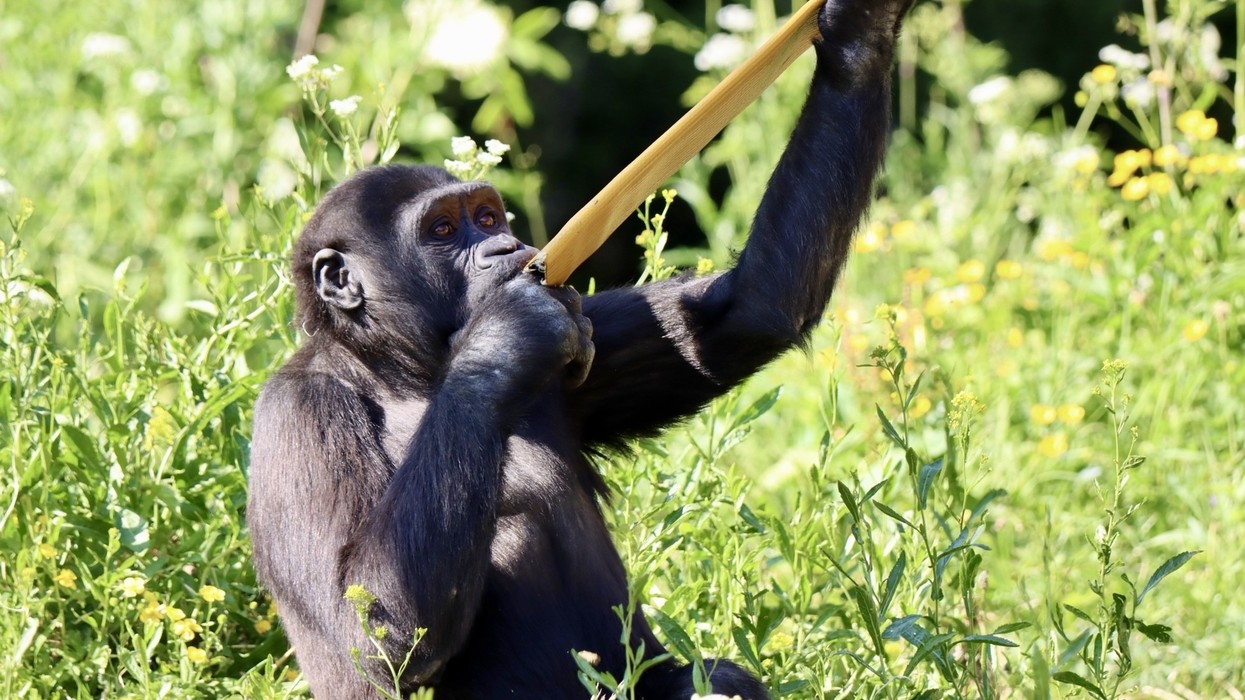
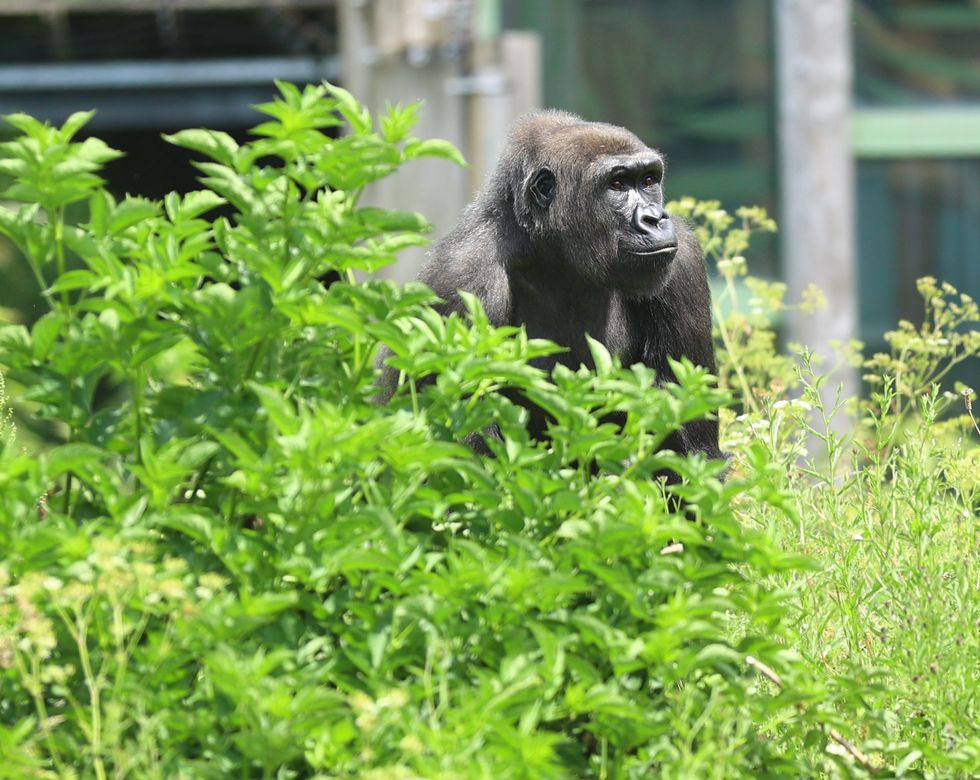
Launching on 1 April, the new habitat houses the zoo's troop of critically endangered western lowland gorillas, as well as a new group of endangered cherry-crowned mangabeys.
Joining the gorillas and mangabeys in the habitat are critically endangered slender-snouted crocodiles, and endangered African grey parrots.
Also, guests will get to see several extremely threatened species of West African freshwater fish in a special underwater viewing area.
Justin Morris, chief executive at Bristol Zoo Project, said: "Bristol Zoo Project is not a typical zoo. It is a conservation project with a powerful mission to protect threatened species and habitats.
"Today, 85 percent of the animals in our care are both threatened in the wild and part of targeted conservation programmes. Every visit supports vital work in the UK and overseas – helping to safeguard species for future generations."
Verity McGuire
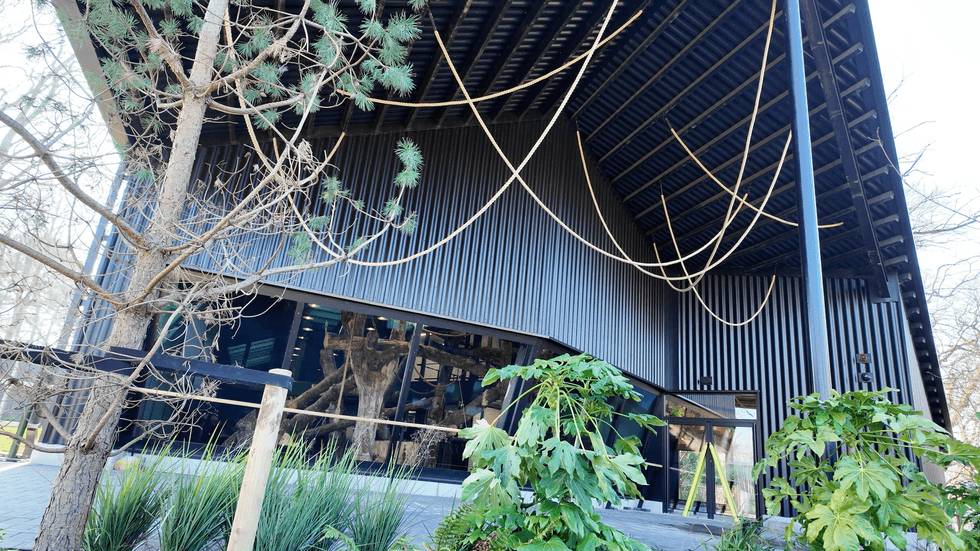
Set within a local British woodland, African Forest is four and a half times the size of the gorilla troop’s previous home at the former Bristol Zoo Gardens site.
"By creating larger, more natural habitats that prioritise animal welfare at Bristol Zoo Project, we hope to connect people with wildlife in meaningful ways and inspire the next generation of conservationists," Morris said.
"One of the most exciting features of African Forest is the opportunity to witness the unique interactions between species that share the same habitats in the wild. It’s their world on your doorstep."
John Penny
As part of the habitat's opening, a special tribute will be paid to the gorilla troop's silverback Jock, who recently passed away.
Like the zoo's Bear Wood environment, the new habitat includes a learning space integrated into the gorilla house.
SSA Group has been working on a transformative approach to operations. By weaving its signature 452 Hospitality ethos, rooted in a legacy of welcome and human connection, into Scout, a new AI-driven operating system, the company demonstrates how AI can enhance rather than replace the human side of hospitality.
For nearly 60 years, SSA Group has been a staple in the cultural attractions sector, collaborating with zoos, aquariums, and museums to provide comprehensive guest services. As a family-owned business, the company has continually adapted, but its core mission remains centred on a simple, powerful concept: hospitality.
We speak with CEO Sean McNicholas and vice president of people and culture, Jason Stover, to unpack Scout's mission and learn how it can open the door to both greater efficiency and more memorable moments.
SSA reimagines the industry
Starting by looking at the bigger picture, McNicholas says: “What I love about SSA and our family business is our curiosity for continuing to reimagine the industry.
"Those are pillars of our plan. We approach 60 years as a family business in 2030, and what’s exciting to us is continuing to innovate, not just our business, but the guest experience for our clients and partners.”
Sean McNicholas and Jason Stover
This culture of curiosity is what prompted McNicholas and Stover to investigate the potential of artificial intelligence long before it became the industry buzzword it is today.
"Five or six years ago, Jason came to me as one of the early adopters of AI. We started talking about it, and the more we looked at tools like AI, we asked a very simple question: what one, two, or three areas could AI positively impact our business?"
For SSA, the goal was not to replace staff or remove the human element from the museum or zoo experience through automation. Instead, the emphasis was on liberation.
"The thing that became clear was how tools like AI could help us become more efficient with data, back-end systems, and administrative work," adds McNicholas.
"If we can be more efficient there, we can spend more time meeting guests where they need us, which is on the front line.”
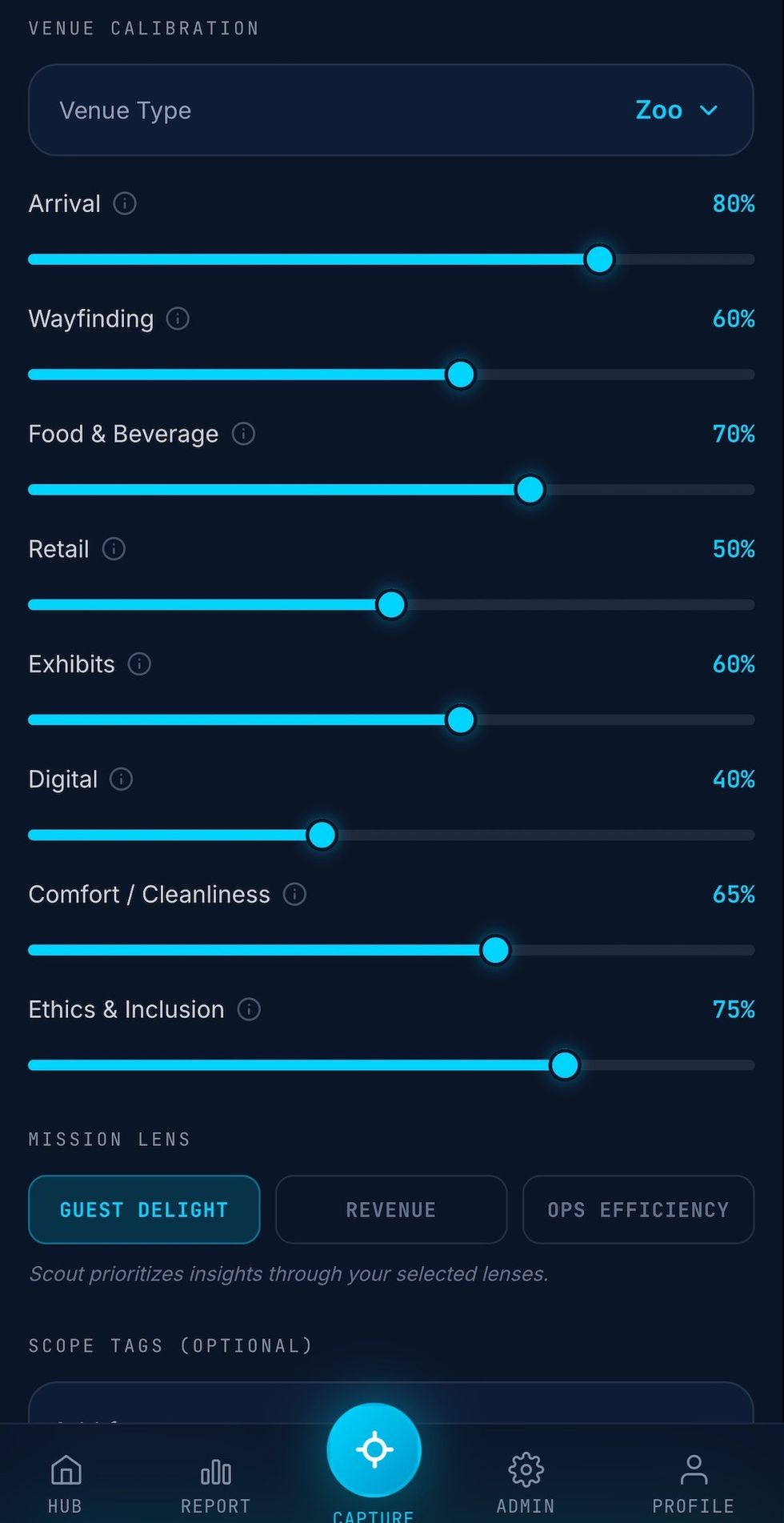
The outcome of this exploration is Scout, an AI-assisted tool and ‘unified intelligence layer’ designed specifically for cultural attractions.
Scout is positioned not as a replacement for human workers, but as a co-pilot. It is an operating system that gathers data from across the industry to provide real-time insights. Unlike general-purpose AI tools, Scout has been built for the sector's operational realities.
"AI is trending now, but it’s not new," says Stover.
"I’ve been with SSA for almost 30 years, and my journey with AI in this company has existed since day one. When I first became a manager, we were already experimenting with predictive analytics, trying to forecast attendance and staffing.
"That was AI at the time."
However, the leap to generative AI offered a new opportunity to support SSA's secret sauce: its people.
Stover employs a cinematic analogy to describe Scout’s role within the workforce:
"I compare it to Tony Stark," he says. "He’s brilliant, but he doesn’t become Iron Man until he has Jarvis. That’s what Scout is. It’s a co-pilot that takes away routine, monotonous work so our people can focus on what matters."
Real-time, useful insights
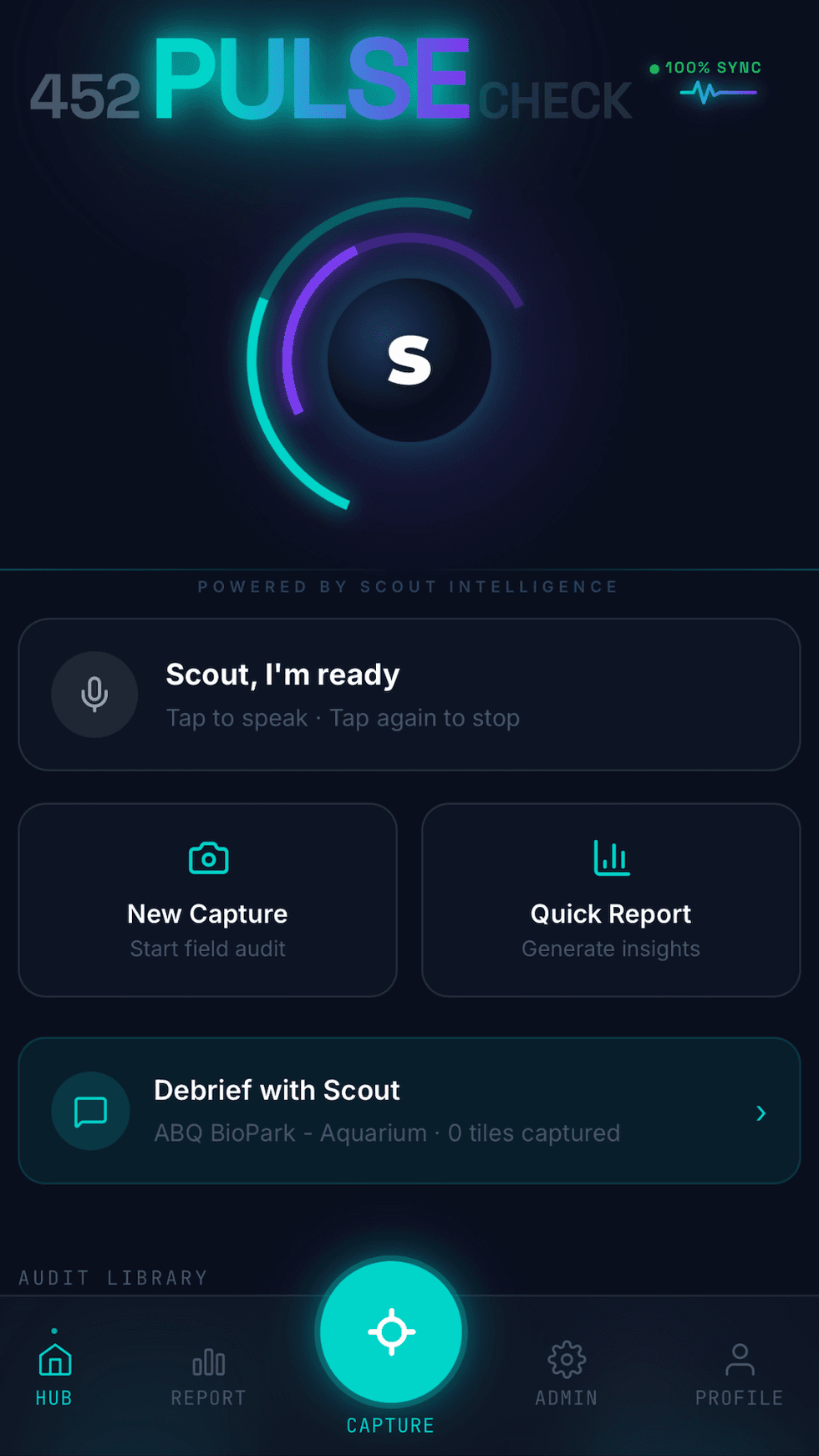
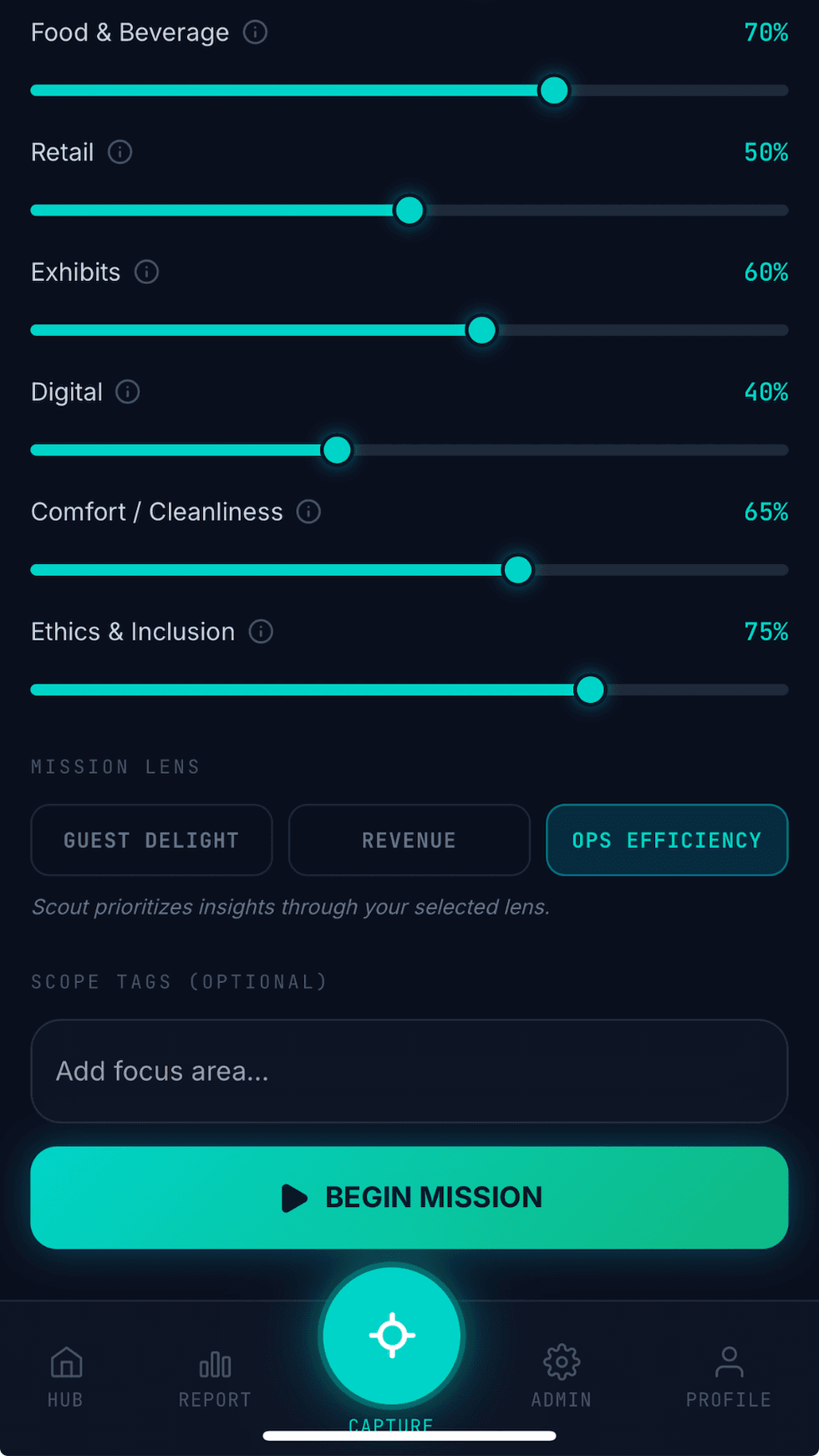
Designed to support guest-journey walkthroughs, the platform collects real-time observations and converts them into actionable insights tailored to each attraction.
The tool was created in accordance with SSA’s core belief that technology should never replace connection; it should enhance it. The idea is that data and design can collaborate to create memorable guest experiences.
This supports SSA’s wider focus on innovation, which aims to turn curiosity into meaningful change that advances partners' missions. By automating data analysis, Scout helps operators make more informed decisions about designs, platforms, and revenue strategies.
"Guest expectations are evolving faster than ever," says Stover. "Scout was built to meet this moment as a tech-forward AI tool that allows us to keep experiences deeply personal.”
The heart of the system: 452 Hospitality
Although the technology is impressive, the engine driving Scout remains entirely human. At the centre of Scout’s design is 452 Hospitality, the cultural ethos that defines SSA Group’s purpose and character.
Named after 452 Leyden Street, the Denver home where SSA’s founders first lived and practised hospitality, 452 has since become both a numeric and philosophical code for what the company stands for: a spirit of welcome, belonging, and genuine human connection.
At 452 Leyden Street, anyone could come in for a meal, a chat, or a place to rest. And that sense of genuine warmth now lives on in every SSA service encounter.
Today, 452 Hospitality reflects SSA’s ongoing dedication to creating authentic, memorable moments that uplift guests, partners, and colleagues alike.
That same spirit guides Scout’s purpose: rather than replacing people, the AI system aims to enable staff to embody 452 Hospitality more fully, freeing them from administrative burdens so they can provide the personal engagement that makes guests feel welcome and valued.
In practice, this involves a particular method for engaging with guests and monitoring operations. Scout develops a digital framework for this using the SOQ model: Observation, Opinion, and Question.
"Scout is being trained by the entire zoo, aquarium, and cultural attraction industry," Stover says. "Every conversation, every audit, every partner insight gets ingested and shapes how Scout operates.”
Within the Scout ecosystem, there are various ‘agents’ dedicated to different tasks, such as labour optimisation and inventory management. However, the ‘452 agent’ is unique.
"It has vision and voice capabilities. As you walk through operations, it analyses images and observations in real time and evaluates them against our hospitality standards. It acts as a co-pilot for auditors and operators, making observations, offering insights, and matching them with best practices and solutions.
“You might miss something as a human, but Scout won’t.”
Scout in action
The deployment of Scout is already producing tangible outcomes, progressing from theoretical ideas to solving complex on-site issues. This highlights SSA’s focus on turning insights into action by combining data, technology, and human connection.
McNicholas emphasises that the team is "continually evolving Scout by testing it across multiple attractions," noting that "every new site adds more data and sharper insights.”
Stover offers an example of Scout’s operational intelligence in action from a working session with the Detroit Zoo. The team was exploring a complex “what-if” scenario: opening a new entrance near a new exhibit while navigating compliance considerations, budget constraints, and a nearby rail track.
“Using Scout as a sandbox alongside their team, we pressure-tested the constraints, surfaced relevant regulatory considerations, explored alternative approaches like repurposed shipping containers, and generated rough-order cost ranges. It was less about committing to a final plan and more about accelerating discovery.”
“What’s exciting is that every audit surfaces a new real-world question, and we ask: Should this become a new sub-agent? That’s how Scout keeps evolving.”
Another success story comes from the Dallas Zoo, where Scout was instrumental in helping the zoo team explore their own AI journey while SSA conducted an inter-department relationship audit.
Scout is tailored to each user’s psychology
What makes Scout different from typical business AI tools is its incorporation of behavioural psychology. Acknowledging that strong operations don't happen by accident, SSA has combined leadership development with its technological roadmap.
Stover, whose background is in people and culture, insisted that if they were to create co-pilots, they had to understand the humans who would use them. So, instead of providing generic recommendations, Scout adapts its guidance to each leader's thinking and communication style.
"One of the first things we decided was that if we were going to build AI co-pilots, they needed to integrate Behavioural Essentials," Stover says. "We already use behavioural assessments that give leaders a 21-point profile, with strengths, tendencies, and blind spots. We’ve now incorporated that into Scout.”
This means that when a manager logs into Scout, the system is tailored to their specific personality profile.
"It understands how I communicate, where I might need softer language, or where I might need more structure," Stover says.
He adds that McNicholas served as the ‘guinea pig’ for this feature:
"We merged his traits and blind spots into Scout as he was working through our future roadmap. Scout isn’t just an AI tool; it understands your psychological makeup and helps cover your blind spots as you operate in your role.”
The future of the workforce
A common concern about AI is the risk of job displacement. However, SSA’s leadership firmly states that their investment in technology aims to safeguard, not eliminate, their workforce.
"As CEO, culture is my responsibility, and culture starts with values," McNicholas says. "Hospitality, human-to-human interaction, has always been our foundation. I don’t want a world of all robots and automation. I love people too much.
“That’s why Scout exists. It helps us live what we love to do: creating special moments for people.”
Stover shares this view, considering AI as a safeguard against the decline of interpersonal skills observed in other industries:
"We have to be proactive in shaping the future. Many companies will use AI purely to impact the bottom line. That’s their choice. But SSA has always been people-focused. We’re adopting AI safely and intentionally to better our people. As interpersonal skills decline elsewhere, we’re protecting them by freeing people up to reconnect.”
The efficiency gains are clear. Stover notes that tasks like scheduling, which previously took hours to analyse against weather and sales history, now happen in seconds. "That frees managers up to spend time with their team. That’s the point.
“We’re hospitality people. We want to be in front of guests, not behind a screen.”
A vision for 2030
Looking ahead, SSA has set bold goals for the next five years. As the company approaches its 60th anniversary in 2030, the vision is for a fully enabled workforce where each employee has a digital partner.
"By 2030, every person in our company will have a co-pilot that helps them be more efficient," predicts McNicholas. "We’ll also bring a unified revenue strategy to attractions, something the industry lacks.”
He also believes the metrics of success are shifting. It is no longer enough to simply count heads at the gate:
"The future metrics won’t just be attendance. They’ll be revenue, guest experience, and fulfilment," he says.
"There’s more competition than ever, and we have to be the place where guests leave thinking, 'That felt right.' To do that, our people need tools like Scout so they can spend more time creating those moments.
“That’s how we reimagine the industry.”
The future of hospitality
Summing up the benefits, COO Travis Kight says:
"AI is the future of hospitality, but not in the way most imagine. We see AI as a co-pilot, not a replacement, designed to protect the human connection that defines our industry.
“Tools like Scout allow us to turn data into real-time insights, freeing our teams from repetitive tasks so they can focus on creating unforgettable guest experiences.
"As Sean mentioned, by 2030, our vision is for every team member to have a digital partner that amplifies their strengths, covers blind spots, and helps us deliver hospitality at a level the industry has never seen.
“AI isn’t about automation. It’s about empowerment.”
As SSA Group looks towards the attractions of tomorrow, its message is clear: the path to the future is built on data, but the goal remains human connection.
By anchoring Scout in 452 Hospitality's philosophy of creating meaningful, human-centred moments, SSA isn’t just adopting AI for efficiency. It’s enhancing its ability to deliver heartfelt experiences that define its brand and shape the future of the guest experience.
"That’s the foundation of Scout," Stover says. "If a tool doesn’t protect hospitality or make us better people-facing operators, it doesn’t get built.”


 Of the Oak Image credit Royal Botanic Gardens, Kew & Marshmallow Laser Feast
  Six Flags Qiddiya City
 Verity McGuire
 John Penny