
Situation, a leading global agency specialising in delivering impactful full-service marketing and advertising for experience-based brands, has gathered insights from some of the UK’s leading live experience marketers on what they’re thinking about heading into the new year.
As we move into 2026, marketers across theatre, location-based entertainment, and live experiences aren’t asking what platform comes next, but rather how discovery really works now, how confidence gets built before a ticket is ever searched for, and how scale can coexist with trust.
From Broadway to the West End to immersive IP-driven worlds, four ideas keep surfacing.
1. Familiarity remains a powerful force
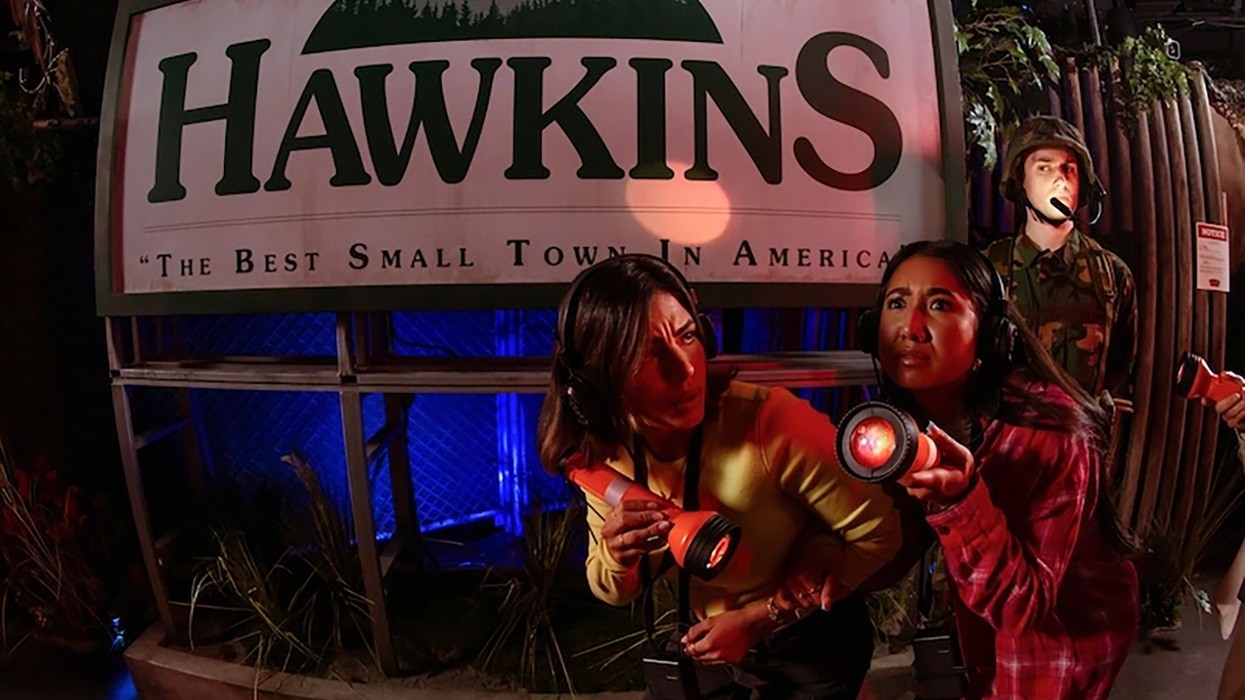
In location-based entertainment, familiarity remains a powerful accelerant.
“Nostalgia and familiarity have always been a cornerstone to developing audiences,” says David Hutchinson, CEO of The Path Entertainment Group, pointing to multi-generational brands like Monopoly and Paddington.
“That really helps when it comes to driving audiences for a new location-based experience.”
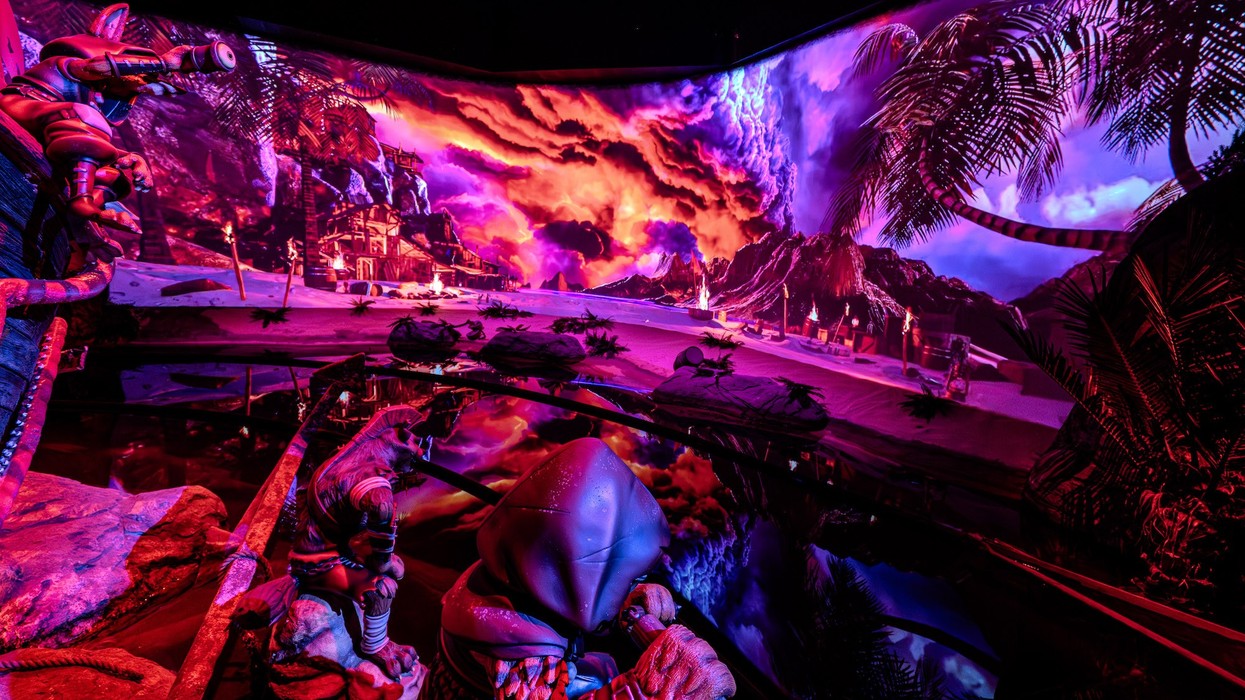
But this isn’t a story about creative exhaustion. “We are just starting our journey on how IP can be used in location-based entertainment,” Hutchinson says. As technology deepens immersion and audience agency, the ambition is growing, not shrinking.
“The more we can get audiences closer to their favourite characters and stories,” he adds, “the further we can go.”
At the same time, Hutchinson sees space opening for something new. “As the location-based work becomes more established, naturally, audiences will start taking more risks with their choices.”
His long-term hope flips the traditional pipeline entirely: “I would really like to see a live experience launching a new brand—with vertical integration into film, TV, and other media—rather than it being the other way around.”
2. Personalisation has power, but it comes with trade-offs
AI is reshaping live entertainment, but not in the way headlines often suggest.
“I believe AI can help catapult creative businesses and automate administratively,” Hutchinson says, “so more of our energies can be spent where the real value is—in creative and production execution.”
From a ticketing and data perspective, Richard Howle, founder & director of RH Insights, sees AI’s greatest promise in understanding demand:
“The ability to use machine intelligence to better understand demand is exciting,” he says. “We can go deeper into the numbers than ever before to provide meaningful insights.”
Ticketing, meanwhile, remains highly visible and highly emotional.
“Unfortunately, ticketing will never be invisible,” Howle says.
“When demand outstrips supply, ticketing will always be in danger of hitting the headlines for the wrong reasons. What’s needed is better education and transparency. In that sense, it absolutely needs to become part of the storytelling.”
3. Discovery is accidental, and that’s where the work is
Very few people are setting out to “research” live experiences anymore. Discovery is happening sideways.
“The most interesting shift is how accidental discovery has become,” says Pippa Bexon, executive director of client services at Situation UK. The traditional journey—poster, review, ticket—is gone.
“The shows that win are the ones that create constant, organic moments of relevance across platforms, not just theatre-specific spaces.”
What cuts through in those moments isn’t cleverness for its own sake:
“UK audiences spot over-hype a mile away,” she adds. “Campaigns that say plainly what the experience is, why it’s fun, emotional, clever, or joyful, are outperforming campaigns that try to be clever for clever’s sake.”
And some things still travel universally. “Humour always travels well here,” Bexon says. “Always.”
4. Audiences know more than ever and take longer to decide
Audiences today arrive informed; sometimes too informed.
“Theatre audiences around the world are the most educated they’ve ever been,” says Damien Hewitt, a marketing consultant with over 20 years’ experience, spanning nearly every major global theatre market.
“As we shift into the world of AI, audiences can expect quick answers on value for money, critical acclaim, the origins of the creative team and cast, along with a very basic question: should I go and see this show?”
“It’s not always about price,” Hewitt adds. “It’s about whether it fits in my calendar, and whether I don’t have a call on that night.” The implication for marketers is clear: urgency alone doesn’t convert.
“The audience needs to feel your confidence,” Hewitt says, “and feel the experience way before they have intent for purchase.”
Earlier this year, Situation announced that its flagship Fandom Unpacked podcast series is entering into an official partnership with The International Ticketing Association (INTIX).

Charlotte Coates is blooloop's editor. She is from Brighton, UK and previously worked as a librarian. She has a strong interest in arts, culture and information and graduated from the University of Sussex with a degree in English Literature. Charlotte can usually be found either with her head in a book or planning her next travel adventure.