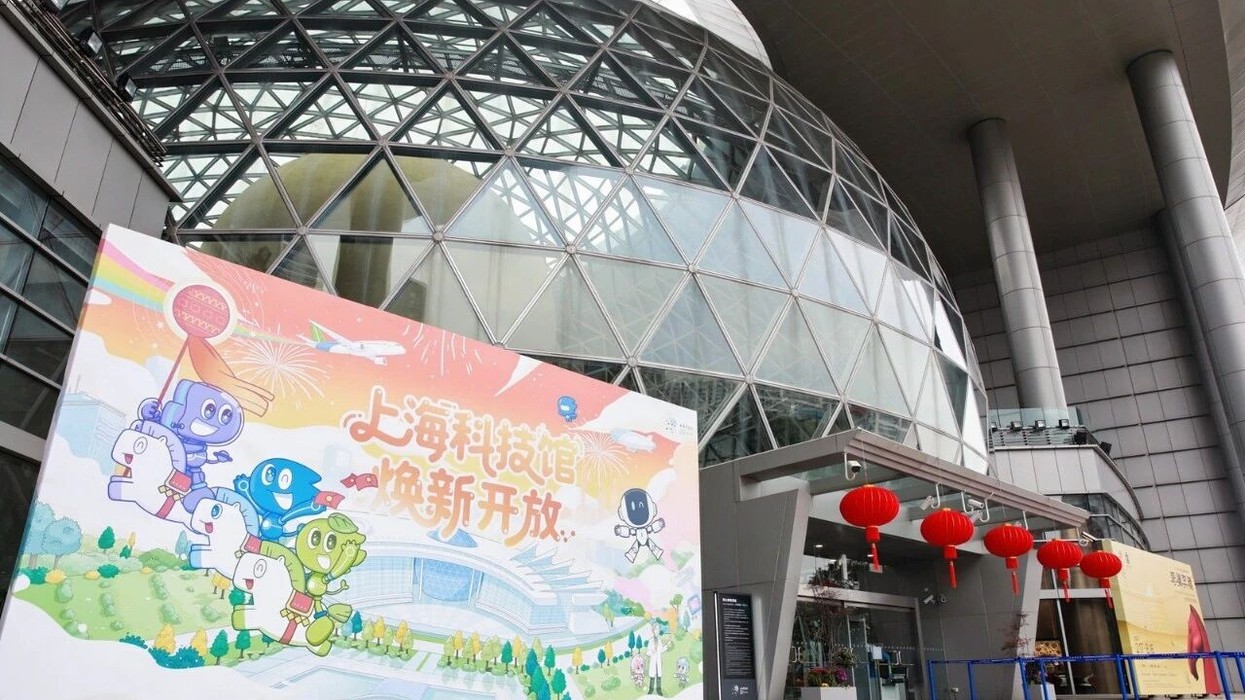

After nearly three years of closure, the Shanghai Science and Technology Museum is preparing to reopen to the public during the Chinese Lunar New Year, marking one of the most ambitious museum renovations undertaken anywhere in the world in recent years.
For Shanghai, the reopening signals not just the return of a familiar cultural landmark, but the emergence of a science museum reimagined for a digital-native generation.
Originally opened in 2001, the museum has been a cornerstone of science education in the city for more than two decades. In 2023, it entered the largest systematic upgrade in its history, with a total investment of around RMB 8.2 billion ($1.2bn).
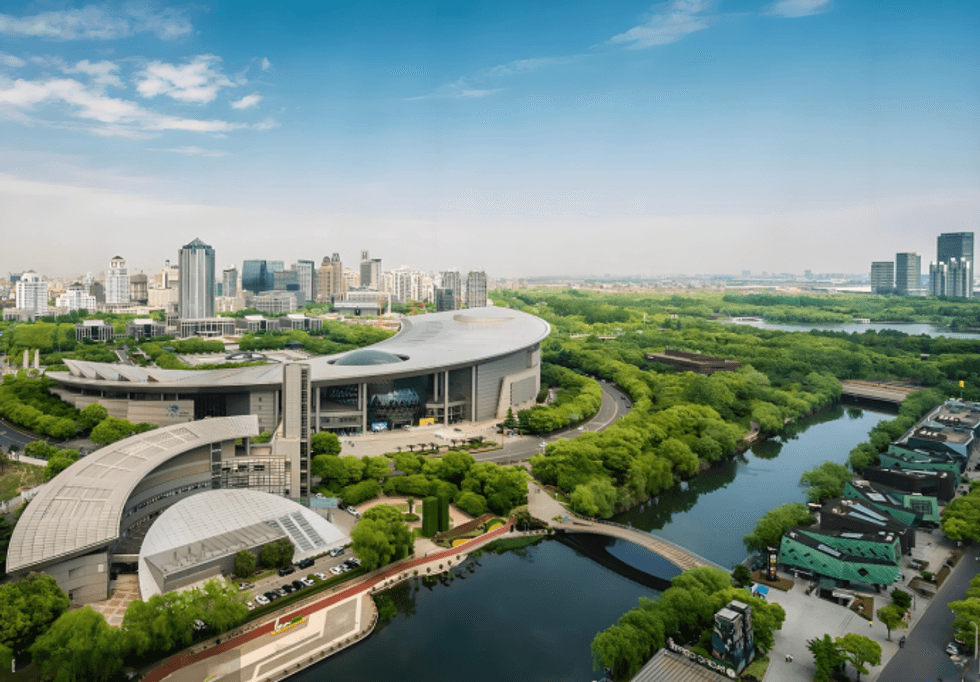
The renovation covered more than 100,000 square metres of building refurbishment, 21,000 square metres of exhibition renewal, and an expansion of science and innovation education spaces. By scale alone, it represents the largest single renovation project ever undertaken by a science museum globally.
The ambition behind the upgrade is equally expansive. “If visitors spent just one minute at each exhibit, it would take more than six hours to see everything,” said museum director Ni Minjing, a remark that captures both the physical scale of the transformation and the density of content now embedded throughout the museum.
From display to experience
Rather than updating individual galleries in isolation, the renovation reflects a fundamental shift in how the museum conceives science communication. 10 permanent exhibition zones now structure the visitor journey, spanning themes such as artificial intelligence (AI), materials science, energy, ecology, aviation, health and the future of human mobility.
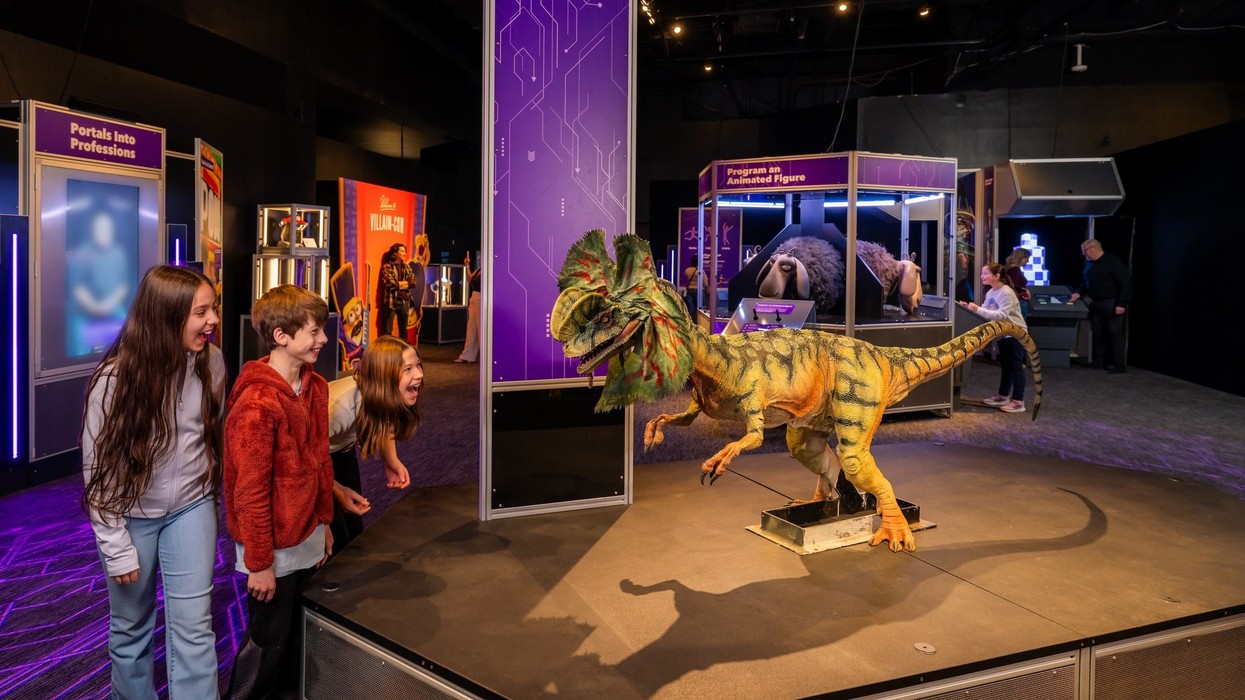
Across these spaces, more than 400 interactive exhibits and over 900 objects combine hands-on experimentation with immersive media and real-time data visualisation.
The design philosophy is deliberately experiential. In the Materials Cube gallery, visitors move through a modular environment made from hundreds of material samples, discovering thermal, tactile and structural properties through direct contact.
Digital infrastructure for a new audience
Nearby, superconducting demonstrations bring abstract physics to life, as levitating race cars glide silently along magnetic tracks cooled with liquid nitrogen.
Immersion reaches a new level in the Flight Exploration zone, where a full-scale reconstruction of a 1930s Ford Trimotor aircraft allows visitors to step inside a meticulously recreated cabin. Equipped with VR headsets, they are transported back to the skies over early 20th-century Shanghai, experiencing the city’s aviation history from a first-person perspective.
Technology is not treated as a spectacle layer but as core infrastructure. Across the museum, digital systems support high levels of interaction – an approach that results in an interaction rate of around 80 percent across exhibits. AI-driven interfaces, simulation platforms and data-based storytelling encourage visitors to move beyond observation towards experimentation and discovery.
This strategy is especially visible in galleries such as Tomorrow’s Walkers, where visitors engage in live dialogue with robotic systems and explore the development of AI through working prototypes rather than static displays.
Blending science, culture and art
For younger audiences, the One-Metre World zone is designed entirely from a child’s-eye perspective, using play-based interactions to introduce science concepts to visitors aged 3 to 8.
The museum’s digital reach extends beyond its walls. A new mini-programme platform supports learning before, during and after visits, while a dedicated innovation education space – the Tomorrow Innovation Camp – will host structured programmes aimed at nurturing scientific curiosity and problem-solving skills.
A notable aspect of the reopening is the integration of art into scientific storytelling. Kinetic sculptures and AI-driven installations explore themes of balance, authorship and coexistence, while special exhibitions developed in collaboration with institutions such as the Palace Museum use advanced projection, mechanical systems and immersive media to place cultural heritage in dialogue with contemporary technology.
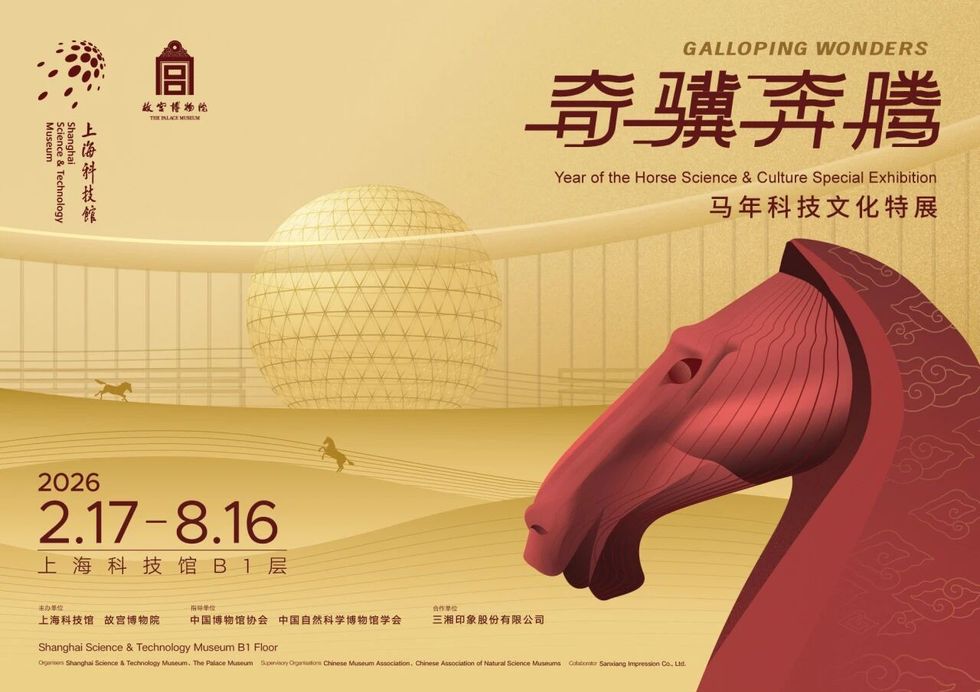
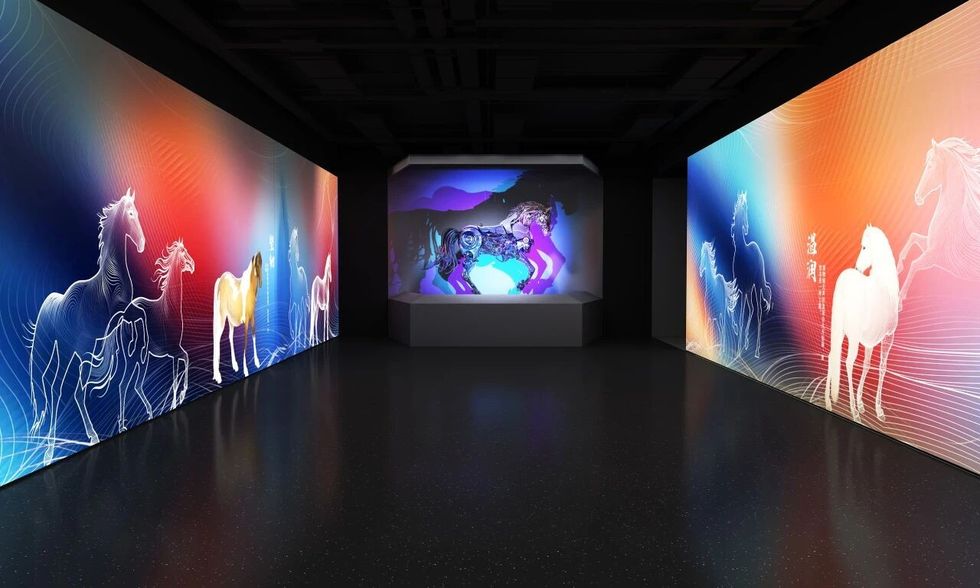
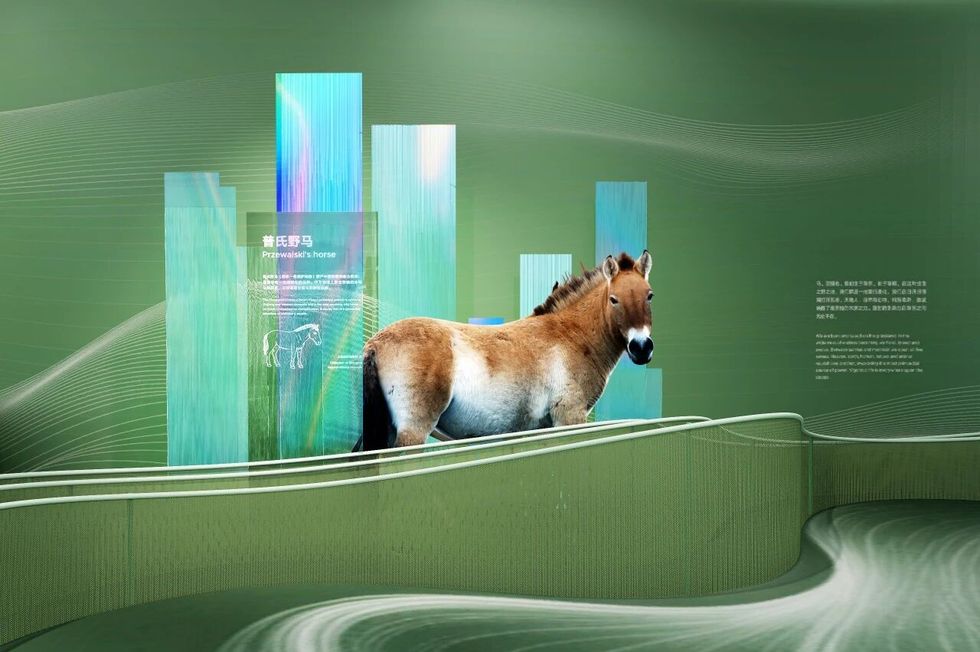
The first-ever exhibition for the venue after renovation, Galloping Wonders: Year of the Horse Science & Culture Special Exhibition, blends all the above-mentioned new technologies and approaches, where visitors can experience the thousand-year history and culture of horses and how they have shaped human society through specimens, artefacts, and immersive technologies.
A series of art installations in the halls position the museum as a space not only for learning but also for reflection and sensory exploration. Distributed throughout the new venue, nine interconnected artworks form a quiet narrative about systems, balance and the invisible forces that bind nature, technology and humanity.
Among the most striking is Dancer, a kinetic sculpture composed of four polished stainless-steel ellipsoids linked by a central axis. Inspired by organic forms found in seeds, fish and birds, the work invites visitors to initiate movement by gently pushing its base.
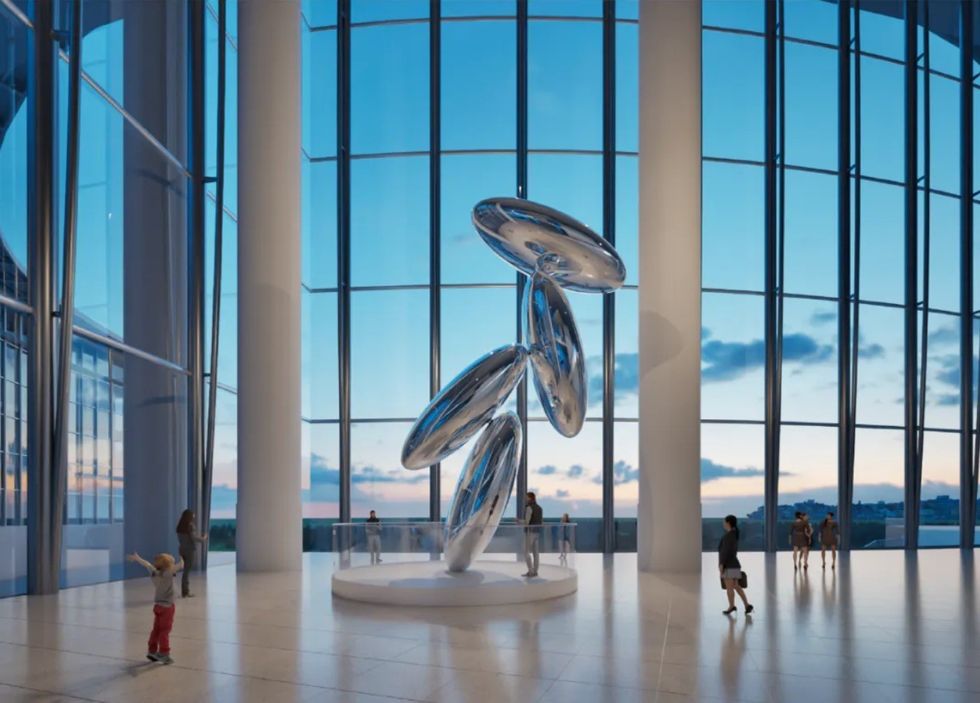
As the sculpture responds, light and reflection flow across its mirrored surface, transforming gravity and balance into a slow, rhythmic performance. Beneath its elegance lies a mathematical framework shaped by π and the golden ratio, translating universal natural laws into a tactile, embodied experience.
Nearby, AI Fossil explores authorship and memory in the age of data. Two industrial robotic arms continuously assemble modular units into a growing 'pixel relic', generated in real time by AI systems processing dynamic data contributed by the public.
Here, fossilisation is reimagined not as the preservation of matter, but as the accumulation of digital traces. The work proposes a distributed model of creation – where artist, machine and audience co-author an evolving form – prompting reflection on how intelligence, memory and civilisation may be preserved in the future.
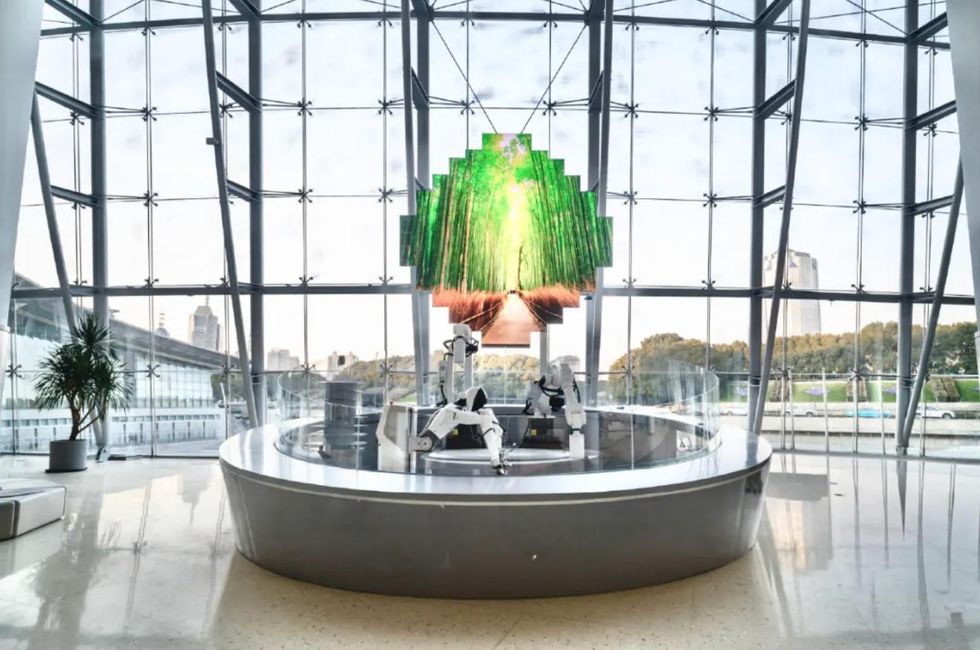
Together, these installations signal the museum’s embrace of art as a parallel language of science, one that makes the unseen perceptible and invites visitors to feel, not just understand, the connections that shape our world.
A science museum for the whole city
Looking ahead, the Shanghai Science and Technology Museum aims to operate as an all-day cultural space. Plans include extended evening opening hours, night-time education programmes and closer integration with neighbouring cultural institutions to form a science and culture district.
As Minjing puts it, the goal is not to simply present scientific conclusions, but to let visitors experience the process of discovery itself. In doing so, the reopened museum positions itself as a model for how large-scale science institutions can remain relevant – by embracing digital tools, prioritising participation and reimagining their role in the everyday life of the city.