World-class museums continue to captivate millions worldwide, from iconic institutions like the British Museum in London and The Met in New York to groundbreaking new builds and specialised collections. For museum enthusiasts, the options are more diverse and exciting than ever. In this article, we explore 20 of the world’s most visited museums.
The latest visitor figures see the Louvre in Paris, long hailed as the most popular museum on the planet, falling from first place to fourth, replaced by three leading museums in China.
In fact, ten of the top spots are taken by Chinese museums, from the Palace Museum in Beijing's Forbidden City in first place to the China Science and Technology Museum in 14th place.
Museums in China are experiencing significant increases in visitor numbers thanks to the Chinese government’s commitment to free admission.
There has also been a change in visitor demographics over the last decade. While museums were traditionally popular among seniors, the younger generation, particularly those in their 20s and parents with children, now make up a large part of museum visitors.
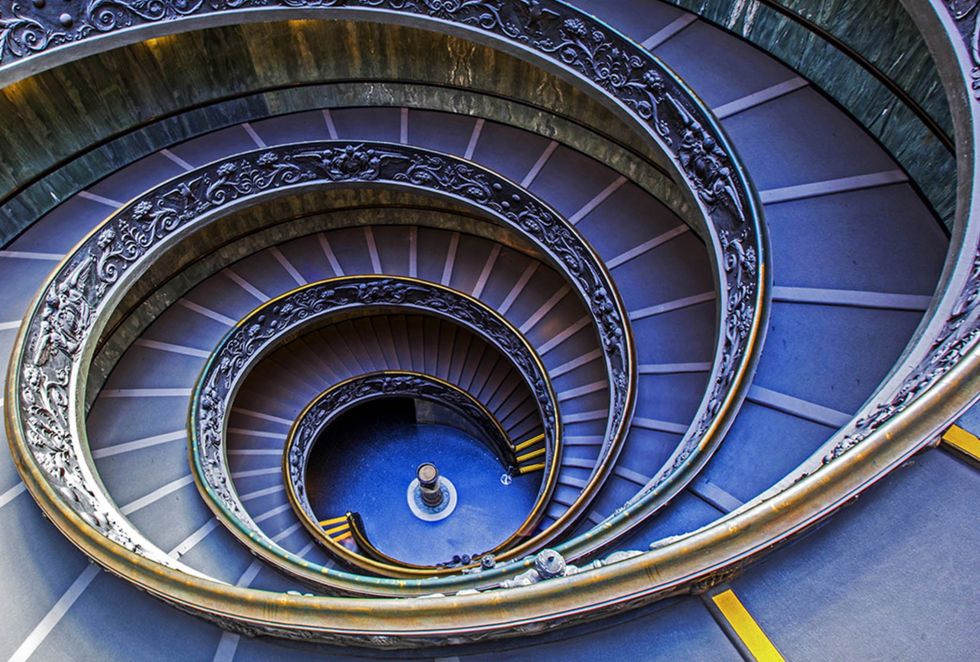 Vatican Museums
Elsewhere, European museums continue to draw crowds, with three London museums in the top 20 alongside favourites such as the Vatican Museums and the Musée d'Orsay.
Across the pond, New York and Washington, D.C. both have two museums each featured on the most visited list: The Metropolitan Museum of Art and the American Museum of Natural History in the former, and the National Gallery of Art and the National Museum of Natural History in the latter.
Notable institutions to have lost their place in the top 20 since the 2023 figures were published include Madrid's Prado Museum and the State Hermitage in St Petersburg, as well as the National Museum of Korea in Seoul.
Read on to discover the 20 most visited museums that are captivating audiences worldwide. Attendance figures are taken from the TEA/AECOM Museum Index 2024. This annual report sheds light on visitor trends, attendance growth, and the evolving role of museums in a post-pandemic world.
1.Palace Museum, Beijing, China - attendance 17,000,000

The Palace Museum houses a collection of nearly 1.9 million cultural relics, mostly from the imperial collections of the Ming and Qing dynasties. Covering 720,000 square metres, it opened to the public in 1925.
The museum is located within the Forbidden City, the Chinese imperial palace from the Ming dynasty to the end of the Qing dynasty. It served as the emperor's home and the ceremonial and political centre of the Chinese government for nearly 500 years.
With 17 million visitors a year, the museum has set a daily limit for visitors to protect both the structure and the guest experience.
The North Branch of the Palace Museum in Beijing is a significant new expansion in the Haidian District, set to open in 2026.
It was created to address space limitations at the main Forbidden City site, making the Palace Museum's treasures more accessible to domestic and international visitors alike.
Situated in Xiyuhe village in Beijing's Haidian district, 30 kilometres from the Forbidden City, the northern branch will offer more than 60,000 square meters of exhibition space along with 35,000 square meters for state-of-the-art conservation laboratories.
See also: The best new museums opening in 2026
2.Chengdu Wuhou Shrine Museum, Chengdu, China - attendance 14,570,000
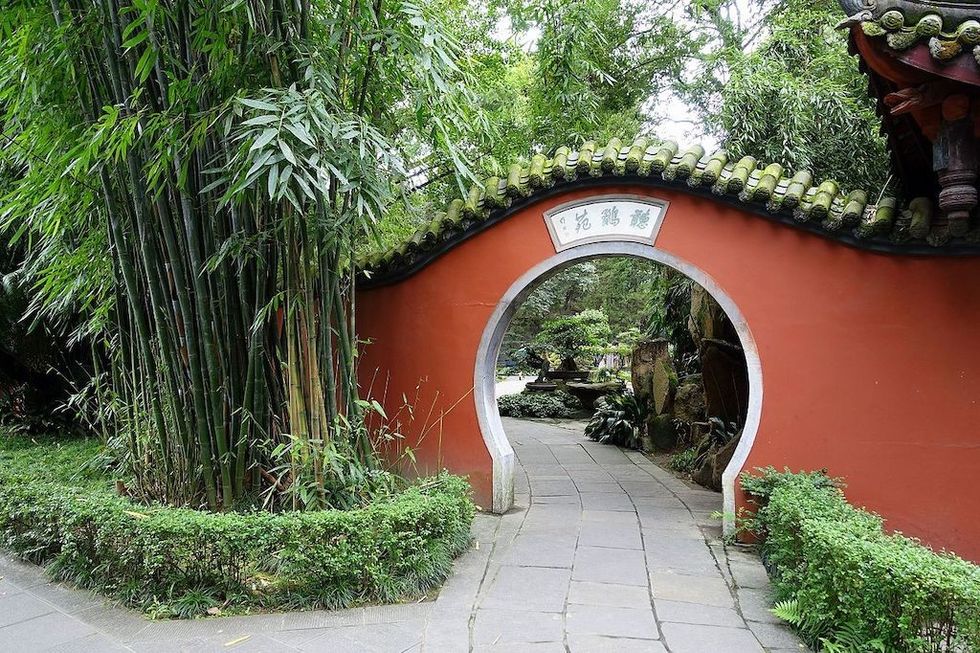
The Chengdu Wuhou Shrine Museum in Sichuan Province offers an in-depth exploration of the history, literature, and legends of the Three Kingdoms period (220–280 AD).
Built in 223 AD, it features the shrines of Shu Han Emperor Liu Bei and his chief minister, Zhuge Liang, set amidst lush gardens, statues, and the nearby Jinli Old Street. The site celebrates key figures from the Shu Kingdom known for loyalty and wisdom.
Key attractions include the joint tomb of Liu Bei and his wives, alongside Wuhou Temple, which honours Zhuge Liang with statues of him and other historical figures. Jinli Ancient Street, a bustling traditional street next to the shrine, is renowned for local snacks, cultural experiences, and souvenirs.
Located in the city centre, this cultural site covers a large area with tranquil gardens and traditional Chinese architecture.
Elsewhere in the city, Zaha Hadid Architects unveiled designs for a new Chengdu Science Fiction Museum in 2023.
3.Museum of Emperor Qin Shihuang's Mausoleum, Xi'an, China - attendance 11,610,000
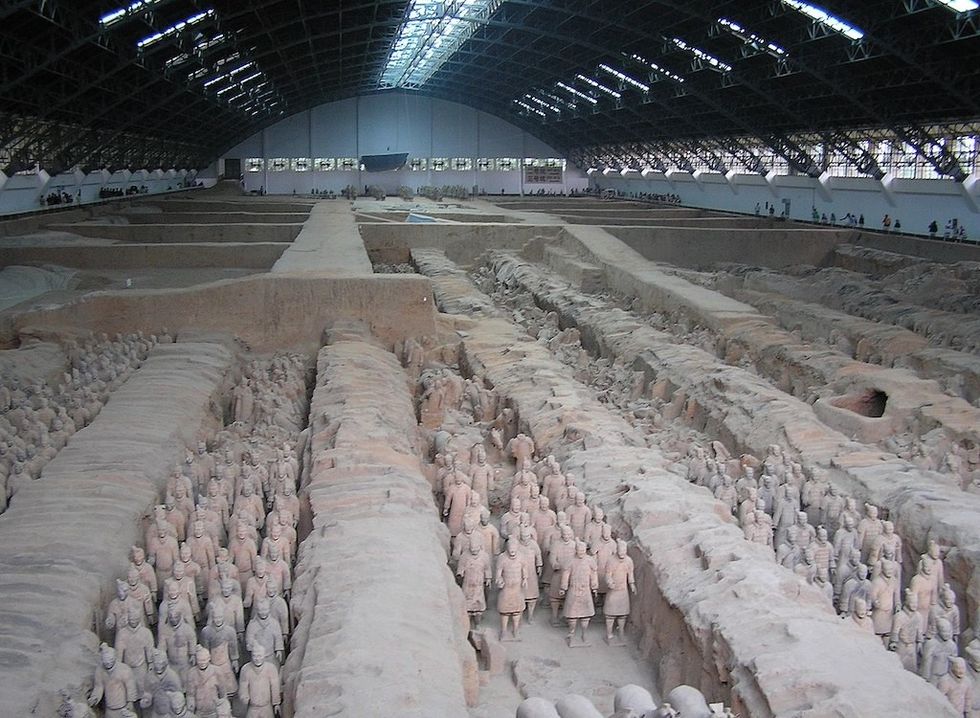
The Mausoleum Site Museum of Emperor Qin Shi Huang is the official guardian of one of the world's most important archaeological sites, which contains more than 8,000 unique terracotta warriors discovered in 1974.
It encompasses the Terracotta Army pits, housing over 8,000 soldiers, horses, and chariots, each with individual, detailed, and expressive features. Visitors can also view half-scale, painted bronze chariots unearthed in 1980.
The tomb was built over 38 years (246–208 BCE) by more than 700,000 workers.
In 2025, a new VR experience titled Terracotta Warriors: Secrets of the First Emperor's Mausoleum was launched. It marks the world's first immersive virtual reality experience to explore the sealed chambers of Emperor Qin Shi Huang's legendary mausoleum.
Developed in partnership with VIVE Arts and Wevr, this innovative experience takes visitors 2,200 years back in time to witness the night before the burial of China's first emperor.
4.Musée du Louvre, Paris, France - attendance 8,737,000
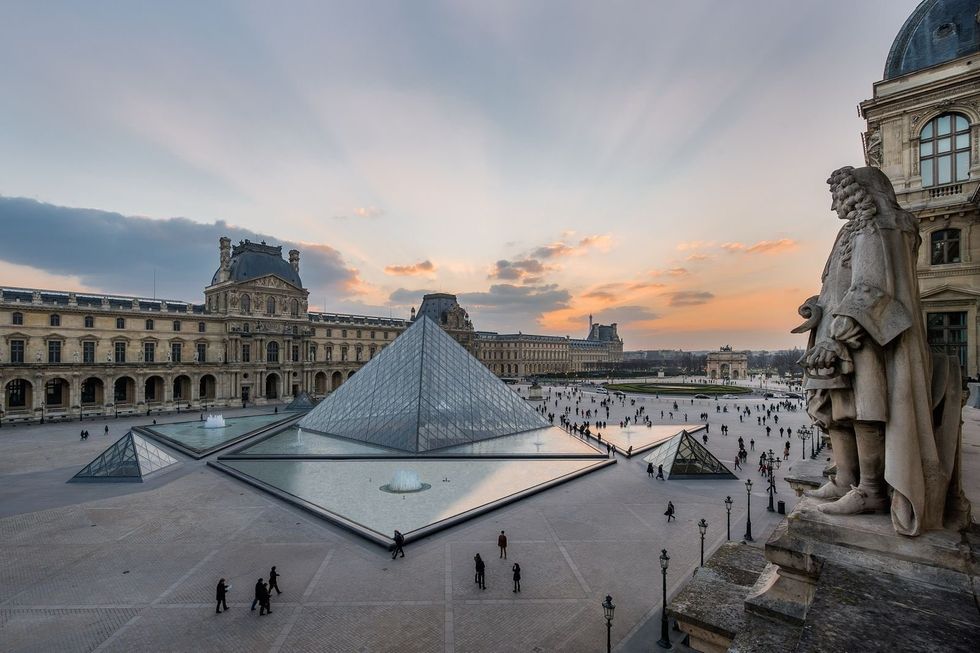
The Louvre, one of the world's most popular museums, houses more than 380,000 objects within a permanent collection spanning 60,600 square meters. Visitors can explore sculptures, paintings, drawings, and other artworks, with renowned highlights including the Mona Lisa and Venus de Milo.
Along with its renowned collection, it is also a landmark due to the iconic Louvre Pyramid, designed by I. M. Pei.
At the beginning of 2023, the Louvre announced it would cap daily visitors at 30,000 to enhance the visitor experience after hosting 7.8 million guests in 2022. Later, it announced a 29 percent increase in entrance fees for 2024, the first price hike since 2017.
To celebrate the 2024 Paris Olympics, it offered yoga classes and other Olympics-themed experiences in its galleries.
The museum faced challenges in 2025, including a high-profile jewellery theft, a water leak that damaged a 19th-century ceiling painting, a suspected ticket fraud plot, and staff strikes.
The museum’s first female president, Laurence des Cars, stepped down in February 2026 after 5 years at the helm.
5.Opium War Museum, Dongguan, China - attendance 7,221,000
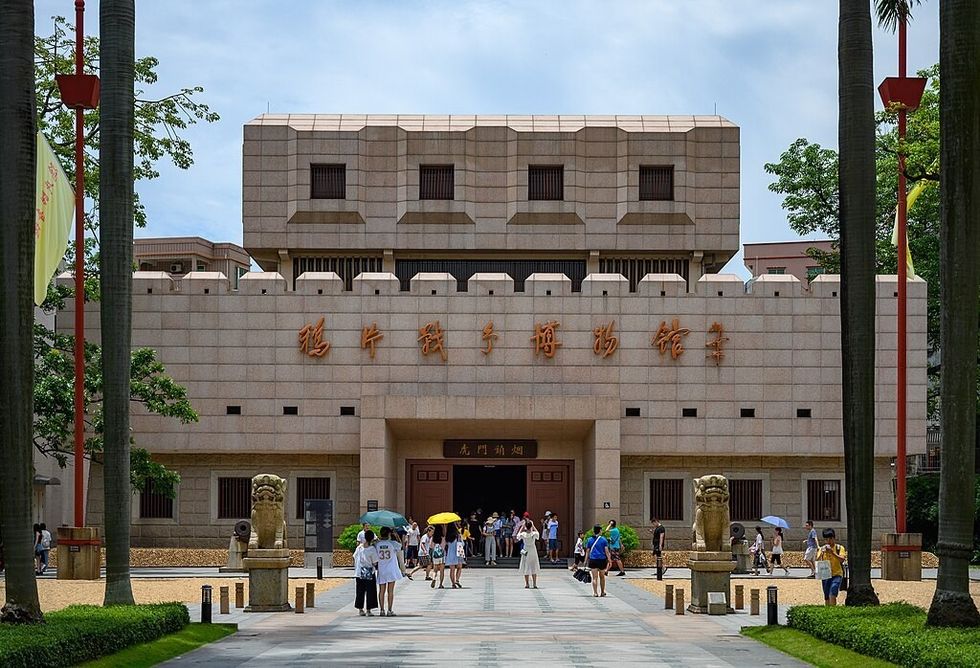
Image credit: xiquinhosilva, CC BY 2.0, via Wikimedia Commons
The Opium War Museum in Dongguan, Guangdong province, was established in 1957. The museum and its historical sites focus on the opium trade, Lin Zexu's efforts to suppress it, and the two Opium Wars (1839–1842 and 1856–1860).
Key sites include the Site of the Pits, where Lin Zexu destroyed opium, and the Ruin Site of Humen batteries. These important relics, covering over 800,000 square meters and protected by the state, serve as witnesses to the history of the opium trade and wars.
The museum’s mission is to collect, research, and exhibit materials related to Lin Zexu’s 1839 opium destruction and the Opium War, and to protect cultural relics such as the Pits Ruin Site and the Humen batteries.
6.National Museum of China, Beijing, China - attendance 6,957,000

The National Museum of China in Beijing contains 1.3 million artefacts displayed across various galleries.
These galleries showcase items ranging from ancient ceramics and calligraphy to jade and bronze treasures, as well as Buddhist sculptures and socialist realism artworks.
Recent exhibitions have covered a wide range of themes from art, culture, history, and politics.
These include The Power of Truth: Marking the Bicentenary of the Birth of Karl Marx, The Journey Back Home: An Exhibition of Chinese Artifacts Repatriated from Italy, and The Splendour of Asia: An Exhibition of Asian Civilisations.
7.Vatican Museums, Vatican City - attendance 6,825,000
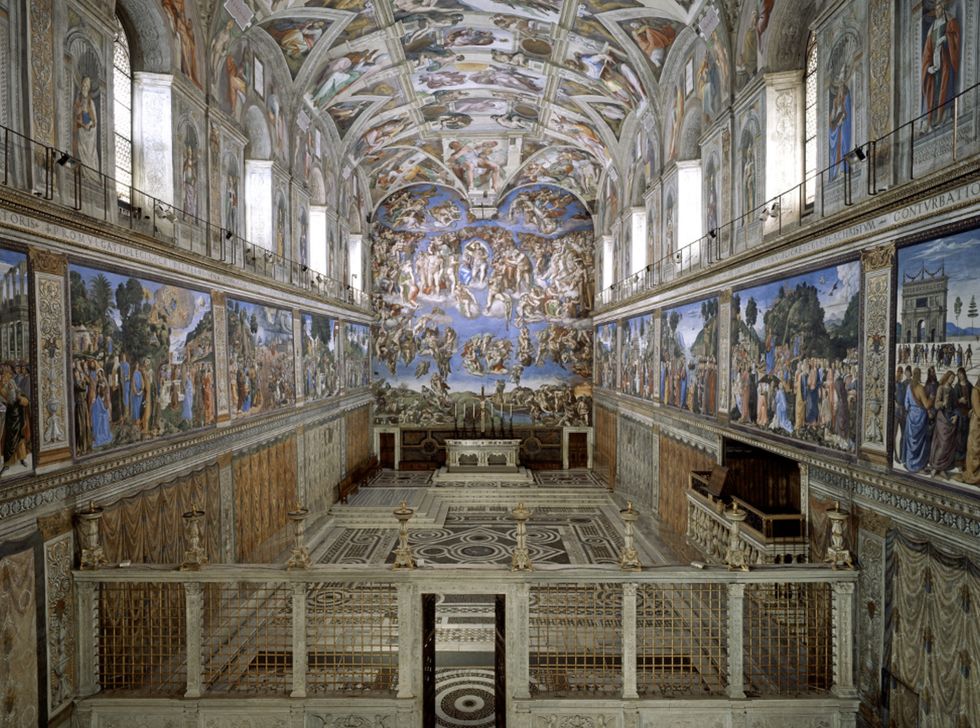
The Vatican Museums showcase works from the Catholic Church’s collection and the papacy over the centuries. The museums house approximately 70,000 pieces, including Roman sculptures and Renaissance art, as well as Michelangelo’s Sistine Chapel. The collection comprises around 70,000 items, such as Roman sculptures and Renaissance artworks.
To mark the 500th anniversary of Leonardo da Vinci's death, the Vatican Museums organised a free exhibition of the artist's renowned painting of Saint Jerome in 2019. The artwork was moved from the Vatican Pinacoteca to the Braccio di Carlo Magno in Saint Peter’s Square.
It was on display for three months alongside a document from the Historical Archive of the Fabric of Saint Peter, which details da Vinci’s stay in an apartment arranged for him in the Vatican Belvedere.
In 2022, then-Pope Francis announced plans to return the 2,500-year-old Parthenon marbles held at the Vatican Museums to Greece. The three fragments at the Vatican include a horse's head, a boy’s head, and a bearded male head. They have been in the Vatican’s collection since the 19th century.
See also: Taking the Sistine Chapel to the world: making immersive experiences more mobile and affordable
8.Shenzhen Nanshan District Museum, Shenzhen, China - attendance 6,805,000
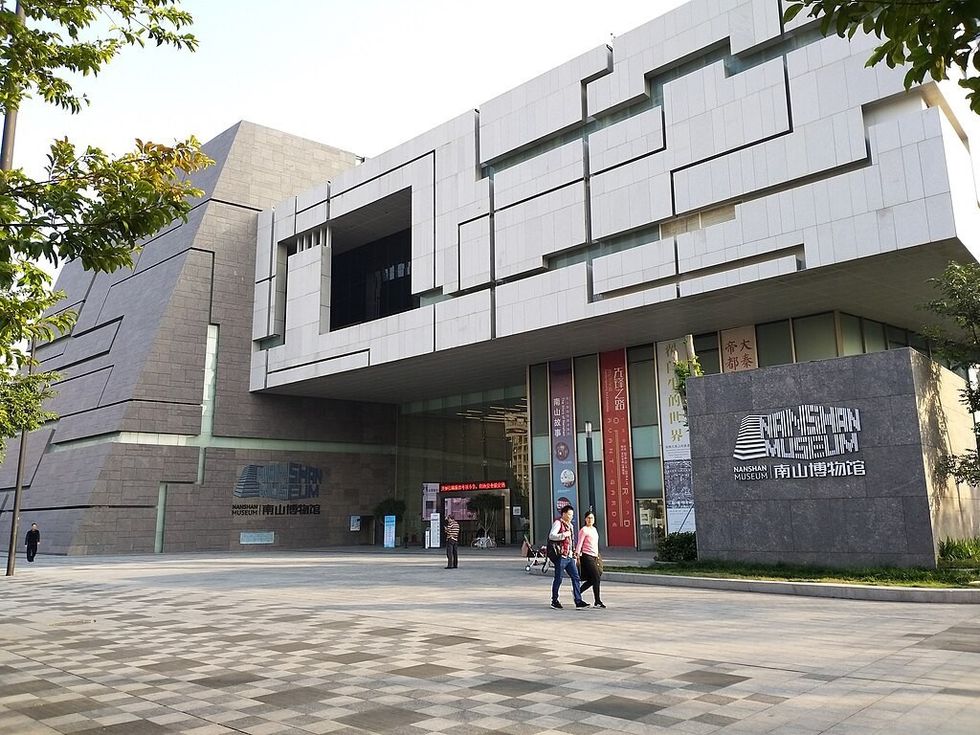
This museum explores the history of Nanshan and its related cultural research. It is responsible for collecting and studying archaeological relics from the Nanshan District. Additionally, it emphasises the ancient maritime Silk Road and the collection and curation of historical relics in Guangdong.
Nanshan Museum spans 19,000 square meters. Its building occupies 36,000 square meters, making it the largest standalone museum in Shenzhen and one of the largest district-level museums in the country.
In 2025, it opened the largest Dunhuang cultural and art exhibition in the history of South China.
The Dunhuang exhibition at Shenzhen Nanshan Museum features 205 valuable items, including 1:1 digital restorations of six major protected caves, over 80 original relics, more than 60 reproduced murals, and four reproduced coloured sculptures.
Elsewhere in the city, Chinese e-commerce and technology company JD.com has announced plans for a new JD Museum. Due to open in late 2027, the JD Museum will focus on contemporary visual and performing arts and will be located in JD.com's new headquarters.
9.British Museum, London, UK - attendance 6,480,000
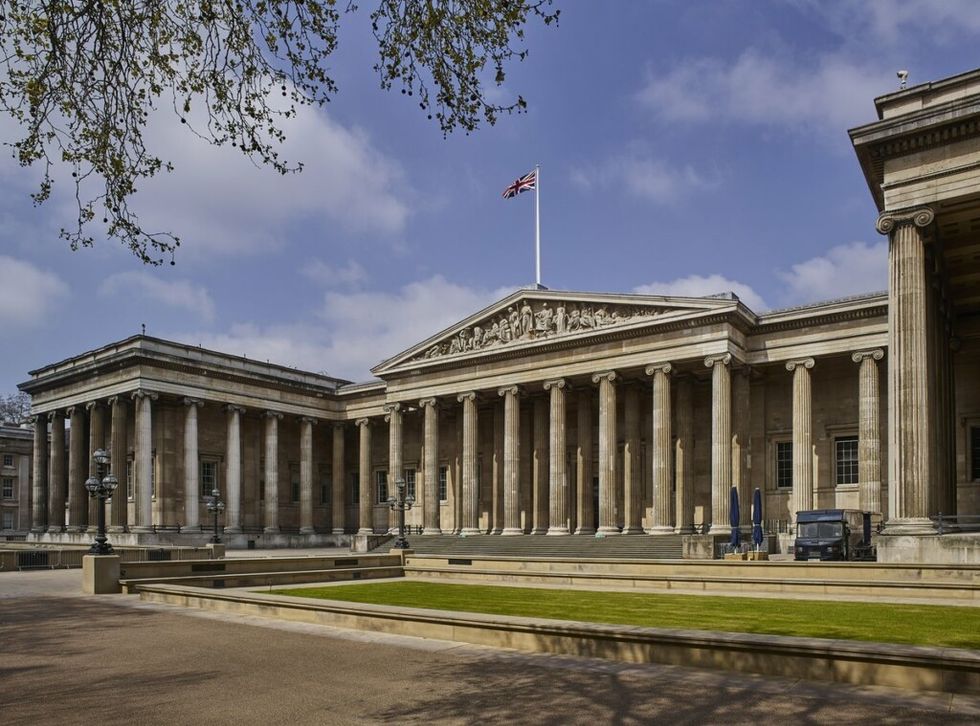
The UK’s top entry on the list of most visited museums is the British Museum in London. This was the first public national museum in the world, founded in 1753.
It holds over eight million artefacts spanning thousands of years, including the Rosetta Stone and Parthenon Marbles. Admission is free, attracting millions each year to view its global treasures and share cultural heritage.
The British Museum plans to digitise its entire collection to enhance public access and security following the alleged theft of around 2,000 artefacts, which was revealed in 2023.
In 2024, Olivia O’Leary, then serving as international engagement manager, spoke to blooloop about how the museum is developing the next generation of exhibitions to broaden its reach and showcase previously unseen treasures.
Recently, the museum teamed up with K-pop girl group NewJeans, which is now serving as the institution's official Korean audio guide.
The British Museum also launched a £150,000 tender for a project to review and reimagine its brand and visual/vocal identity at the start of 2025. The project is part of the museum’s wider masterplan, which involves renovating and transforming the site, and building new storage and research facilities near Reading.
It hosted its first Met Gala-style fundraising ball in October 2025, with a pink theme.
10.Natural History Museum, London, UK - attendance 6,302,000
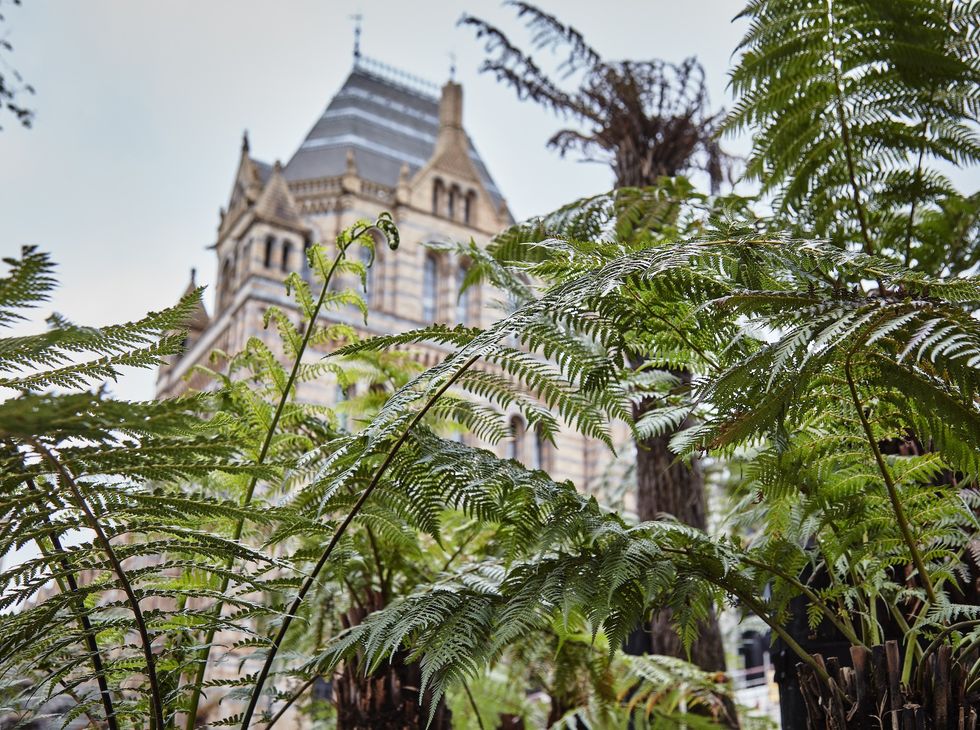
Visitors to the Natural History Museum in London can explore items from its collection of 80 million specimens. These are primarily divided into five main subjects: botany, entomology, mineralogy, palaeontology, and zoology. It is especially renowned for its dinosaur exhibits.
In 2019, the Natural History Museum received support from the National Lottery for its Urban Nature Project. This transformed the museum’s five acres of outdoor space, creating a dedicated area for urban wildlife research and conservation.
The new garden spaces opened to the public in summer 2024, and the occasion was marked by the unveiling of a new bronze cast of Dippy the diplodocus.
The museum is one of several to have declared a planetary emergency, and in 2021, it was involved in a series of events at COP26 at in Glasgow.
A key strategy underpinning much of its work is fostering advocates for the planet. Representatives from the museum also participated in COP28, engaging in important discussions on the planetary emergency, biodiversity loss, nature-based solutions, and the essential role of data.
In 2024, the museum announced plans for a £550 million transformation ahead of its 150th anniversary in 2031.
11.Sanxingdui Museum, Guanghan, China - attendance 5,994,000
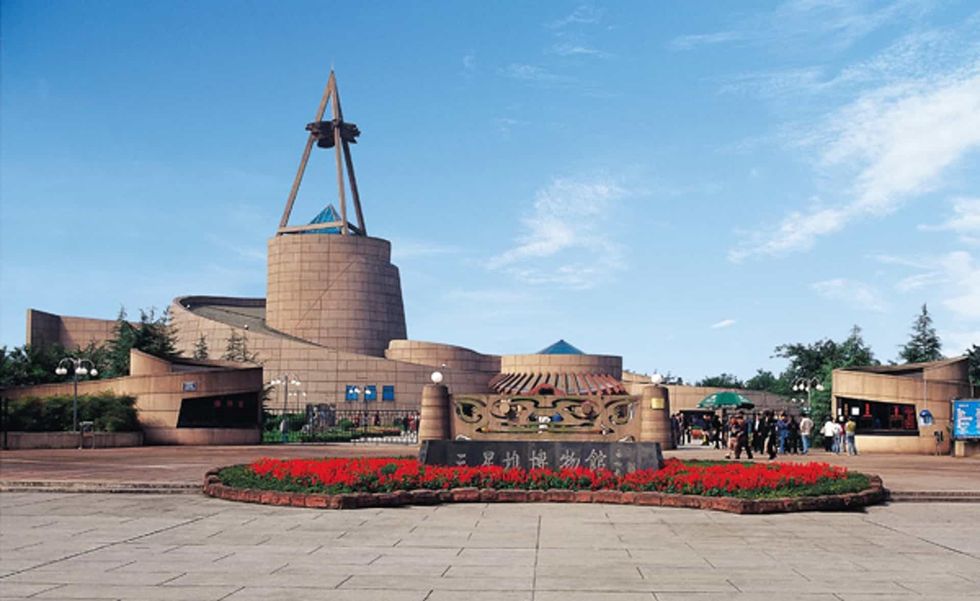
The Sanxingdui Museum exhibits thousands of artefacts dating back 3,000 years from the ancient Shu period, including bronze, jade, and gold, showcasing the art of ancient China and the remarkable heritage of a lost civilisation.
It was built in August 1992 and opened to the public in October 1997. The most valuable relics in the collection are a 3.95-meter bronze tree, which is one of the largest bronze relics in the country, and a 3.82-meter-long Jade Tablet featuring fish and birds.
In 2021, the Sanxingdui Museum signed a cooperation agreement with Tencent to promote its cultural IP through games, music, and online literature.
Tencent, the world’s largest video games company by revenue, is the creator of major esports titles including Ring of Elysium and League of Legends. WeChat, a Chinese messaging and social media app, was also developed by Tencent.
Through the collaboration, the Sanxingdui Museum aimed to use technology, gaming and youth culture to grow its brand in China and internationally.
12.The Metropolitan Museum of Art, New York City, New York, US - attendance 5,727,000
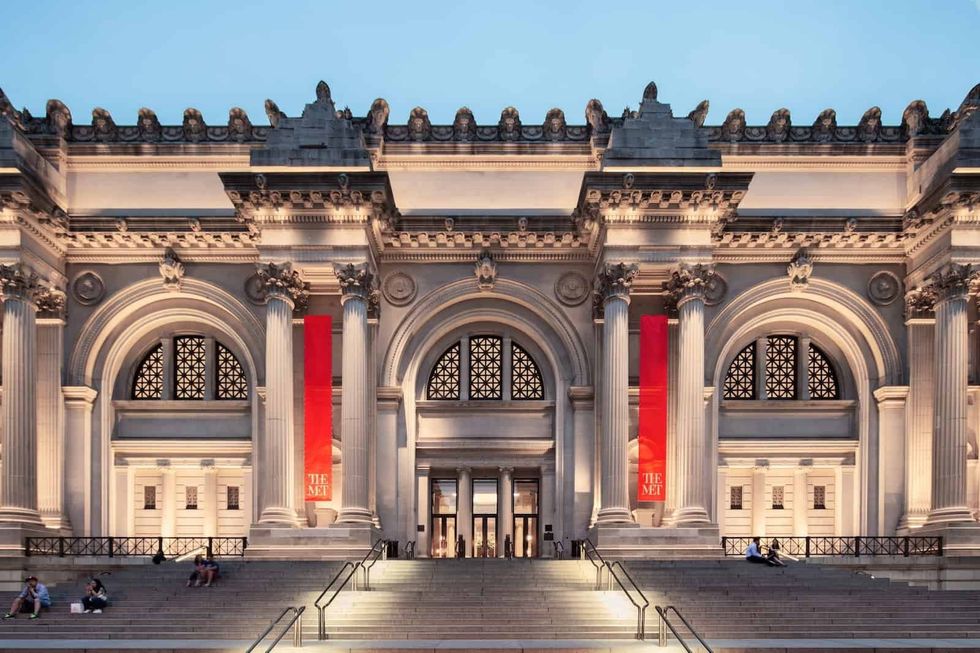
Next on the list of the most visited museums in the world is The Metropolitan Museum of Art (The Met).
The Met is the largest art museum in the United States, with over 2 million works in its permanent collection. It is renowned for hosting blockbuster exhibitions, such as 2018’s record-breaking Michelangelo: Divine Draftsman and Designer.
It also hosts the Met Gala every year.
In 2021, Sofie Andersen, then head of digital content at the Metropolitan Museum of Art in New York, spoke to blooloop about digital storytelling and the museum’s online strategy.
In recent years, The Met has also announced plans to return items to several countries, including Thailand, Cambodia, and Nepal. In summer 2025, it returned three ancient artworks, believed to have been looted, to the Republic of Iraq.
At the end of 2024, The Met unveiled its designs for a new $550 million wing for modern and contemporary art, set to open in 2030.
The concept by Mexican architect Frida Escobedo – the first woman to design a wing in the museum’s 154-year history – involves the renovation and expansion of The Met’s existing modern and contemporary wing.
The Met reopened its Michael C. Rockefeller Wing in May 2025.
13.Nanjing Museum, Nanjing, China - attendance 5,680,000

Image credit 維基小霸王, CC BY-SA 4.0 via Wikimedia Commons
Nanjing Museum was one of the first museums established in China and has since been expanded in 1999 and 2009. It holds a large permanent collection with more than 400,000 pieces, including an impressive display of Ming and Qing imperial porcelain.
One of the permanent installations at Nanjing Museum is an exhibition on the Jiangsu Area in Ancient Times, covering ancient history through to the Ming and Qing dynasties.
Visitors can view a dinosaur skeleton and a wall made of bricks from the Northern and Southern Dynasties.
14.China Science and Technology Museum, Beijing, China - attendance 5,421,000

Image credit Jason Quinn, CC BY-SA 3.0, via Wikimedia Commons
China Science and Technology Museum was founded in 1988, before being expanded in 2000. It then moved into new buildings in 2006 ahead of the 2008 Summer Olympics in the city.
China Science and Technology Museum has five permanent exhibitions: Science Paradise, The Glory of China, Science & Technology and Life, Explorations and Discoveries, and Challenges and the Future. Visitors can also enjoy a dome theatre, a giant-screen theatre, a 4D theatre, and a motion theatre.
China plans to become a ‘museum powerhouse’ by 2035, developing outstanding museums with Chinese features and attractions through a ‘Museums of Excellence Development Plan’.
Chinese museums have been quick to adopt new technologies, including the development of digital collectables as an alternative to NFTs.
15.American Museum of Natural History, New York City, New York, US - attendance 5,400,000
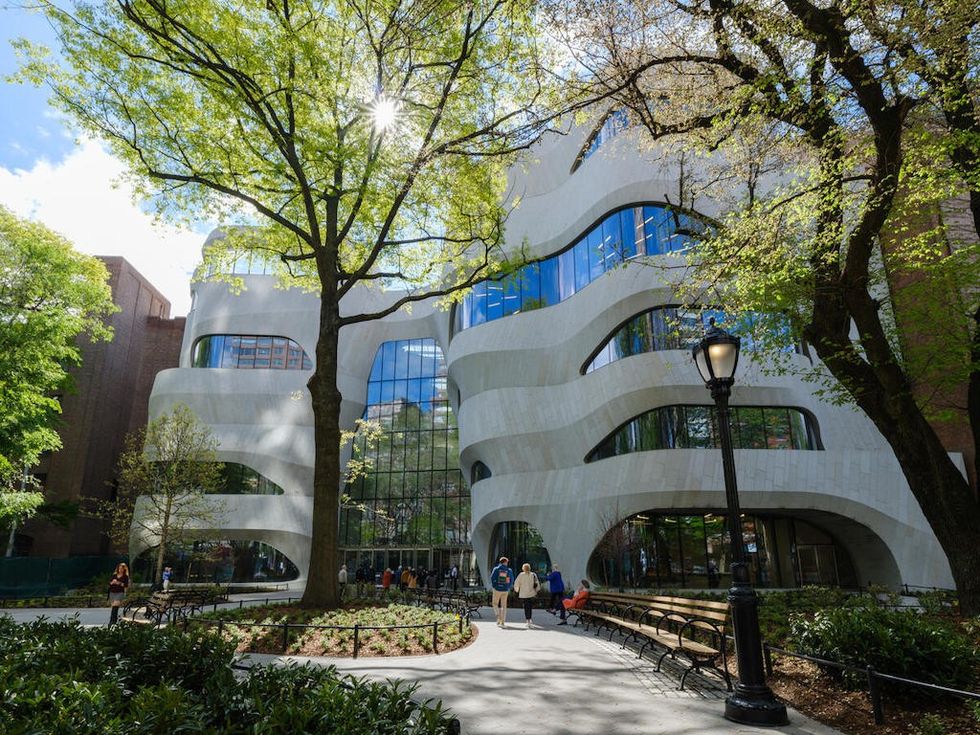
The American Museum of Natural History (AMNH) in New York is one of the largest natural history museums in the world. It spans 26 interconnected buildings and houses 45 permanent exhibition halls, a planetarium, and a library. It is home to more than 34 million specimens.
A new wing, the $465 million Richard Gilder Center for Science, Education, and Innovation, opened to the public in May 2023. Designed by Studio Gang, this is home to research facilities, scientific collections, new exhibits, an insectarium, and a butterfly vivarium.
The 230,000-square-foot Gilder Center also enhances the museum’s visitor experience, connecting 10 buildings that were constructed over nearly 150 years.
Apex, the most expensive dinosaur fossil ever discovered, went on view at the museum at the end of 2024. Thought to be the largest and one of the most complete stegosaurus specimens ever found, it measures 11.5 feet tall and 27 feet long and is nearly 80 percent complete.
In 2025, the museum brought back its sleepover experience sleepover experience after a five-year hiatus. A Night at the Museum: The Overnight Experience was originally launched in 2006 alongside the Ben Stiller film Night at the Museum.
16.The Museum of Dr Sun Yat-Sen, Zhongshan, China - attendance 5,100,000
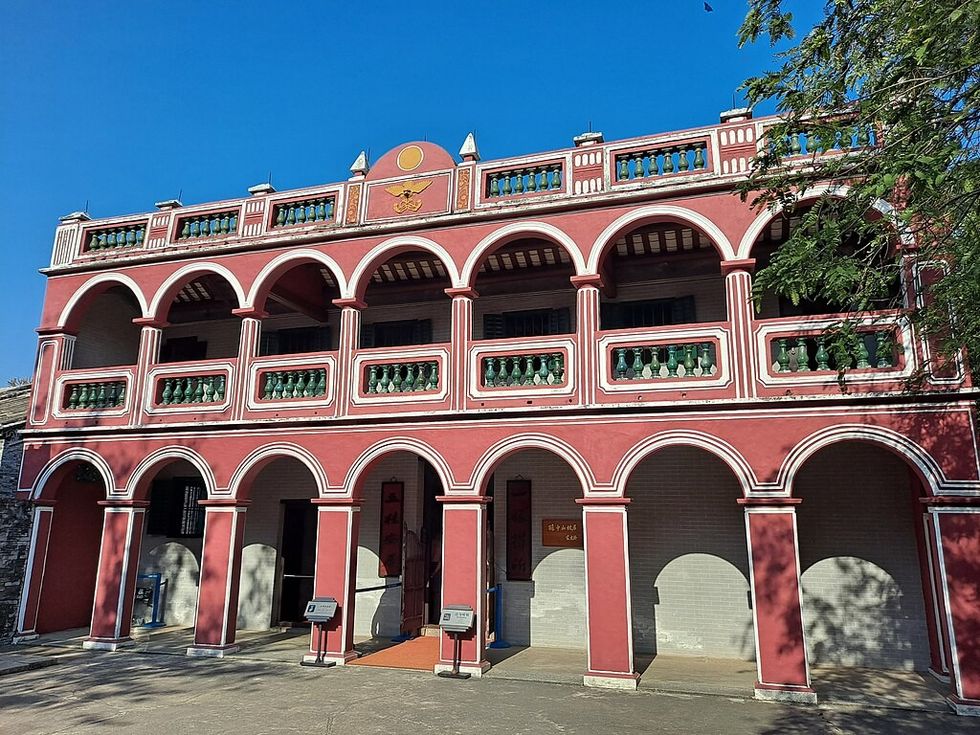
Image credit EditQ, CC BY-SA 4.0, via Wikimedia Commons
The Museum of Dr Sun Yat-Sen is located in Cuiheng, a mountainous village, and houses the former residence of Sun Yat-sen (1866-1925), the founding father of the Republic of China.
Founded in 1956, the institution covers 200,000 square meters and encompasses the Zhongshan Museum of Folk Customs and the Zhongshan Institute of Dr Sun Yat-sen.
The Zhongshan Museum of Folk Customs focuses on researching folk culture, collecting cultural folk relics, and conserving the residences and customs of Cuiheng village and the Pearl River Delta region. It also helps protect and maintain folk relics and culture.
The Zhongshan Institute of Dr Sun Yat-sen is committed to studying the social environment, including the folk customs of the Pearl River Delta, where Sun Yat-sen was born and raised, as well as his life experiences, family history, relatives and descendants, his contemporaries, cultural relics associated with him, and his thoughts.
Permanent exhibitions showcase Sun Yat-sen's family, his career, local residential architecture and customs, and the cultural heritage of Zhongshan city.
Image credit EditQ, CC BY-SA 4.0, via Wikimedia Commons
17.Tate Modern, London, UK - attendance 4,603,000
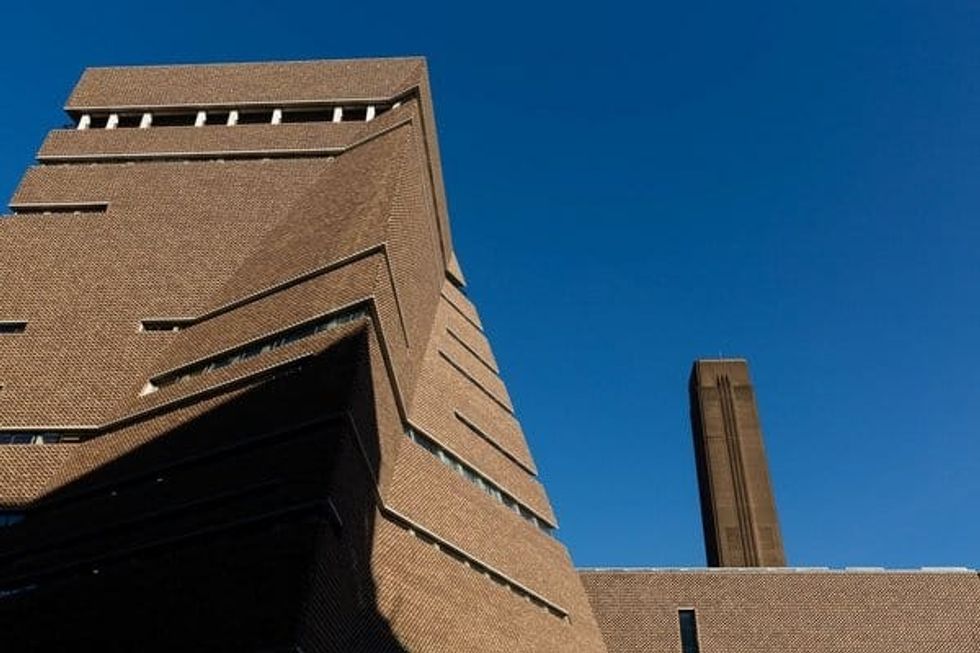
Visitors to Tate Modern can explore Tate’s collection of British and international modern and contemporary art from 1900 to the present.
Tate Modern is housed in one of London’s historic buildings, the former Bankside Power Station. Here, it can display very large pieces in the huge Turbine Hall.
Founded in 2000, Tate Modern celebrated its 20th anniversary in 2020 and had a series of events planned before COVID-19 struck. This included a special immersive exhibition by Japanese artist Yayoi Kusama featuring her ‘Infinity Rooms’.
In 2021, while in her former role as director of digital at Tate, Hilary Knight spoke to blooloop about how digital enhances the museum’s mission. Tate Modern appointed Karin Hindsbo, former director of Oslo’s National Museum, as its new director in 2023. She is the second woman to take on the role.
See also: Tate’s Carmel Allen on the transformational power of art
18.National Gallery of Art, Washington, D.C., US - attendance 3,937,000
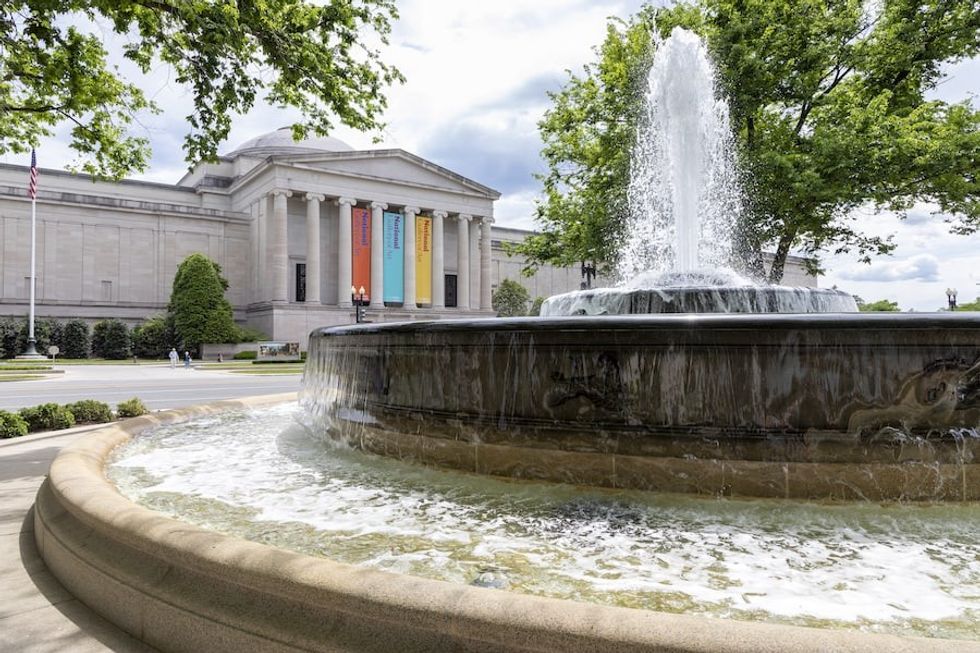
The National Gallery of Art is dedicated to visual art, education, and culture.
Established in 1937, it is divided into two main buildings: the West Building, housing European and American paintings, sculptures, and decorative arts from the Renaissance to the 1800s, and the East Building, which features modern and contemporary art, including works by 20th-century masters.
The collection includes over 150,000 works of art, ranging from early Renaissance masterpieces to contemporary pieces. The museum is particularly known for its Impressionist and Post-Impressionist collections.
Alongside paintings and sculptures, the museum holds notable collections of prints, drawings, decorative arts, and photography. The Sculpture Garden, situated between the two buildings, showcases modern sculptures.
Notable exhibitions of recent years include a show on lunar photographs as well as an exhibition on Renaissance sculptor and painter, Andrea del Verrocchio, of whom Leonardo da Vinci was a pupil.
In 2022, Nick Sharp, chief digital officer, spoke to blooloop about the museum’s digital strategy and the importance of anauthentic voice
19.National Museum of Natural History, Washington, D.C., US - attendance 3,900,000
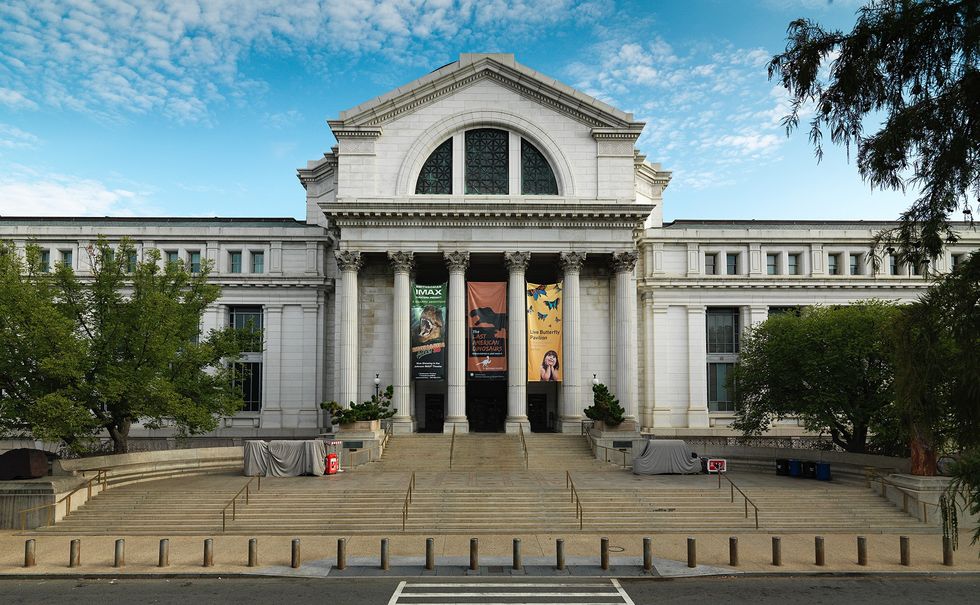
Washington, D.C.'s popular National Museum of Natural History is the fourth American museum on this list of the world's most visited.
Part of the Smithsonian Institution, this museum first opened in 1910. It covers 1.5 million square feet, with 325,000 square feet of exhibition and public space dedicated to natural history, featuring a huge collection of specimens, including plants, animals, fossils, rocks, and meteorites, as well as cultural artefacts.
Permanent exhibits include the famous Bone Hall, which can now be explored with an innovative AR app. In 2021, the museum also launched a new AR experience that immerses visitors in a holographic orca pod.
In 2024, the Smithsonian launched a two-year, $2.5 billion fundraising campaign – the largest in the institution’s history. The campaign concludes in 2026, coinciding with the 250th anniversary of the Declaration of Independence.
The Smithsonian Institution came under fire from US president, Donald Trump, in 2025. He criticised the nation's museums for being "woke", specifically targeting the Smithsonian Institution as "out of control".
20.Musée d'Orsay, Paris, France - attendance 3,751,000
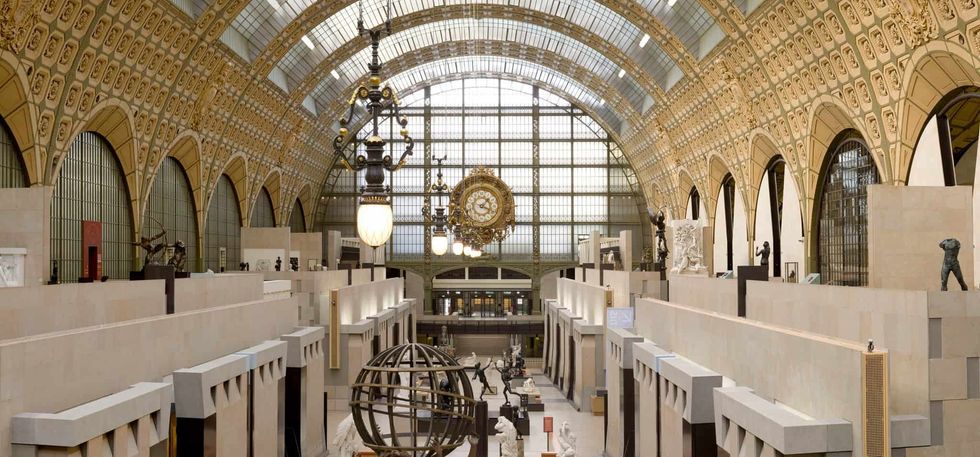
The Musée d'Orsay is located in the former Gare d'Orsay, a Beaux-Arts railway station built between 1898 and 1900. In addition to sculptures, furniture, and photography, it holds the world's largest collection of Impressionist and post-Impressionist paintings.
In 2020, the museum announced the launch of a major expansion project. This will see the creation of a new wing, intended to display the Musée d’Orsay’s Impressionist and Post-Impressionist collection. The project is scheduled to be completed by 2026.
The Musée d’Orsay announced its first-ever VR experience in 2023, as part of a new Van Gogh exhibition. The museum partnered with Vive Arts on the experience, called ‘La Palette de Van Gogh’.
This takes inspiration from the last surviving paint palette used by Vincent van Gogh, held in the Musée d’Orsay’s permanent collection.