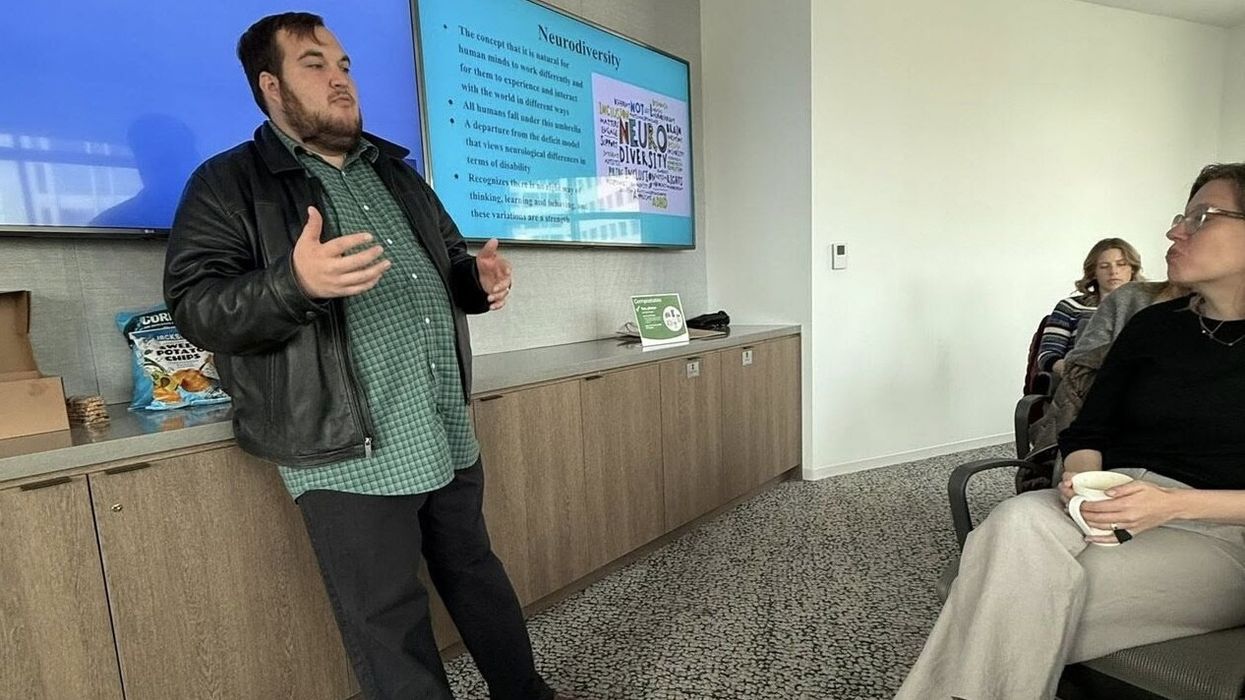

Zoos and Aquariums for a Neurodiverse Ecosystem (ZANE) has announced the launch of the Beyond Access initiative to make informal STEM learning spaces more accessible.
Beyond Access is a collaborative initiative between zoos, aquariums, children’s museums and botanical gardens.
The project is funded by the National Science Foundation and led by the STEM Research Center at Oregon State University.
Partners are ZANE, the Association of Science and Technology Centers (ASTC), the Association of Children’s Museums (ACM), the American Public Gardens Association (APGA) and the Association of Zoos and Aquariums (AZA).
Informal STEM learning (ISL) spaces allow audiences with neurodivergence or intellectual and developmental disabilities (IDD) to explore science in welcoming, hands-on ways.
"People who are neurodivergent and people with IDD bring a wide range of strengths, perspectives, and ways of thinking that enrich organizations and contribute to inclusive, creative, and innovative environments," ZANE said in a statement.
The Beyond Access initiative will look at how existing strategies and resources can be adapted for and used by science centres, children’s museums, and public gardens.
Additionally, the project will explore how ISL organisations can better support inclusive employment pathways and workplace culture.
Informal STEM learning (ISL) spaces
"Beyond Access lies in the essence of ZANE’s mission of moving the zoo and aquarium world from compliance to compassion and creating an environment where all professionals feel they belong," said ZANE's president Grayson Ponti.
“We’re looking forward to being part of this groundbreaking initiative and representing neurodivergent zoo and aquarium professionals on this project.
"We will provide updates to our members on opportunities to participate in this effort as they come along."
Images courtesy of ZANE